 Uncorked Conversations
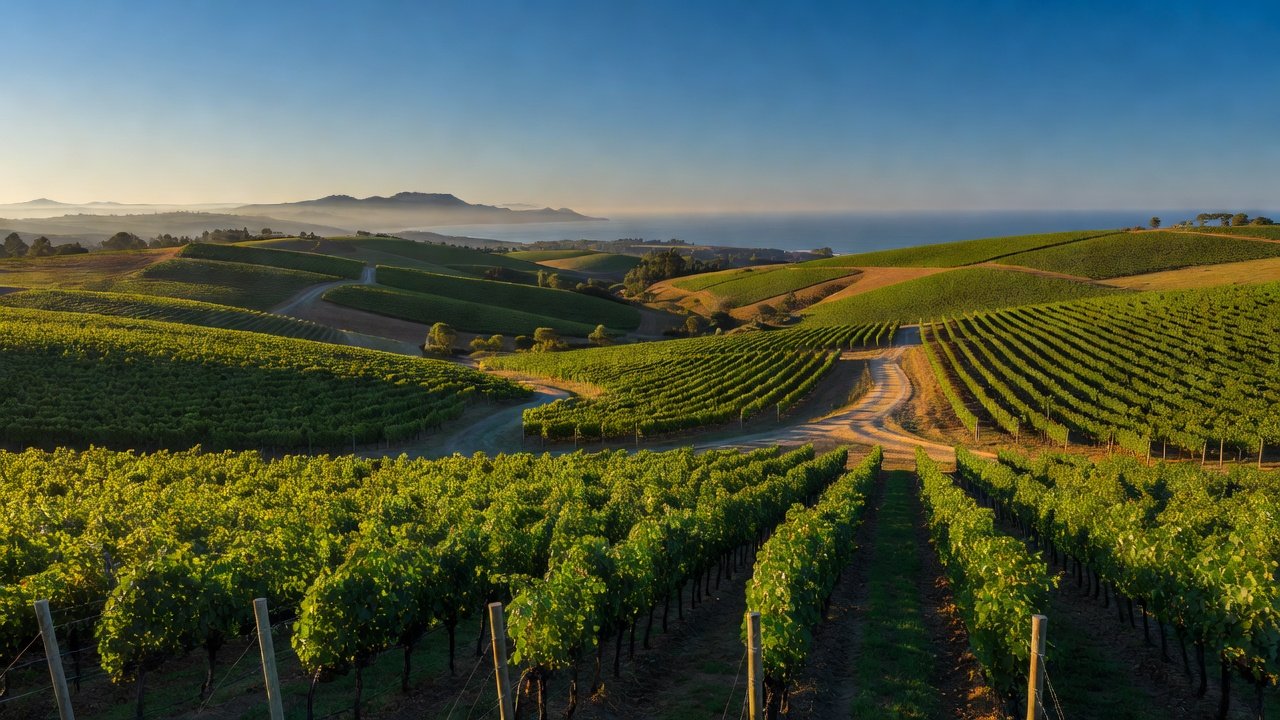
Introduction to Uruguay's Unique Tannat Terroir
Uruguay has emerged as a standout destination for wine enthusiasts seeking distinctive expressions of Tannat, a grape that thrives in the country's coastal and riverine environments. This beginner-friendly guide explores the terroir across key regions, highlighting how Atlantic breezes and varied soils shape regional wines. Whether planning a 2026 visit or simply learning about South American viticulture, readers will find concrete details on areas like Canelones and Maldonado, along with comparisons, tour ideas, and booking advice. Uruguay's wine industry benefits from a temperate climate moderated by the Atlantic Ocean and the Río de la Plata. Tannat, originally from southwest France, finds an ideal home here, producing wines with vibrant acidity, dark fruit notes, and firm tannins that soften beautifully with age or food pairing. The country's compact size allows easy exploration of multiple terroirs in a single trip, making it particularly appealing for first-time visitors to the region.
Canelones: The Heart of Uruguay's Wine Production
Canelones, located just north of Montevideo, accounts for the majority of the nation's vineyards. The region's clay-loam soils provide excellent drainage while retaining moisture, supporting robust Tannat vines. Proximity to the coast introduces cooling Atlantic breezes that help maintain acidity in the grapes during warm summers. Soil compositions range from sandy topsoils over deeper clay layers, contributing to wines with earthy undertones and structured palates. Coastal influences temper heat, resulting in balanced expressions compared to inland plantings. Many producers in Canelones experiment with different rootstocks to optimize for local conditions, yielding wines that display notes of black cherry, plum, and subtle spice. Practical exploration here involves short drives from the capital, allowing visitors to combine city culture with vineyard stops. The area also features a mix of large estates and boutique operations, giving a broad view of Tannat styles from the same terroir base.
Maldonado: Coastal Influences on Tannat
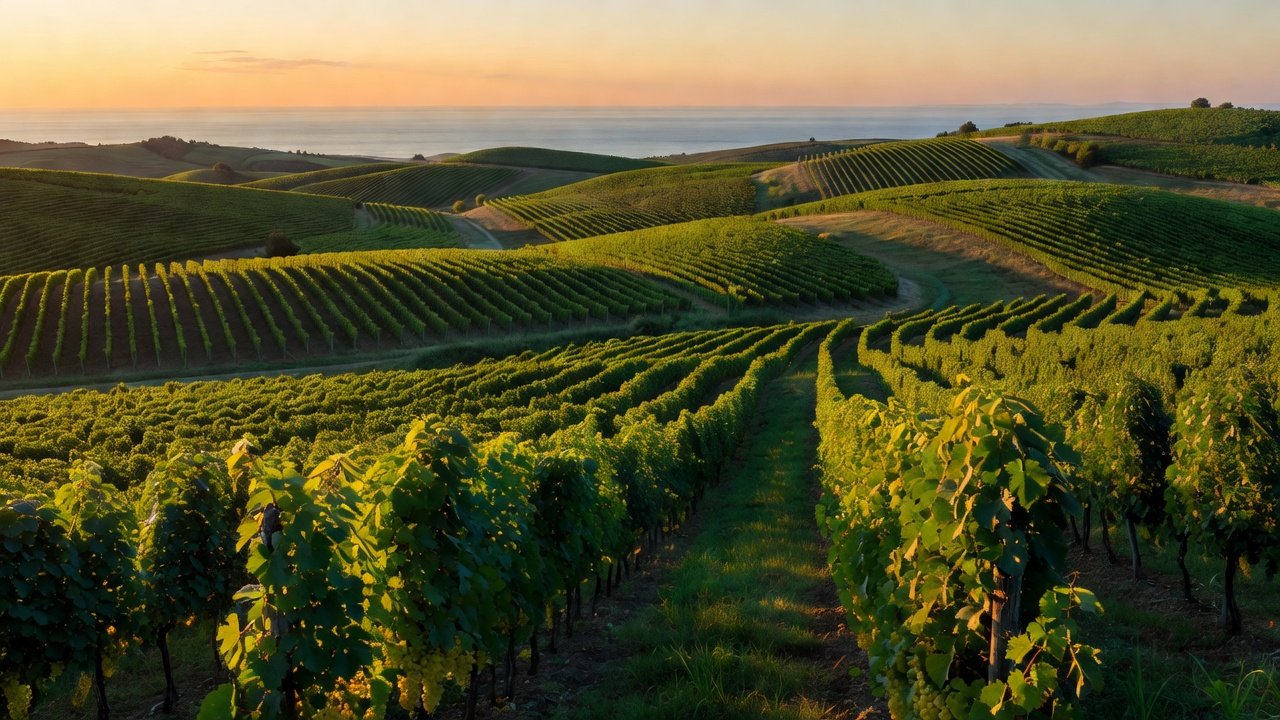
Further east, Maldonado benefits from stronger Atlantic breezes and granitic soils mixed with sand. These conditions yield Tannat wines that are often more aromatic, with notes of red berries and herbs alongside the grape's signature power. The oceanic moderation reduces diurnal temperature swings, promoting even ripening. Wineries in this area showcase how sea winds impart a saline edge to some bottlings, distinguishing them from more fruit-forward styles elsewhere in South America. The landscape features rolling hills that offer stunning views during vineyard tours. Maldonado's higher elevation pockets create microclimates ideal for slower maturation, resulting in complex tannins and brighter acidity. Travelers frequently note the dramatic contrast between the rugged coastline and the orderly vine rows, enhancing the overall sensory experience of a visit.
Comparing Uruguay Tannat to Other South American Styles
Uruguayan Tannat differs from Argentine Malbec in its higher natural acidity and more pronounced tannic structure. While Chilean Cabernet Sauvignon often emphasizes herbal and cassis notes from Andean influences, Uruguay's coastal Tannat leans toward darker fruit and spice, with a freshness from maritime air. These distinctions arise directly from soil and climate variations across the continent. Additional comparisons reveal that Brazilian wines from the south tend toward riper profiles due to warmer conditions, whereas Uruguayan examples retain elegance from consistent breezes. International Organisation of Vine and Wine resources provide further context on global grape adaptations, including Tannat's journey from France to Uruguay. Understanding these differences helps visitors appreciate why Uruguay stands out for those seeking structured yet approachable reds.
2026 Vineyard Tour Recommendations
For 2026, focus on multi-day itineraries that combine Canelones and Maldonado. Start with a half-day in Canelones visiting family-run estates, then travel east for coastal tastings. Many operators offer guided experiences emphasizing terroir education through soil sampling and breeze observation walks. Practical booking steps include checking availability three to six months ahead via official tourism portals or winery websites. Confirm transportation options, as some estates are rural. Group tours often include lunch pairings, while private options allow customization around specific interests like organic practices. Consider shoulder season dates in early spring or late fall for milder weather and better availability. Always review cancellation policies and inquire about accessibility features if needed. Transportation can involve private drivers or organized shuttles from Montevideo, ensuring a seamless experience without navigating unfamiliar roads.
Specific Winery Examples and Tasting Itineraries
Bodega Garzón in Maldonado exemplifies coastal influence with its Tannat from granitic soils. A typical itinerary might begin with a vineyard walk, followed by barrel tastings highlighting Atlantic breeze effects. In Canelones, establishments like Bodegas Juanico offer historic estate tours showcasing clay-loam impacts on structure. Additional examples include Bodega Bouza, known for experimental plots that demonstrate soil variation within short distances, and Viña Edén in Maldonado, where visitors can observe the direct impact of ocean proximity on vine growth. Sample three-day schedule: Day one in Canelones for introductory tastings and soil discussions; day two travel to Maldonado for comparative sessions and coastal walks; day three focused on pairings and relaxation with optional sunset tastings. Always verify current schedules as offerings evolve seasonally. These itineraries can be adjusted for interests in sustainability or food pairings, providing depth beyond standard visits.
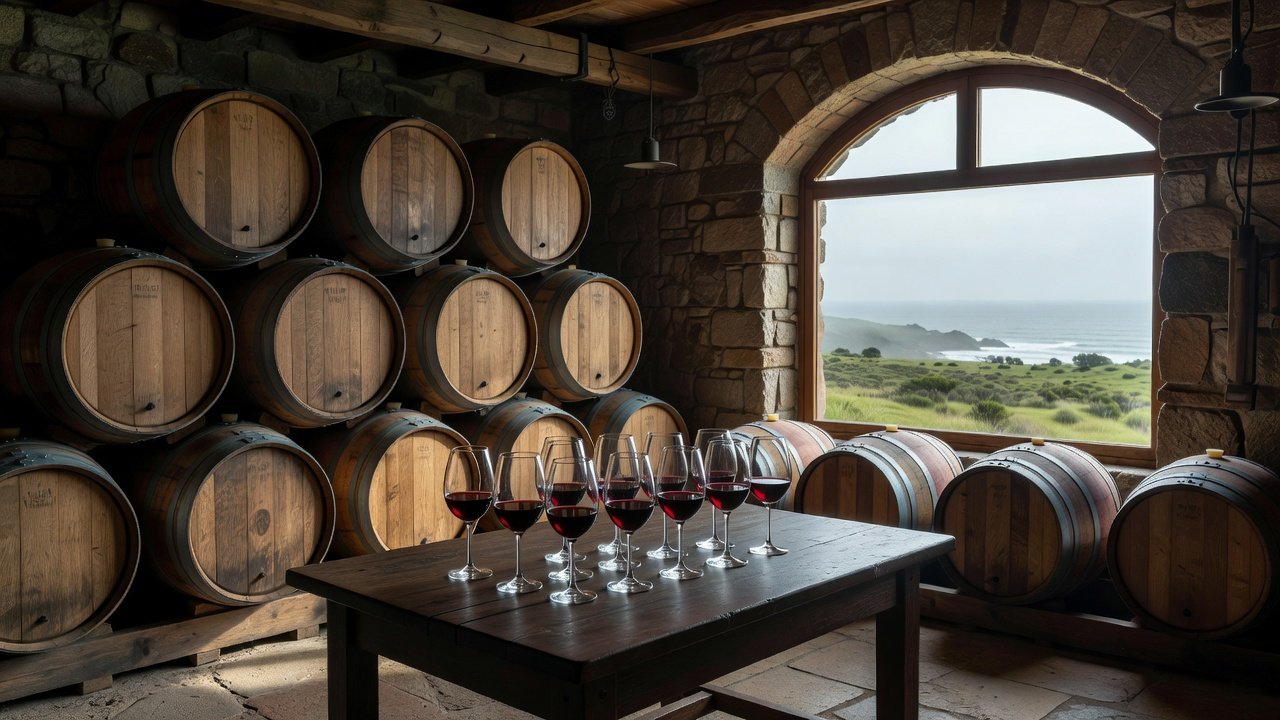
Travel Timing and Practical Visitor Advice
Optimal visits align with harvest periods or shoulder seasons for milder weather and fewer crowds. Pairings often feature local grilled meats or seafood, where Tannat's tannins cut through richness effectively. Preparation includes packing layers for variable coastal weather and comfortable shoes for vineyard terrain. Language considerations involve basic Spanish phrases, though many staff speak English. Sustainable travel practices, such as choosing low-impact operators, help preserve the delicate terroir for future visitors. UN Tourism guidelines emphasize responsible exploration of rural wine areas worldwide.
Common Questions on Timing and Pairings
- When is the best time to visit? Late summer to early fall offers peak vineyard activity with comfortable temperatures.
- What foods pair best with regional Tannat? Robust reds complement asado or fresh fish dishes from the coast.
- How to book responsibly? Prioritize operators promoting low-impact tourism to preserve the terroir.
- Are there options for non-drivers? Many tours provide round-trip transport from Montevideo hotels.
- What should first-timers expect in a tasting? Sessions typically cover aroma identification, tannin evaluation, and food matching suggestions.
Exploring these regions reveals Uruguay's commitment to quality and authenticity in its wine landscape, offering memorable experiences for beginners and enthusiasts alike.
No comments yet. Be the first!