 Uncorked Conversations
Introduction to Romania's Wine Renaissance
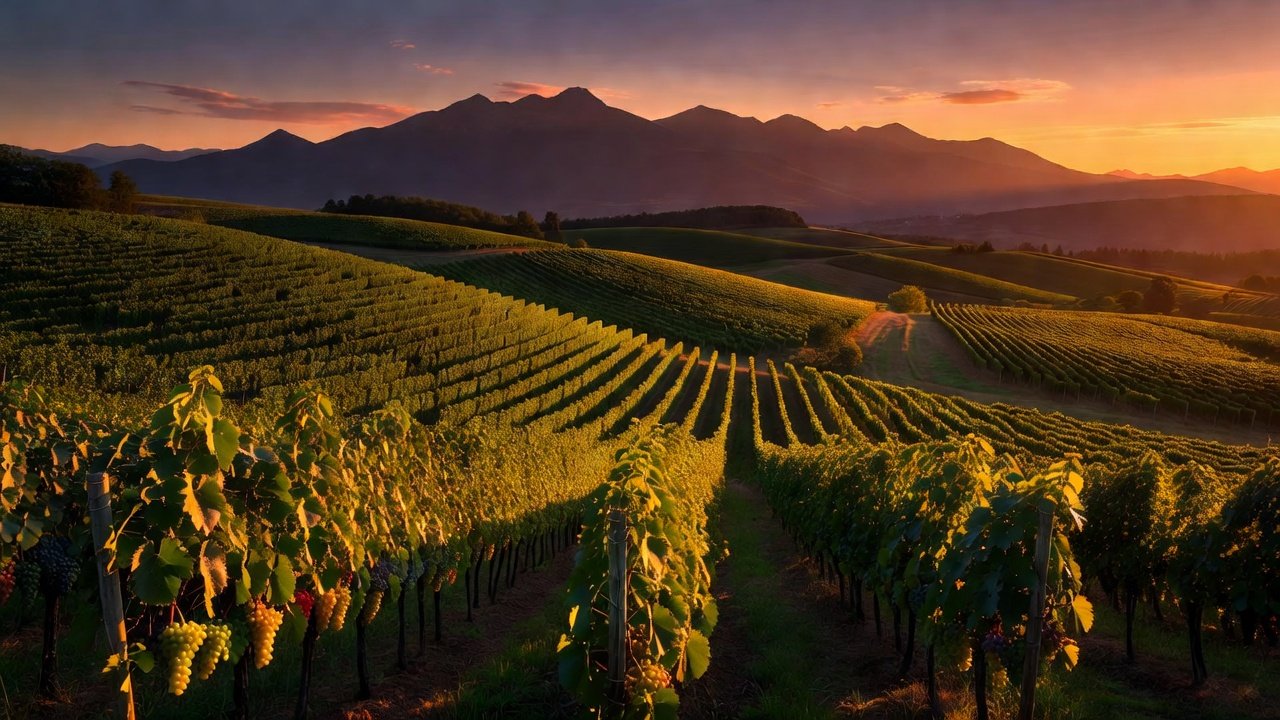
Romania boasts one of Europe's oldest winemaking traditions, yet its wine regions remain among the continent's best-kept secrets. Shaped by the dramatic Carpathian Mountains and the moderating influence of the Black Sea, the country's terroir produces distinctive wines that stand apart from more familiar French or Italian styles. This guide dives deep into key areas such as Dealu Mare and Cotnari, highlights native varieties including Feteasca Neagra and Grasa, and provides actionable insights for planning 2026 vineyard tours. Whether you are a curious beginner or an experienced wine traveler seeking undiscovered destinations, Romania offers accessible, high-quality experiences that reward exploration. The unique combination of ancient soils, diverse microclimates, and passionate producers makes it an ideal destination for 2026 travel planning, especially for those interested in sustainable and lesser-known European wine cultures.
Travelers often find that Romanian wines offer excellent value and authenticity. The country's wine industry has modernized rapidly while preserving traditional methods, creating a dynamic scene that appeals to both casual sippers and serious collectors. Understanding the terroir here requires appreciating how geography influences every bottle.
Understanding Romanian Terroir in Depth
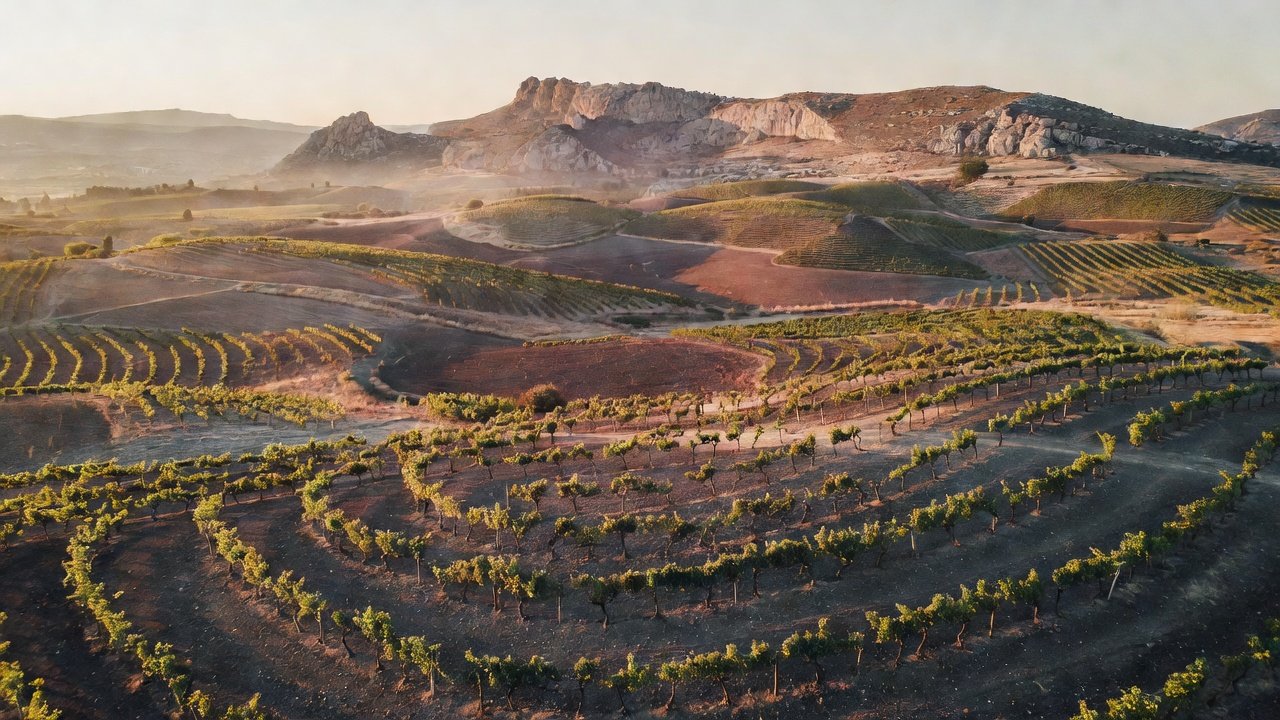
Terroir in Romania is defined by the interplay of geology, climate, and topography. The Carpathian foothills provide mineral-rich soils ranging from clay and limestone to volcanic deposits. Proximity to the Black Sea brings mild winters and extended autumns that promote slow ripening and concentrated flavors. These conditions differ markedly from the limestone plateaus of Champagne or the granite hills of the Northern Rhône, offering wine lovers fresh comparative perspectives. Many vineyards sit at elevations between 200 and 500 meters, where cool nights preserve acidity while warm days build ripe fruit character. This diurnal shift is especially beneficial for aromatic whites and structured reds. Soil diversity across regions allows for a wide spectrum of wine styles, from crisp dry whites to complex sweet wines affected by noble rot.
Climate change is also influencing these areas, with producers adapting through sustainable practices. Visitors can learn about these efforts during tours, gaining insight into how Romania's vineyards are evolving for the future.
Dealu Mare: The Premier Red Wine Region
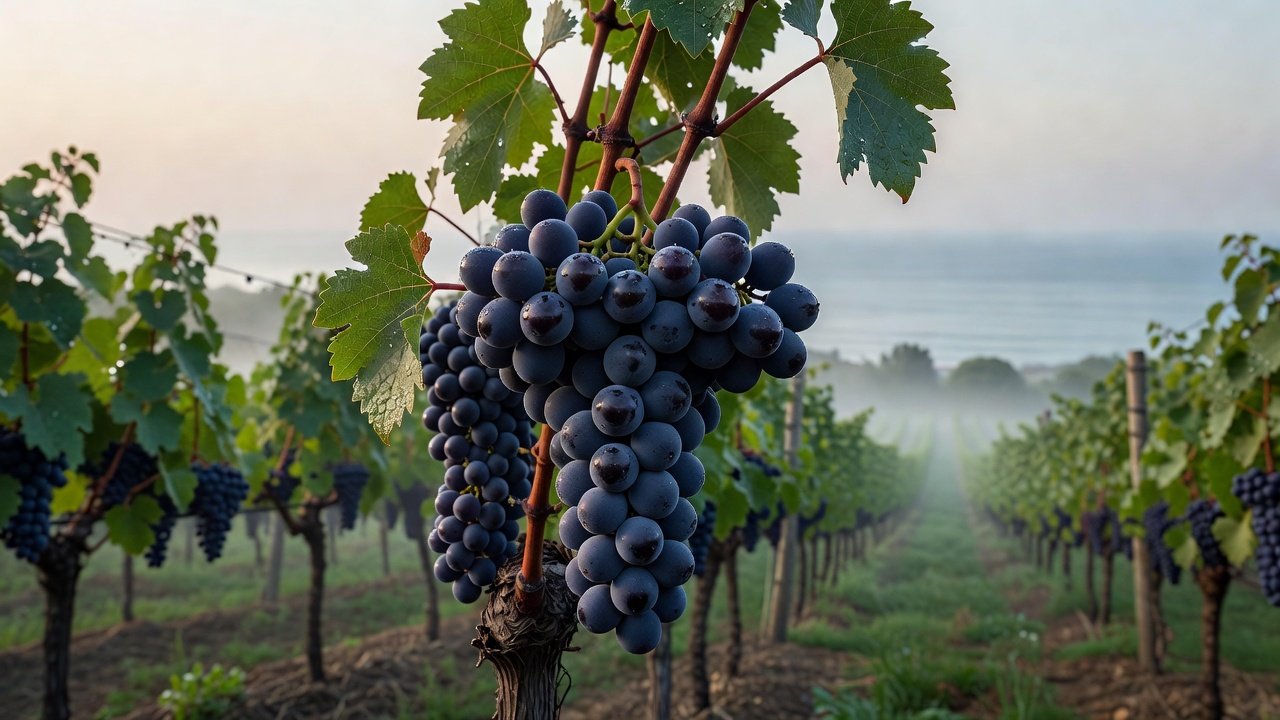
Located in Muntenia, Dealu Mare benefits from south-facing slopes protected by the Carpathians. The region excels with full-bodied reds from Feteasca Neagra, a native grape known for dark fruit, spice, and velvety tannins. Producers here often compare their wines to those of Priorat in Spain, yet with a distinctive herbal lift from local soils. Wineries such as Crama Girboiu and Dealu Mare Estate offer estate tours and tastings that showcase both traditional and modern winemaking approaches. Visitors can explore barrel cellars carved into hillsides and learn how oak aging balances the grape's natural power. The area's clay-loam soils contribute to the wines' depth and aging potential, making Dealu Mare a standout for red wine enthusiasts.
Cotnari and the Historic White Wine Legacy
In the northeast, Cotnari has produced sweet and noble rot wines for centuries. The region's cool, humid climate encourages botrytis development, resulting in luscious expressions of Grasa de Cotnari. This indigenous variety delivers honeyed apricot and floral notes reminiscent of Tokaji, yet with brighter acidity. Guided visits to Cotnari's historic cellars reveal centuries-old traditions alongside contemporary techniques. The area's limestone and marl soils contribute to the wines' signature minerality, creating balanced sweet wines that pair beautifully with desserts or aged cheeses.
Additional Regions Worth Exploring
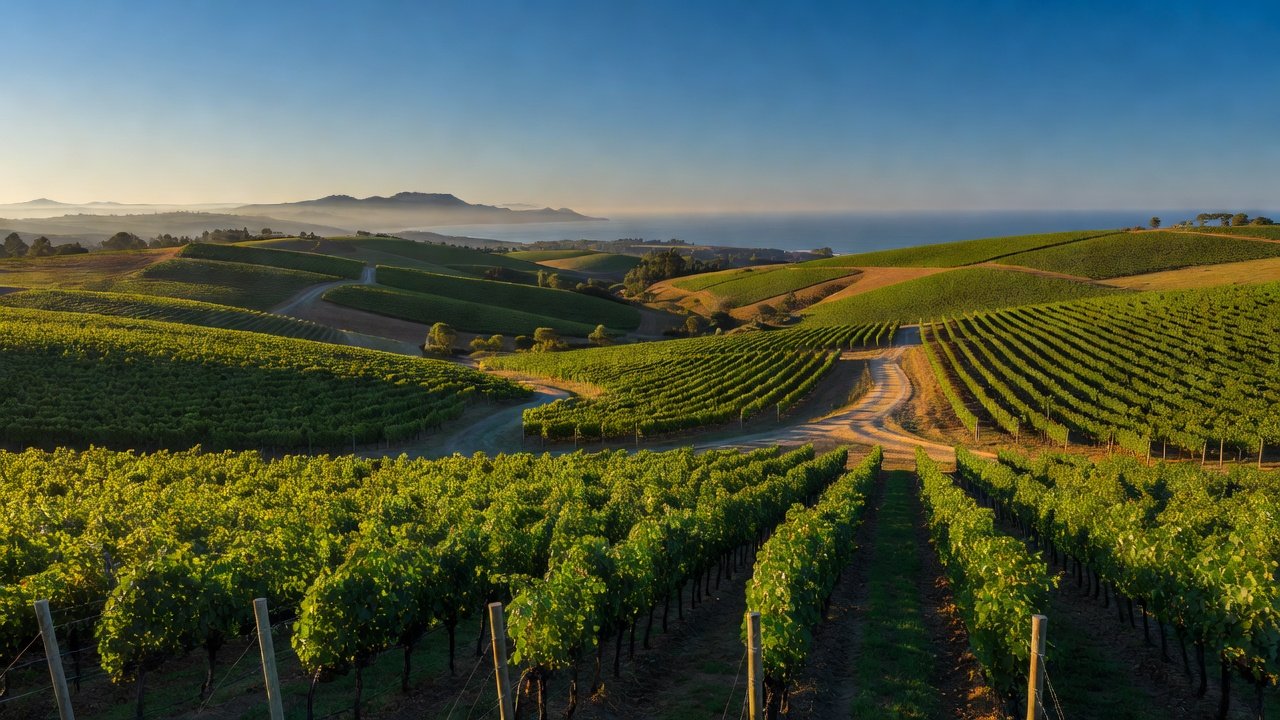
Beyond the main spots, consider Murfatlar near the Black Sea coast for elegant whites and sparkling wines, or the Vrancea hills known for robust reds and aromatic varieties. These areas offer different microclimates that expand the tasting possibilities. Tarnave in Transylvania provides cooler climate wines with vibrant acidity, ideal for those seeking crisp styles similar to Austrian Grüner Veltliner but with local twists.
Indigenous Grape Varieties Worth Discovering
Beyond Feteasca Neagra and Grasa, Romania cultivates several other native grapes that merit attention:
- Feteasca Alba: aromatic white with citrus and elderflower notes
- Tamaioasa Romaneasca: muscat-style grape producing floral, spicy wines
- Babeasca Neagra: lighter red with cherry and herbal character
These varieties thrive in Romania's diverse terroirs and rarely appear outside the country, making them exciting discoveries for adventurous palates. Learning about them enhances any tasting experience.
2026 Vineyard Tour Options and Planning Steps
Planning a 2026 wine trip to Romania starts with choosing a base region. Bucharest serves as an excellent gateway for Dealu Mare visits, while Iasi provides access to Cotnari. Most wineries welcome visitors by appointment; English-speaking guides are increasingly common. Practical steps include researching winery websites for seasonal opening hours and tour availability, booking accommodations in nearby villages or cities for easy day trips, considering combining wine tours with cultural visits to painted monasteries or medieval fortresses, and allowing flexibility for spontaneous tastings along scenic country roads. Transportation options range from private drivers to organized bus tours, and many estates provide picnic areas or restaurant facilities on site.
Comparing Romanian Terroir to Established European Regions
Romanian wines occupy an interesting middle ground. Dealu Mare reds share the concentration of Bordeaux yet offer brighter acidity similar to cooler-climate Burgundy. Cotnari sweet wines echo the complexity of Sauternes while maintaining a lighter body. These comparisons help travelers contextualize flavors and decide which Romanian styles align with their preferences. For more on global wine regions, see authoritative resources like the International Organisation of Vine and Wine.
Winery Examples and Tasting Experiences
Many estates provide seated tastings paired with local cheeses and cured meats. Some offer multi-course lunches in vineyard settings. Accessibility is high: most properties feature paved paths, and several have adapted facilities for visitors with mobility needs. FAQ sections on winery sites typically address group sizes, reservation policies, and recommended tasting flights. Examples include family-run operations that emphasize storytelling during visits, allowing guests to connect with the history behind each bottle.
Mistakes to Avoid and Accessibility Tips
Common pitfalls include underestimating travel times between regions or skipping reservations during peak season. Always confirm dietary options in advance for pairings. For accessibility, contact wineries directly about wheelchair access or sensory-friendly experiences. Public transport is limited in rural areas, so renting a car or joining guided groups is advisable for first-time visitors.
Conclusion
Romania’s wine regions deliver compelling terroir-driven experiences that reward exploration. With thoughtful planning, 2026 visitors can enjoy world-class wines, warm hospitality, and landscapes that rival any established European destination. Start your journey by researching the regions highlighted here and reach out to producers directly for the most current tour information. Additional travel insights are available through resources such as Lonely Planet.
No comments yet. Be the first!