 Uncorked Conversations
Introduction to Peloponnese Terroir
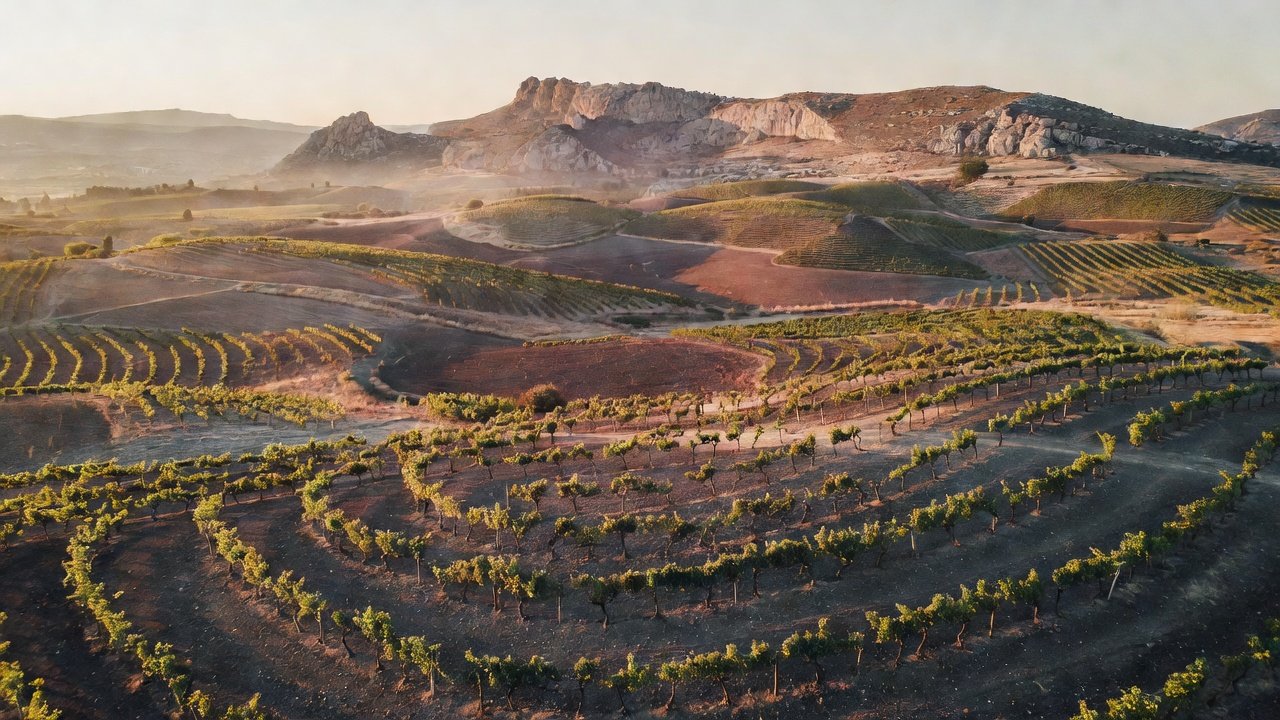
The Peloponnese peninsula stands out as one of Greece's most compelling wine regions, offering a distinctive terroir shaped by volcanic soils and limestone formations. This area provides an ideal escape for travelers seeking authentic vineyard tours away from crowded destinations. Indigenous varieties such as Agiorgitiko and Assyrtiko thrive here, producing wines that capture the unique climate variations across the landscape. With its Mediterranean climate featuring hot summers and mild winters, the Peloponnese delivers wines with remarkable complexity. Travelers planning 2026 visits will find diverse tasting experiences that highlight local traditions and sustainable practices. The region spans multiple appellations where altitude, proximity to the sea, and ancient vine stocks create layered expressions rarely found in more commercialized Greek islands.
Understanding the Unique Soils and Climate
Volcanic soils in regions like Nemea contribute minerals that enhance grape acidity and structure, while limestone in Mantinia promotes excellent drainage and freshness. These elements combine with varying altitudes and sea breezes to create microclimates that influence each vintage. The result is a range of wines from robust reds to crisp whites that reflect the land's character. Inland plateaus experience greater temperature swings, concentrating sugars and preserving natural acidity, whereas coastal zones benefit from cooling afternoon winds that extend the growing season. Climate variations across the peninsula mean that coastal areas experience more maritime influence, leading to lighter styles, whereas inland vineyards produce fuller-bodied expressions. This diversity makes the Peloponnese a prime destination for comparative tastings during organized tours. Soil pH levels and mineral content directly affect phenolic ripeness, giving wines from volcanic plots distinctive smoky undertones and those from limestone a pronounced mineral edge.
Vineyard Profiles in Nemea and Mantinia
Nemea is renowned for its Agiorgitiko grapes, which yield deep-colored reds with notes of cherry and spice. Estates here often feature historic cellars and offer guided walks through ancient vine plots. Mantinia, by contrast, excels with Assyrtiko and Moschofilero, producing aromatic whites suited to the higher elevations and cooler nights. Visitors can explore family-run operations that emphasize organic methods. These profiles illustrate how soil composition directly impacts flavor profiles, from volcanic-driven intensity in Nemea to limestone-driven elegance in Mantinia. Additional estates in the area cultivate blends that highlight both varieties, allowing tasters to sample side-by-side comparisons of single-vineyard expressions. Many producers maintain small production volumes to preserve quality, resulting in wines that showcase the peninsula's biodiversity and traditional pruning techniques passed down through generations.
Seasonal Tasting Experiences
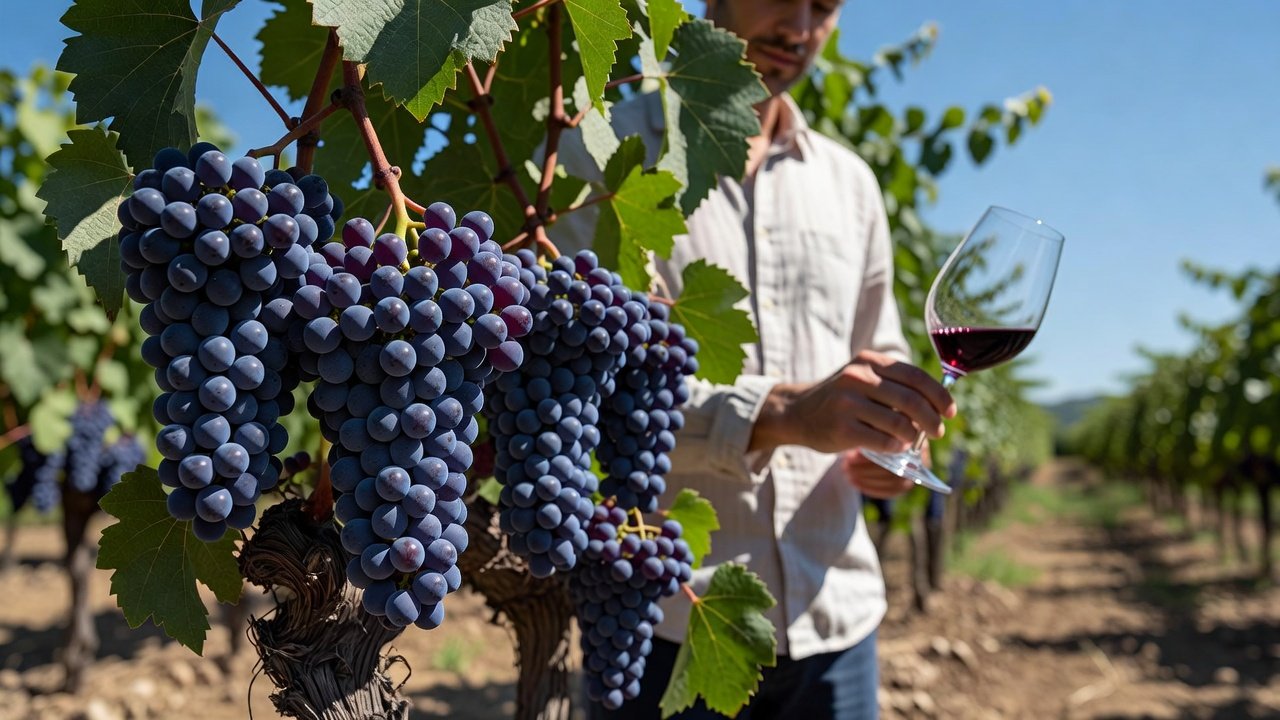
Spring brings blooming vineyards ideal for educational tours, while autumn harvest periods allow participation in grape picking and pressing demonstrations. Summer tastings often occur under pergolas with panoramic views, pairing wines with local cheeses and olives. Winter visits focus on indoor barrel tastings that reveal aging processes. Each season highlights different aspects of the terroir, helping enthusiasts understand how climate affects the final product. Many estates extend hours during peak tourist months to accommodate growing interest in Peloponnese wines. Spring tours often include wild herb identification walks that connect flora to wine aromatics, and harvest events feature communal meals prepared with ingredients grown alongside the vines.
Practical Planning for 2026 Vineyard Tours
Start by researching flight options into Athens or Kalamata airports, then arrange private transfers or rental cars for flexibility. Book estate visits in advance, especially for smaller producers. Consider guided group tours that include multiple stops and transportation. Prepare by studying grape varieties beforehand and packing comfortable shoes for vineyard walks. Optimal timing aligns with harvest in September or shoulder seasons for fewer crowds. Resources like Visit Greece provide updated regional information to support itinerary planning. Additional steps include checking ferry connections if combining with island visits and verifying current visa requirements for international travelers. A detailed checklist helps avoid common oversights such as confirming tasting reservations or ensuring appropriate attire for variable mountain weather.
- Research and reserve at least three months ahead for popular estates
- Map driving routes between Nemea and Mantinia to minimize travel time
- Pack layered clothing for temperature shifts at higher elevations
- Arrange for a designated driver or join organized shuttles
- Review winery websites for current tasting menus and dietary options
Estate Recommendations and Visitor Examples
Recommended estates include those offering vertical tastings of multiple vintages alongside food pairings. One example involves a full-day itinerary starting in Nemea with lunch, followed by Mantinia visits featuring sunset views. These experiences often include discussions on sustainable viticulture. Travelers report memorable encounters with winemakers who share stories of generational practices. Such personalized touches distinguish Peloponnese tours from more commercialized Greek wine regions. Several estates also provide overnight stays in restored stone buildings, allowing deeper immersion through morning vineyard walks and evening library tastings of library wines.
Comparisons to Other Greek Wine Areas
Unlike the volcanic intensity of Santorini or the island-focused tourism of Crete, Peloponnese offers continental scale with easier road access. It provides similar indigenous grape focus but with greater variety in soil types and fewer international crowds. This makes it suitable for repeat visits exploring different sub-regions. The peninsula's proximity to ancient sites also adds cultural depth absent in some northern Greek appellations. Enthusiasts appreciate the balance of accessibility and authenticity found here. Road infrastructure allows seamless transitions between appellations without the logistical challenges of island hopping.
FAQ on Peloponnese Wine Tours
Is the region accessible for first-time visitors?
Yes, with English-speaking guides and well-marked routes, the Peloponnese welcomes newcomers. Major estates provide clear signage and introductory sessions.
What foods pair well with local wines?
Agiorgitiko reds complement grilled meats, while Assyrtiko whites suit seafood and salads. Traditional pairings enhance the tasting experience.
When is the best time to visit?
April through June and September to October offer ideal weather for outdoor activities and harvest events without peak summer heat.
How do I handle transportation between estates?
Many visitors opt for private drivers or small-group tours to navigate winding roads safely while enjoying tastings responsibly.
Are there options for non-drinkers or children?
Most estates offer grape juice tastings, vineyard tours, and picnic areas suitable for families.
Conclusion
The Peloponnese delivers an enriching wine journey rooted in its exceptional terroir. By focusing on indigenous grapes and varied landscapes, 2026 visitors can enjoy meaningful tours that celebrate Greek regional excellence. Plan thoughtfully to maximize this less-explored gem and return home with a deeper appreciation for the peninsula's distinctive wines.
No comments yet. Be the first!