 Uncorked Conversations
Introduction to Ribera del Duero Terroir
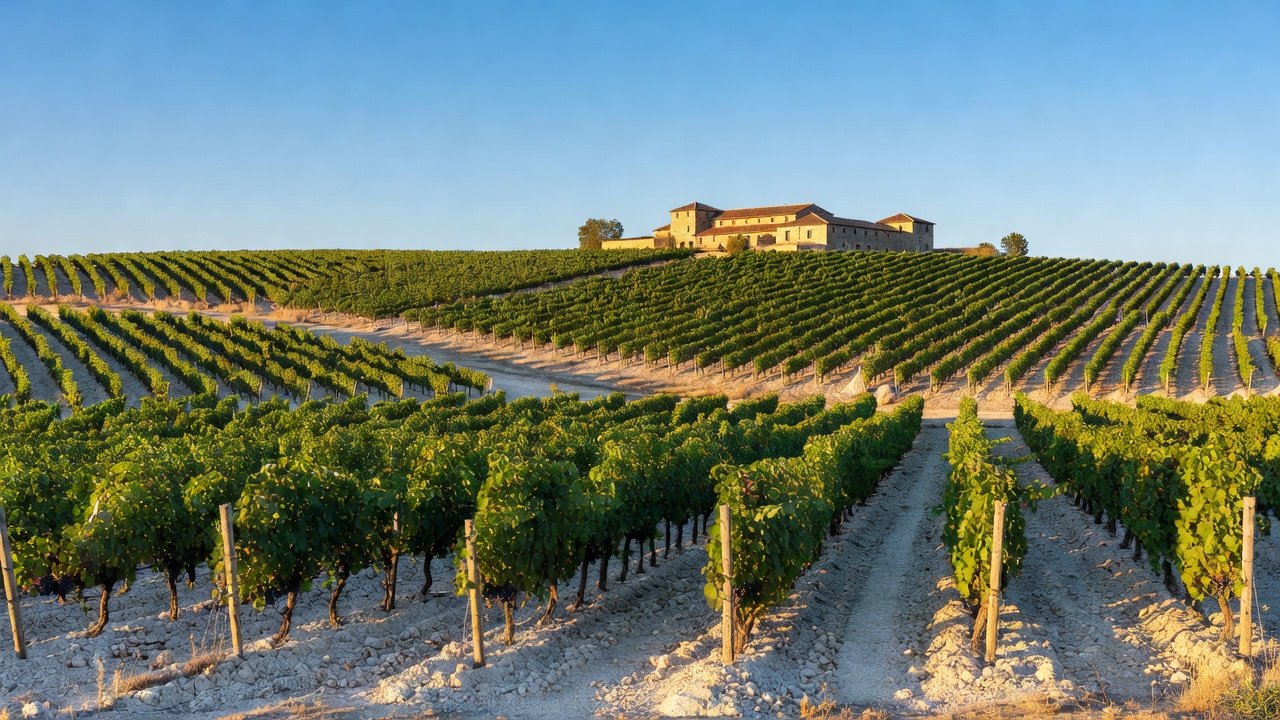
Ribera del Duero stands as one of Spain's premier wine regions, renowned for producing powerful, age-worthy reds primarily from Tempranillo grapes. For first-time visitors planning 2026 wine tours, understanding the terroir—the unique combination of soil, climate, altitude, and grape varieties—is essential to appreciating why these wines differ dramatically from those of neighboring areas. The region’s continental climate, with extreme temperature variations between scorching summer days and freezing winter nights, creates ideal conditions for concentrated fruit flavors. Vineyards sit at elevations between 700 and 1,000 meters above sea level, where cool nights help retain vibrant acidity even as grapes achieve full ripeness under intense sunlight. This beginner’s guide delves deeply into these elements so travelers can make informed choices when selecting tours and interpreting what they taste.
Whether you are a complete novice or simply new to this specific Spanish denomination, grasping how terroir influences every bottle will enhance your experience. The Duero River carves through the landscape, moderating temperatures in valley floors while higher plateaus endure more extreme conditions. As you plan your 2026 itinerary, knowing these nuances helps you prioritize visits to estates that highlight particular soil types or microclimates.
Mapping the Major Subzones of Ribera del Duero
The Denominación de Origen Ribera del Duero covers a 115-kilometer stretch along the Duero River. Key subzones include the western area around Peñafiel, known for limestone-heavy soils that produce elegant, structured wines with pronounced minerality; the central zone near Aranda de Duero featuring clay and alluvial deposits that yield fuller-bodied, fruit-forward expressions; and eastern sectors closer to Soria with higher altitudes and cooler conditions that deliver fresher, more aromatic profiles. Additional pockets around Roa and La Horra offer unique blends of sand and gravel that soften tannins while preserving color intensity. Visit the official Ribera del Duero site for interactive maps and detailed subzone descriptions before finalizing your 2026 tour bookings. Understanding these geographic distinctions allows beginners to select experiences that match their palate preferences, whether seeking bold power or refined elegance.
How Soil, Altitude, and Tempranillo Shape the Wines
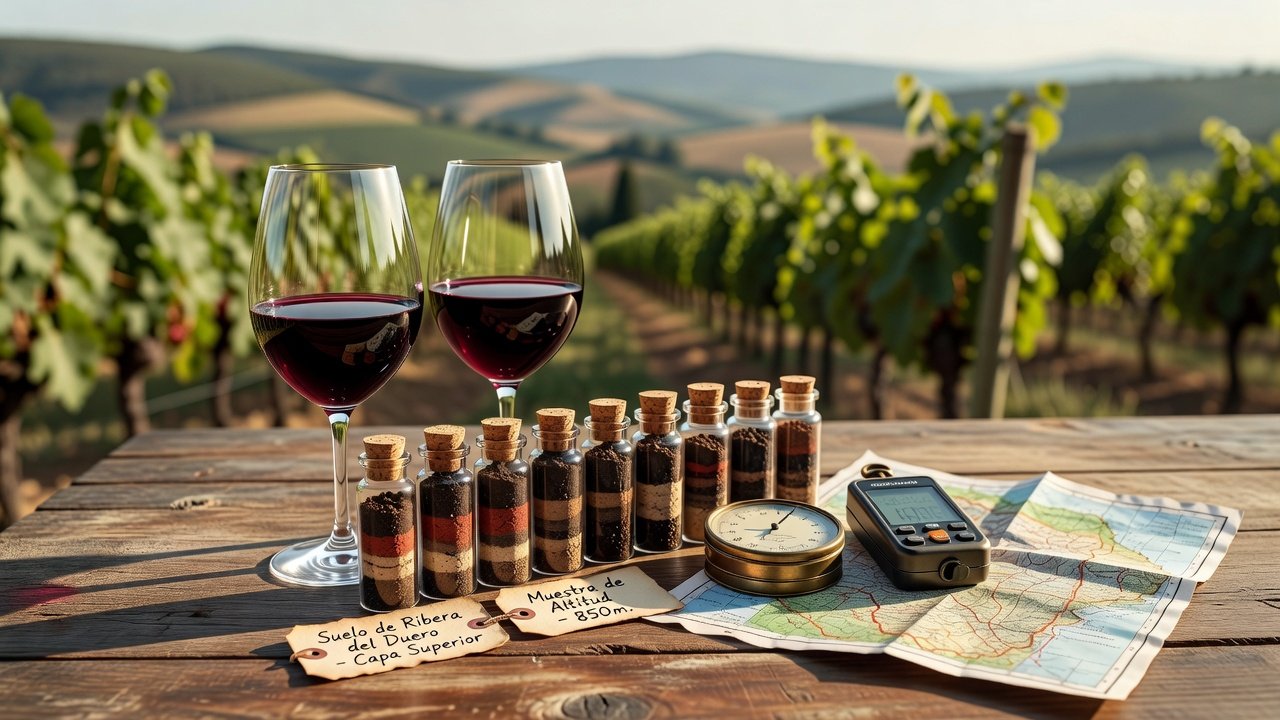
Terroir in Ribera del Duero revolves around three interconnected pillars. Limestone and chalk soils contribute bright minerality, firm structure, and excellent aging potential by regulating water retention and supplying essential minerals to the vines. Higher altitudes slow the ripening process, preserving natural acidity and allowing delicate floral and red-fruit aromas to develop alongside the signature dark-berry notes. Tempranillo, locally known as Tinto Fino or Tinta del País, thrives in these conditions thanks to its thick skins that accumulate intense color, tannins, and complex secondary flavors during extended maturation. In lower valley areas with sandy soils, wines tend toward approachability and plush textures, while plateau sites produce more austere, long-lived bottlings. These variations become especially evident during guided tastings on vineyard tours.
Tasting Notes Influenced by Terroir
Wines from limestone-rich plateaus frequently display aromas of red cherry, graphite, dried herbs, and subtle earthiness paired with mouth-coating tannins that soften over five to ten years of cellaring. Alluvial valley-floor expressions lean toward ripe blackberry, plum, mocha, and vanilla from judicious oak aging, offering rounder mouthfeel and earlier drinkability. Higher-elevation parcels yield wines with lifted violet and rose-petal notes alongside crisp acidity that supports decades of development. During 2026 tours, pay attention to how these profiles shift between estates only a few kilometers apart; many producers offer vertical tastings that illustrate vintage and terroir differences side by side.
Comparing Ribera del Duero to Rioja Styles
While both regions rely heavily on Tempranillo, Rioja wines typically exhibit greater oak influence, softer acidity, and more pronounced vanilla and coconut notes due to lower altitudes and Atlantic climate moderation. Ribera del Duero bottlings tend to be more concentrated, tannic, and age-worthy, with darker fruit and mineral-driven backbones that reward patience. Travelers often schedule combined itineraries to taste both styles consecutively, gaining a clearer appreciation for how elevation and soil dramatically alter the same grape variety. Spain’s official tourism portal provides regional comparison resources that complement estate visits.
Three Standout Estates to Visit
Vega Sicilia offers iconic, limited-production wines from historic limestone vineyards; visitors can expect in-depth tours covering centuries-old winemaking traditions and rare library tastings. Dominio de Pingus showcases extreme attention to detail in tiny high-altitude plots, with intimate group experiences highlighting biodynamic practices and single-vineyard expressions. Bodegas Arzuaga provides a welcoming introduction for beginners with modern facilities, diverse terroir samplings across its estate, and scenic views that illustrate altitude effects firsthand. Booking these in advance for 2026 ensures availability, especially during peak harvest months.
Step-by-Step Tips for Selecting 2026 Vineyard Tours
- Research subzone focus thoroughly—choose operators emphasizing specific soils or altitudes that align with your taste preferences and curiosity about terroir.
- Verify operator credentials, insurance coverage, and recent guest reviews to guarantee small-group, educational experiences rather than rushed commercial visits.
- Book early, particularly for September and October harvest periods when demand peaks and many estates limit visitor numbers.
- Confirm inclusions such as private tastings, transportation between sites, and optional lunch pairings to avoid unexpected costs on arrival.
- Decide between private and group formats based on your party size, desired pace, and interest in personalized terroir explanations from winemakers.
Packing Essentials for Vineyard Visits
- Comfortable, closed-toe walking shoes suitable for uneven vineyard paths and gravel surfaces.
- Layered clothing to accommodate dramatic day-to-night temperature swings common at high elevations.
- Broad-spectrum sunscreen, wide-brimmed hat, and sunglasses to protect against intense high-altitude UV exposure.
- Small notebook or phone app for recording tasting impressions and terroir observations.
- Reusable water bottle and light snacks to stay hydrated and balanced between multiple wine samples.
- Light jacket or windbreaker for cooler mornings and evenings during shoulder seasons.
Pairing Regional Wines with Local Cuisine
Robust Ribera reds pair beautifully with roasted lamb, chorizo sausage, and aged Manchego cheese, where the wine’s tannins cut through rich fats. Lighter vintages complement grilled seasonal vegetables, wild mushroom dishes, and fresh goat cheeses. Many estates feature on-site restaurants serving traditional lechazo (roast suckling lamb) or cocido, allowing visitors to experience authentic food-and-wine harmony directly from the terroir that produced both.
FAQ: Common Questions About Weather and Booking
What weather should I expect during 2026 tours?
Spring and fall deliver mild daytime temperatures perfect for outdoor vineyard walks. Summers bring heat but early-morning tastings remain comfortable, while winters offer dramatic landscapes and fewer crowds at many estates.
How far ahead must I reserve tours?
Popular estates require bookings three to six months in advance, especially around harvest when availability fills quickly.
Are tours appropriate for complete beginners?
Yes, most operators include introductory sessions covering basic terroir concepts, grape varieties, and tasting techniques before any sampling begins.
Conclusion
Mastering the fundamentals of Ribera del Duero terroir transforms a standard wine tour into a deeply rewarding journey of discovery. With thorough preparation around subzones, standout estates, packing lists, and pairing ideas, your 2026 visit will provide lasting appreciation for one of Spain’s most compelling and distinctive wine regions.
No comments yet. Be the first!