 Uncorked Conversations
Introduction to Provence Rosé Terroir
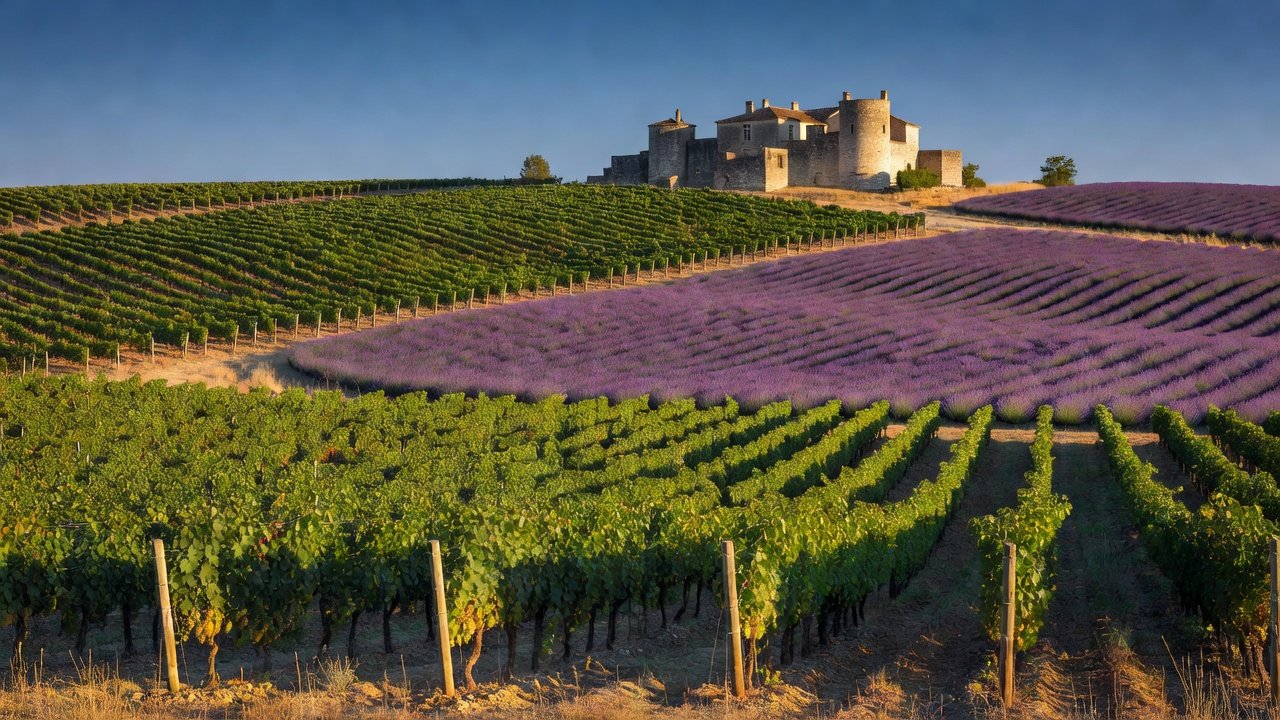
Provence stands as the birthplace of rosé wine, where the unique combination of soil, climate, and grape varieties creates distinctive styles enjoyed worldwide. This beginner-friendly guide explores the region's terroir in depth and its direct impact on the pale, elegant rosés that have become global favorites. Visitors planning trips in 2026 will find detailed recommendations for vineyard tours, tasting itineraries, and practical advice to make the most of their journey through this sun-drenched corner of southern France. Understanding terroir helps explain why Provence rosé tastes different from other wines and how microclimates shape every bottle.
Understanding Terroir in Provence
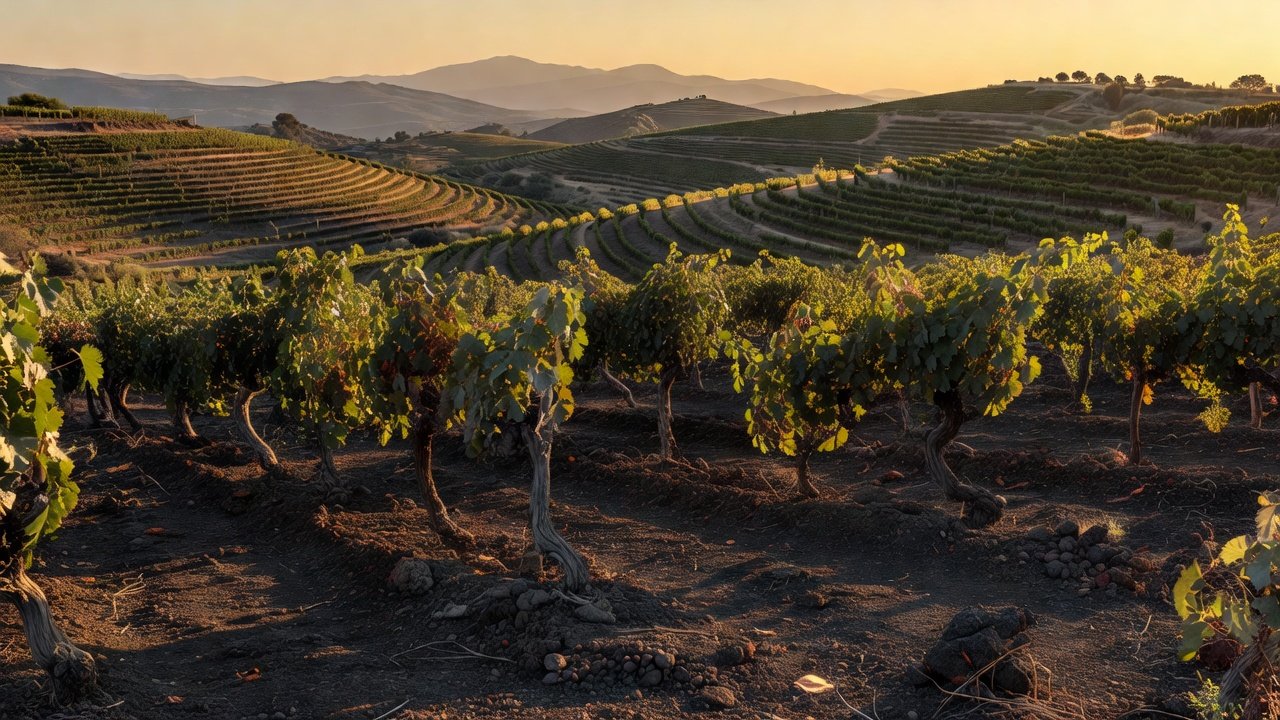
Terroir encompasses soil composition, microclimates, topography, and traditional winemaking practices that together define a wine's character. In Provence, the Mediterranean climate features hot, dry summers and mild winters, moderated by the powerful Mistral wind that keeps vines healthy by reducing humidity and disease pressure. Soils vary dramatically across the landscape, from limestone and clay that provide structure and minerality to schist and sandstone that contribute freshness and aromatic complexity. These elements influence acidity levels, tannin structure, and the expression of fruit and herbal notes in the finished rosés. The result is a spectrum of styles ranging from crisp and floral to more robust and age-worthy expressions.
Bandol Subregion
Bandol is renowned for its clay-limestone soils that retain moisture effectively during dry summers, supporting the late-ripening Mourvèdre grape. Coastal sea breezes create a cooling effect that preserves acidity, yielding structured rosés with layers of red berry fruit, garrigue herbs, and subtle spice. These wines often show greater depth and can develop complexity with a few years of aging, setting them apart from lighter everyday rosés. Estates here emphasize sustainable practices to maintain the balance of this distinctive terroir.
Côtes de Provence
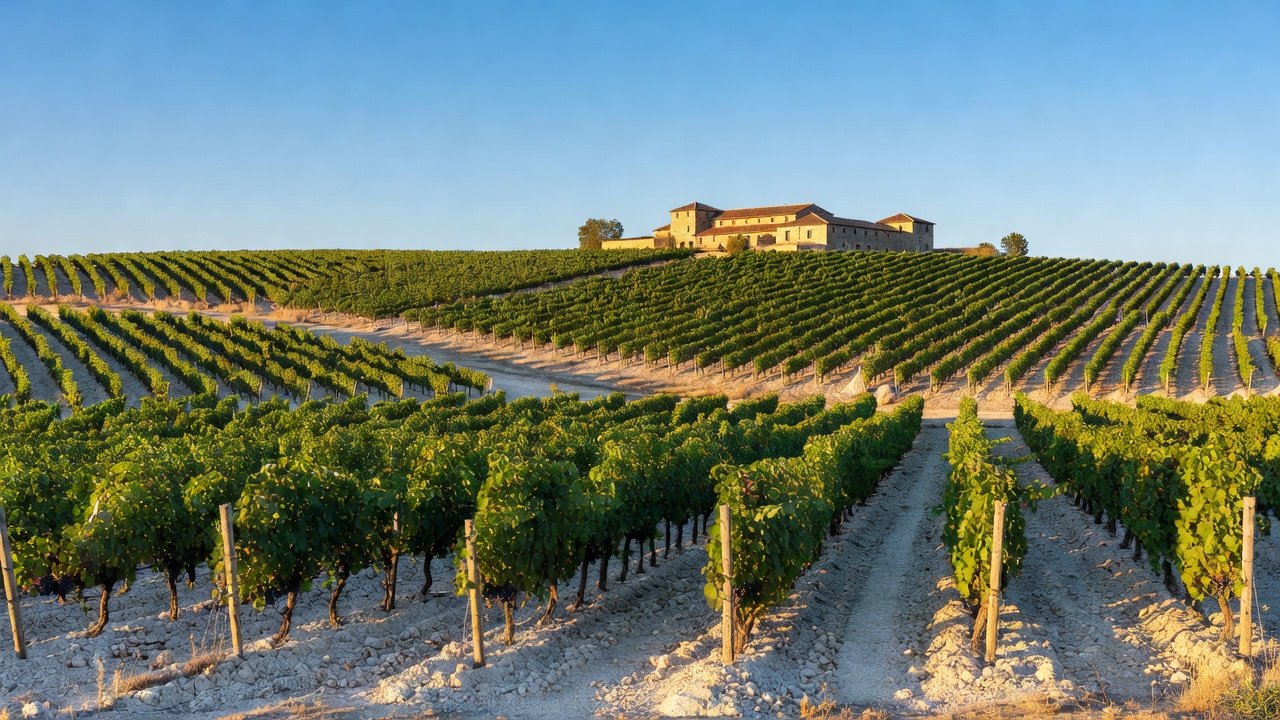
As the largest and most varied subregion, Côtes de Provence spans limestone plateaus, rolling hills, and coastal alluvial soils. Grenache forms the backbone of most blends, complemented by Cinsault for softness and Syrah for color and spice. Microclimates shift from cooler inland hills that produce higher-acidity wines to warmer coastal plains yielding riper fruit profiles. The diversity allows for both entry-level crisp rosés and more premium cuvées with pronounced floral and citrus aromas that reflect the varied geology.
Cassis
Cassis benefits from dramatic limestone cliffs and direct Mediterranean influence, creating a sheltered microclimate ideal for white varieties yet also supporting elegant rosés. Clairette and Grenache grapes here develop a signature mineral edge and faint saline quality from the proximity to the sea. The wines tend to be lighter in body with bright acidity, perfect for pairing with local seafood.
Deep Dive into Key Grape Varieties
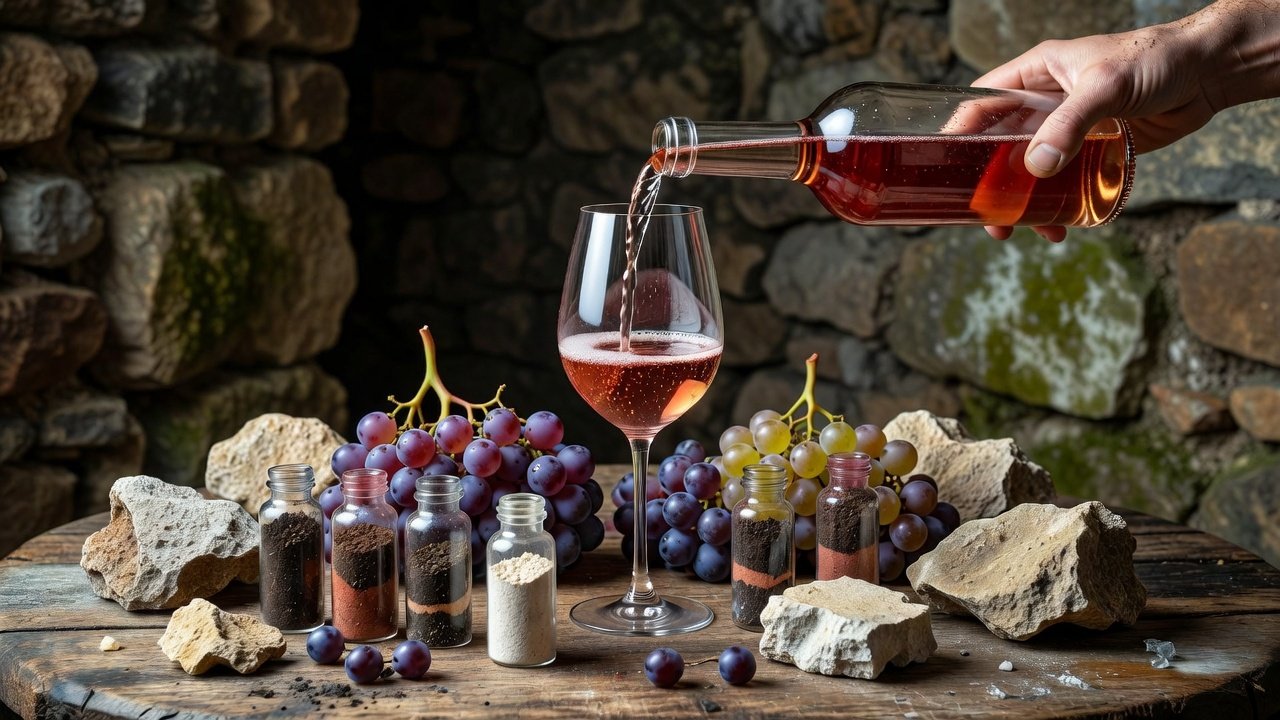
Provence rosé production relies on a small set of permitted varieties that thrive in the local conditions. Grenache provides juicy red fruit and body, while Cinsault adds delicate aromatics and pale color. Mourvèdre contributes structure and dark fruit notes, and Syrah brings peppery spice and vibrant hue. Tibouren, a local specialty, offers unique herbal and floral qualities in certain coastal areas. Winemakers often use direct pressing or short skin contact to achieve the signature pale pink hue without extracting heavy tannins.
Planning Your 2026 Vineyard Tours
Successful 2026 visits require advance planning around weather patterns and harvest schedules. Spring and early fall deliver comfortable temperatures and blooming landscapes or golden light ideal for photography. Base yourself in Aix-en-Provence for easy access to multiple routes, including the scenic drives through the Luberon hills or along the Bandol coast. Many estates now offer terroir-focused tours that include soil pit demonstrations and blind tastings to highlight differences between subregions.
Sample Multi-Day Tasting Itinerary
- Day 1: Focus on Côtes de Provence with morning visits to two estates near Sainte-Victoire mountain, including a guided walk through limestone vineyards followed by comparative tastings of Grenache-dominant blends.
- Day 2: Travel to Bandol for Mourvèdre-centric experiences, including a lunch pairing at a family-run domaine and an afternoon cellar tour emphasizing clay soil influences.
- Day 3: Head east to Cassis for a morning boat trip combined with cliffside vineyard exploration, sampling mineral-driven rosés alongside local seafood.
- Day 4: Optional extension into the Var hinterland for lesser-known producers experimenting with organic methods.
Practical tips include confirming reservations at least eight weeks ahead during peak months, wearing sturdy footwear for uneven vineyard terrain, and arranging private drivers or train connections to navigate the winding roads safely. Many tours now incorporate electric bike options for eco-conscious travelers.
Comparing Provence Rosé Styles with Other French Regions
Provence rosés stand out for their pale color, elegant balance, and signature herbal undertones shaped by Mediterranean terroir. In contrast, Loire Valley rosés from Cabernet Franc often display higher acidity and red currant notes with a touch of green pepper. Languedoc produces bolder, more fruit-forward versions with deeper color from warmer inland sites. Burgundy offers rare Pinot Noir rosés that emphasize earth and red berry purity. These differences stem directly from soil types and climate variations across France. For authoritative information on French wine regions, visit Vins de Provence and France.fr.
Pairing Ideas with Local Provence Cuisine
The bright acidity and subtle fruit of Provence rosé make it exceptionally versatile with regional dishes. Classic pairings include bouillabaisse, where the wine cuts through rich saffron broth, or grilled lavender-honey chicken served with ratatouille. Lighter styles complement fresh goat cheese salads drizzled with olive oil, while structured Bandol rosés stand up to herb-crusted lamb or tapenade on toasted bread. Experiment with local markets to source ingredients that echo the wines' garrigue and citrus notes.
Practical Tips and Common Mistakes to Avoid
Beginners should prioritize smaller producers over large cooperatives for more personal terroir insights. Always request explanations of soil types during tastings and take notes on how each wine reflects its origin. Avoid visiting during the August harvest rush when staff availability is limited. Pack sunscreen and water for outdoor tastings, and consider joining organized group tours if navigating independently feels overwhelming. Sustainable tourism practices, such as supporting estates with organic certifications, enhance the overall experience.
Conclusion
Provence's diverse terroir continues to produce rosés that capture the essence of the Mediterranean landscape. With careful planning, 2026 visitors can immerse themselves in vineyard tours, comparative tastings, and memorable food pairings that deepen appreciation for these iconic wines.
FAQ
How far in advance should I book 2026 vineyard tours? Popular estates recommend reservations two to three months ahead, especially for weekend slots during spring and fall.
What grape varieties define Provence rosé? Grenache, Cinsault, Mourvèdre, Syrah, and occasionally Tibouren form the core of most blends.
Are there non-alcoholic options reflecting the same terroir? Several estates now produce high-quality dealcoholized rosés that preserve the mineral and fruit character of their traditional counterparts.
Which subregion offers the best beginner-friendly tastings? Côtes de Provence estates often provide the most accessible introductions with clear explanations of soil and climate effects.
How does the Mistral wind affect the wines? The wind reduces humidity, leading to healthier grapes and wines with brighter acidity and cleaner fruit profiles.
No comments yet. Be the first!