 Uncorked Conversations
Discovering the Peloponnese: Greece's Emerging Wine Frontier
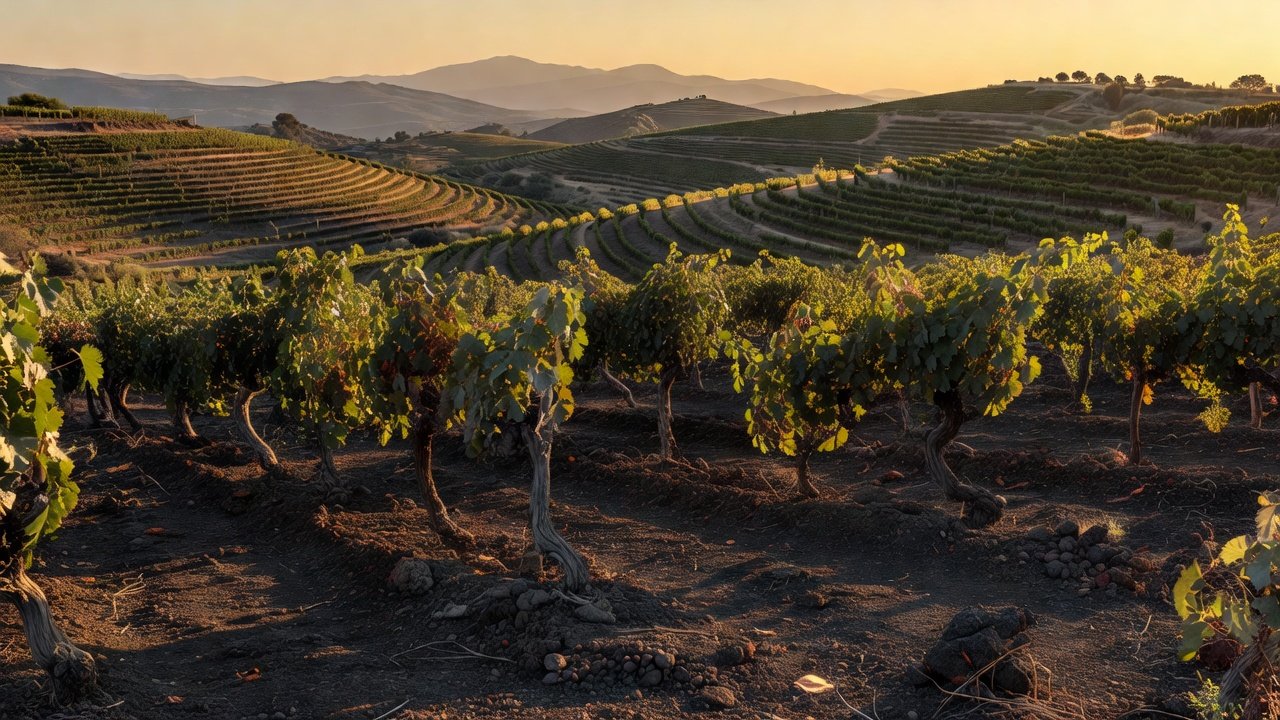
The Peloponnese peninsula offers one of Greece's most exciting yet under-the-radar wine experiences. With volcanic soils, high-altitude mountain vineyards, and a climate that ranges from Mediterranean coastal breezes to cooler inland elevations, this region produces distinctive wines that stand apart from more famous destinations like Santorini. For travelers seeking 2026 vineyard tours that feel authentic and uncrowded, the Peloponnese delivers a perfect blend of educational terroir insights and practical tasting opportunities. The peninsula's history of winemaking stretches back thousands of years, with evidence of ancient viticulture found in archaeological sites near ancient Nemea and Olympia. Today, modern producers blend tradition with sustainable practices to create wines that reflect the land's unique character.
Beginner wine enthusiasts will find the area especially welcoming. Local producers emphasize native varieties while welcoming visitors with English-language tours and approachable tastings. The focus remains on quality over quantity, allowing deeper connections with both the land and the winemakers. Unlike busier island destinations, Peloponnese estates often host small groups, fostering conversations about soil composition, grape selection, and fermentation techniques.
Understanding Peloponnese Terroir in Depth
Terroir in the Peloponnese is remarkably varied. Volcanic ash deposits contribute minerality to many wines, while limestone-rich mountain slopes add structure and acidity. Coastal areas benefit from sea breezes that moderate temperatures, and higher elevations provide the diurnal shifts needed for complex flavor development. These elements combine to create wines with bright acidity, elegant tannins, and unique aromatic profiles. For example, vineyards planted on former volcanic fields near the Gulf of Corinth often yield wines with a distinctive smoky edge, while those on the slopes of Mount Mainalo show pronounced herbal and citrus notes due to cooler nights.
Compared to Santorini's dramatic volcanic caldera wines, Peloponnese expressions often show more fruit-forward notes balanced by earthy undertones. The region's diversity means a single day's tour can showcase multiple microclimates and soil types, from red clay in the lowlands to schist and granite at elevation. This variation allows visitors to taste how elevation and aspect influence the final glass, providing a hands-on lesson in geography and viticulture.
Key Soil Types and Their Impact
Volcanic soils dominate in areas like Nemea, imparting a signature minerality. Limestone helps retain moisture during dry summers, supporting older vines. Alluvial deposits near rivers add fertility but require careful canopy management to control vigor. Understanding these factors helps explain why Peloponnese wines can age gracefully and pair so well with local foods.
Signature Native Grapes and Their Characteristics
Two varieties dominate the conversation. Agiorgitiko produces full-bodied reds with plush cherry and spice notes, thriving in the Nemea area where the warm days and cool nights allow slow ripening. Assyrtiko, famous on Santorini, finds new expression here with crisp citrus, herbal, and saline qualities in the cooler highland vineyards. Other notables include Moschofilero for aromatic whites with rose and lychee hints and Mavrodaphne for sweet reds that have been part of Greek winemaking for centuries. Each grape responds differently to the varied terroir, giving winemakers a broad palette to work with.
Top Sub-Appellations to Visit
Nemea stands out for its Agiorgitiko reds grown on red clay and limestone soils. Mantinia offers high-altitude Moschofilero and Assyrtiko with vibrant acidity. The slopes of Aigialia near the Corinthian Gulf provide excellent coastal-influenced whites. These zones remain less commercialized than island hotspots, preserving an intimate visitor experience. Additional emerging spots include the Corinthia region and the hills around Tripoli, where boutique producers experiment with blends that highlight both native and international varieties.
Seasonal 2026 Vineyard Tour Itineraries
Spring tours highlight blooming vineyards and early tastings amid wildflowers. Summer focuses on harvest preparations with outdoor lunches overlooking the vines. Autumn brings the excitement of grape picking and fermentation visits, where visitors may join in gentle stomping or barrel sampling. Winter offers cozy barrel tastings in historic estates warmed by fireplaces. A typical three-day route starts in Nemea with morning vineyard walks, moves to Mantinia for afternoon tastings, and ends with coastal stops near Patras featuring seafood pairings. Four-day extensions can include mountain hikes between estates or visits to ancient ruins paired with wine education sessions.
Practical planning begins with booking directly through boutique estates. Most offer guided walks, tastings, and light meals. First-time visitors should allow time between sites for the winding mountain roads and consider hiring a local driver familiar with the routes.
Boutique Estates Offering Tastings
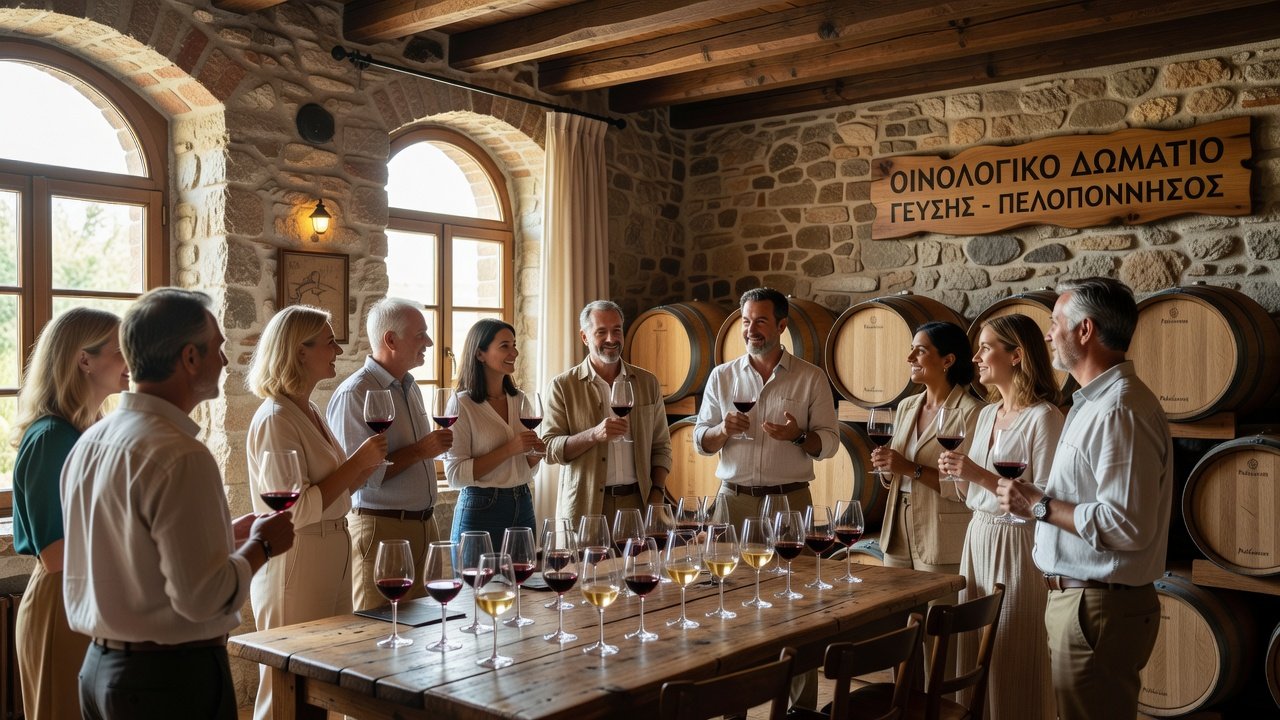
Estates such as Gaia Wines in Nemea and Tselepos in Mantinia provide structured tastings that explain terroir influences. Many feature restored stone buildings and terraced vineyards that illustrate the dramatic landscape. Reservations are essential for 2026, especially during peak harvest months. Other notable stops include Ktima Mercouri near Pyrgos and Domaine Skouras in Argos, each offering unique perspectives on regional winemaking traditions.
Step-by-Step Planning Advice for First-Time Visitors
- Choose shoulder seasons (April-May or September-October) for milder weather and smaller groups, avoiding summer heat and holiday crowds.
- Base yourself in Nafplio or Tripoli for central access to multiple appellations and easy day trips.
- Rent a car or arrange private transfers, as public transport between vineyards is limited and schedules can be unpredictable.
- Contact estates in advance to confirm English-speaking guides, dietary options, and any required deposits or group size limits.
- Pair visits with local tavernas serving regional specialties such as souvlaki, fresh cheeses, and olive oil dishes.
- Pack layers for temperature changes at elevation and comfortable walking shoes for vineyard paths that may be uneven.
Pairing Peloponnese Wines with Local Cuisine
Agiorgitiko pairs beautifully with grilled lamb and tomato-based dishes common in the region. Assyrtiko complements seafood meze and fresh salads drizzled with local olive oil. Moschofilero works well with herb-forward poultry and light appetizers. Many estates now offer curated food pairings that highlight these matches, turning a tasting into a full sensory experience. Visitors often learn how to balance acidity with richness or tannins with protein through guided sessions led by sommeliers or winemakers themselves.
Frequently Asked Questions
Is the Peloponnese suitable for beginners?
Yes. Most estates provide clear explanations without jargon and offer flights that progress from light to complex wines, making the experience educational and enjoyable for newcomers.
How does it compare to Santorini?
Peloponnese offers greater variety in soil types and fewer crowds, though Santorini remains iconic for its dramatic setting and unique volcanic wines. The Peloponnese provides a more diverse and relaxed alternative.
What should I bring on a tour?
Comfortable shoes for vineyard walks, sunscreen, a hat, and a notebook for tasting notes. Some visitors also bring reusable water bottles to stay hydrated between tastings.
Are tours available year-round?
Most estates welcome visitors throughout the year, though winter hours may be shorter and some outdoor activities limited by weather.
Learn more about Greek travel at Visit Greece and global wine standards at International Organisation of Vine and Wine. Additional resources on sustainable viticulture can be found through the Food and Agriculture Organization.
Conclusion: Planning Your 2026 Peloponnese Wine Journey
The Peloponnese combines rich history, diverse terroir, and welcoming producers to create an ideal destination for wine lovers seeking authentic experiences. By focusing on native grapes, understanding soil influences, and following practical planning steps, first-time visitors can enjoy memorable tastings that go far beyond typical tourist routes. Whether exploring volcanic slopes or mountain vineyards, the region promises discoveries that will deepen appreciation for Greek regional wines and inspire future travels.
No comments yet. Be the first!