 Uncorked Conversations
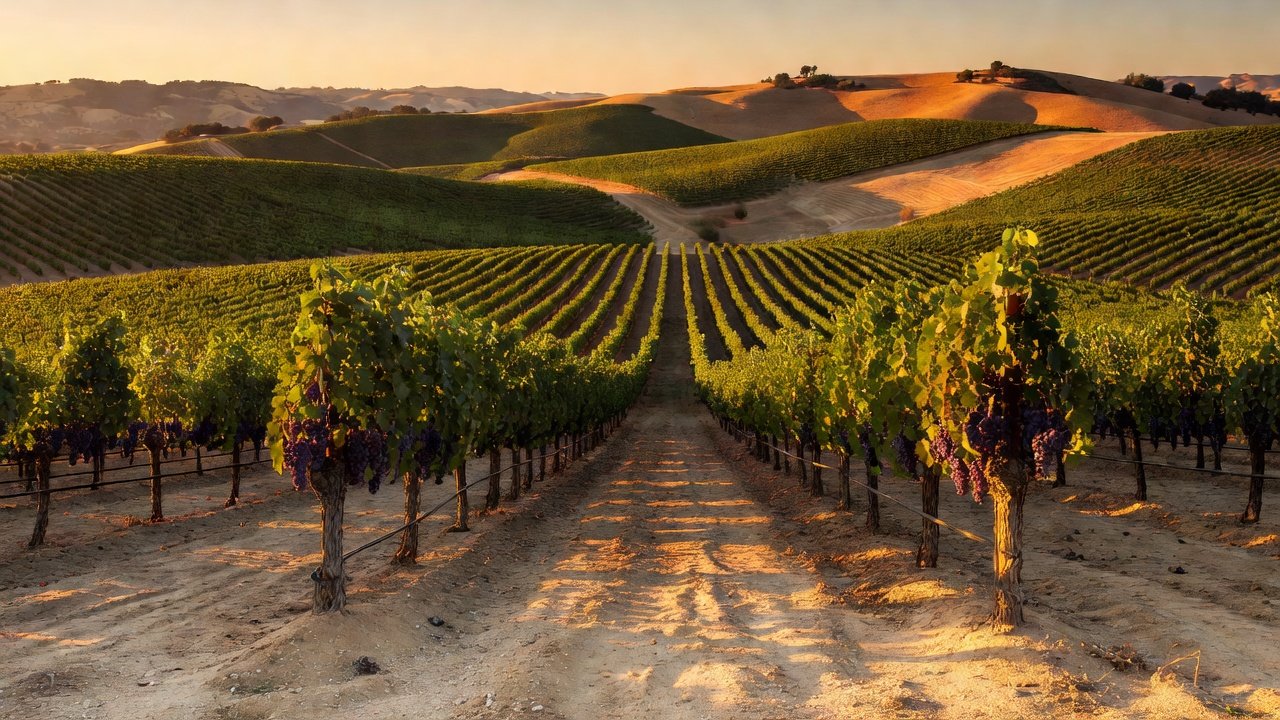
Discovering Lodi's Distinct Terroir
Lodi, California stands out as an accessible wine region for terroir enthusiasts looking for alternatives to the crowded tours of Napa Valley. Its distinctive sandy loam soils combined with a classic Mediterranean climate produce some of the boldest Zinfandels and old-vine varietals in the state. This comprehensive guide delves into the area's terroir, highlights top wineries, and provides detailed 2026 vineyard tour recommendations that include tastings and hands-on harvest experiences. Beginners and seasoned visitors alike will appreciate the region's welcoming atmosphere and genuine connection to the land.
Unlike more commercialized destinations, Lodi emphasizes authenticity. Grape growing here traces back to the 1850s, when early settlers recognized the potential of the fertile yet challenging soils near the Mokelumne River. Today, that legacy continues through generations of family-owned estates that prioritize sustainable practices and varietal expression over mass production.
Lodi's Unique Terroir Explained
Terroir is the sum of soil, climate, topography, and human influence that shapes every bottle. In Lodi, ancient riverbed deposits have formed deep layers of sandy loam that provide excellent drainage while forcing vines to work harder for nutrients. This natural stress results in smaller berries with more concentrated flavors. The Mediterranean climate delivers long, warm growing seasons with plenty of sunshine, followed by cool evening breezes that help retain acidity in the grapes.
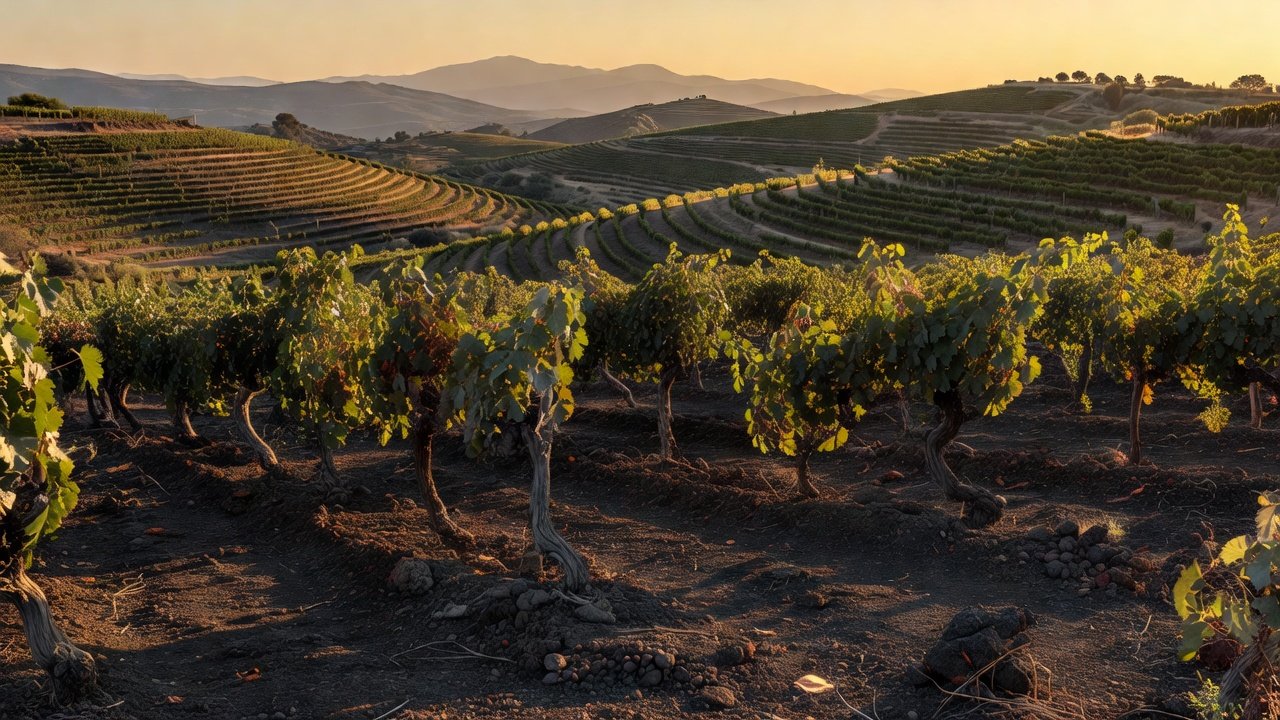
These conditions particularly favor Zinfandel, yielding wines with intense notes of blackberry, raspberry, and baking spice alongside velvety tannins. Old vines, some over 100 years old, add layers of complexity because their deep root systems tap into diverse mineral profiles within the sandy loam. Visitors often notice how wines from different vineyard blocks within the same estate can taste remarkably distinct due to subtle soil variations.
In comparison to Napa's volcanic and rocky soils that often produce structured Cabernets, or Sonoma's cooler fog-influenced microclimates, Lodi offers a more consistent expression of warm-climate power with approachable elegance. The result is wines that pair beautifully with a wide range of foods while reflecting their specific vineyard origins.
The History of Winemaking in Lodi
Winemaking in Lodi began with Italian and German immigrants who planted Mission grapes and later Zinfandel in the late 19th century. The region's reputation grew during Prohibition when many vineyards supplied sacramental and medicinal wine. After repeal, Lodi became a major grape supplier for large California wineries, yet a core group of families preserved old-vine plantings that now command attention from collectors worldwide.
Modern Lodi has evolved into a destination that balances heritage with innovation. Many producers experiment with Rhône varieties and sustainable techniques while honoring the sandy soils that define the terroir. This blend of old and new creates a compelling story for visitors seeking both education and enjoyment.
Top Wineries for Regional Wines
Several estates exemplify Lodi's terroir-driven approach. Harney Lane Winery produces elegant Zinfandels from estate vineyards planted in the classic sandy loam, often showing bright red fruit and subtle earth notes. Michael David Winery highlights powerful old-vine Zinfandels with concentrated black fruit and spice, sourced from some of the area's most historic blocks. Acquiesce Winery specializes in Rhône-style whites and reds that thrive in the warm climate, delivering crisp Grenache Blanc and structured Syrah that showcase the mineral influence of the soils.
Additional standouts include Turley Wine Cellars for intense, age-worthy Zinfandels and m2 Wines for small-lot expressions that highlight single-vineyard differences. Tastings at these properties frequently include guided walks through the vines, allowing guests to see firsthand how the sandy loam and climate interact to shape each vintage.
Planning Your 2026 Lodi Wine Tours
Successful 2026 visits begin with thoughtful preparation. Harvest season typically runs from late August through October, offering the most immersive experiences as crews bring in grapes. Shoulder seasons like April through June or September provide pleasant weather and fewer crowds. Book small-group tours early, as they often combine multiple estates with educational commentary on terroir and winemaking.
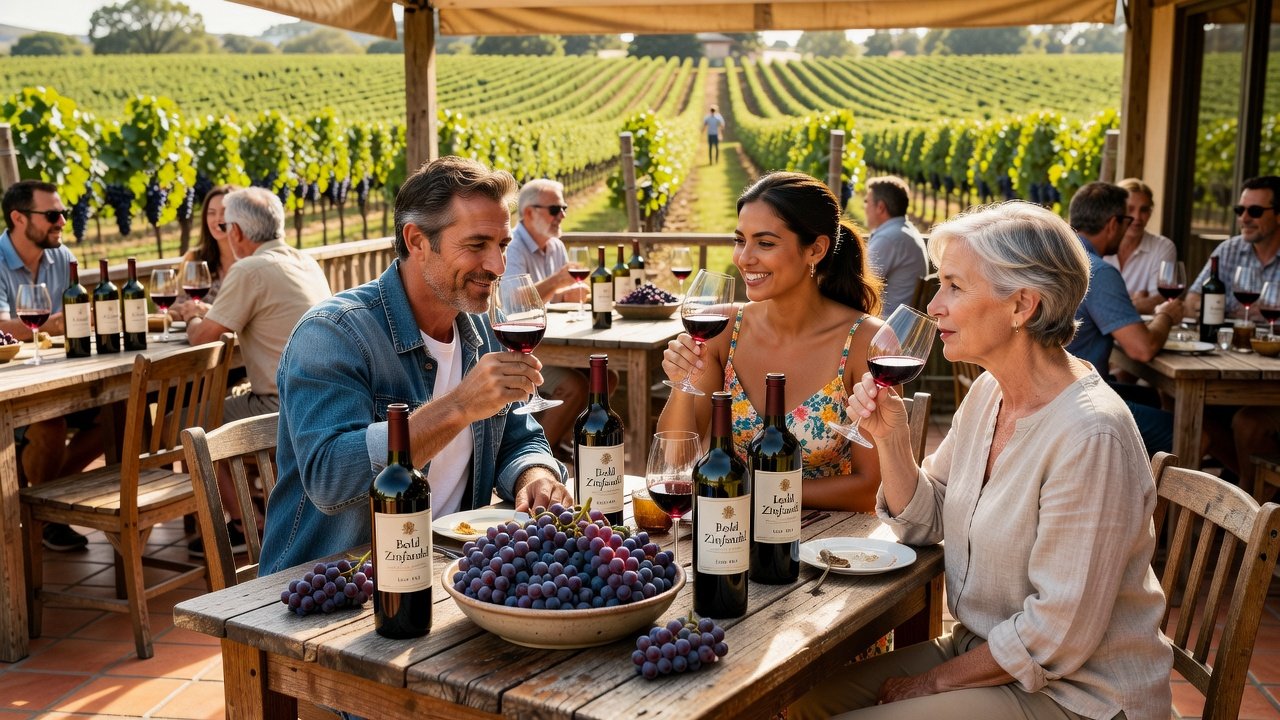
Transportation options range from private drivers to guided bike tours that wind through vineyard lanes. Many visitors fly into Sacramento or San Francisco and rent cars for flexibility. When planning tastings, consider the bold character of Lodi Zinfandels and request food pairings that balance the wines' richness with local cheeses, grilled meats, or olive tapenades.
Harvest Experiences in 2026
Hands-on harvest participation lets guests join picking crews at dawn, followed by sorting and crushing demonstrations. These sessions conclude with comparative tastings of juice from different vineyard sections, illustrating how minor terroir differences translate into finished wines. Reservations are essential, and participants should wear sturdy shoes and sun protection.
Comparisons to Other California Regions
Lodi differentiates itself through accessibility and focus. Napa Valley draws large crowds with polished tasting rooms and higher visitor volumes, often centered on Cabernet Sauvignon. Sonoma County offers diverse climates but similar congestion on weekends. Paso Robles shares Lodi's warm climate yet sits farther from major airports, making day trips less convenient. Lodi combines Mediterranean warmth, old-vine heritage, and proximity to urban centers while maintaining a relaxed, authentic feel that appeals to those seeking substance over spectacle.
Step-by-Step Tips for First-Time Visitors
- Research vineyard websites for detailed terroir maps and tasting menus before booking.
- Pack layers for temperature swings between warm days and cooler evenings, plus comfortable walking shoes for vineyard tours.
- Start at the Lodi Wine & Visitor Center for maps, current harvest updates, and personalized recommendations.
- Focus tastings on Zinfandel flights to directly compare how different sandy loam blocks influence flavor.
- Allow time between appointments for relaxed lunches featuring local produce that complements the wines.
- Stay hydrated and pace tastings, especially when exploring multiple estates in one day.
What to Expect at Tastings and Tours
Most Lodi tastings begin with an overview of the estate's history and soil types, followed by four to six wines poured with explanations of vintage conditions. Expect conversations about sustainable farming, old-vine preservation, and how the Mediterranean climate affects ripening. Many properties offer seated experiences on shaded patios overlooking the vines, creating an intimate setting for learning about terroir.
FAQ About Lodi Wine Tours
What are typical tour costs? Options range from affordable group tastings to premium private experiences, depending on inclusions such as harvest participation or multi-estate itineraries.
When is the best season for visits? Spring showcases blooming vineyards and wildflowers, while fall delivers the energy of harvest along with optimal opportunities to sample grapes directly from the vine.
Are there options for beginners? Yes, many wineries provide introductory education on terroir, grape varieties, and tasting techniques alongside flights designed for newcomers.
How far is Lodi from major cities? The region sits roughly 30 minutes from Sacramento and about 90 minutes from San Francisco, making it ideal for day trips or extended stays.
Conclusion
Lodi offers terroir-focused wines and memorable vineyard experiences without the intensity found in more famous California destinations. Its sandy loam soils and Mediterranean climate consistently deliver bold yet balanced Zinfandels that tell the story of their origin. Whether joining a 2026 harvest tour or simply exploring old-vine estates, visitors leave with a deeper appreciation for authentic wine country. Plan ahead, embrace the relaxed pace, and let the region's unique terroir guide your journey. For additional planning resources, consult Visit California and Wine Institute.
No comments yet. Be the first!