 Uncorked Conversations
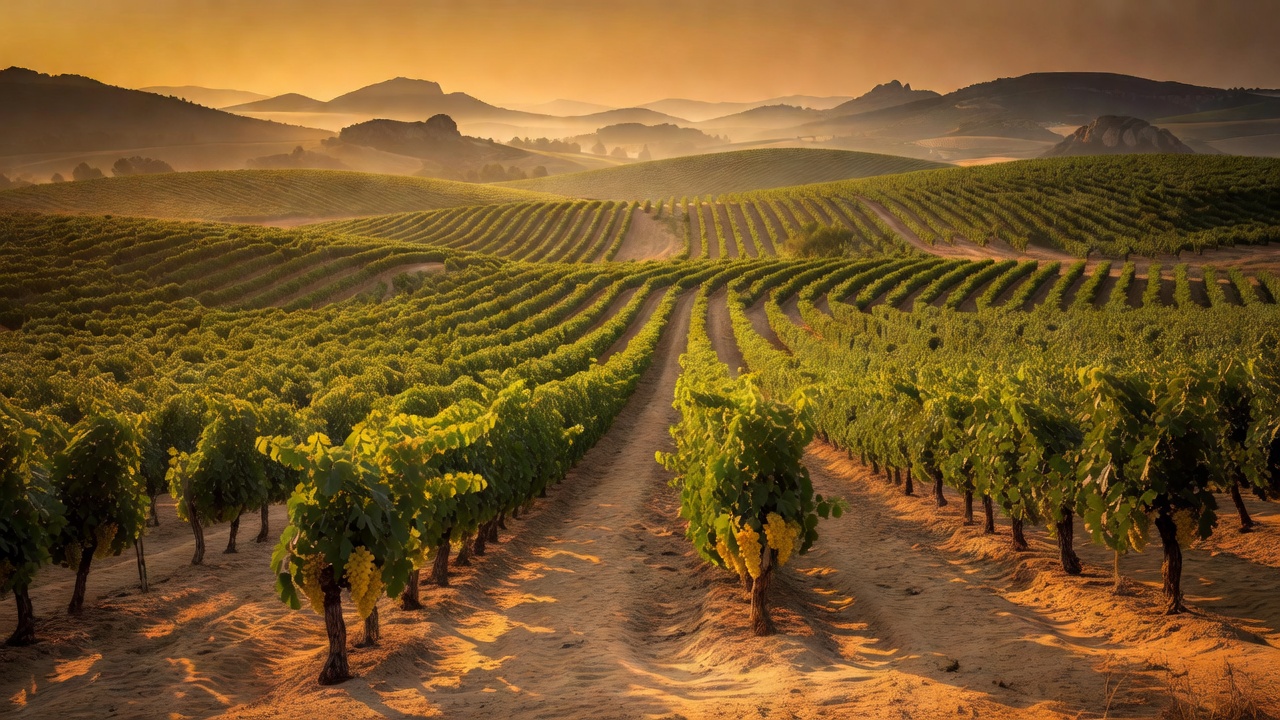
Discovering Rueda's Unique Terroir
Spain's Rueda region stands out as a premier destination for crisp, aromatic white wines, particularly those made from the Verdejo grape. Located in the province of Valladolid in Castilla y León, Rueda benefits from a continental climate with hot days and cool nights that help preserve acidity in the grapes. The defining feature of this area is its sandy soils, which provide excellent drainage and contribute to the distinctive mineral notes found in many Rueda wines. These soils, formed over centuries from ancient river deposits, often contain a mix of gravel and limestone that forces vines to work harder for nutrients, resulting in concentrated flavors.
Historically, Rueda has been producing wine since Roman times, but modern recognition came in the 1970s when the Denominación de Origen was established. Today the region covers about 19,000 hectares of vineyards, with most plantings dedicated to white varieties. The sandy composition limits water retention, which in turn promotes stress in the vines and enhances the expression of terroir in the finished wines. Beginners will appreciate how these factors create approachable yet complex bottles that highlight freshness over power.
The Role of Verdejo Grapes in Regional Wines
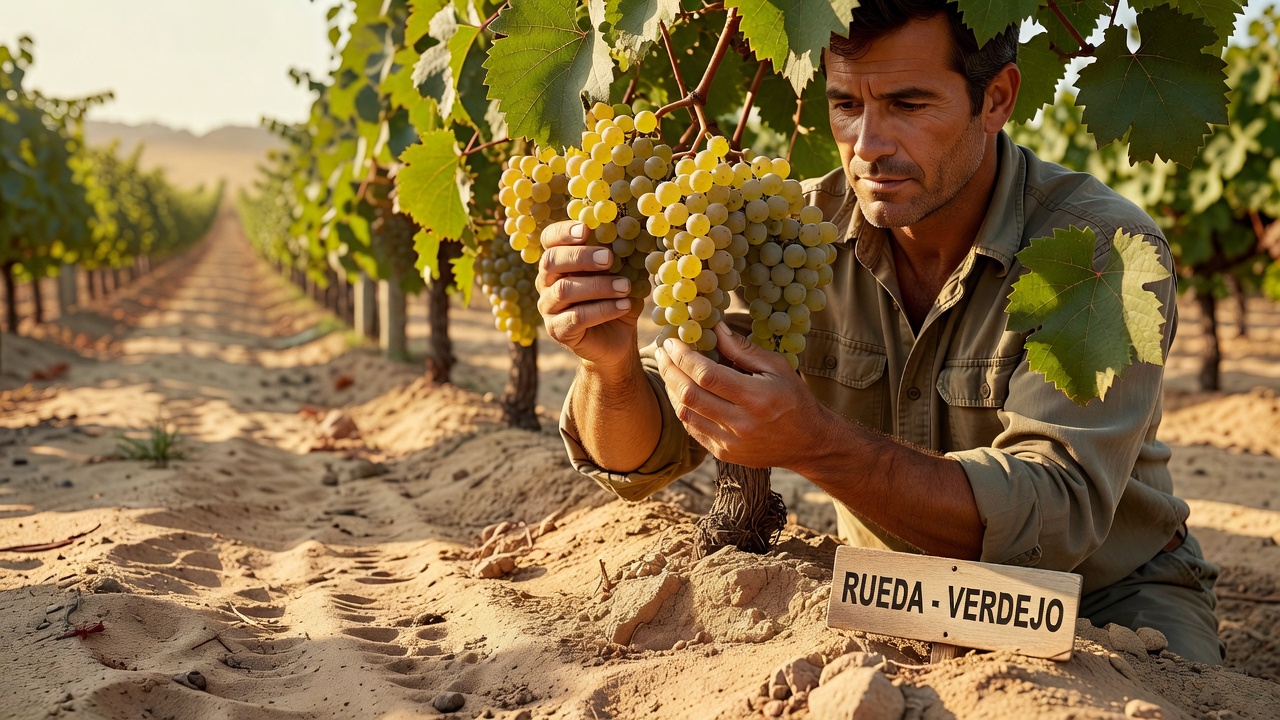
Verdejo is the star variety in Rueda, accounting for the majority of plantings. It produces wines ranging from vibrant young whites to more structured expressions that benefit from oak aging. The grape's thick skins help it withstand the region's intense sunlight while retaining freshness. Winemakers often blend it with Sauvignon Blanc or Viura to add layers of complexity, though many top cuvées remain 100 percent Verdejo to showcase purity.
Tasting profiles typically include notes of grapefruit, green apple, fennel, and almond. Many bottles display a slight bitterness on the finish, a hallmark of authentic Rueda Verdejo. These characteristics make the wines excellent for food pairings, especially with seafood, salads, and light tapas. Fermentation techniques vary, with some producers using stainless steel for maximum fruit purity and others experimenting with lees aging to add texture and mouthfeel. Examples include citrus-forward entry-level wines and more layered reserve styles that develop honeyed notes after a few years in bottle.
Key Vineyards and Wineries to Visit
Several standout producers highlight Rueda's terroir. Bodegas Verdegal and José Pariente are known for single-vineyard expressions that emphasize sandy soil influences. Larger estates like Bodegas Rueda offer tours that explain the full winemaking process from vine to bottle. Visitors can explore estates with historic underground cellars or modern facilities focused on sustainable practices. Other notable stops include Bodegas Naia, which produces elegant Verdejo with pronounced mineral character, and the family-run Viñedos de Nieva, where old vines contribute to richer textures.
When planning visits, focus on producers located near the towns of Rueda, La Seca, and Serrada for convenient itineraries. Many offer tastings that showcase how soil variations affect flavor profiles across different parcels. Guided walks through the vineyards allow guests to feel the sandy texture underfoot and understand how it influences root depth and grape ripeness. Some wineries also demonstrate small-batch experiments, giving insight into how minor terroir differences translate to the glass.
2026 Vineyard Tours and Booking Tips
2026 promises expanded tour options in Rueda, with many estates adding English-language experiences and harvest participation opportunities. Book well in advance through official tourism platforms or winery websites, especially for peak summer months. Look for tours that include vineyard walks, cellar visits, and guided tastings to fully appreciate the terroir. Private options often include lunch pairings and behind-the-scenes access to barrel rooms.
Practical tips include checking for group size limits and confirming transportation options, as many vineyards are spread across rural areas. Private tours provide more personalized insights into soil types and grape varieties. Consider combining tours with visits to nearby historic sites such as the castles in the region for a fuller cultural experience. Always verify cancellation policies, as weather can affect outdoor portions of the visit.
Seasonal Itineraries and Visitor Advice
Spring (April–June) offers mild weather ideal for outdoor tastings and blooming vineyard views. Summer brings harvest preparations in late August, while autumn provides colorful foliage and fewer crowds. Winter tours focus more on indoor tastings and food pairings. A sample three-day itinerary might start in La Seca with two winery visits on day one, move to Rueda town for market exploration and additional tastings on day two, and conclude with a relaxed pairing lunch on day three.
Pair Rueda wines with local specialties like roasted suckling pig or fresh river fish. Visitors should bring comfortable walking shoes, sun protection, and a notebook for tasting notes. Etiquette includes arriving on time, respecting no-photography zones in production areas, and tipping guides when service is exceptional. Avoid scheduling more than three tastings per day to prevent palate fatigue.
How Rueda Compares to Rioja
While both regions produce acclaimed wines, Rueda focuses almost exclusively on whites with lively acidity, whereas Rioja is renowned for its Tempranillo-based reds that age gracefully. Rueda's sandy soils create lighter, fruit-forward styles compared to Rioja's clay and limestone terroir that supports fuller-bodied wines. Travelers often combine visits to both regions for a complete Spanish wine experience. The distance between the two areas is manageable by car, allowing for multi-region itineraries that contrast crisp Verdejo with oaked Tempranillo.
Practical Wine Pairing Suggestions
Rueda Verdejo shines alongside grilled octopus, fresh oysters, or herb-roasted chicken. For richer styles, try pairing with aged cheeses or creamy pasta dishes. Many sommeliers recommend serving the wines at 8–10°C to highlight their aromatic intensity. Experimenting with different food combinations during tours helps visitors develop personal preferences based on the terroir expressions they encounter.
Short FAQ: Avoiding Common Tour Pitfalls
- Do I need to book ahead? Yes, especially for 2026 peak season tours—last-minute spots fill quickly.
- What should I wear? Comfortable shoes for vineyard walks and layers for temperature changes.
- Are tours suitable for beginners? Most include educational elements tailored to all levels.
- How do I handle transportation? Rent a car or join organized shuttles to avoid rural driving challenges.
- Can I bring children? Some estates welcome families; confirm in advance as tastings may have age restrictions.
- What if I have dietary needs? Notify wineries ahead for pairing adjustments.
By understanding Rueda's terroir and planning thoughtfully, visitors can enjoy memorable experiences centered on Spain's exceptional Verdejo wines. Additional resources are available through Spain's official tourism site for updated regional information.
No comments yet. Be the first!