 Uncorked Conversations
Discovering Stellenbosch's Distinct Terroir
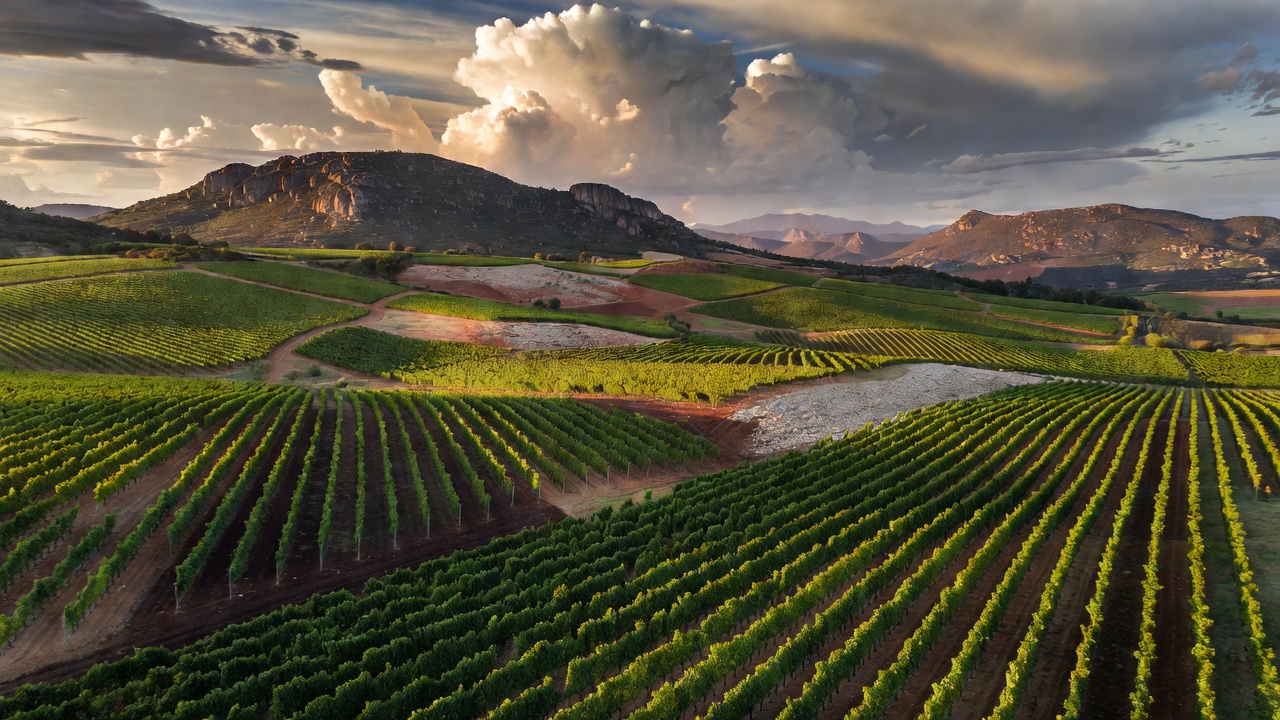
Stellenbosch stands as one of South Africa's premier wine regions, blending established heritage with emerging innovation. Its terroir, shaped by diverse soils, climate, and topography, produces wines of exceptional character. This guide examines how these elements influence regional wines while offering practical advice for 2026 vineyard tours and tastings. The area's location in the Western Cape, nestled between mountains and the coast, creates a Mediterranean climate with cooling Atlantic breezes that moderate temperatures and extend the growing season. This balance prevents overly ripe fruit while preserving acidity, resulting in wines that age gracefully.
Soil Variations Across Stellenbosch
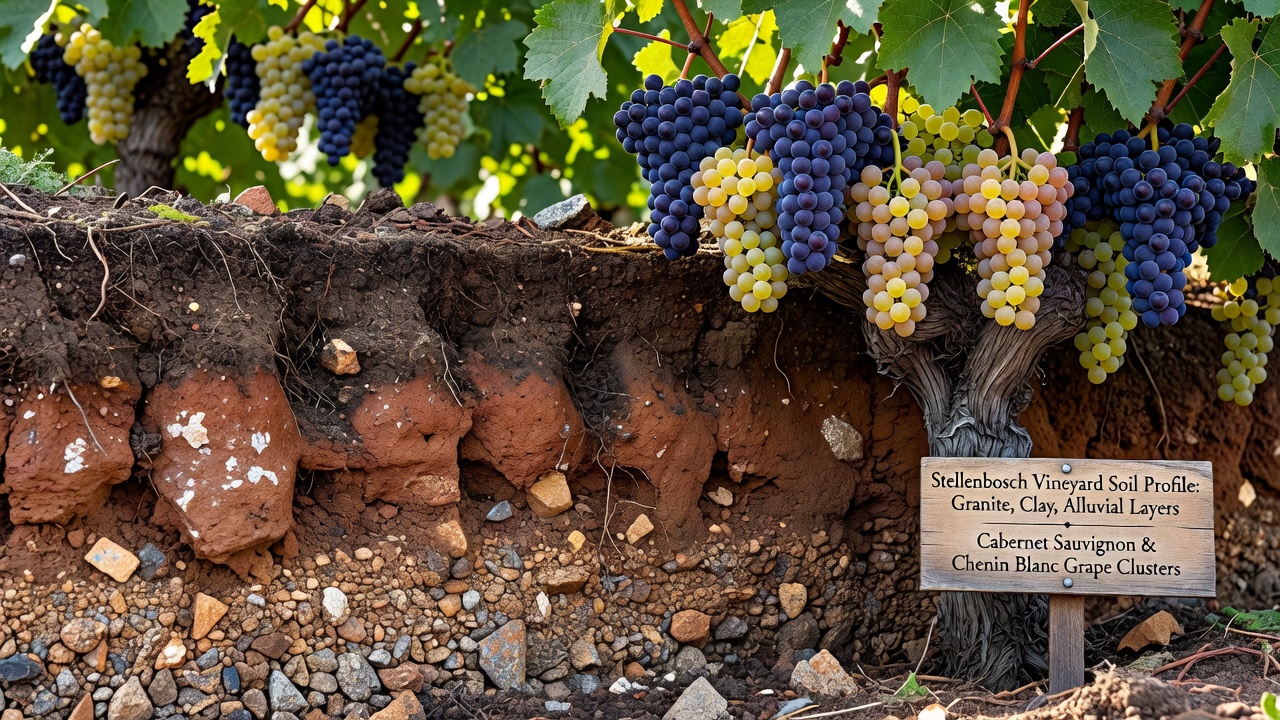
The region's soils range from granite-derived types in the mountains to sandy alluvial deposits in the valleys. These variations directly affect vine growth and grape flavor profiles. Granite soils often yield wines with elegant tannins and mineral notes, while clay-rich areas contribute body and structure. In the Polkadraai Hills, for example, shallow granitic soils force vines to develop deep roots, concentrating flavors in the grapes. Valley floors with heavier clay loams retain moisture better, supporting vigorous growth that requires careful canopy management by viticulturists.
Visitors can observe these differences during guided walks that highlight specific vineyard blocks. Understanding soil composition helps explain why certain sites excel with particular varietals. Soil pH levels typically range from slightly acidic to neutral, influencing nutrient uptake and ultimately the wine's aromatic complexity. Farmers often amend soils with organic matter to maintain biodiversity and vine health across seasons.
Key Vineyard Sites and Their Characteristics
Iconic sites such as those on the Helderberg slopes feature decomposed granite that imparts freshness to reds. In contrast, the Bottelary Hills offer shale and sandstone influences suited to aromatic whites. Each location presents unique microclimates that winemakers harness for balanced expressions. The Papegaaiberg area benefits from morning fog that delays ripening, preserving delicate fruit characters in white varieties. Meanwhile, higher elevation vineyards on the Simonsberg experience greater diurnal temperature swings, enhancing phenolic ripeness in reds.
Many estates map their terroir in detail, allowing guests to compare wines from adjacent blocks during tastings. This site-specific approach reveals how even small changes in aspect or elevation can shift a wine's profile from herbal to fruit-forward. Historical plantings dating back centuries demonstrate the long-term adaptation of vines to these conditions, providing a living laboratory for modern winemakers.
How Terroir Shapes Cabernet Sauvignon and Chenin Blanc
Cabernet Sauvignon thrives in the well-drained granitic soils of Stellenbosch, producing structured wines with blackcurrant and herbal notes. The slow ripening on these slopes allows for full flavor development without excessive alcohol. Chenin Blanc, a regional staple, adapts across soil types to deliver everything from crisp, citrus-driven styles to richer, textured versions aged in oak. On sandy soils near the coast, Chenin expresses bright acidity and tropical fruit, while clay sites yield wines with greater mouthfeel and aging potential.
These adaptations showcase the versatility of the terroir, making Stellenbosch a benchmark for both international and local varietals. Winemakers experiment with different rootstocks to match soil conditions, further refining the expression of each grape. Tasting flights that contrast the same variety from multiple sites illustrate these terroir effects vividly, helping enthusiasts appreciate subtle distinctions in minerality and tannin texture.
Recommended 2026 Vineyard Tours and Itineraries
Plan multi-day tours that combine morning vineyard walks with afternoon tastings. A typical three-day itinerary might start at a Helderberg estate focused on Cabernet, move to Bottelary for Chenin Blanc sessions, and conclude with a blended tasting near the town center. Day one could include a sunrise vineyard hike followed by a seated tasting of single-block wines. Day two might feature a soil pit demonstration and lunch paired with estate reserves. Day three offers flexibility for spontaneous stops at smaller producers.
Seasonal considerations include cooler months for comfortable outdoor exploration and harvest periods for hands-on experiences. Book private tours for deeper terroir discussions with winemakers. Advance reservations are essential during peak seasons, and combining visits with nearby cultural sites enhances the overall experience. Transport options range from guided shuttles to self-drive routes along scenic wine roads.
Beginner-Friendly Visits and Advanced Terroir Insights
Newcomers benefit from introductory tastings that pair wines with simple explanations of soil and climate. These sessions often include sensory exercises to identify mineral notes or fruit descriptors. Advanced enthusiasts can join technical sessions covering vine age, yield management, and clonal selection. Such programs might involve examining vine roots or discussing irrigation strategies tailored to specific soil moisture retention.
- Beginner option: Group tastings with basic terroir overviews at family-run estates, typically lasting two hours and covering four to six wines.
- Advanced option: Private soil pit tours and vertical tastings spanning multiple vintages, often including discussions on climate data and vineyard mapping techniques.
- Intermediate choice: Half-day workshops blending both levels, with opportunities to blend your own sample from different terroir components.
These tailored experiences ensure every visitor gains meaningful insights regardless of prior knowledge.
Comparisons to Nearby Wine Regions
Stellenbosch offers more varied soils than the predominantly sandstone areas of Franschhoek. This diversity allows for a broader range of wine styles within a compact area. Compared to Paarl's warmer climate, Stellenbosch produces fresher expressions thanks to cooling breezes from the coast. These distinctions help visitors choose regions based on preferred wine styles. Elgin to the southeast provides even cooler conditions suited to sparkling wines, while Stellenbosch excels in still reds and versatile whites. Cross-region tours can highlight these contrasts effectively.
Seasonal Tour Tips and Regional Pairings
Visit during spring for blooming vineyards or autumn for harvest festivals. Pair Cabernet Sauvignon with grilled meats and Chenin Blanc with seafood or poultry dishes. Local restaurants often feature menus designed around these matches, incorporating fresh herbs and regional produce. Practical tips include wearing comfortable shoes for vineyard walks, bringing a notebook for tasting notes, and checking weather forecasts for sudden coastal changes. Sustainable practices at many estates encourage carpooling or cycling between sites when distances allow.
For the latest on estates and events, consult official resources such as Wines of South Africa and Stellenbosch tourism. Additional planning support comes from South Africa tourism.
Conclusion
Stellenbosch's terroir delivers wines that reflect its rich environmental diversity. Whether exploring as a beginner or seeking advanced insights, 2026 offers excellent opportunities to experience these wines firsthand through thoughtful tours and tastings. The combination of educational depth and sensory pleasure makes the region a standout destination for wine enthusiasts worldwide.
No comments yet. Be the first!