 Uncorked Conversations
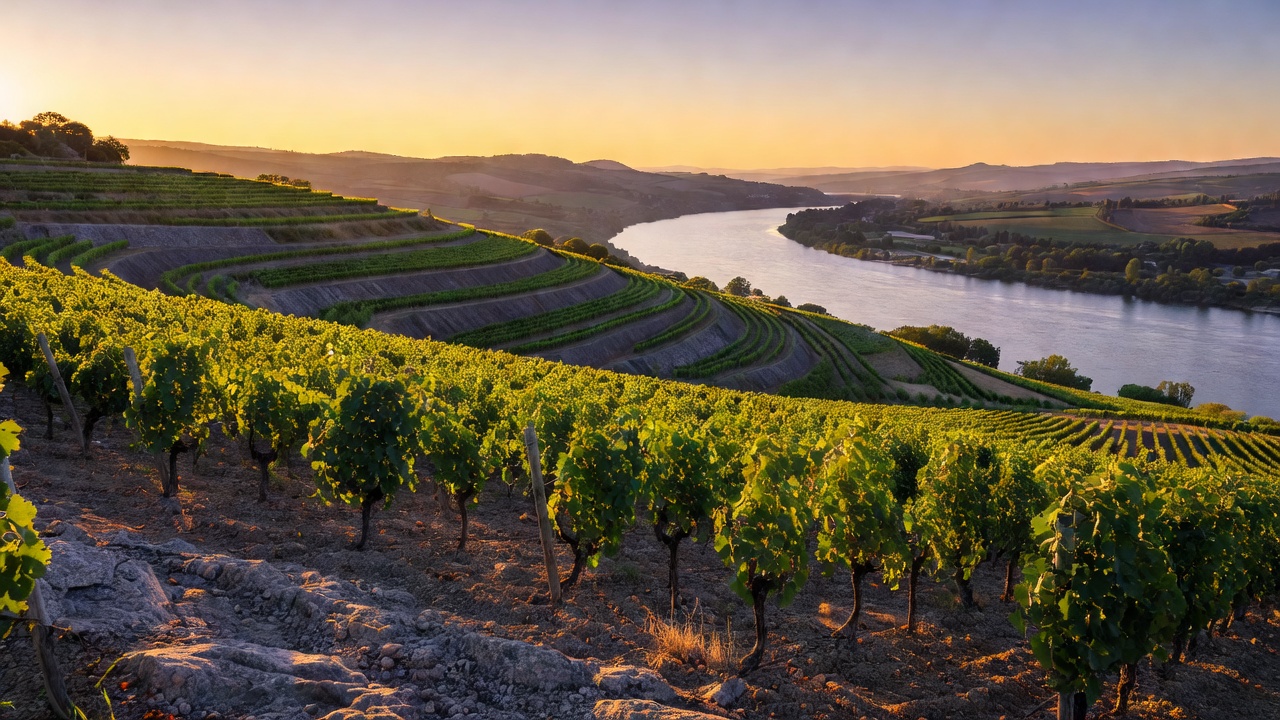
Introduction to the Rhône Valley's Unique Terroir
The Rhône Valley stands as one of France's most dynamic wine regions, where terroir profoundly influences everything from grape varieties to flavor profiles. Stretching along the Rhône River, the area divides into northern and southern zones, each shaped by distinct soils, microclimates, and traditions. This diversity creates wines that range from elegant, age-worthy Syrahs in the north to robust, fruit-forward Grenache blends in the south. For travelers planning 2026 vineyard tours, understanding these elements unlocks richer tasting experiences and informed choices that go far beyond a standard tasting session.
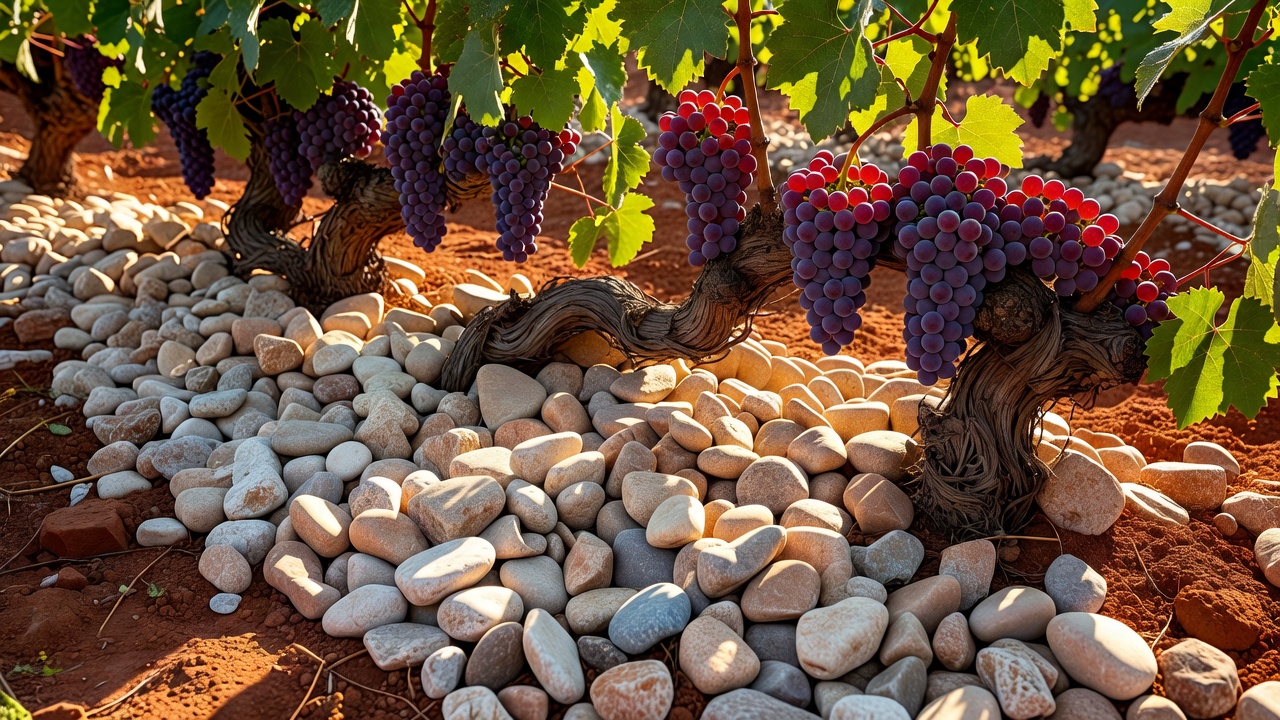
Terroir encompasses soil composition, climate, topography, and human influence. In the Rhône, granite hillsides in the north contrast with the galets roulés pebbles of the south, producing wines with unmistakable character. As interest in sustainable tourism grows, 2026 tours emphasize eco-friendly practices that preserve these landscapes for future generations. The region also benefits from the protective Mistral wind, which reduces humidity and disease pressure, allowing grapes to achieve optimal ripeness without excessive intervention.
Northern Rhône: Syrah-Dominant Appellations and Granite Soils
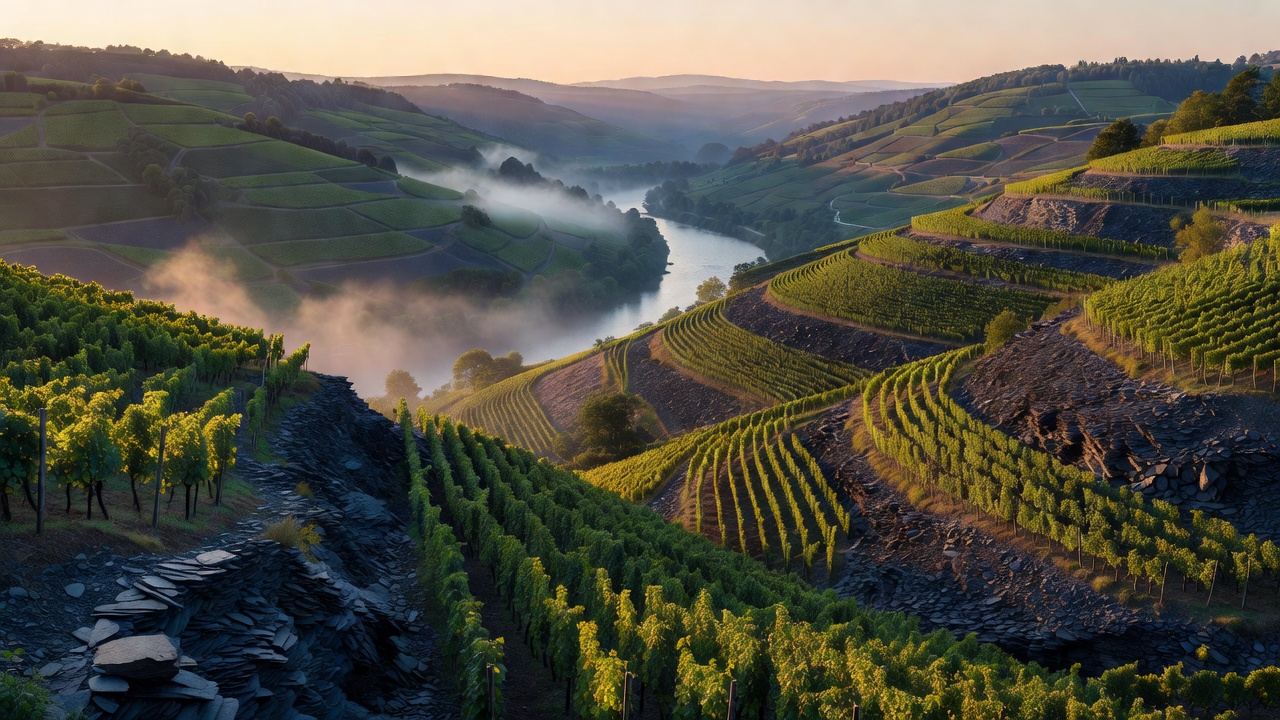
The northern Rhône features steep, terraced vineyards where Syrah reigns supreme. Appellations such as Hermitage and Côte-Rôtie showcase how granite and schist soils impart structure and minerality. Hermitage, on the east bank, benefits from a south-facing exposure that maximizes sunlight, yielding powerful reds with notes of blackberry, pepper, and smoke. Microclimates here vary dramatically even within a single slope, allowing producers to craft nuanced cuvées that highlight subtle differences in elevation and aspect. Côte-Rôtie, famous for its steep inclines up to 60 degrees, often incorporates small percentages of Viognier to add aromatic lift and floral notes to the Syrah base.
Travelers on 2026 tours often visit historic sites like the Hermitage hill, where ancient terraces demand careful viticulture. These conditions foster wines with excellent aging potential, typically 10-20 years or more. Sustainable practices, including organic farming and water conservation, are increasingly standard as growers adapt to changing weather patterns. Examples include estates using cover crops to prevent erosion on the granite slopes and employing solar-powered irrigation systems during dry spells.
Southern Rhône: Grenache Blends and Mediterranean Influences
South of the city of Valence, the landscape opens into rolling plains and plateaus dominated by Grenache, Syrah, and Mourvèdre. Châteauneuf-du-Pape exemplifies this zone, with its famous large pebbles that store heat during the day and radiate it at night. This creates optimal ripening conditions, resulting in full-bodied wines bursting with red fruit, herbs, and spice. The southern microclimates offer more consistent warmth, supporting higher yields while maintaining quality through strict appellation rules that limit yields and require minimum alcohol levels.
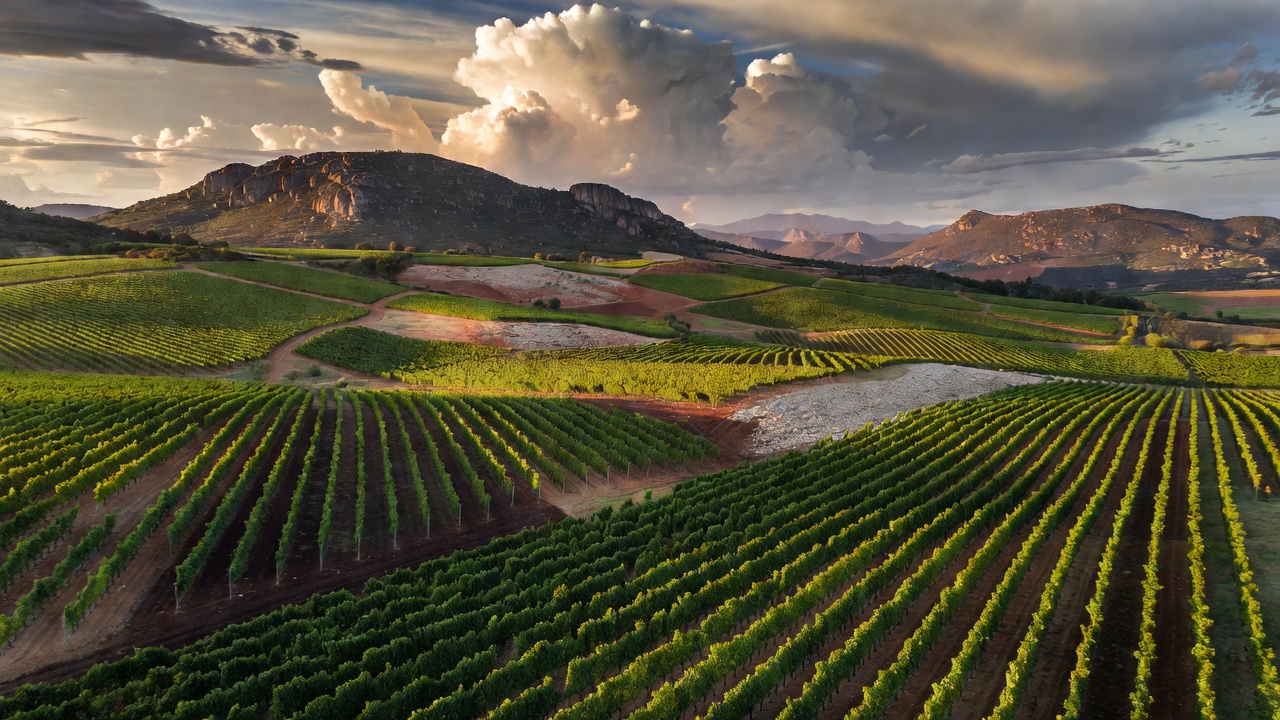
Other key appellations include Gigondas and Vacqueyras, where similar soils and the cooling Mistral wind shape balanced expressions. Gigondas, for instance, produces structured reds that can rival Châteauneuf-du-Pape at a more accessible price point, often featuring notes of garrigue herbs and dark cherry. For 2026 visitors, these areas provide ideal settings for outdoor tastings amid lavender fields and olive groves, with many estates offering guided walks through the pebble-strewn vineyards to illustrate how the unique geology influences vine stress and concentration.
Key Vineyards and Soil Types to Explore
Soil diversity drives the Rhône's reputation. Northern granite encourages deep root systems for concentrated flavors, while southern alluvial deposits and limestone add complexity. Specific examples include the steep slopes of Côte-Rôtie, known for elegant Syrahs from estates like those on the Côte Brune and Côte Blonde, and the vast vineyards of Châteauneuf-du-Pape, where over 100 producers cultivate on varied parcels ranging from sandy soils to clay-limestone mixes.
Visitors should prioritize estates practicing biodynamic methods, which align with emerging 2026 tour trends focused on regenerative agriculture. These approaches enhance biodiversity and soil health, ensuring the terroir remains vibrant. Practical examples include vineyards that integrate sheep grazing between rows to manage weeds naturally and promote microbial activity in the soil.
Planning Your 2026 Rhône Valley Wine Tour
Effective planning begins with timing. Spring and early fall offer mild weather ideal for vineyard walks, while harvest season in September provides immersive experiences. Consider booking with specialized operators that prioritize small groups and sustainable transport options such as electric vehicles or bicycles for short transfers between sites.
- Research appellation maps to align visits with personal preferences for northern elegance or southern power, focusing on producers that offer comparative tastings across multiple crus.
- Check seasonal tasting schedules, as many estates offer vertical flights highlighting vintage differences and educational seminars on soil impact.
- Incorporate local cuisine pairings, such as Syrah with grilled lamb or Grenache with herb-roasted vegetables, often available through estate restaurants or nearby villages.
- Pack layers for variable microclimates, sturdy shoes for terraced terrain, and reusable water bottles to support eco-initiatives, while also bringing a notebook to record specific tasting impressions tied to terroir elements.
Comparisons to regions like Bordeaux reveal the Rhône's advantage in approachability and value, with more varied styles in a compact area that allows for multi-appellation days without long travel times. Official Rhône wines resources provide updated appellation details for travelers. Another helpful reference comes from France tourism information, which outlines regional access points and seasonal events.
Practical Packing List and Seasonal Recommendations
Prepare for vineyard visits with essentials that enhance comfort and respect the environment. Include breathable clothing, sun protection, and a journal for noting terroir observations. For tastings, focus on 2026 highlights like limited-release sustainable cuvées that showcase climate adaptation through techniques such as delayed pruning or drought-resistant rootstocks.
Seasonal tips: Spring tours emphasize floral aromas in young wines, while autumn visits coincide with harvest festivals featuring live demonstrations of traditional winemaking. Always confirm operator credentials to ensure adherence to low-impact guidelines, and consider adding a day for exploring nearby historic towns like Avignon or Vienne to round out the cultural experience.
Emerging Tour Trends and Sustainable Practices for 2026
Looking ahead to 2026, vineyard tours in the Rhône are evolving to include more immersive elements such as drone-view soil mapping sessions and workshops on carbon sequestration in vineyards. Sustainable practices are at the forefront, with many estates publishing annual reports on water usage reductions and biodiversity metrics. Travelers can expect options for carbon-offset tours and collaborations with local artisans producing eco-friendly packaging for wine shipments.
Further details on regional sustainability efforts help visitors select operators aligned with these values.
FAQs on Pairing and Sustainability
How do Rhône wines pair with local cuisine?
Northern Syrahs complement game and charcuterie, while southern blends shine with Provençal dishes like ratatouille or bouillabaisse. Experiment during tours to discover personal favorites, and many estates now provide chef-led pairing sessions that explain the science behind acidity, tannin, and spice interactions with regional ingredients.
What sustainable trends define 2026 tours?
Expect increased focus on electric shuttles, zero-waste tastings, and vineyard walks that highlight biodiversity. Many estates now detail carbon footprint reductions on their websites, encouraging visitors to participate in hands-on activities like planting native species or measuring soil health indicators.
Are there comparisons to other French regions?
Unlike Burgundy's Pinot focus or Bordeaux's Cabernet dominance, the Rhône offers broader variety within shorter distances, making it perfect for multi-appellation itineraries. This compactness reduces travel fatigue and allows deeper exploration of how microclimates create distinct expressions from the same grape varieties.
Conclusion
The Rhône Valley's terroir continues to captivate wine enthusiasts and travelers alike. By focusing on specific appellations, sustainable practices, and thoughtful planning, 2026 vineyard tours promise unforgettable encounters with regional wines that truly express their origins. Whether seeking the structured elegance of the north or the generous warmth of the south, visitors will find a region that rewards curiosity with layers of flavor and story.
No comments yet. Be the first!