 Uncorked Conversations
Introduction to Terroir-Focused Vineyard Tours
Terroir represents the distinctive combination of soil composition, climate patterns, topography, and traditional winemaking practices that give wines their unique identity and sense of place. For beginners planning their first vineyard tours, selecting regions based on terroir allows travelers to match personal preferences for specific wine styles with immersive experiences that highlight how the land shapes flavor. This comprehensive guide walks through the process of identifying suitable destinations, evaluating practical logistics, and creating memorable journeys that emphasize education alongside enjoyment.
Understanding terroir transforms a simple wine tasting into an exploration of geology and weather systems. Beginners often start by learning how these elements interact to produce everything from crisp, mineral-driven whites to powerful, fruit-forward reds. By focusing on terroir, tours become opportunities to visit vineyards where the same grape variety expresses dramatically different characteristics depending on its environment.
Understanding Key Terroir Elements: Soil and Climate
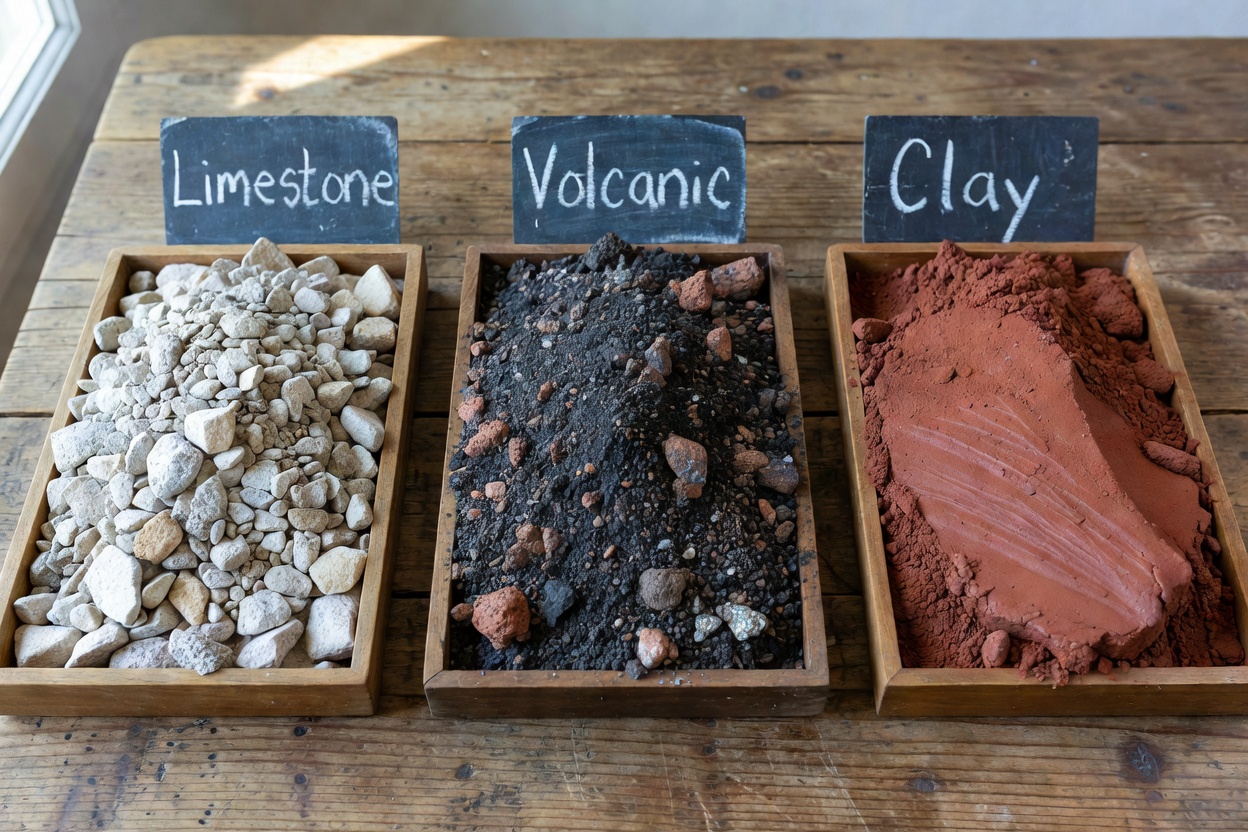
Soil types form the foundation of terroir. Limestone-rich soils, common in parts of Burgundy and Champagne, contribute bright acidity and pronounced minerality to wines. Volcanic soils, found in regions like Sicily’s Mount Etna or Oregon’s Willamette Valley, impart earthy, sometimes smoky complexities. Clay soils retain moisture and produce structured, age-worthy reds, while sandy or gravelly soils promote excellent drainage and elegant expressions.
Climate further refines these influences. Cool-climate areas such as Germany’s Mosel or New Zealand’s Marlborough deliver high-acidity wines with vibrant fruit and floral notes. Warmer climates like those in Australia’s Barossa Valley or California’s Napa Valley encourage riper fruit, fuller bodies, and softer tannins. Topography adds another layer, with elevation affecting temperature swings and sun exposure.
Beginners should consult detailed soil maps and historical climate data when researching destinations. Resources from the International Organisation of Vine and Wine provide reliable global overviews. Comparing a single variety across regions, such as Pinot Noir from cool-climate Burgundy versus warmer-climate California, reveals terroir’s profound impact.
Matching Wine Preferences to Regional Characteristics
Start by clarifying your taste preferences. Fans of crisp, aromatic whites might gravitate toward the Loire Valley’s flinty Sancerre or the Mosel’s slate-driven Rieslings. Those who prefer bold reds could explore Tuscany’s galestro soils supporting Sangiovese or Mendoza’s high-altitude alluvial soils yielding intense Malbec. Cross-continental comparisons help refine choices, such as contrasting Oregon’s volcanic Pinot Noir with similar expressions from Burgundy.
Consider how regional styles align with desired tour experiences. Some regions emphasize single-vineyard tastings that highlight micro-terroir differences, while others offer broader overviews of appellations. Matching preferences ensures tours feel personalized rather than generic.
Evaluating Tour Accessibility and Practical Factors
Accessibility determines how smoothly a trip unfolds. Look for regions with established wine routes, reliable public transport, or shuttle services between vineyards. Language support matters for non-native speakers; many European and South American regions now provide English-language guides. Proximity to major airports or train stations reduces travel fatigue.
Consider road conditions, especially in mountainous areas like the Mosel or Stellenbosch. Organized tour operators often handle logistics, offering vehicles, reservations, and educational commentary focused on terroir. Beginners benefit from operators that include soil pit visits or geology explanations alongside tastings.
Step-by-Step Planning Process
- Define your core interests by listing preferred wine styles and specific terroir elements such as soil type or climate.
- Research 4–6 candidate regions using climate databases and soil surveys, narrowing based on seasonal availability.
- Compare tour operators by reading reviews that mention educational depth and terroir-focused content.
- Assess seasonal timing, noting that harvest periods offer hands-on experiences while shoulder seasons provide fewer crowds.
- Book lodging within walking or short-drive distance of multiple vineyards and confirm accessibility features if needed.
- Prepare by reading basic texts on geology and winemaking to maximize learning during visits.
Case Studies of Successful Terroir Tours
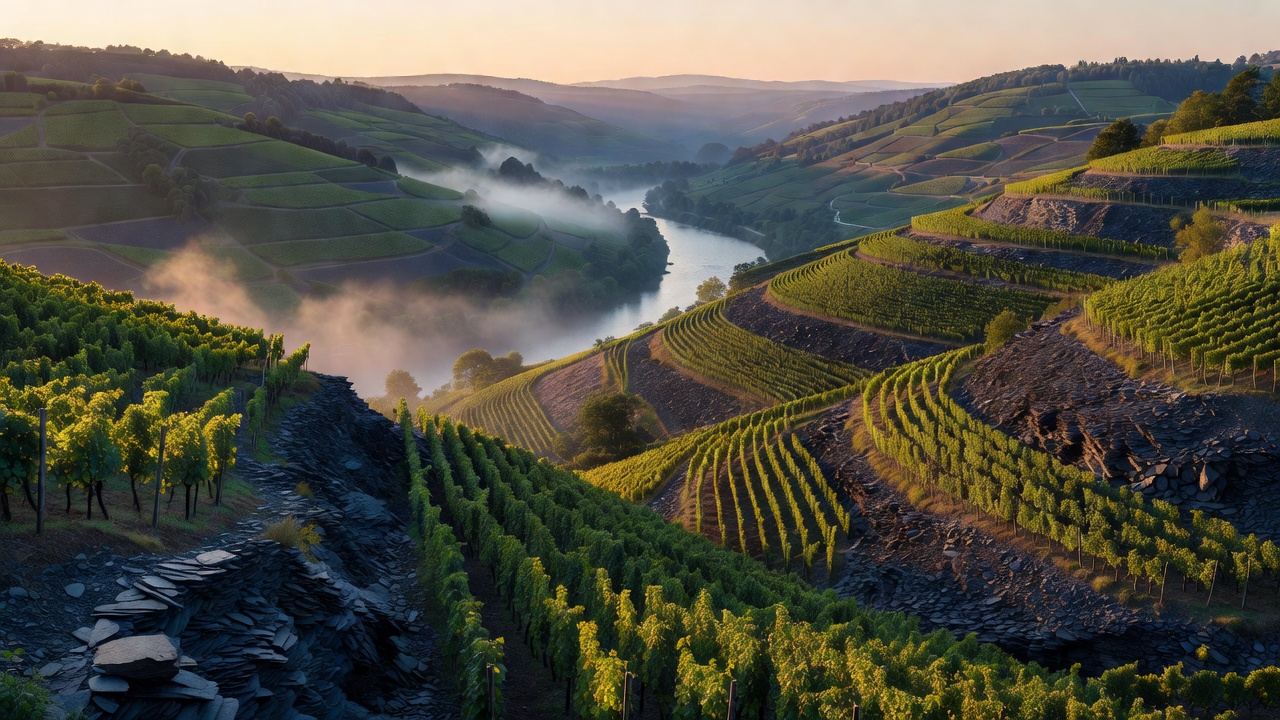
One beginner group focused on mineral whites traveled to Germany’s Mosel Valley. They toured steep slate vineyards, learned how the river moderates temperatures, and tasted Rieslings that clearly reflected each parcel’s unique soil. The trip included a visit to an ancient quarry exposing different rock layers, directly connecting geology to flavor.
Another traveler explored Chile’s Casablanca Valley for cool-climate Pinot Noir. Guided tours compared coastal fog influence with inland sites, followed by side-by-side tastings with Oregon wines. The structured itinerary highlighted how elevation and marine air create distinct expressions within a single valley.
A third example involved a family visiting Oregon’s Willamette Valley. They participated in a multi-day program that included soil sampling demonstrations and discussions with winemakers about volcanic influences, creating lasting connections between landscape and bottle.
Comparing Global Wine Regions
- Bordeaux, France: Gravel terraces and clay-limestone soils under a maritime climate produce structured, age-worthy Cabernet and Merlot blends.
- Willamette Valley, Oregon: Ancient volcanic soils and cool, wet winters yield elegant Pinot Noir with bright acidity and earth notes.
- Mendoza, Argentina: High-elevation alluvial soils and dramatic diurnal temperature shifts create concentrated Malbec with plush texture.
- Marlborough, New Zealand: Free-draining gravel and sandy soils combined with cool maritime breezes produce intensely aromatic Sauvignon Blanc.
- Etna, Sicily: Volcanic ash soils at varying altitudes support complex, age-worthy Nerello Mascalese with smoky minerality.
Mistakes to Avoid When Selecting Regions
Common pitfalls include choosing regions solely for scenic beauty without considering actual terroir education available. Another error is overlooking transportation challenges in remote areas. Beginners sometimes book during peak harvest without reservations, leading to limited availability. Always verify that operators provide genuine terroir content rather than purely commercial tastings.
FAQ: Common Questions on Timing, Budget, and Planning
When is the best season for terroir tours? Late summer through early autumn during harvest allows visitors to observe grape picking and fermentation decisions that reflect terroir. Spring offers blooming vineyards and fewer crowds for focused tastings.
How should beginners approach budget considerations? Prioritize regions with strong local infrastructure that minimizes transportation costs. Focus on mid-range operators offering bundled tastings and educational components rather than luxury experiences.
Are tours suitable for complete beginners with no wine knowledge? Many operators design introductory sessions that explain soil and climate basics before any tasting, making the experience accessible and engaging.
What if weather disrupts planned visits? Flexible operators provide indoor alternatives such as barrel-room tastings or soil sample displays that still convey terroir concepts effectively.
Conclusion
Selecting wine regions for terroir-focused vineyard tours involves thoughtful alignment of soil and climate knowledge with personal preferences and practical logistics. By following a structured planning process, studying diverse global examples, and avoiding common mistakes, beginners can create enriching trips that deepen their understanding of how place influences wine. Begin your research with reliable resources like the International Organisation of Vine and Wine and the Wine Institute to start planning a journey centered on the true essence of terroir.
No comments yet. Be the first!