 Uncorked Conversations
Introduction to Clare Valley's Emerging Wine Scene
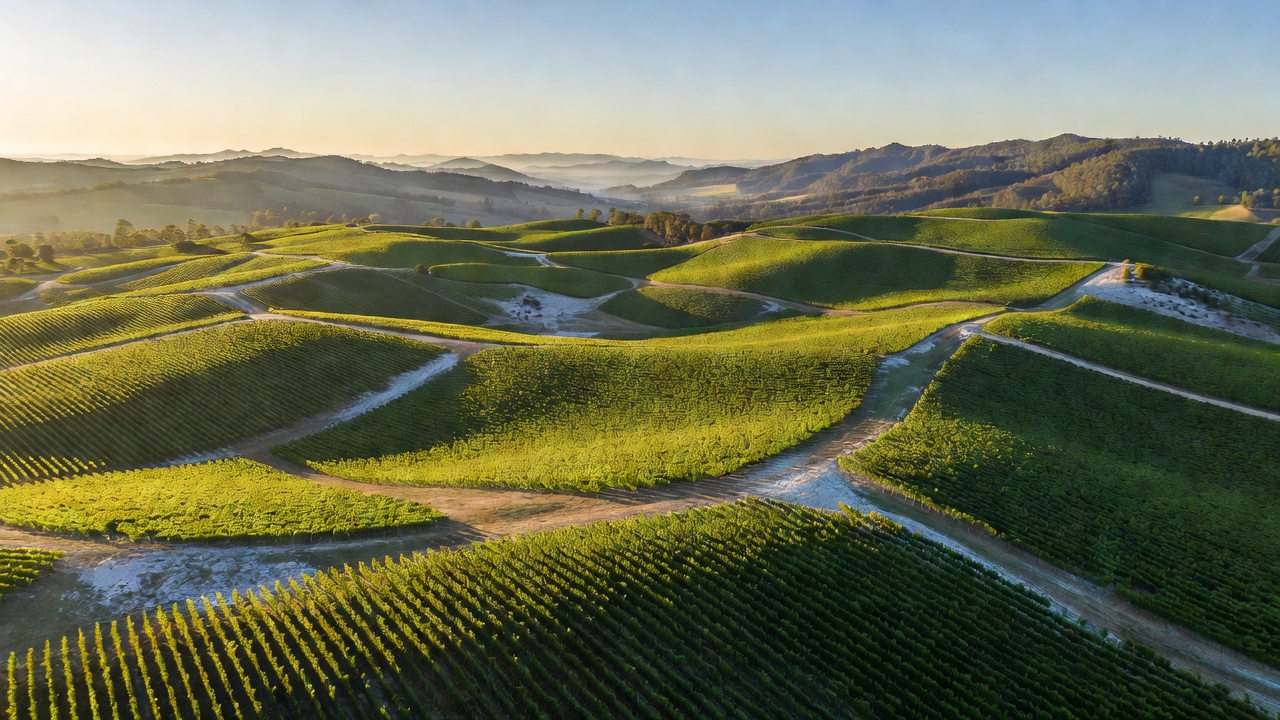
Clare Valley stands out as one of Australia's most distinctive wine regions, where ancient soils and varied elevations create exceptional conditions for Riesling and Shiraz. Nestled in South Australia approximately 130 kilometers north of Adelaide, this compact valley has gained international recognition for producing aromatic, age-worthy Rieslings alongside elegant, spice-inflected Shiraz. The region's terroir is defined by a rare combination of ancient geology, dramatic elevation changes, and a continental climate that delivers cool nights and warm days. This guide explores these influences in depth while providing concrete recommendations for visitors planning 2026 wine tours, including detailed itineraries, sustainable practices, pairing advice, and insights into family-owned estates that embody the area's authentic character.
Unlike larger neighboring regions, Clare Valley's intimate scale allows travelers to experience a true sense of place. Many estates remain in the hands of founding families, preserving traditional winemaking methods that highlight the land's mineral signature. Whether you are a seasoned enthusiast or a first-time visitor, understanding the interplay of soil, elevation, and microclimate will transform your appreciation of the wines.
Understanding Terroir: Soil Types and Their Impact
The foundation of Clare Valley's wines lies in its diverse soil profiles, which vary significantly across short distances. Red-brown earth over limestone dominates many Riesling sites, offering excellent drainage that stresses vines and concentrates flavors. This geology contributes the hallmark wet-stone and citrus minerality that distinguishes Clare Riesling from fruitier styles elsewhere in Australia. In lower-lying areas, heavier clay-loam soils retain more moisture, supporting Shiraz vines that produce wines with deeper color, plush tannins, and notes of black fruit and earth.
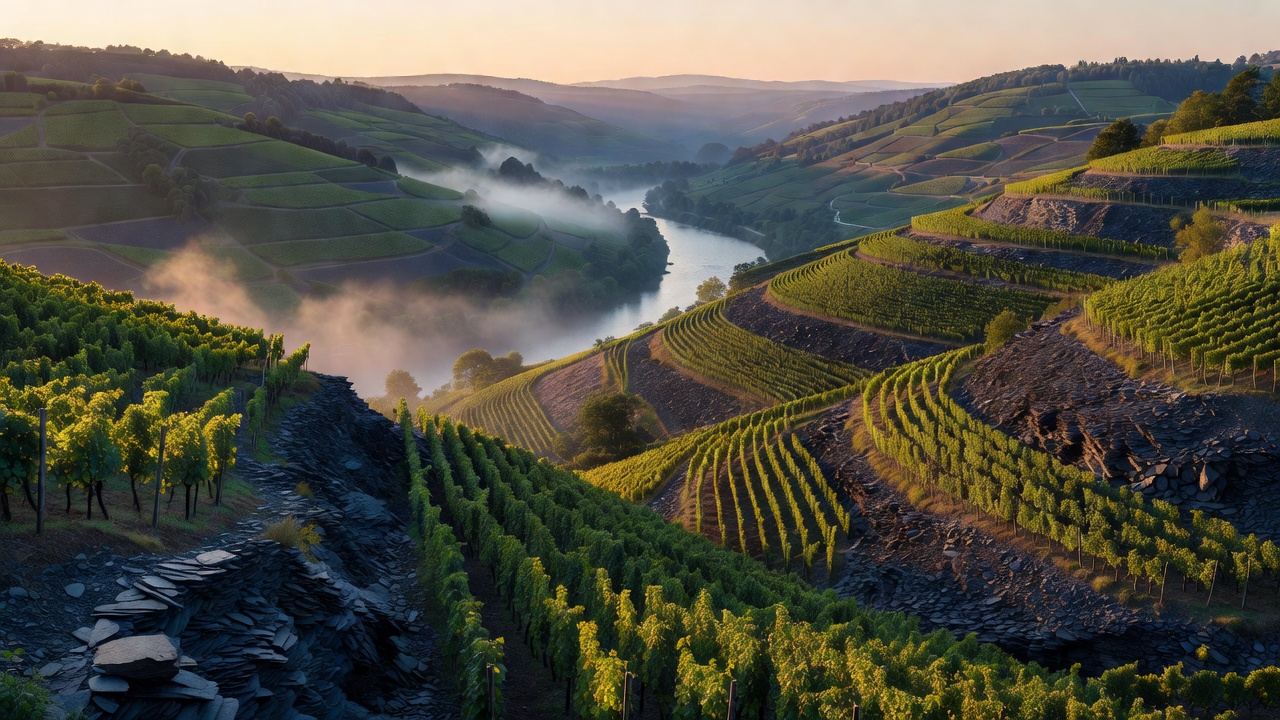
Additional soil variations include sandy loams near creek beds and patches of slate that add a flinty edge to certain Rieslings. These differences mean that two vineyards separated by only a few kilometers can yield dramatically different expressions of the same grape. Visitors touring multiple sites quickly notice how soil type influences both aroma and structure, providing a tangible lesson in terroir.
Microclimates and Vineyard Elevation Effects
Elevation ranges from around 250 meters to over 500 meters above sea level, creating pronounced microclimatic differences. Higher vineyards experience greater diurnal temperature swings, with warm afternoons followed by crisp nights that help preserve natural acidity in Riesling grapes. This results in wines displaying lifted floral aromatics, lime zest, and exceptional aging potential. Lower elevations, by contrast, enjoy slightly warmer nights that allow Shiraz to develop riper fruit characters and softer tannins.
The valley's north-south orientation further amplifies these effects. Northern pockets receive marginally more sunshine, accelerating ripening for Shiraz, while southern sites remain cooler and produce Rieslings with brighter acidity. Even a 50-meter elevation shift can alter harvest timing by several days, influencing sugar levels and phenolic ripeness. Travelers who visit estates at varying heights gain firsthand insight into how these factors shape each bottle.
Comparing Regional Wine Styles: Riesling vs Shiraz
Clare Valley Riesling is celebrated for its purity and longevity. Typical profiles feature lime, jasmine, and crushed-stone notes, with many examples capable of developing honeyed complexity after 10 to 20 years in bottle. Shiraz from the region tends toward medium-bodied elegance, showcasing black pepper, plum, and subtle earth rather than the overt power found in hotter areas. These stylistic distinctions arise directly from the terroir interplay described above.
- Riesling: Ranges from bone-dry to delicately off-dry; high acidity makes it versatile with food.
- Shiraz: Often shows spice and red-fruit lift; pairs beautifully with grilled or roasted dishes.
- Other varieties: Cabernet Sauvignon and Grenache also thrive but occupy smaller plantings.
Side-by-side tastings at cellar doors highlight these contrasts and help visitors decide which styles suit their palate.
Practical 2026 Wine Tour Itineraries and Tasting Routes
A well-planned three- or four-day self-drive itinerary maximizes exposure to the region's diversity. Begin in Auburn for an orientation at the visitor center, then follow the Riesling Trail northward. Day one might include stops at Watervale for Riesling-focused tastings, followed by lunch overlooking limestone ridges. Day two shifts to Polish Hill River for Shiraz producers and a twilight tasting event. Day three explores the northern end around Sevenhill with visits to historic sites and a picnic among the vines. Reserve cellar-door appointments in advance, especially during peak spring and autumn periods, and consider hiring a local driver for relaxed pacing.
Seasonal highlights in 2026 include the Clare Valley Gourmet Weekend in May and harvest open days in March. These events combine wine with regional produce and live music, offering deeper cultural immersion.
Recommendations for Sustainable Vineyard Visits
Many Clare Valley estates have adopted regenerative practices such as cover cropping, native vegetation corridors, and reduced irrigation. When selecting tours, prioritize properties that discuss soil health, biodiversity, and solar energy use. Opt for walking or cycling options along the Riesling Trail to minimize vehicle impact. Purchasing wines directly from the estate supports local families and reduces transportation emissions. Beginners can join educational tours that explain canopy management and water conservation techniques, turning the visit into a learning experience.
Beginner Tips for Wine Pairing and Purchasing
Start pairings with Clare Riesling alongside fresh seafood, spicy Thai dishes, or goat cheese; its acidity cuts through richness while complementing heat. Shiraz suits lamb, barbecued sausages, or aged cheddar. When buying, request single-vineyard bottlings to experience terroir at its most precise. Store bottles horizontally in a cool, dark place and consider aging Riesling at least three years for secondary aromas to emerge. Keep tasting notes on your phone to track preferences across estates.
Real Examples of Family-Owned Estates and Seasonal Events
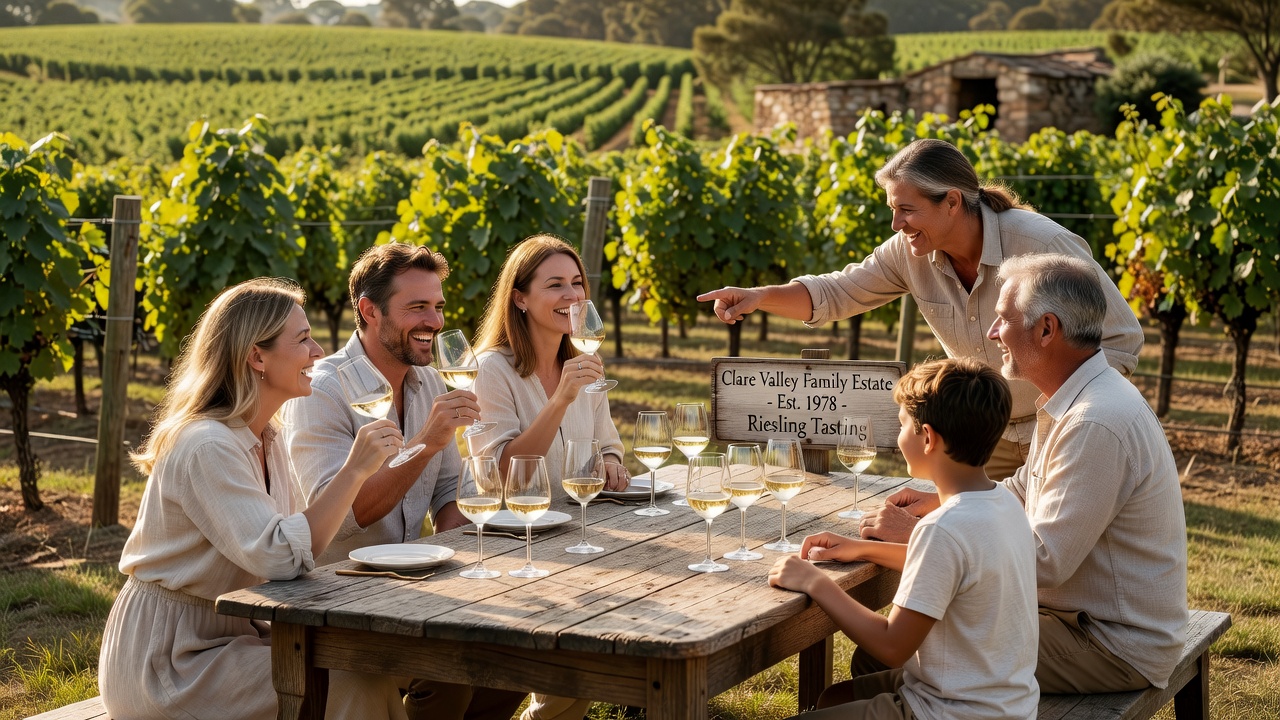
Multi-generational properties in the Polish Hill River and Watervale districts showcase century-old vines alongside modern sustainable techniques. Several host seasonal events such as starlit tastings and grape-picking experiences that connect visitors directly with the land. These intimate settings foster conversations with winemakers who share stories of drought resilience and soil stewardship passed down through families.
Common Mistakes to Avoid on Wine Tours
Over-scheduling too many tastings in one day leads to palate fatigue; limit visits to four or five per day. Forgetting to book ahead during harvest or festival periods can result in missed opportunities. Always designate a driver or arrange transport, and remember to stay hydrated between tastings.
Conclusion
Clare Valley's distinctive terroir produces wines of remarkable clarity and personality. By exploring its soils, elevations, and microclimates through thoughtful itineraries and sustainable choices, visitors gain both enjoyment and understanding. Whether traveling in 2026 or discovering the wines from afar, the region's family estates offer authentic connections that linger long after the last glass.
FAQ
What is the best time to visit Clare Valley for wine tours?
September through November brings mild weather and wildflowers, while March coincides with harvest activities and lively events.
How does elevation affect Riesling flavors?
Higher sites deliver brighter acidity and floral intensity thanks to cooler nights and larger temperature swings.
Are there beginner-friendly tasting options?
Many estates offer guided flights with clear explanations of terroir and simple food pairings.
Where can I learn more about Australian wine regions?
Visit Wine Australia for official resources and regional overviews.
What tourism resources support Clare Valley travel planning?
Check South Australia tourism for maps, events, and accommodation ideas.
How far in advance should I book 2026 tours?
Reserve popular cellar doors and events at least four to six weeks ahead, especially for weekends and festivals.
No comments yet. Be the first!