 Uncorked Conversations
Mosel Valley Terroir: Riesling Vineyards & 2026 Wine Tours Guide
The Mosel Valley stands as one of the world's premier wine regions, renowned for its steep slate vineyards that produce exceptional Riesling. This beginner-friendly guide delves deep into the region's distinctive terroir, shaped by soil, climate, and topography, while offering practical recommendations for 2026 vineyard tours and tastings. Whether you are new to wine regions or seeking deeper insights into wine terroir, the Mosel offers an unmatched opportunity to understand how vineyards influence regional wines.
Understanding Mosel Terroir and Its Influence on Riesling
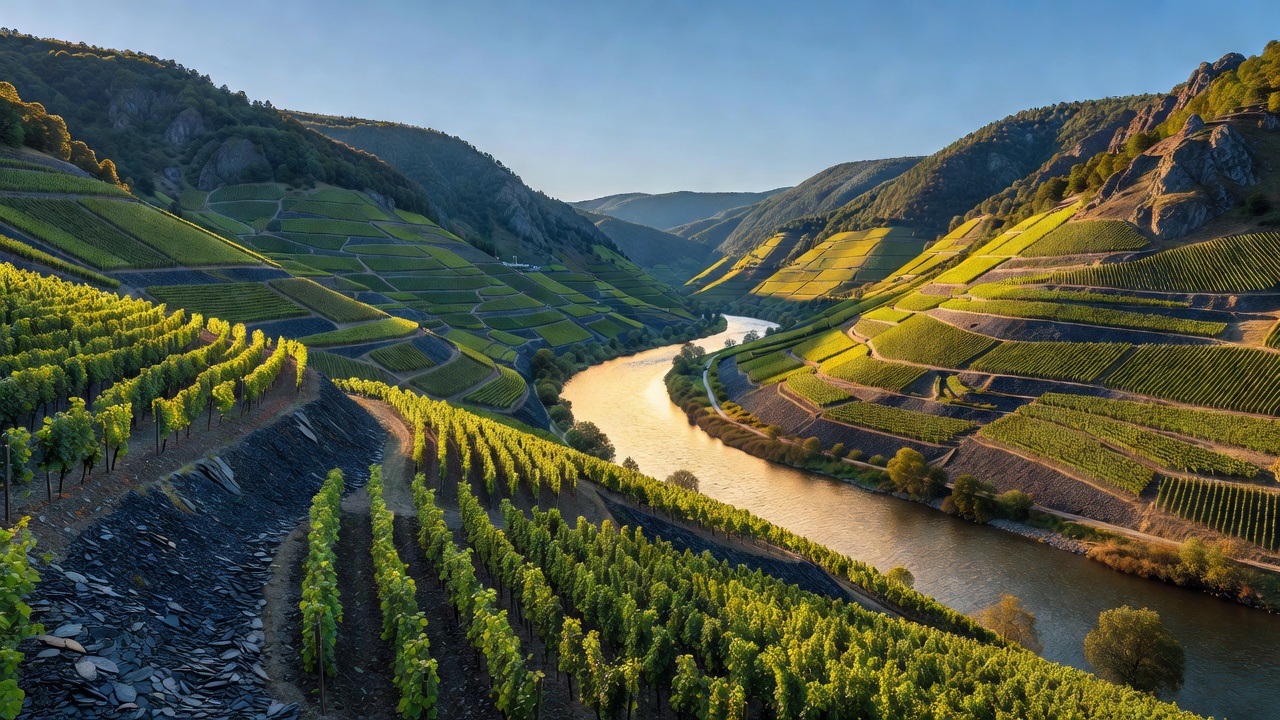
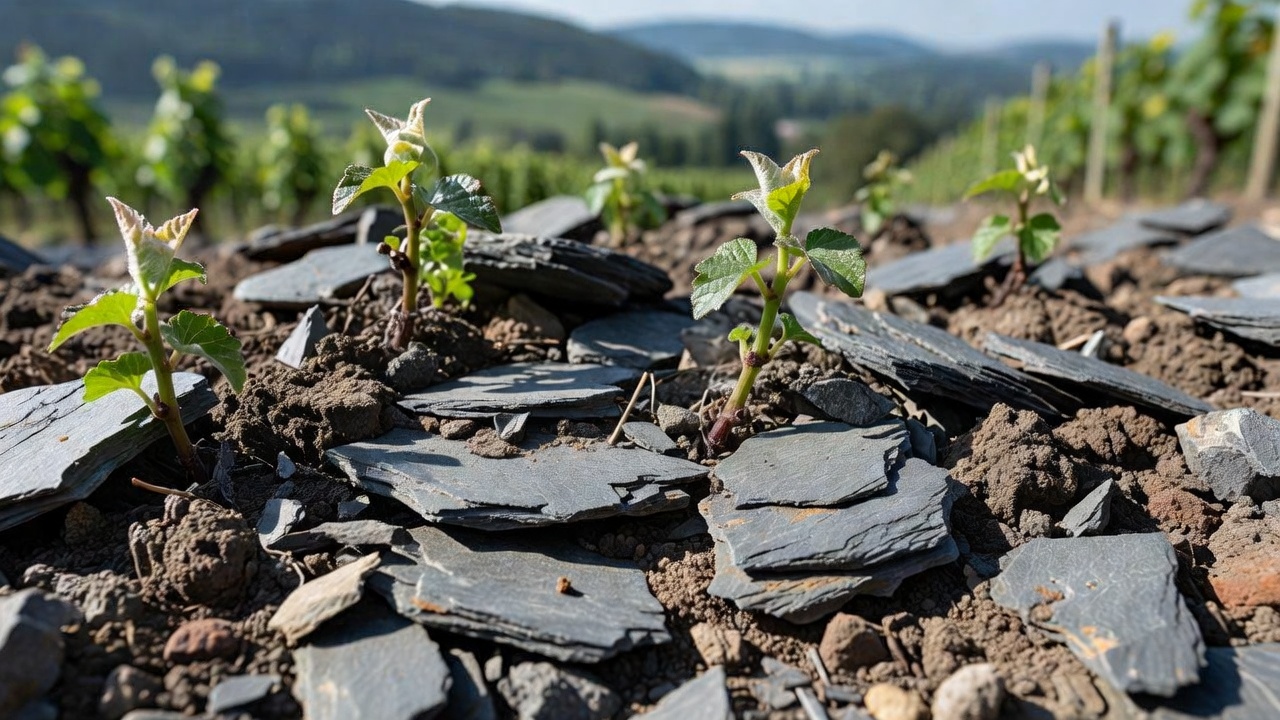
Terroir encompasses the unique combination of soil, climate, and topography that defines a wine's character. In the Mosel, these elements converge to create Rieslings with vibrant acidity, mineral notes, and aromatic complexity. The valley's vineyards, often clinging to slopes exceeding 50 degrees, force vines to work harder, concentrating flavors in the grapes. Devonian slate dominates the soil profile, delivering distinctive flinty and smoky qualities that set Mosel Riesling apart from other global examples. This geological foundation varies across sites, allowing for nuanced expressions even within short distances along the river.
Local vintners emphasize how the slate retains heat during the day and releases it at night, aiding ripening in this cool-climate area. Visitors on wine tours frequently learn that these conditions produce wines with exceptional aging potential, often developing honeyed notes after a decade or more in bottle.
The Role of Climate and Topography in Regional Wines
The Mosel's cool climate, moderated by the river, extends the growing season and preserves acidity in Riesling grapes. South-facing slopes maximize sunlight exposure, while the river reflects warmth and protects against frost. Topography creates microclimates: higher elevations yield more elegant wines, while lower sites produce fuller-bodied expressions. The interplay of these factors results in wines that range from bone-dry to lusciously sweet, reflecting the varied conditions across the valley. Climate change discussions among producers highlight the need to adapt vineyard practices while preserving the authentic character of Mosel terroir.
Regional wines benefit from long autumns that allow grapes to develop complex sugars without losing freshness. This balance makes Mosel Riesling versatile for many cuisines and occasions.
Riverside vs Hillside Vineyards: Key Comparisons
Riverside sites benefit from the moderating influence of the Mosel River, offering milder temperatures and easier access. These locations often produce approachable Rieslings with ripe fruit flavors. In contrast, hillside vineyards deliver more intense mineral character and structure due to poorer soils and steeper inclines. Many top estates manage both types of sites to showcase the full spectrum of Mosel terroir.
- Riverside advantages: Better drainage in some areas, scenic boat access for tours, and slightly higher yields that support consistent production volumes.
- Hillside benefits: Superior sun exposure, dramatic views, and wines with greater aging potential that appeal to collectors.
- Challenges for visitors: Hillside plots require good physical fitness for walking tours, whereas riverside vineyards suit those seeking relaxed tastings with minimal hiking.
Understanding these differences helps first-time visitors select the right wine tours based on their interests and mobility preferences.
Iconic Estates Showcasing Mosel Terroir
Estates like Dr. Loosen and Egon Müller exemplify the region's potential. Dr. Loosen's steep plots near Bernkastel produce Rieslings that highlight slate-driven minerality. Egon Müller's wines from the Scharzhofberg vineyard demonstrate how topography elevates quality, resulting in internationally acclaimed bottles. Other notable producers include Maximin Grünhaus and Reichsgraf von Kesselstatt, each offering unique perspectives on how specific vineyard parcels shape flavor profiles.
These producers welcome visitors, providing insights into sustainable practices that preserve the terroir for future generations. Many estates now incorporate organic or biodynamic methods to maintain soil health and biodiversity in the vineyards.
Planning Your 2026 Wine Tours and Tastings
Organizing a 2026 trip starts with selecting tour operators specializing in the Mosel. Focus on small-group experiences that include vineyard hikes and cellar visits. Book early for peak seasons, and consider combining tours with river cruises for a complete perspective on the landscape. Look for tastings that compare wines from different terroirs to fully appreciate the region's diversity. Practical steps include checking train connections from major cities like Frankfurt or Cologne and verifying English-language availability at each estate.
Researching harvest dates in advance allows travelers to align visits with special events such as open cellar days or grape-picking experiences.
Seasonal Tasting Itineraries for First-Time Visitors
Spring offers blooming vineyards and lighter Rieslings perfect for outdoor tastings. Summer brings festivals and warm-weather pairings. Autumn harvest tours provide hands-on experiences, while winter cellar visits highlight aged vintages. A sample three-day plan might look like this:
- Day 1: Riverside estates near Trier for introductory tastings and history lessons on regional wines.
- Day 2: Hillside hikes in the Middle Mosel with lunch pairings featuring local smoked meats and cheeses.
- Day 3: Upper Mosel exploration focusing on dry styles and visits to lesser-known family-run vineyards.
Adjust the itinerary based on weather forecasts and personal energy levels for optimal enjoyment.
Common Mistakes to Avoid on Mosel Wine Tours
New visitors sometimes underestimate the steepness of the vineyards and arrive unprepared without proper footwear. Another frequent error is skipping reservations at popular estates, leading to missed opportunities for private tastings. Over-scheduling multiple sites in one day can reduce appreciation of each wine's unique terroir expression. Always allow time between appointments for travel and reflection.
Practical Tips for Accessibility and Enjoyment
First-timers should wear sturdy shoes for steep terrain and arrange transport between sites. Many estates offer English-language tours, and public ferries provide scenic, accessible travel along the river. Pair Rieslings with local foods like smoked trout or soft cheeses to enhance the experience. Consider mobility options such as e-bikes or shuttle services for hillside locations.
Common FAQs About Pairing and Mosel Wines
How does terroir affect food pairings? The mineral edge of Mosel Riesling complements seafood and spicy cuisines beautifully. Are the vineyards accessible for all mobility levels? Riverside sites are generally easier; check with estates for hillside options with assistance. What styles should beginners try first? Start with off-dry Kabinett Rieslings to ease into the region's acidity. Can tours accommodate dietary restrictions during pairings? Most estates are happy to adapt menus when notified in advance.
For more on German wine regions, explore Germany Travel. Additional resources on Riesling can be found via Deutsche Weine. Learn about estate classifications at VDP.
Conclusion
The Mosel Valley's terroir creates unforgettable Rieslings worth exploring through thoughtful 2026 tours. By understanding its soils, climate, and sites, visitors gain a deeper appreciation for these world-class regional wines and return home with lasting memories of the vineyards.
No comments yet. Be the first!