 Uncorked Conversations
Discovering Priorat: Spain's Hidden Gem Among Wine Regions
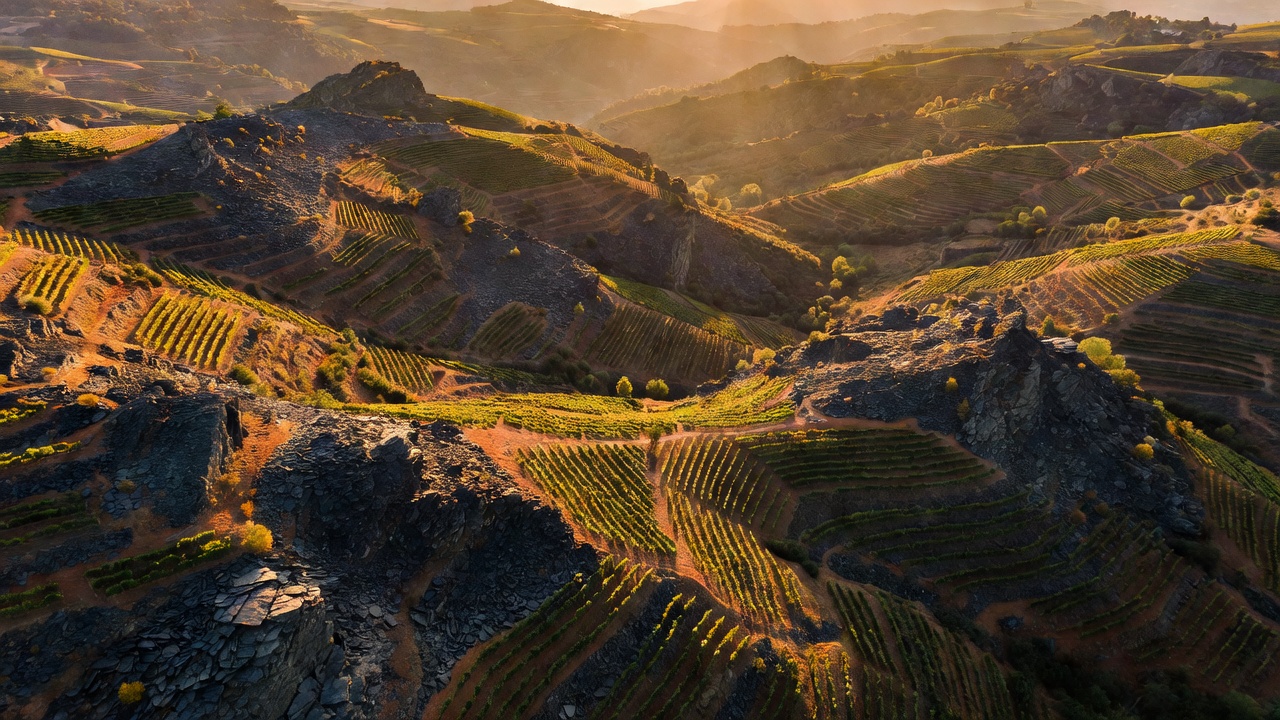
Priorat stands out as an under-the-radar destination in the world of wine regions. Located in Catalonia, this small DOQ area delivers powerful regional wines shaped by its dramatic slate and licorella terroir. Unlike the more famous Rioja or Ribera del Duero, Priorat offers intense, mineral-driven expressions that reward visitors seeking authentic experiences. The region’s compact size belies its influence on modern Spanish winemaking, with steep hillsides and ancient terraces creating a landscape that feels both rugged and refined. Travelers who venture here discover not only exceptional bottles but also a deep connection to the land that produces them.
The Unique Terroir of Priorat Vineyards
The foundation of Priorat's reputation lies in its soil. Licorella, a fractured slate unique to the region, forces vines to dig deep for water and nutrients. This results in low yields but grapes packed with concentration and complexity. Microclimates vary sharply across the hillsides, creating diverse expressions even within neighboring vineyards. The combination of steep slopes, poor soils, and Mediterranean influences produces wines with remarkable structure and aging potential. Elevation changes from 100 to over 700 meters create pockets of cooler air that preserve acidity while warmer valley floors encourage ripeness. Rainfall is limited, often under 500 millimeters annually, which stresses the vines further and concentrates flavors. Soil scientists note that the licorella reflects sunlight during the day and radiates heat at night, extending the growing season in subtle but important ways.
Key varietals include Garnacha (Grenache) and Carignan (Cariñena). Garnacha brings ripe fruit and spice, while Carignan adds acidity and dark fruit notes. Both thrive in the challenging terroir, often blended with smaller amounts of Cabernet Sauvignon or Syrah at boutique estates. These grapes have adapted over generations to the harsh conditions, producing wines that range from elegant and floral to brooding and earthy depending on the exact parcel.
Historic Vineyards and Standout Estates
Many Priorat vineyards date back centuries, with some terraced plots still worked by hand. Real-world examples include Clos Mogador and Álvaro Palacios, pioneers who helped revive the region in the 1980s and 1990s. Smaller producers like Mas Martinet and Clos de l'Obac offer intimate tastings that highlight single-vineyard character. These estates demonstrate how traditional methods meet modern precision to craft exceptional regional wines. The revival story began when a small group of visionaries recognized the potential of old Garnacha vines that had survived phylloxera and decades of neglect. Today visitors can walk among vines planted more than 80 years ago and taste wines that reflect both heritage and innovation.
Planning Your 2026 Wine Tours in Priorat
Begin with research on seasonal conditions. Spring and fall offer mild weather ideal for vineyard walks, while summer brings harvest energy but higher temperatures. Book tastings in advance, especially at family-run properties. Consider hiring a local driver for the winding roads or joining organized small-group tours that include multiple stops. Practical steps include checking visa requirements if traveling from outside the EU, securing travel insurance that covers wine-tasting activities, and downloading offline maps since cell service can be spotty in the hills. Budget for fuel, tasting fees, and meals; many estates now accept card payments but some smaller ones prefer cash.
Recommended tasting routes start in Gratallops, the unofficial capital, then move to Porrera and Bellmunt del Priorat. A typical day might include three estates with lunch featuring local pairings like grilled meats and aged cheeses. Allow time between visits to absorb the dramatic landscape. Another popular circuit runs through Torroja del Priorat and La Morera de Montsant, where visitors often encounter both historic cooperatives and cutting-edge boutique wineries. For those with more time, extending the journey into the neighboring Montsant DO provides valuable comparisons of similar yet distinct terroir expressions.
Comparisons to other Spanish wine regions highlight Priorat's intensity versus Rioja's elegance or Rías Baixas' freshness. Travelers often combine Priorat with a stop in nearby Montsant for further exploration of similar terroir styles. The steep terrain and lower production volumes mean Priorat wines command higher prices on average, yet the quality-to-price ratio remains strong for those who appreciate concentrated, age-worthy reds.
Seasonal Tips and Accessibility for Visitors
- Book accommodations early in peak months; many charming masías (farmhouses) double as boutique stays.
- Pair wines with regional cuisine—try Priorat reds with roasted lamb or local sausages.
- Check accessibility: many estates have adapted paths, but steep terrain requires sturdy shoes.
- Public transport is limited, so rent a car or use tour services for safety and convenience.
- Visit during the grape harvest in late September or early October for the most immersive experience, though advance reservations become essential.
- Consider shoulder seasons such as March-April or October-November for fewer crowds and comfortable hiking temperatures.
Common Questions About Priorat Wine Tours
How accessible are the vineyards for beginners?
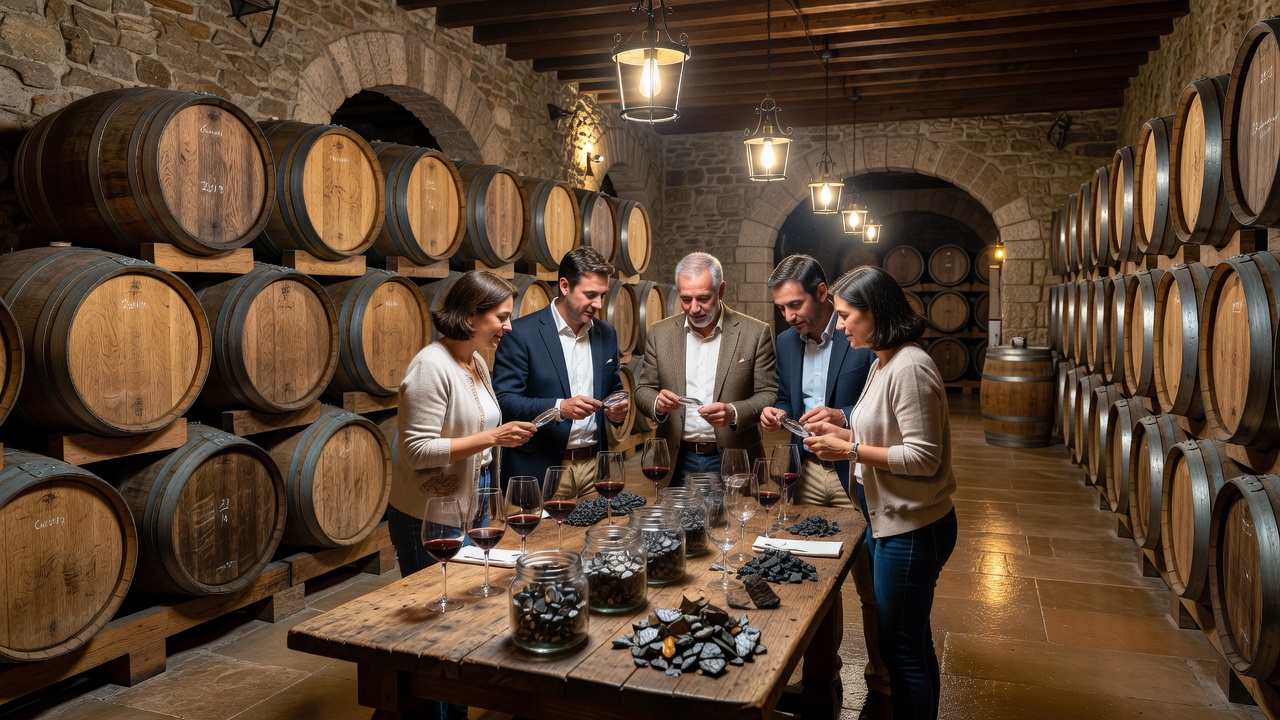
Most estates welcome newcomers with guided explanations. Start with larger producers before moving to tiny cellars for deeper dives into wine terroir. Many now offer English-language tours and simplified tasting sheets that explain the role of licorella soil without overwhelming jargon.
What foods pair best with Priorat regional wines?
Robust reds complement grilled meats, mushrooms, and aged cheeses. Lighter vintages suit tomato-based dishes or charcuterie. Local restaurants often suggest pairings with traditional Catalan dishes such as escalivada or calçots when in season.
Is Priorat suitable for day trips from Barcelona?
Yes, with a two-hour drive. Many visitors base themselves in the region for two or three nights to fully experience the vineyards and wine tours. Early morning departures help avoid traffic on the AP-7 motorway.
Are there options for non-drivers or those with mobility concerns?
Some estates offer shuttle services from nearby towns, and a growing number of tours use adapted vehicles. Always confirm accessibility features directly with each property when booking.
Conclusion
Priorat offers a compelling mix of dramatic wine terroir, historic vineyards, and approachable wine tours. Whether you're a beginner exploring Spanish wine regions or an intermediate enthusiast chasing intense regional wines, this Catalan gem delivers memorable tastings and insights. Plan ahead for 2026 and immerse yourself in one of Spain's most distinctive destinations. For more on Spanish wines, visit Spain's official tourism site or explore broader resources at Wines from Spain.
No comments yet. Be the first!