 Uncorked Conversations
Introduction to Peloponnese Terroir
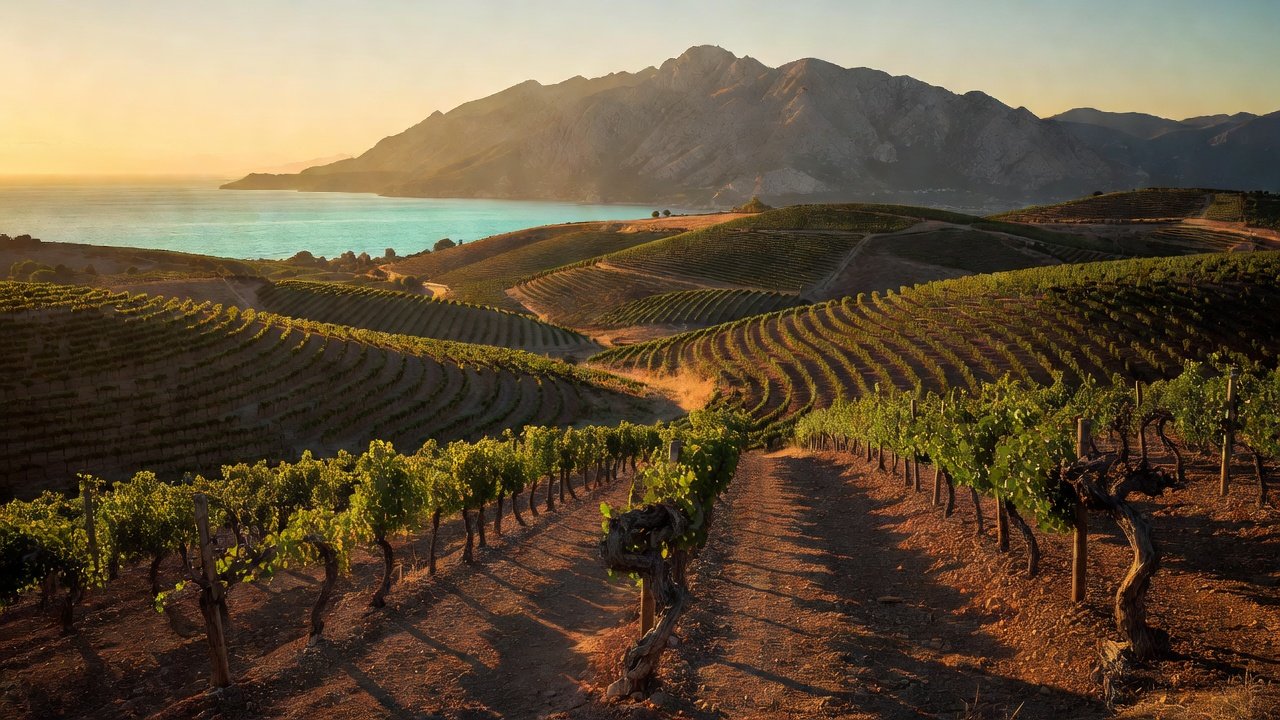
The Peloponnese peninsula in southern Greece stands out as a premier destination for wine enthusiasts seeking distinctive terroir shaped by towering mountain ranges and refreshing coastal influences. This region’s dramatic topography creates a mosaic of microclimates that nurture indigenous grape varieties, resulting in wines celebrated for their complexity, balance, and sense of place. In 2026, vineyard tours across the Peloponnese place strong emphasis on sustainable viticulture, allowing visitors to witness firsthand how traditional practices merge with modern environmental stewardship. Whether you are a seasoned oenophile or a curious beginner, these experiences offer immersive education on how elevation, soil composition, and sea breezes converge to produce world-class wines.
Travelers planning 2026 visits will find the region particularly welcoming, with estates offering guided walks through ancient vineyards, interactive tastings, and opportunities to participate in hands-on activities. The combination of natural beauty, rich history, and forward-thinking sustainability makes the Peloponnese an essential stop for anyone exploring Greek wine culture.
Understanding the Unique Terroir
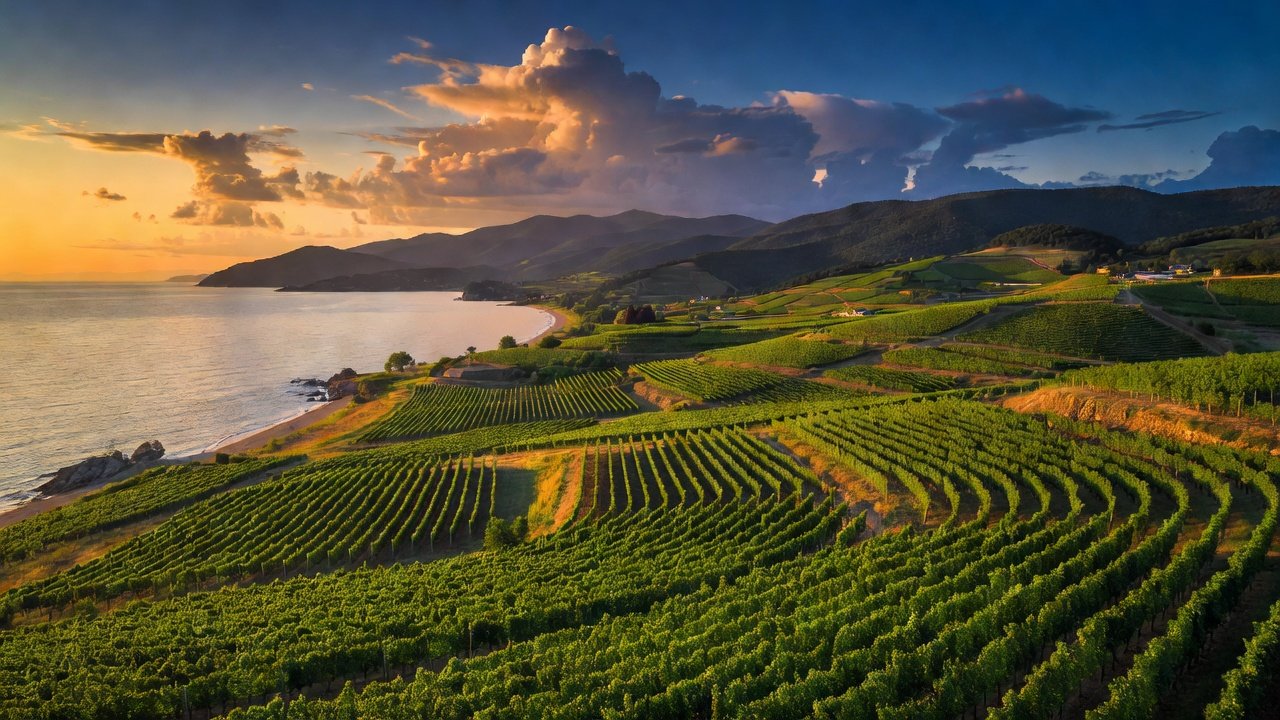
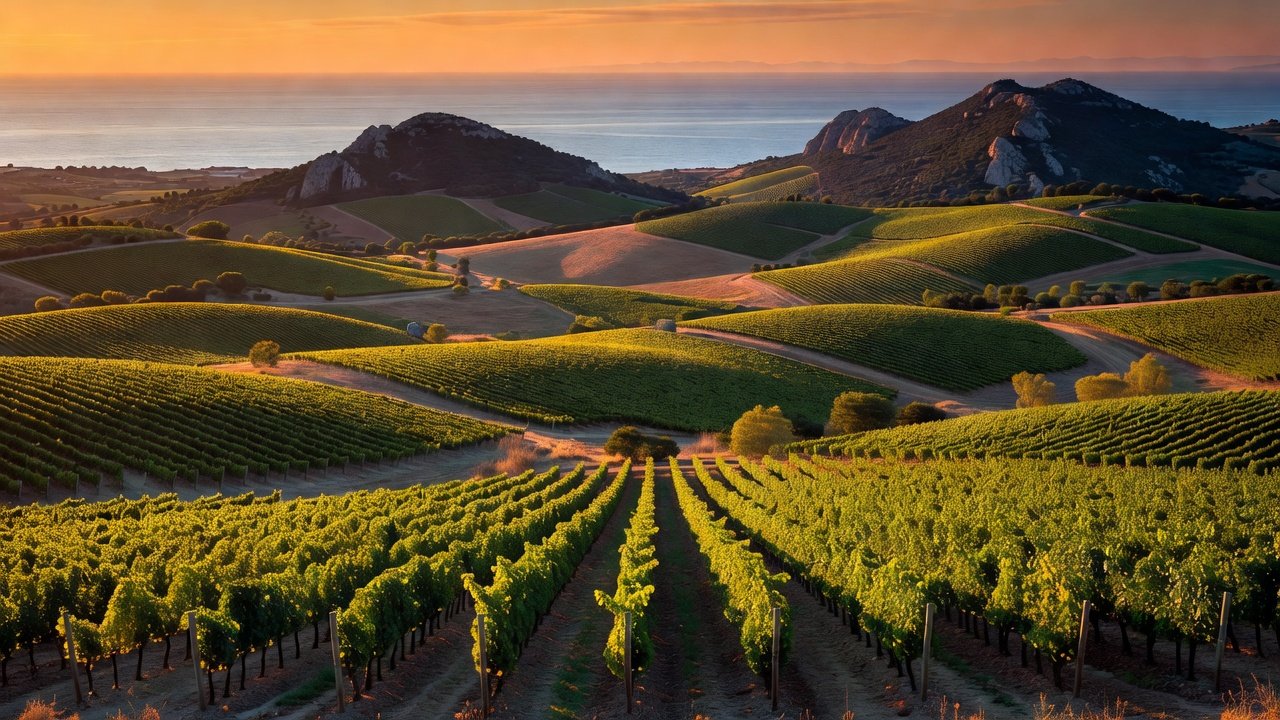
The Peloponnese’s terroir is defined by its limestone-rich soils, high-altitude vineyards reaching over 800 meters, and pronounced diurnal temperature shifts that preserve acidity while concentrating fruit flavors. Coastal breezes from the Ionian and Aegean Seas temper summer heat, preventing over-ripening and allowing grapes to develop nuanced aromatic profiles. These conditions differ markedly from flatter Mediterranean zones, giving Peloponnese wines a signature freshness and minerality that sets them apart.
Soil variations across sub-regions further enhance diversity. Nemea’s red clay and limestone produce structured reds, while Mantinia’s cooler, higher plateaus yield aromatic whites with vibrant acidity. This geological and climatic interplay creates wines that reflect both power and elegance, offering complexity rarely found in more uniform growing areas.
Indigenous Grapes: Agiorgitiko and Assyrtiko
Agiorgitiko, often referred to as the “blood of Hercules,” dominates the Nemea appellation with its deep ruby hue, plush tannins, and flavors of ripe cherry, plum, and subtle spice. This variety adapts beautifully to the region’s warm days and cool nights, producing reds that age gracefully for five to ten years. Assyrtiko, transplanted from its volcanic origins but thriving in Peloponnese highlands, delivers crisp, mineral-driven whites with notes of citrus, green apple, and saline finish. Additional indigenous varieties such as Moschofilero contribute floral aromatics to sparkling and still whites, while Mavrodaphne adds depth to fortified and sweet wines.
These grapes express the terroir authentically when grown with minimal intervention. Sustainable estates prioritize native yeasts and low yields, allowing each variety’s unique character to shine without heavy oak influence or technological manipulation.
Standout Vineyards and Estates for 2026 Tours
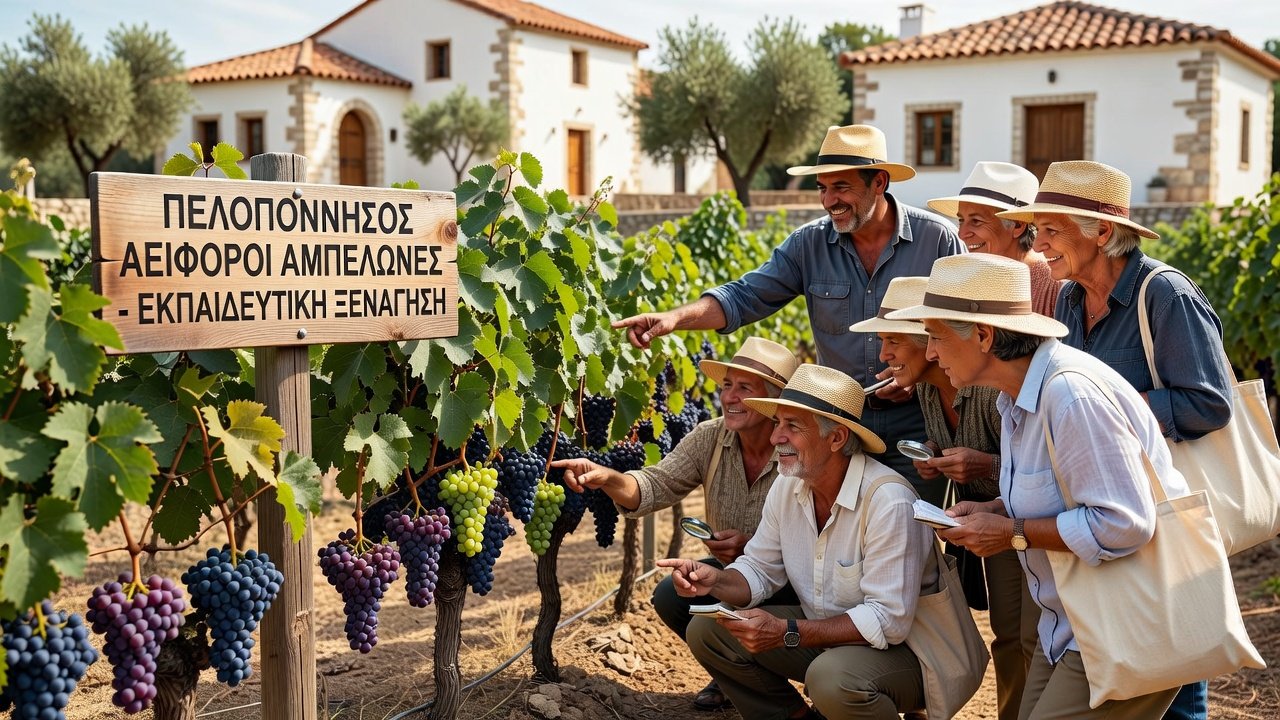
Leading estates like Domaine Skouras, Gaia Wines, and Tselepos Winery provide immersive 2026 tour programs centered on organic and biodynamic methods. Guests explore terraced slopes, learn about biodiversity corridors that support pollinators, and observe water-conservation techniques such as drip irrigation and cover cropping. Many properties generate a portion of their energy through solar installations, aligning with European Union sustainability benchmarks. Tours frequently incorporate educational modules on climate resilience, including how elevation helps mitigate rising temperatures.
Visitors can expect small-group experiences that include barrel tastings, vineyard hikes, and seasonal harvest participation. These estates balance hospitality with genuine insight, making them ideal for both novices and experts.
Practical Tasting Itineraries
A well-paced three-day itinerary begins in Nemea with morning vineyard tours focused on Agiorgitiko, followed by afternoon tastings paired with local charcuterie. Day two shifts to Mantinia for Moschofilero explorations and sparkling wine production visits. The final day heads coastal near Patras for Assyrtiko and seafood pairings. Allocate time for ancient sites such as Olympia to appreciate the deep historical roots of Peloponnese winemaking that stretch back thousands of years.
Travelers should book private transfers between regions and consider staying at estate guesthouses for extended evening tastings. This structure maximizes exposure while allowing recovery time between sessions.
Seasonal Harvest Insights
Harvest windows vary by elevation, typically spanning mid-September at lower sites to early October at higher altitudes. Early-season visits reveal selective hand-picking aimed at maintaining acidity, whereas later visits showcase full phenolic development. Sustainable estates often welcome guests to join gentle harvesting teams, emphasizing low yields that produce concentrated, expressive wines. Weather monitoring apps and estate newsletters provide real-time updates for 2026 planning.
Comparisons to Other Mediterranean Regions
Unlike Sicily’s volcanic soils or Priorat’s steep schist terraces, Peloponnese limestone imparts a distinctive salty minerality and bright acidity. The interplay of mountains and coast echoes Lebanon’s terroir yet benefits from cooler nocturnal temperatures that retain fresher fruit character. These differences position Peloponnese wines as compelling alternatives for those seeking complexity beyond mainstream Mediterranean offerings like Chianti or Provence rosé.
Beginner-Friendly Wine and Food Pairings
Pair robust Agiorgitiko with grilled lamb souvlaki or moussaka, where its juicy tannins cut through rich tomato sauces and spiced meats. Crisp Assyrtiko complements grilled octopus, feta salads, and lemon-herb seafood, its acidity cleansing the palate. Moschofilero shines alongside spanakopita or fresh olives. Beginners should start with lighter whites, progress to reds, and experiment with small pours while noting how local herbs like oregano amplify flavor synergy. Many estates provide pairing worksheets during tours to help guests refine their preferences.
Preparing for Your Visit and Common Mistakes to Avoid
Pack comfortable walking shoes for vineyard terrain, a light jacket for cool evenings, and a reusable water bottle. Research estate websites in advance to confirm tour availability and dietary accommodations. Avoid scheduling back-to-back tastings without breaks, as palate fatigue can diminish enjoyment. Beginners benefit from introductory tasting seminars offered at most properties.
FAQs on Booking Tours and Optimal Visit Times
- When is the best time to visit in 2026? Spring (April-May) and fall (September-October) deliver mild temperatures and smaller crowds, perfect for outdoor tastings and harvest observation.
- How to book sustainable tours? Reserve directly through estate websites or specialized eco-tourism operators for customized 2026 packages that include transportation and accommodations.
- Are tours suitable for beginners? Absolutely—most include guided introductions to grape varieties, tasting techniques, and sustainable farming principles.
- What should I expect regarding group sizes? Many estates limit groups to eight to twelve participants to ensure personalized attention.
Advance planning is essential during peak harvest periods. Always confirm current schedules, as they adjust with weather and seasonal demands.
For additional information on Greek wine regions and travel planning, consult authoritative resources such as Visit Greece and the International Organisation of Vine and Wine.
Conclusion
The Peloponnese offers an unparalleled combination of ancient winemaking heritage and contemporary sustainable innovation. Its distinctive terroir, expressed through indigenous grapes, creates wines that captivate both casual drinkers and connoisseurs. With thoughtful 2026 tour planning, visitors can immerse themselves in this dynamic region while supporting environmentally responsible practices that ensure its future vitality.
No comments yet. Be the first!