 Uncorked Conversations
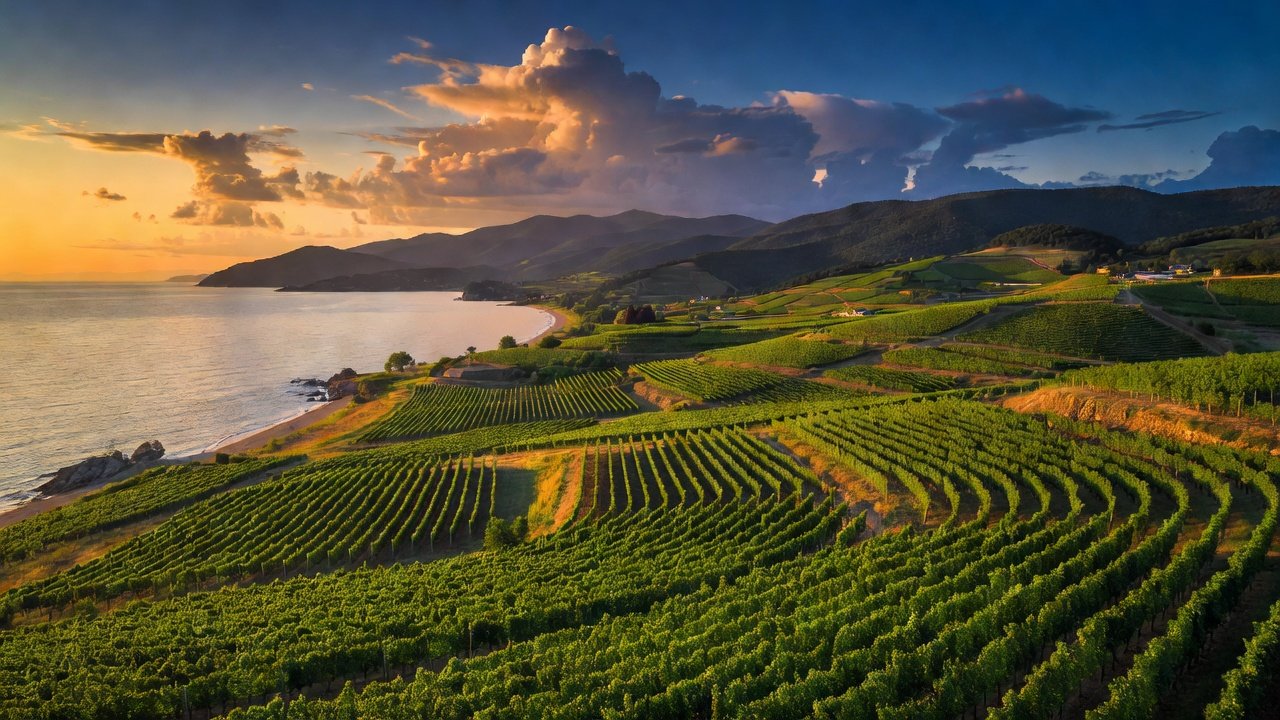
Discovering Moldova's Unique Black Sea Terroir
Moldova's wine heritage thrives at the crossroads of the Black Sea and the Carpathian Mountains, creating distinctive terroir that sets its indigenous grapes apart from other European regions. This blend of maritime influences and mountainous terrain produces wines with vibrant acidity, mineral notes, and complex aromas that attract wine enthusiasts seeking off-the-beaten-path destinations in 2026. The country's compact size belies its diversity, with over 100,000 hectares under vine, many dedicated to ancient local varieties that have adapted perfectly to the local conditions over centuries.
The Black Sea moderates temperatures along the coast, while Carpathian foothills provide varied elevations and soil diversity. These factors contribute to extended growing seasons and concentrated flavors in varieties that have been cultivated here for centuries. Travelers in 2026 will find a welcoming scene that combines Soviet-era winemaking legacy with modern sustainable approaches, making it an ideal destination for those looking beyond mainstream European wine countries.
Black Sea and Carpathian Influences on Terroir
The proximity to the Black Sea brings mild winters and cooling breezes that preserve freshness in white wines, while the Carpathian slopes offer protection from harsh winds and rich, limestone-rich soils. This combination yields grapes with exceptional balance, making Moldova a rising star for unique European wine tourism. The sea's influence extends humidity and fog in autumn, which can lead to noble rot in certain plots, adding layers of complexity to late-harvest wines. Meanwhile, the foothills create dramatic elevation changes from 50 to 300 meters, resulting in varied microclimates that allow both early and late-ripening grapes to thrive.
Historical records show winemaking in the region dates back thousands of years, with the unique terroir shaped by both natural forces and traditional practices passed down through generations. This interplay of sea, mountain, and soil is what makes Moldovan wines stand out in blind tastings against more famous neighbors.
Standout Indigenous Varieties: Fetească Albă and Rară Neagră
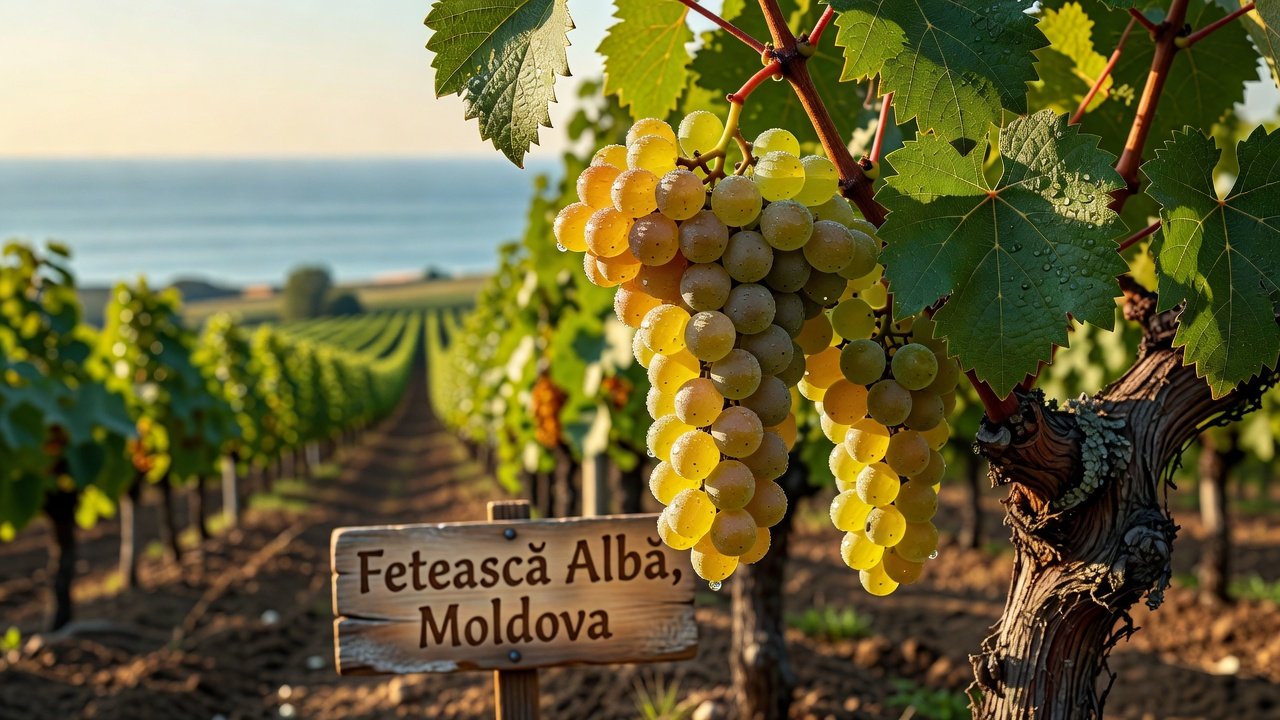
Among Moldova's native grapes, Fetească Albă stands out for its aromatic profile. Tasting notes often include white peach, honeysuckle, and subtle spice, with vibrant acidity that shines in wines from coastal vineyards. Examples include crisp expressions from estates near the Black Sea that highlight its floral elegance, such as those produced in small batches emphasizing minimal intervention. These wines typically show 12-13% alcohol and pair well with light seafood due to their zesty finish.
Rară Neagră delivers bold reds with dark cherry, plum, and herbal undertones, balanced by fine tannins. Vineyard examples from inland slopes showcase its structure and aging potential, often with earthy depth influenced by the region's mineral soils. Producers in the south age these wines in oak for 12-18 months to develop notes of vanilla and leather. Both varieties demonstrate remarkable resilience to local climate challenges, including occasional droughts and spring frosts.
Tasting Notes and Vineyard Examples
- Fetească Albă from Black Sea plots: fresh citrus, almond blossom, and saline minerality; try examples from Purcari or Cricova estates for benchmark expressions.
- Rară Neagră from Carpathian foothills: blackberry, violet, and tobacco leaf with velvety texture; look for single-vineyard bottlings from Et Cetera or Lion Gri for depth and complexity.
- Additional profiles: Both grapes show excellent aging potential, with whites evolving honeyed notes after 3-5 years and reds developing dried fruit characteristics over a decade.
Comparing Micro-Regions: Codru and Valul lui Traian
The Codru region, nestled in forested hills, benefits from cooler microclimates ideal for aromatic whites like Fetească Albă, producing lighter, more floral styles. Soils here are predominantly clay and limestone, which contribute to structured acidity. In contrast, Valul lui Traian near the Black Sea features warmer conditions and sandy soils that enhance the ripeness and depth in Rară Neagră reds. This area sees more sunshine hours, leading to fuller-bodied wines with softer tannins. Travelers comparing these areas for 2026 tours will find Codru suited for elegant whites and Valul lui Traian for robust, food-friendly reds. A third notable area, the Cahul region, bridges the two with balanced conditions for both colors.
Practical 2026 Vineyard Tour Itineraries
Plan a week-long journey starting in Chișinău, visiting Codru estates for tastings, then heading to Black Sea vineyards in Valul lui Traian. Include stops for guided tours highlighting terroir, with options for e-bike rides through vines. Sustainable operators offer small-group experiences focused on harvest timing and soil preservation. Day 1-2: Focus on central Codru with visits to historic cellars. Day 3-4: Travel south for seaside tastings and beach walks. Day 5-7: Return via mixed routes with pairing dinners. Book in advance for 2026 as demand grows; many tours include airport transfers and English-speaking guides. Consider shoulder months like May or September for ideal weather and fewer crowds.
Sustainable Practices in Moldovan Vineyards
Many producers emphasize organic farming, cover cropping, and water conservation to protect the Black Sea ecosystem. These methods maintain biodiversity while ensuring long-term quality in indigenous varieties, aligning with growing demand for responsible wine travel. Examples include biodynamic plots at select estates that use natural compost and avoid synthetic pesticides. Visitors can participate in workshops on regenerative agriculture during tours, learning how these practices preserve the unique terroir for future generations.
Regional Wine Pairing Suggestions
Pair Fetească Albă with grilled fish or fresh salads to complement its acidity. Rară Neagră matches beautifully with roasted meats or local cheeses, enhancing its herbal notes. Explore these combinations at vineyard restaurants for an authentic experience. Other suggestions include matching Fetească Albă with Moldovan plăcintă pastries filled with cheese, or Rară Neagră with mămăligă cornmeal dishes. Wine tourism operators often arrange multi-course meals showcasing these pairings to educate visitors on flavor synergies.
FAQs on Travel Logistics and Booking Tips
How do I book 2026 tours? Start with reputable operators for customized itineraries, allowing time for tastings and transport between regions. Many offer packages including accommodations and meals.
What are entry requirements? Check visa policies and consider shoulder seasons for fewer crowds. Most visitors need a valid passport, and EU citizens enjoy visa-free entry.
Is Moldova beginner-friendly? Yes, with English-speaking guides and accessible estates perfect for first-time explorers of unique European wine destinations. Public transport is limited, so private transfers are recommended for convenience.
What should I pack? Comfortable shoes for vineyard walks, a light jacket for evenings, and a notebook for tasting notes. Many estates provide spittoons and educational materials.
For more on global wine heritage, see resources at Wikipedia and Britannica. Additional insights on sustainable travel can be found via National Geographic.
Conclusion: Planning Your 2026 Moldova Wine Adventure
Moldova's Black Sea terroir offers an unforgettable blend of history, nature, and exceptional indigenous wines. With careful planning around the 2026 season, visitors can immerse themselves in sustainable practices, compare distinct micro-regions, and discover pairings that highlight local cuisine. This emerging destination promises authentic experiences away from crowded tourist paths, rewarding those who venture here with memorable bottles and stories to share.
No comments yet. Be the first!