 Uncorked Conversations
Discovering Languedoc's Unique Wine Terroir
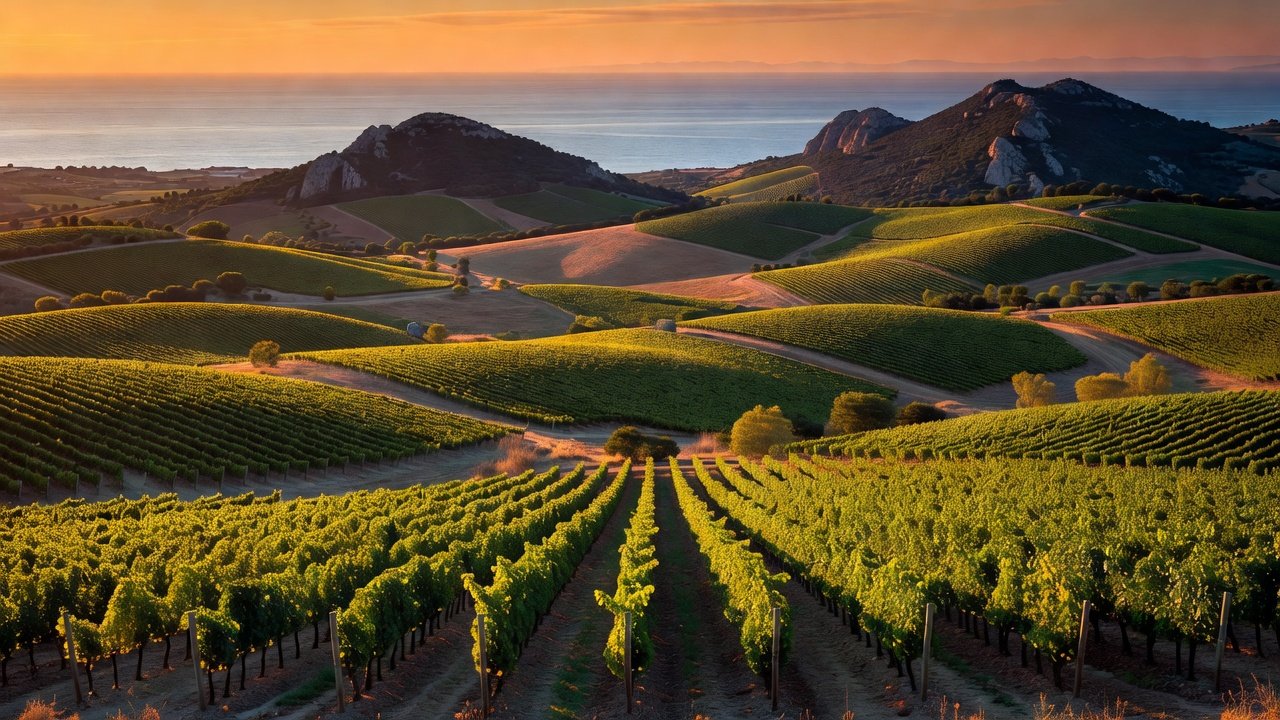
Languedoc stands as one of France's most dynamic wine regions, offering beginners an accessible entry into the world of Mediterranean blends shaped by dramatic terroir. The area's varied landscapes produce regional wines that range from robust reds to crisp whites, all influenced by the interplay of climate, soil, and ancient vineyard traditions. This 2026 guide focuses on practical insights for exploring wine regions through guided vineyard tours while highlighting how terroir defines each bottle. Whether you are new to wine or seeking deeper knowledge, understanding these elements helps you appreciate the nuances in every sip from Languedoc's vineyards.
Understanding Terroir Influences in Languedoc
Terroir encompasses the complete environment where grapes grow, including soil composition, topography, and microclimate. In Languedoc, the Mediterranean sun combines with cooling sea breezes and mountainous backdrops to create ideal conditions for varieties like Grenache and Carignan. These factors yield wines with distinctive minerality and fruit-forward profiles that set the region apart from other French wine regions. The diversity of terroir across Languedoc allows for a wide range of expressions, from powerful reds grown on volcanic slopes to elegant whites nurtured in limestone-rich plateaus. Climate change considerations in 2026 have also prompted many estates to adapt practices, such as earlier harvests and improved irrigation techniques, to preserve the integrity of their regional wines.
Volcanic Soils: Power and Complexity
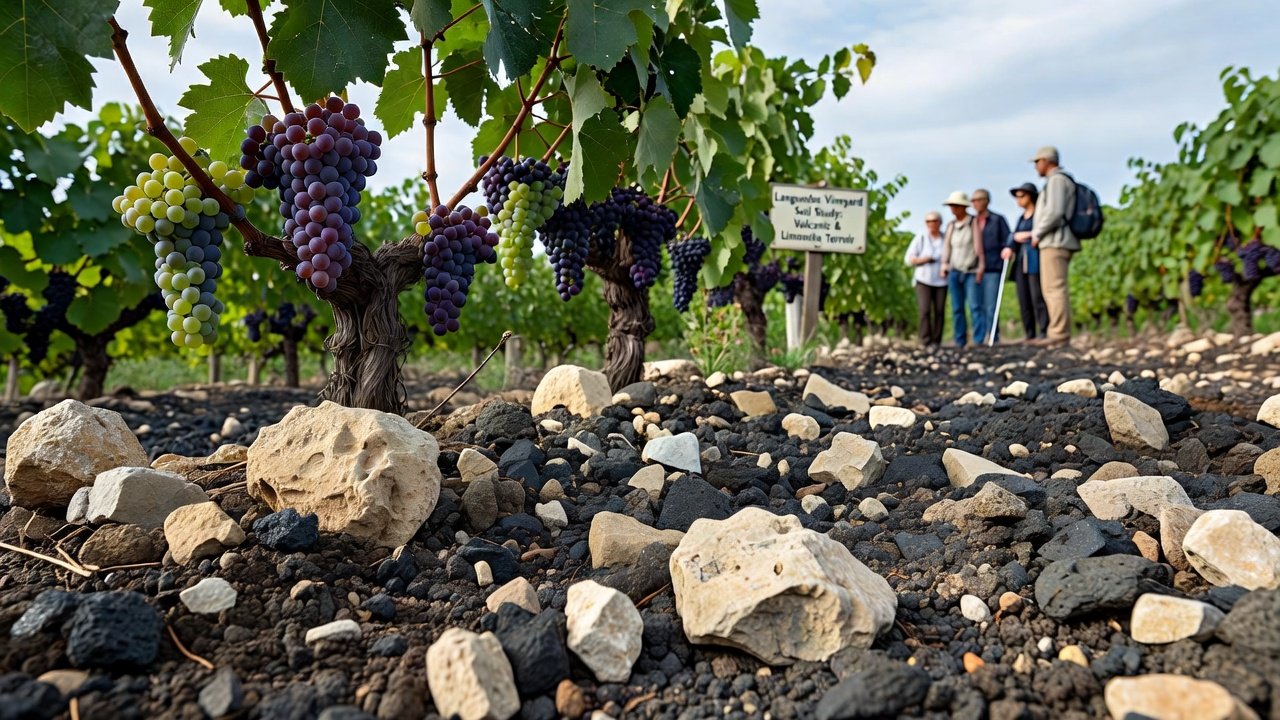
Volcanic soils appear in pockets across the region, particularly around ancient lava flows near the foothills. These porous, mineral-rich grounds retain heat during the day and release it at night, promoting even ripening. Vines rooted here often produce wines with smoky undertones and vibrant acidity, perfect for structured red blends. For example, estates near the commune of Saint-Chinian leverage these soils to craft wines that age gracefully, revealing layers of dark fruit and earth after several years in bottle. Beginners on wine tours frequently note the distinctive grip and intensity that volcanic terroir imparts compared to flatter plains.
Limestone Soils: Elegance and Freshness
Limestone dominates much of the coastal plains and plateaus, providing excellent drainage and a high pH that stresses vines gently. This stress concentrates flavors, resulting in wines with bright citrus notes and elegant tannins. Limestone terroir particularly enhances white and rosé expressions from local vineyards. In areas around Pézenas, the chalky subsoils contribute to wines with crisp acidity and subtle herbal aromas that pair beautifully with Mediterranean cuisine. Many 2026 vineyard tours now include soil pit demonstrations so visitors can see firsthand how these geological features influence grape development.
Additional Soil Types and Their Impact
Beyond volcanic and limestone, Languedoc features schist and clay-loam soils in certain valleys. Schist offers excellent water retention in dry summers while clay-loam provides a balanced nutrient profile for robust vine growth. These variations allow producers to experiment with different grape varieties and blending techniques, resulting in the complex regional wines that define the area. Understanding these soil differences enhances any wine tour experience by connecting the landscape directly to the glass.
Top Vineyards and Must-Visit Wine Tours in 2026
Planning 2026 vineyard tours requires focusing on estates that showcase both volcanic and limestone influences. Key spots include domaines near Pic Saint-Loup for volcanic expressions and areas around Pézenas for limestone-driven elegance. Many tours now incorporate sustainable practices and small-group tastings, making them ideal for beginners interested in wine terroir education. Popular options include half-day visits that combine vineyard walks with cellar tours and vertical tastings of multiple vintages. Hidden estates such as those tucked in the Hérault valley offer intimate experiences away from crowds. These smaller producers often highlight single-vineyard bottlings that reveal subtle terroir differences within the same appellation. When selecting tours, look for operators that provide transportation from nearby cities like Montpellier to simplify logistics for first-time visitors.
Comparing Regional Wines: Carignan and Grenache
Carignan brings dark fruit, spice, and firm structure to Languedoc blends, thriving especially in volcanic soils where it develops depth. Grenache, by contrast, contributes juicy red berry flavors and softer tannins, excelling in limestone areas that lend finesse. Blends combining both varieties create balanced Mediterranean wines with broad appeal. In 2026, many estates are highlighting these comparisons during tastings to educate visitors on how terroir shapes each grape's character. Carignan often shows more rustic, peppery notes while Grenache leans toward sweeter, jam-like fruit. Tasting them side by side reveals the magic of Languedoc's wine regions.
Practical Tasting Tips
- Start with lighter Grenache-dominant rosés to appreciate limestone freshness before moving to fuller Carignan reds.
- Pair volcanic-soil wines with grilled meats to match their smoky intensity.
- Use limestone-influenced whites with seafood for optimal minerality contrast.
- Attend 2026 tastings during cooler morning hours to better perceive subtle terroir nuances.
- Take notes on aroma, palate, and finish to track how soil type affects each wine across different estates.
Sample Itineraries for Terroir-Focused Trips
A three-day beginner itinerary might begin in the volcanic zones around Saint-Chinian, followed by limestone estates near the coast. Day one focuses on soil education and tasting, day two includes a scenic drive between regions with stops at hidden estates, and day three wraps up with a coastal tasting emphasizing rosé and white wines. For longer stays, a five-day route adds visits to schist-influenced vineyards in the interior hills. For affordability, opt for public transport or regional rail passes between wine regions rather than private transfers. Many local tourism offices offer combined tickets that include tastings and entry to multiple sites, reducing overall costs while maximizing exposure to diverse terroirs.
Mistakes to Avoid on Your First Languedoc Wine Tour
Common pitfalls include skipping water between tastings, which dulls the palate, or neglecting to book ahead during peak 2026 seasons. Always confirm if tours include transportation and check cancellation policies. Another mistake is focusing only on well-known estates; exploring lesser-known producers often yields more authentic terroir experiences and personal interactions with winemakers.
FAQs on Planning Affordable Terroir Trips
How do I choose between volcanic and limestone focused tours?
Review estate websites for soil descriptions and select tours that explicitly mention terroir education. Volcanic tours emphasize power and age-worthiness while limestone routes highlight elegance and versatility.
What should beginners pack for vineyard visits?
Comfortable walking shoes, a notebook for tasting notes, and sunscreen are essentials. Many estates provide spittoons and educational materials on regional wines.
Are 2026 wine tours bookable in advance?
Yes, early reservations through official tourism channels help secure spots, especially for popular hidden estates during peak season.
Can I visit multiple wine regions in one day?
With careful planning using regional trains or organized shuttles, it is possible to sample both volcanic and limestone terroirs within a single day, though two days allows for more relaxed pacing.
Are there family-friendly options for wine tours?
Several estates offer non-alcoholic grape juice tastings and kid-friendly vineyard walks, making Languedoc accessible for groups with varying interests.
Further reading on French wine heritage is available at France's official tourism portal. Additional insights into Mediterranean viticulture appear via Wine Magazine's regional coverage and authoritative resources from Decanter's wine guides.
Conclusion
Languedoc's terroir continues to captivate wine enthusiasts in 2026 with its blend of volcanic power and limestone elegance. By focusing on key soils, comparing signature varieties, and following thoughtful itineraries, newcomers can fully appreciate the region's diverse vineyards and regional wines. This guide provides the foundation for memorable, terroir-driven experiences that highlight the best of Languedoc's wine regions.
No comments yet. Be the first!