 Uncorked Conversations
Introduction to Modern Wine Pairings for Plant-Based Proteins
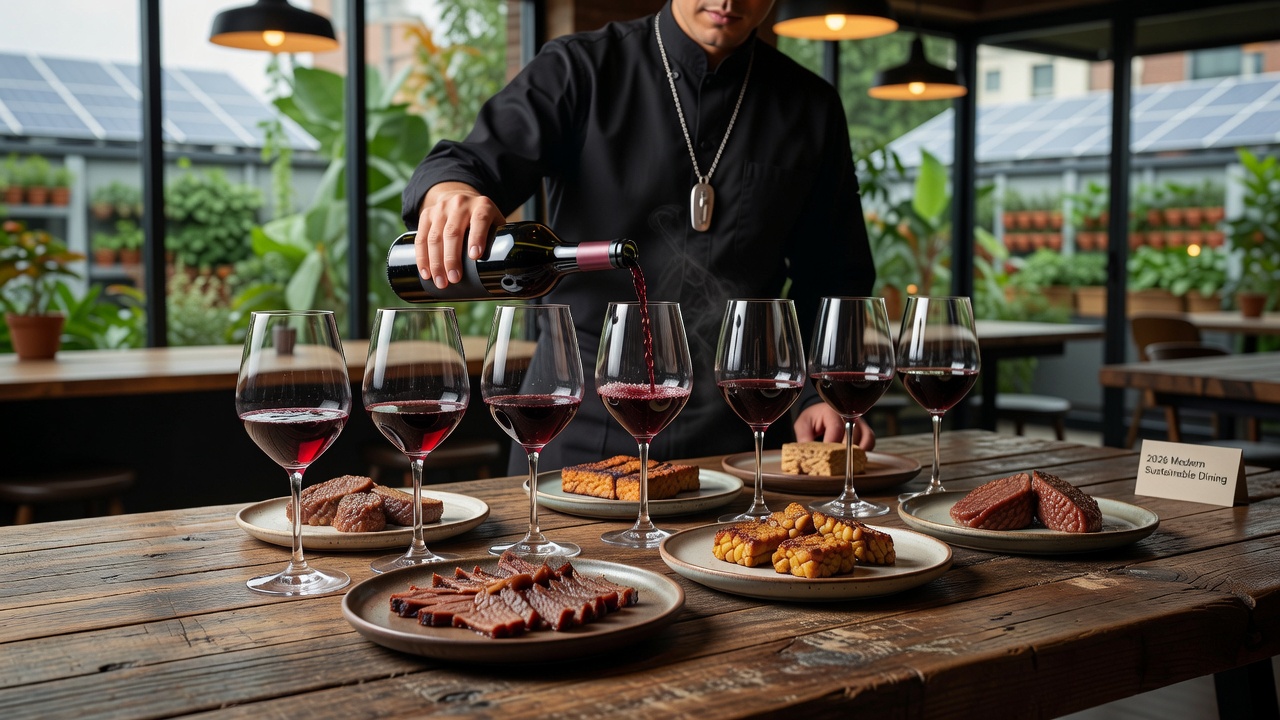
As sustainable dining trends accelerate in 2026, home cooks and foodies are exploring innovative plant-based proteins like seitan, tempeh, and lab-grown alternatives. These options demand thoughtful wine pairings that balance tannins, acidity, and flavor profiles, much like traditional meats but with unique twists. Drawing on sommelier expertise, this guide breaks down matches across red, white, and sparkling wines to elevate your next meal. Plant-based proteins have evolved dramatically, offering textures and tastes that rival animal products while aligning with eco-conscious values. Sommeliers now emphasize how these proteins interact differently with wine components, creating opportunities for creative pairings that highlight both the dish and the bottle.
Flavor Profile Breakdowns for Key Plant-Based Proteins
Seitan offers a chewy, umami-rich texture similar to beef, with a neutral base that absorbs seasonings well. Its wheat-gluten foundation provides a meaty chew that stands up to bold seasonings like garlic, herbs, and spices. When paired correctly, wines can enhance its savory depth without overwhelming the palate. Tempeh brings nutty, fermented notes and a firmer bite, echoing mushrooms or aged cheeses. The fermentation process adds complexity, making it ideal for wines with bright acidity to cut through earthiness. Lab-grown proteins mimic the marbling of meat but often present cleaner, milder flavors. Produced through cellular agriculture, these alternatives allow for precise control over taste, opening doors to versatile wine matches that emphasize freshness over intensity. Understanding these profiles is essential for selecting wines that complement rather than clash, and sommeliers recommend tasting the protein first to identify dominant notes before choosing a bottle.
Tannin and Acidity Deep Dive for Effective Matches
Tannins in red wines bind with proteins, creating a drying sensation that can either enhance or detract from plant-based dishes. Lower-fat options like seitan benefit from medium-tannin reds to avoid astringency. Acidity plays a crucial role in refreshing the palate, especially with fermented tempeh. Sparkling wines introduce carbonation that lifts milder lab-grown cuts. Sommeliers advise matching the wine's structure to the protein's weight and preparation method, such as grilling versus steaming, to achieve harmony.
Step-by-Step Pairing Guidelines by Wine Type
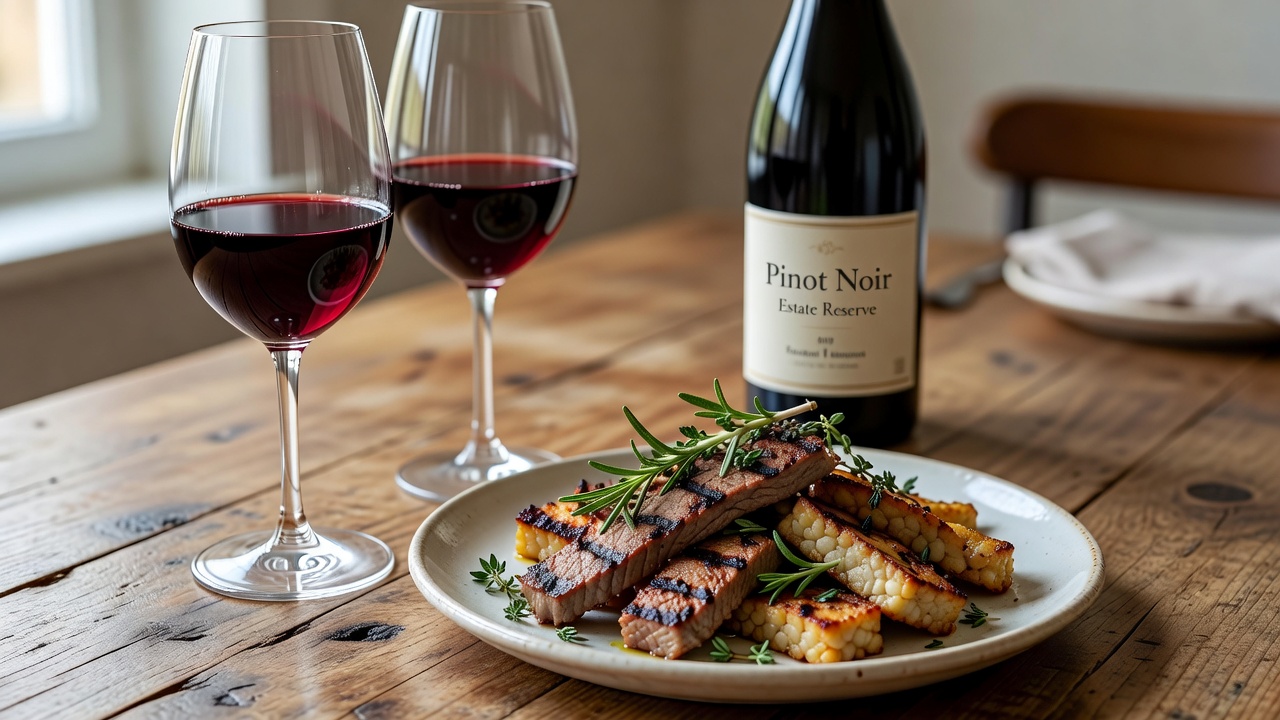
Start with acidity: high-acid whites like Sauvignon Blanc cut through tempeh's earthiness while highlighting herbal elements. Consider the wine's body—lighter whites suit delicate preparations, while fuller styles handle spiced seitan. For seitan's boldness, opt for medium-tannin reds such as Pinot Noir to echo its savory depth and provide fruit-forward balance. Sparkling wines excel with lab-grown options, their bubbles refreshing the palate and cleansing residual flavors. Always consider the protein's preparation—grilled seitan pairs best with structured Cabernet Sauvignon, while steamed tempeh shines alongside crisp Chablis. Experiment by serving small portions and adjusting based on individual taste preferences. Temperature matters too: serve reds slightly cooler than room temperature to preserve acidity, and chill whites adequately for maximum refreshment.
Decanter highlights how acidity levels in recent vintages enhance plant-forward dishes through careful balancing techniques.
Real-World Examples with Specific Vintages
Try a 2024 Oregon Pinot Noir with grilled seitan skewers seasoned in soy and ginger—the wine's red fruit notes mirror the marinade while softening tannins for a seamless experience. For tempeh stir-fry, a 2025 Sancerre provides citrus acidity to balance fermentation and bring out nutty undertones. Lab-grown steak alternatives pair elegantly with a 2023 Franciacorta sparkling, its creamy mousse cleansing the palate and accentuating subtle savory notes. Additional pairings include a 2024 Spanish Tempranillo with roasted seitan that emphasizes earthiness, or a 2025 German Riesling with spicy tempeh tacos to tame heat through residual sweetness. These pairings draw from current market trends emphasizing eco-friendly vintages and sustainable production methods that resonate with 2026 consumers seeking mindful choices.
Side-by-Side Comparisons to Traditional Meats
Unlike beef's heavy tannins requiring bold reds, seitan allows lighter reds due to lower fat content, resulting in less need for powerful structure. Tempeh's nuttiness contrasts chicken's mildness, favoring whites over the typical Chardonnay that might overpower fermentation notes. Lab-grown proteins reduce the need for high-acidity wines used with pork, opening doors to versatile sparklers that provide elegance without intensity. This shift supports 2026's focus on lower-impact dining and encourages experimentation that reduces reliance on traditional animal pairings. Side-by-side tastings reveal how plant proteins often yield more forgiving matches, allowing a broader range of wines to shine.
Quick-Reference Pairing Chart
- Seitan + Pinot Noir (medium tannins, red fruit balance)
- Tempeh + Sauvignon Blanc (high acidity, herbal notes to cut earthiness)
- Lab-grown + Prosecco (effervescence, light sweetness for refreshment)
- Seitan + Tempranillo (earthiness match for roasted preparations)
- Tempeh + Riesling (off-dry balance for spice and fermentation)
- Lab-grown + Chardonnay (buttery notes for creamy textures)
- Seitan + Syrah (pepper notes to complement bold marinades)
Common Mistakes to Avoid
Avoid over-oaked wines with delicate tempeh, which can mask subtle flavors and create imbalance. Mismatches often occur with high-tannin reds on mild lab-grown cuts—opt for whites instead to prevent astringency. Overlooking preparation methods, such as pairing sweet wines with savory grilled items, leads to clashing profiles. Always test small pours first and adjust acidity or tannin levels accordingly.
Wine Enthusiast advises careful testing to refine pairings for optimal results.
Frequently Asked Questions
How do I handle spicy plant-based dishes? Choose off-dry whites like Riesling to tame heat without overwhelming other elements.
Are there vegan-certified wines recommended? Many producers now label them clearly, supporting 2026 trends in transparent sourcing.
What about dessert pairings? Sweet wines like late-harvest Riesling complement glazed seitan desserts effectively.
Can I pair the same wine with multiple proteins? Versatile options like sparkling wines work across lighter preparations.
How does cooking method affect pairings? Grilling intensifies flavors, calling for bolder reds, while steaming favors crisp whites.
Should I consider wine age? Younger vintages with vibrant acidity suit fresh tempeh dishes best.
Masters of Wine resources provide further guidance on evolving sustainable pairings.
Embracing 2026 Eco-Friendly Trends in Pairing
2026 brings increased focus on low-intervention wines that align with plant-based ethos. Sommeliers recommend exploring natural and organic bottles that minimize environmental impact while maximizing flavor synergy. Home experimentation with these principles fosters creativity and supports broader sustainability goals in dining.
Conclusion: Mastering Plant-Based Wine Pairings
By applying these detailed sommelier insights, you can confidently navigate plant-based proteins with wines that highlight their best qualities. This approach fosters a new era of thoughtful, environmentally conscious dining experiences that delight the palate and respect the planet.


No comments yet. Be the first!