 Uncorked Conversations
Introduction to Mushroom Wine Pairings
Mushrooms bring earthy, umami-rich depth to dishes, making them a unique challenge and opportunity for wine pairings. In 2026, sommeliers continue to refine techniques that balance acidity, tannins, and oak with these ingredients. This guide explores proven methods for matching wines to preparations such as grilled portobellos, creamy risottos, and wild mushroom soups, helping home cooks and professionals alike elevate their tables. The search for perfect pairings often overlooks how mushrooms interact with wine, yet mastering this creates memorable dining experiences that highlight both the food and the beverage.
Understanding Mushroom Types and Flavor Profiles
Mushrooms vary widely by type and cooking method, each presenting distinct flavor profiles that influence wine selection. Earthy notes from wild varieties like chanterelles or morels pair best with wines that echo forest floor aromas, such as those with subtle mushroom or truffle undertones. Creamy preparations call for wines with complementary texture, while umami intensity increases with grilling or roasting, requiring wines with sufficient acidity to cut through richness. For instance, portobellos develop a meaty savoriness when grilled, whereas shiitake mushrooms retain a smoky edge even in stir-fries. Cremini and button mushrooms offer milder bases that adapt well to lighter wines. Understanding these nuances allows for precise matches rather than generic recommendations.
Recommended Wine Varietals in Depth
Burgundy Pinot Noir offers bright acidity and subtle earthiness that complements grilled mushrooms without overpowering them, its red cherry and forest notes mirroring the charred exterior. Oaked Chardonnay provides buttery notes and structure ideal for creamy risottos, where the wine's vanilla and toast elements enhance parmesan richness. Other strong options include Nebbiolo for its tannic grip on hearty soups, allowing the wine to stand up to concentrated broths, and dry Riesling for its mineral edge against lighter preparations like sautéed creminis. Syrah can add peppery spice to roasted portobellos, while Sauvignon Blanc brings zesty citrus to balance delicate wild mushroom salads. Each varietal brings unique attributes that sommeliers test through repeated tastings with specific dishes.
Step-by-Step Pairing Methods
Follow these detailed steps for reliable results every time. First, identify the dominant mushroom flavor and cooking technique, noting whether the dish leans savory, creamy, or broth-based. Second, match acidity levels to cut fat or enhance umami, tasting the wine against a small bite of the prepared mushrooms. Third, consider oak influence for creamy textures, ensuring the wine does not overwhelm subtle earth tones. Fourth, evaluate tannin structure for grilled items, opting for medium-bodied reds that refresh the palate. Fifth, test with small bites and sips to adjust balance, perhaps adding a touch of salt or herb to fine-tune. Sixth, account for temperature by serving reds slightly cooler than room temperature and whites well-chilled. This methodical approach prevents common mismatches and builds confidence in experimentation.
Pairing for Specific Mushroom Dishes
Grilled portobellos marinated in balsamic and herbs shine with structured reds, while stuffed mushrooms with cheese fillings benefit from whites with good body. Sautéed wild mushrooms in garlic butter pair elegantly with crisp whites, and baked mushroom casseroles call for fuller reds to match the caramelized edges. Each preparation alters the mushroom's texture and intensity, guiding the choice between fruit-forward or mineral-driven wines.
Real-World Examples with Detailed Recipes
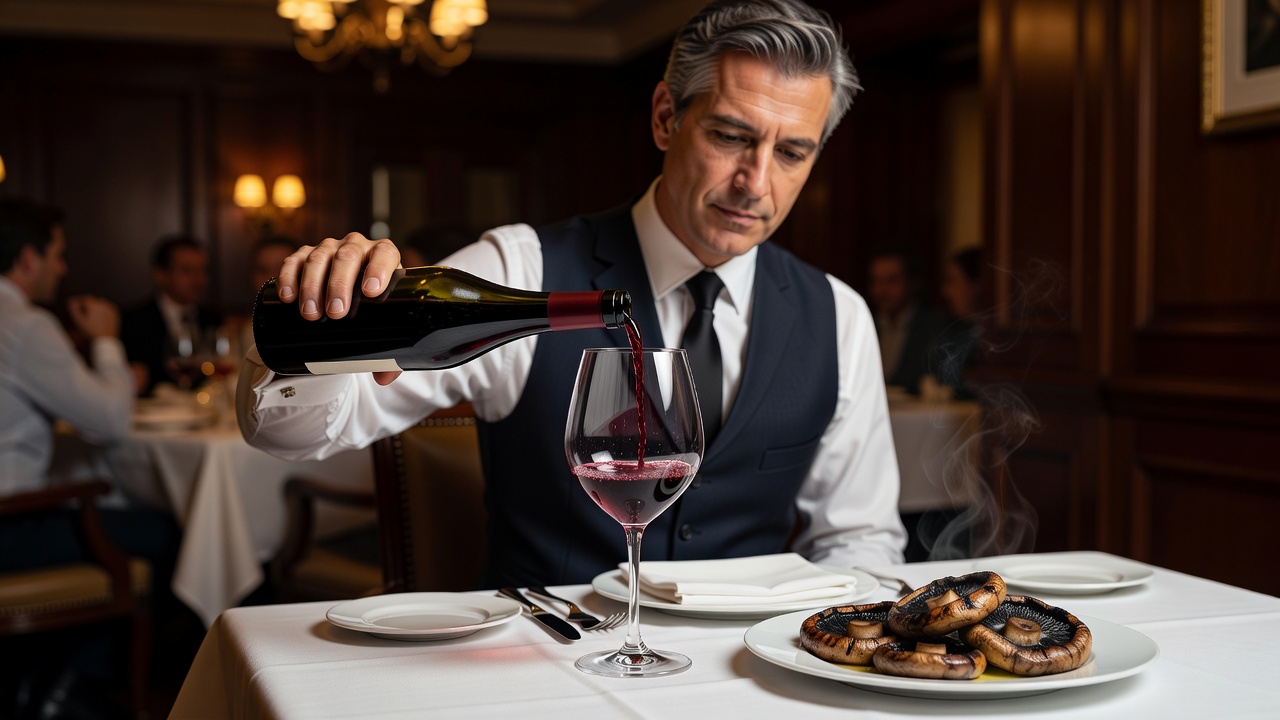
For grilled portobellos marinated in balsamic and herbs, serve a 2025 Burgundy Pinot Noir. The wine's red fruit and earth notes mirror the char and mushrooms perfectly. Recipe details: Select large portobello caps, brush with olive oil, minced garlic, fresh thyme, and a splash of balsamic vinegar. Grill over medium heat for 4-5 minutes per side until tender and juicy. Serve alongside the Pinot Noir at 60 degrees Fahrenheit for optimal enjoyment.
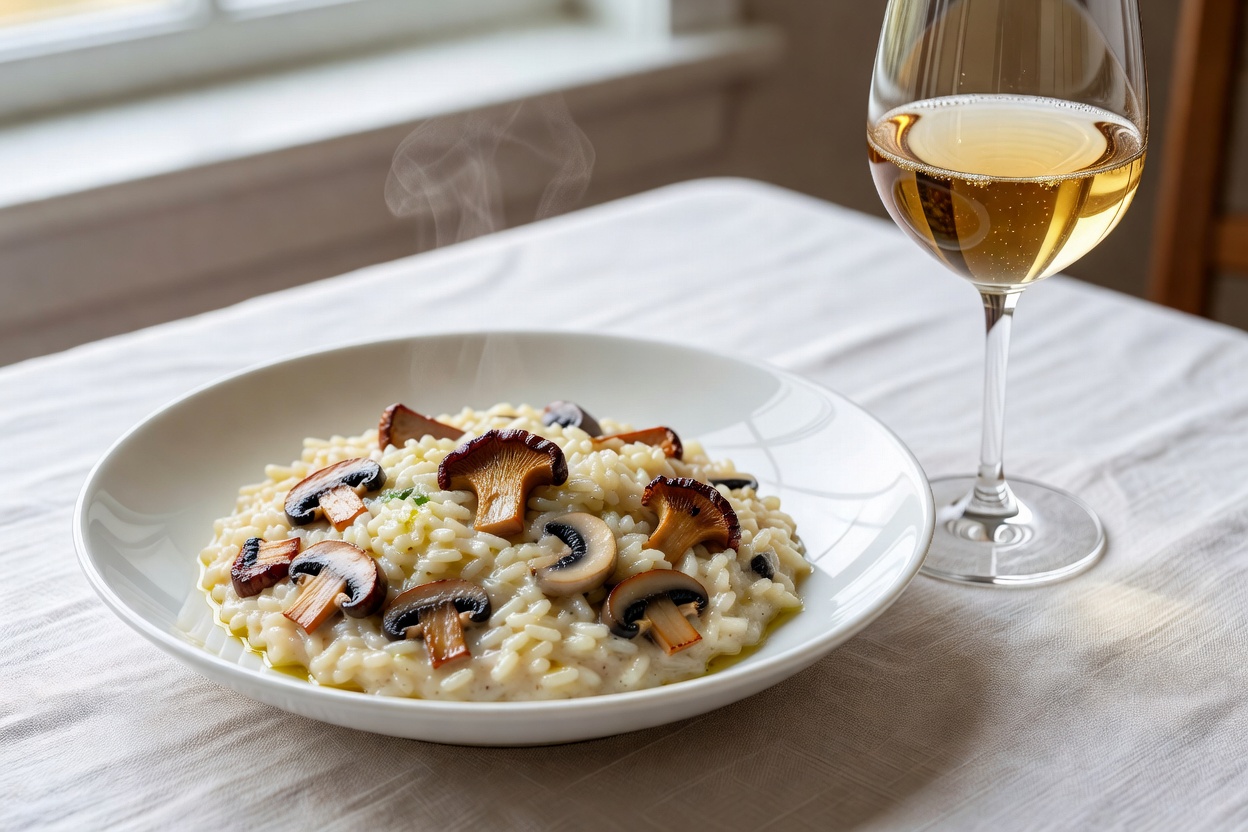
Creamy wild mushroom risotto shines with oaked Chardonnay. The wine's vanilla and butter tones enhance the parmesan and cream components. Recipe: Sauté arborio rice with shallots in butter, add mixed mushrooms including shiitake and oyster varieties, deglaze gradually with warm vegetable stock while stirring continuously for 18-20 minutes, then finish with additional butter, grated parmesan, and a sprinkle of parsley.
Wild mushroom soup pairs elegantly with dry Riesling. Its high acidity refreshes the palate between spoonfuls of rich broth. Recipe: Simmer assorted mushrooms with leeks, garlic, and thyme in vegetable stock for 25 minutes, blend until smooth, strain for silkiness, and finish with a drizzle of cream and cracked black pepper.
Seasonal Recommendations for 2026
Focus on lighter reds in spring and fuller whites in fall to align with seasonal mushroom availability from local markets. Sommeliers recommend exploring small-production bottles from established regions for optimal freshness and complexity. Spring pairings might feature young Pinot Noirs with morel-heavy dishes, while autumn calls for aged Chardonnay alongside hearty soups made from foraged finds.
Practical Tips for Serving and Glassware
Use large-bowled glasses for reds to allow aeration that softens tannins against grilled mushrooms. White wines perform best in narrower glasses that concentrate aromas for creamy dishes. Maintain serving temperatures carefully and decant fuller reds 30 minutes ahead to integrate flavors seamlessly with the meal.
Common Mistakes to Avoid
- Overlooking acidity balance, which can make pairings taste flat or heavy.
- Choosing overly tannic wines that clash with delicate mushroom textures and leave a bitter aftertaste.
- Ignoring cooking method impacts on flavor intensity, such as how roasting amplifies earthiness.
- Neglecting temperature control, leading to muted aromas or unbalanced acidity.
- Pairing sweet wines with savory mushrooms, which creates clashing profiles.
FAQ
How do I balance acidity with mushroom dishes?
Choose wines with vibrant acidity like Pinot Noir or Riesling to counter richness and cleanse the palate between bites.
What wine works for both red and white mushroom recipes?
Versatile options like oaked Chardonnay bridge many preparations through their adaptable structure and moderate oak influence.
Are there non-alcoholic alternatives?
High-quality sparkling waters with herbal infusions can mimic some textural elements but lack wine complexity.
Which glassware enhances mushroom pairings most?
Universal wine glasses with a generous bowl suit most pairings by allowing proper aeration and aroma release.
How does cooking method change the pairing?
Grilling intensifies umami and requires more robust wines, while poaching keeps flavors delicate for lighter selections.
Conclusion
Mastering sommelier pairings for mushrooms elevates both the dish and the wine, turning everyday meals into sophisticated experiences. Experiment with the varietals and methods outlined to discover personal favorites that suit your palate and seasonal ingredients. For further reading on wine fundamentals, visit Wine Magazine, Food & Wine, and Decanter.
No comments yet. Be the first!