 Uncorked Conversations
Introduction to Sommelier Wine Pairings for Fermented Foods
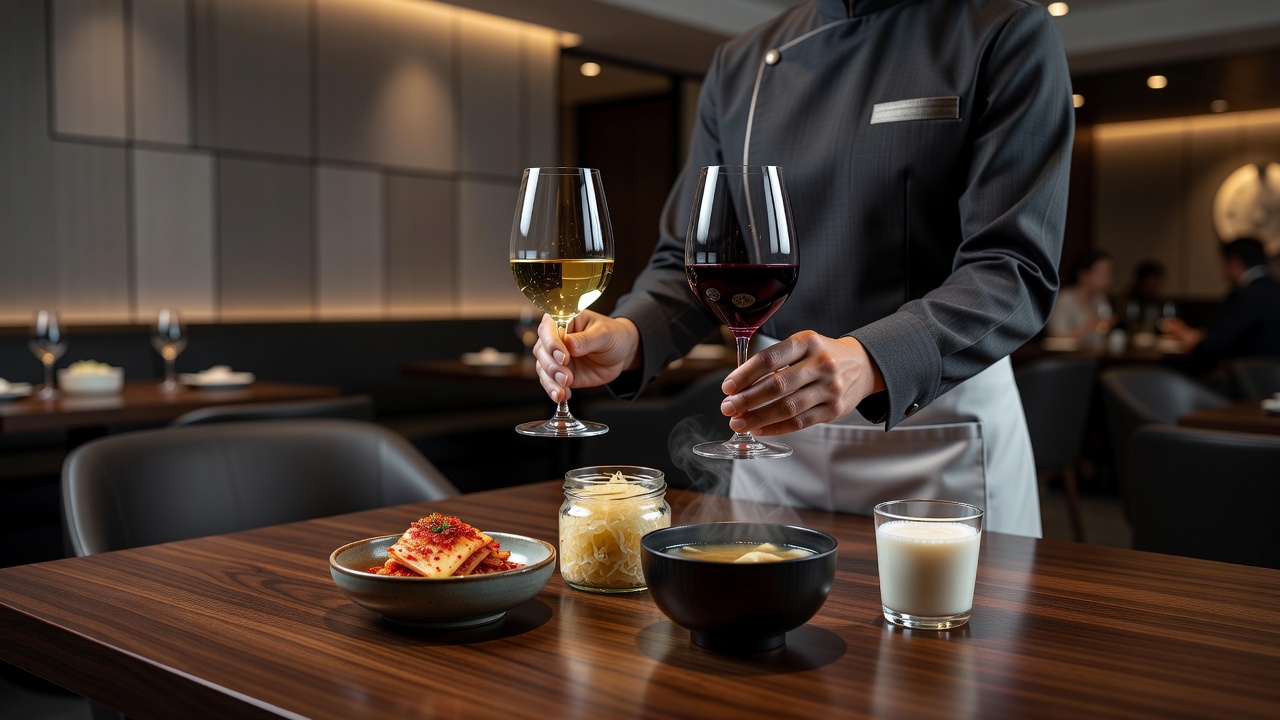
Fermented foods introduce complex layers of acidity, tanginess and umami that both challenge and reward thoughtful wine pairings. In 2026, sommeliers continue refining techniques that highlight these profiles while creating harmonious matches across diverse cuisines. This comprehensive guide explores the science behind fermentation's impact on taste, compares red and white options in detail, and delivers step-by-step methods with real-world examples for foods such as kimchi, miso soups, sauerkraut, kefir-based dishes and aged soy products. Whether you are a home cook seeking practical advice or a wine enthusiast aiming to elevate meals, understanding these pairings unlocks new dimensions in flavor balance. Fermentation not only preserves ingredients but also develops deep savory notes that interact uniquely with wine components like acidity, tannins and residual sugar.
The Science of Fermentation and Wine Selection
Fermentation transforms ingredients through microbial activity, producing lactic acid, acetic acid and glutamates that intensify savory notes. These elements demand wines with sufficient acidity to cut through richness or complementary tannins to echo umami. High-acid whites often excel with sharp ferments, while structured reds can balance aged, soy-forward dishes. Understanding pH levels and flavor compounds helps sommeliers predict successful matches. For instance, the lactic acid in sauerkraut or kimchi creates a bright tang that calls for wines with matching vibrancy to avoid flattening the palate. Glutamates in miso and aged soy enhance umami, which pairs best with wines offering minerality or subtle earthiness rather than overt fruitiness. Alcohol content plays a critical role too; lower-alcohol wines prevent overwhelming delicate tangs, while a touch of residual sugar can tame spice in fermented chili-based dishes. Additional considerations include volatile acidity from certain ferments that may clash with oaky wines, making unoaked styles preferable. For deeper insights into wine chemistry and pairing principles, explore resources from Decanter.
Red Versus White Wine Comparisons
White wines with vibrant acidity, such as Riesling, Grüner Veltliner or Albariño, pair naturally with bright ferments like kimchi or sauerkraut. Their crispness counters lactic sharpness without clashing and refreshes the palate between bites. Red wines, particularly lighter styles like Pinot Noir, Gamay or Barbera, suit deeper umami in miso soups or aged soy when tannins are soft and fruit-driven. Avoid heavy tannins that amplify bitterness in fermented dishes, as they can create an astringent effect. Full-bodied reds like Cabernet Sauvignon rarely work well here unless the ferment is extremely aged and mellow. Sparkling wines bridge both categories, offering acidity and effervescence that cleanse the mouth effectively. In comparisons, whites generally provide cleaner matches for vegetable-heavy ferments, whereas reds add body to protein-rich or soy-based preparations. Sommeliers often recommend starting with whites for beginners due to their forgiving nature with high-acid foods.
Step-by-Step Pairing Methods
Follow this structured approach for consistent results at home or in professional settings. First, identify dominant flavors including acidity, spice or umami levels in the dish. Second, match intensity by selecting light wines for delicate dishes and bolder profiles for robust ferments. Third, consider serving temperature, chilling whites to enhance refreshment and serving reds slightly below room temperature. Fourth, test balance by sipping the wine, taking a bite of food and noting how flavors evolve on the palate. Fifth, adjust with secondary elements like cheese, herbs or garnishes to fine-tune harmony. Sixth, experiment iteratively with small pours to refine personal preferences over multiple tastings. This methodical process ensures pairings enhance rather than compete with the fermented elements.
Real-World Examples with Specific Recommendations
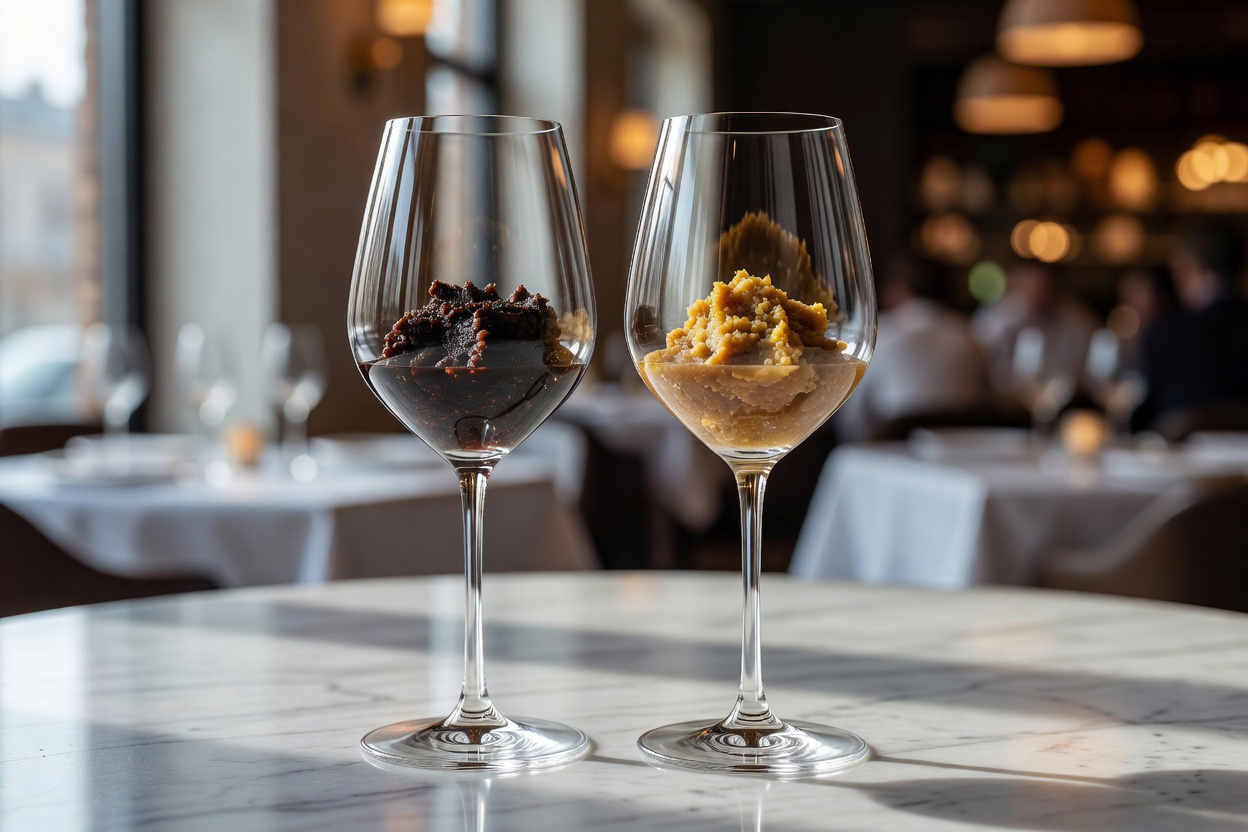
Kimchi shines alongside off-dry Riesling, where slight sweetness tames heat while acidity refreshes the palate between spicy bites. Miso soup finds harmony with aged Chenin Blanc, whose nutty and honeyed notes echo fermentation depth without overpowering the broth. Sauerkraut pairs exceptionally with sparkling wines such as Cava or Prosecco that cleanse the palate and cut through cabbage tang. Kefir-based dishes benefit from crisp Sauvignon Blanc, whose grassy and citrus notes complement the tangy dairy elements. Aged soy products like dark miso or fermented tofu complement earthy Pinot Noir, which brings subtle mushroom and red fruit undertones to balance richness. For a Korean-inspired meal, try kimchi jjigae with a German Riesling Kabinett. Italian sauerkraut variations work well with northern Italian whites like Soave. These examples demonstrate how regional wine styles align with global fermented traditions.
Practical Tips for Home Cooks
Start with versatile bottles like dry Riesling or light Pinot Noir that offer flexibility across multiple dishes. Experiment in small pours to refine preferences without waste. Use seasonal produce to vary pairings throughout the year, such as incorporating fresh herbs in summer or root vegetables in winter. Store wines properly at consistent cool temperatures to maintain vibrancy and prevent oxidation. Consider glassware choices, opting for larger bowls for reds to allow aeration. Pair fermented foods with complementary sides like grilled proteins or grains to create complete meals. Keep tasting notes during experiments to track successful combinations for future reference. These tips empower home cooks to build confidence and creativity in their wine and food pairings.
Seasonal Variations in Pairings
Spring favors lighter whites with fresh kimchi salads, where floral notes in wines like Vinho Verde enhance emerging produce. Summer calls for chilled sparkling wines alongside kefir drinks and cold fermented vegetable plates to provide cooling refreshment. Autumn pairs reds with hearty miso stews and braised soy dishes, as earthy tannins complement warming spices. Winter highlights robust whites with aged soy braises and rich kefir casseroles, offering acidity to cut through heavier textures. These seasonal shifts keep pairings dynamic and aligned with ingredient availability and climate preferences, encouraging year-round exploration.
Mistakes to Avoid in Fermented Food Pairings
- Overlooking acidity balance, which can lead to flat or sour impressions on the palate.
- Choosing overly tannic reds that amplify bitterness in sharp ferments like kimchi.
- Ignoring spice levels and selecting dry wines that intensify heat instead of taming it.
- Serving wines at incorrect temperatures that mute aromas or flavors.
- Failing to account for umami depth in aged products, resulting in mismatched intensity.
FAQ: Addressing Common Challenges
How do I handle overpowering flavors? Choose high-acidity wines and serve them slightly chilled to reset the palate between bites of intense ferments.
What if the dish is too spicy? Opt for off-dry styles with residual sugar that balance heat without amplifying it on the tongue.
Can I pair reds with all ferments? Lighter reds work best with most options; reserve fuller styles only for deeply aged soy dishes where body is needed.
Are there non-alcoholic alternatives? Sparkling waters with citrus or herbal infusions can mimic some refreshing qualities but lack wine's complexity.
How do regional variations affect pairings? European ferments often suit Old World wines, while Asian ferments align with aromatic New World styles.
Conclusion
Mastering sommelier wine pairings for fermented foods elevates everyday meals through balanced acidity, tang and umami. Apply these principles, experiments and seasonal insights to discover new favorites and refine your table with confidence. For additional professional guidance, consult Wine Enthusiast and Institute of Masters of Wine.


No comments yet. Be the first!