 Uncorked Conversations
Introduction to Umami and Wine Pairing
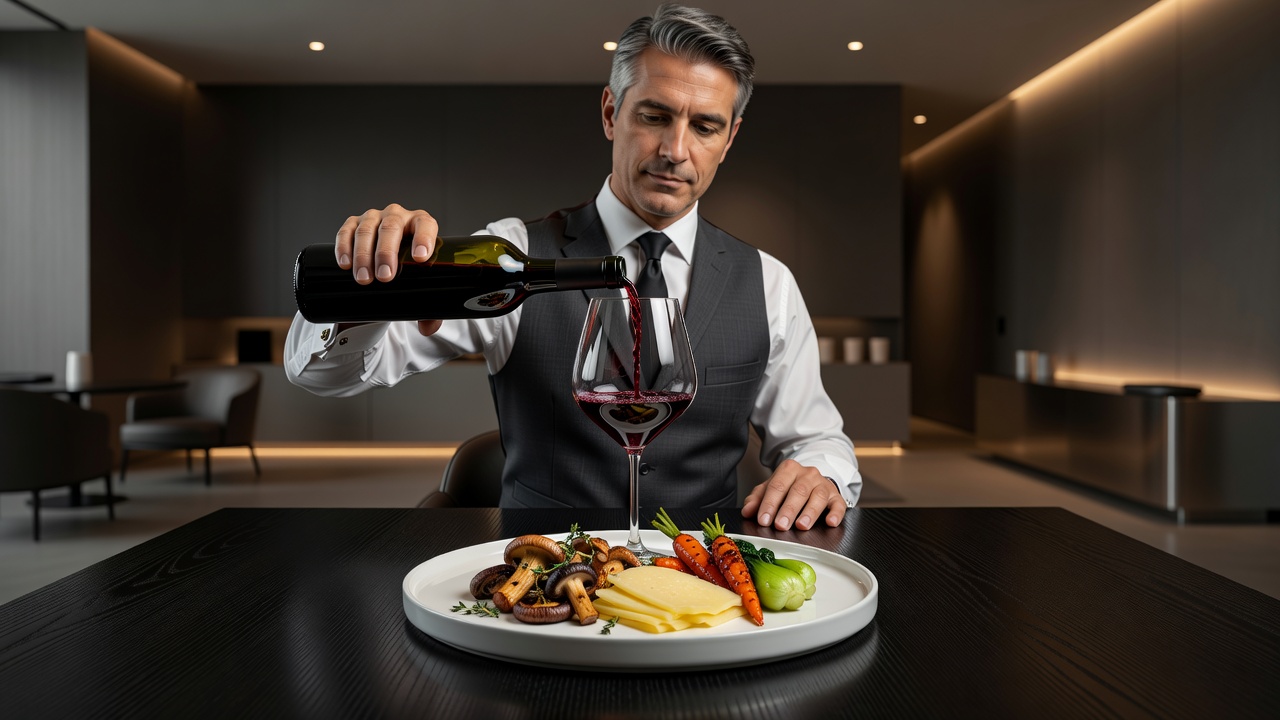
Umami, the savory fifth taste, transforms how sommeliers approach wine pairings in 2026. High-umami ingredients such as mushrooms, soy sauce, miso, and aged cheeses create deep, mouth-filling flavors that demand wines with balanced acidity, tannins, and texture. This guide delivers practical frameworks used by professionals to match these foods successfully at home or in professional settings. Home entertainers seeking reliable results will find concrete examples drawn from global cuisines along with decision-making steps that prevent common mismatches.
Understanding Umami's Impact on Wine
Umami amplifies savory notes and can make wines taste softer or more bitter if not paired correctly. Sommeliers focus on counterbalancing with crisp acidity or structured tannins. For example, aged Parmigiano-Reggiano pairs beautifully with high-acid whites that cut through richness while enhancing nutty notes. The science involves glutamates interacting with wine compounds; high levels of umami reduce perceived acidity, so selecting wines with elevated natural acidity restores balance on the palate. This interaction explains why many classic pairings succeed only when acidity or tannin levels are calibrated precisely to the dish.
The Science Behind Umami and Tannins
Tannins bind with proteins and can soften umami's intensity, yet excessive tannins may create astringency when paired with salty fermented ingredients. Sommeliers therefore test medium-bodied reds with moderate tannins against mushroom-heavy dishes. White wines rely more on acidity to refresh the mouth after each bite of miso or soy. Understanding these chemical interactions allows precise selections rather than guesswork, especially when preparing multi-course meals where umami builds across courses.
Flavor Wheel Comparisons for Umami Ingredients
Professional flavor wheels map umami elements like earthy mushroom tones to specific wine descriptors. Earthy Pinot Noir complements forest-floor mushrooms, while saline notes in aged cheeses align with mineral-driven whites. These visual tools help home entertainers visualize matches quickly. Additional comparisons show how soy sauce's fermented saltiness echoes in certain Rieslings that carry subtle petrol or honey notes, creating harmony rather than competition. Expanding the wheel to include secondary aromas such as dried herbs or roasted nuts further refines choices for complex dishes.
Step-by-Step Sommelier Pairing Framework
- Identify the dominant umami source and secondary flavors such as sweetness, heat, or acidity already present in the dish.
- Assess wine acidity and tannin levels needed to refresh the palate and prevent fatigue.
- Test small pours with the dish to confirm balance before committing to a full bottle.
- Adjust for cuisine style, such as Asian fermentation versus European aging techniques that alter salt concentration.
- Consider temperature and serving order to maintain freshness throughout the meal.
Red Versus White Wine Options Comparison
| Wine Type | Best For | Acidity/Tannin Profile | Example Pairing |
|---|---|---|---|
| Red (Pinot Noir) | Mushrooms, aged beef | Medium tannins, bright acidity | Wild mushroom risotto |
| White (Chardonnay) | Miso, soy-based dishes | High acidity, creamy texture | Miso-glazed eggplant |
| Red (Sangiovese) | Aged cheeses | High tannins, cherry notes | Parmigiano with tomato |
| White (Riesling) | Fermented soy | High acidity, off-dry options | Soy-marinated tofu |
Global Cuisine Examples
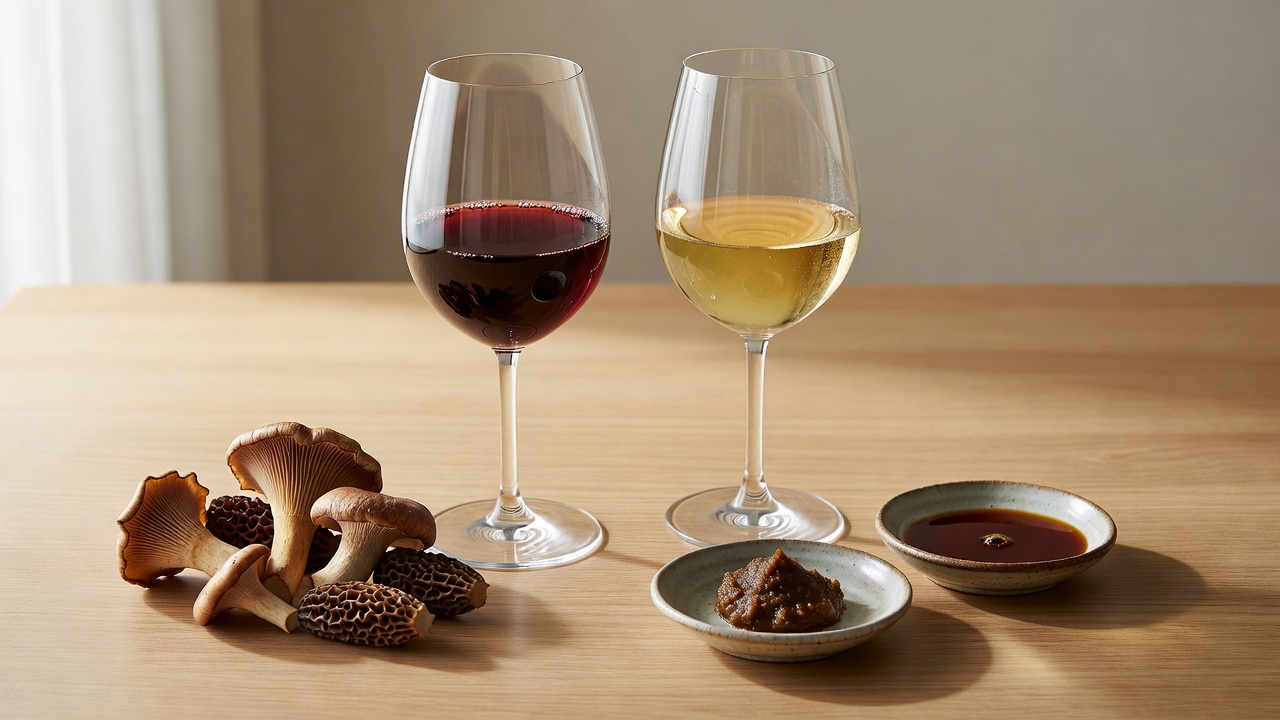
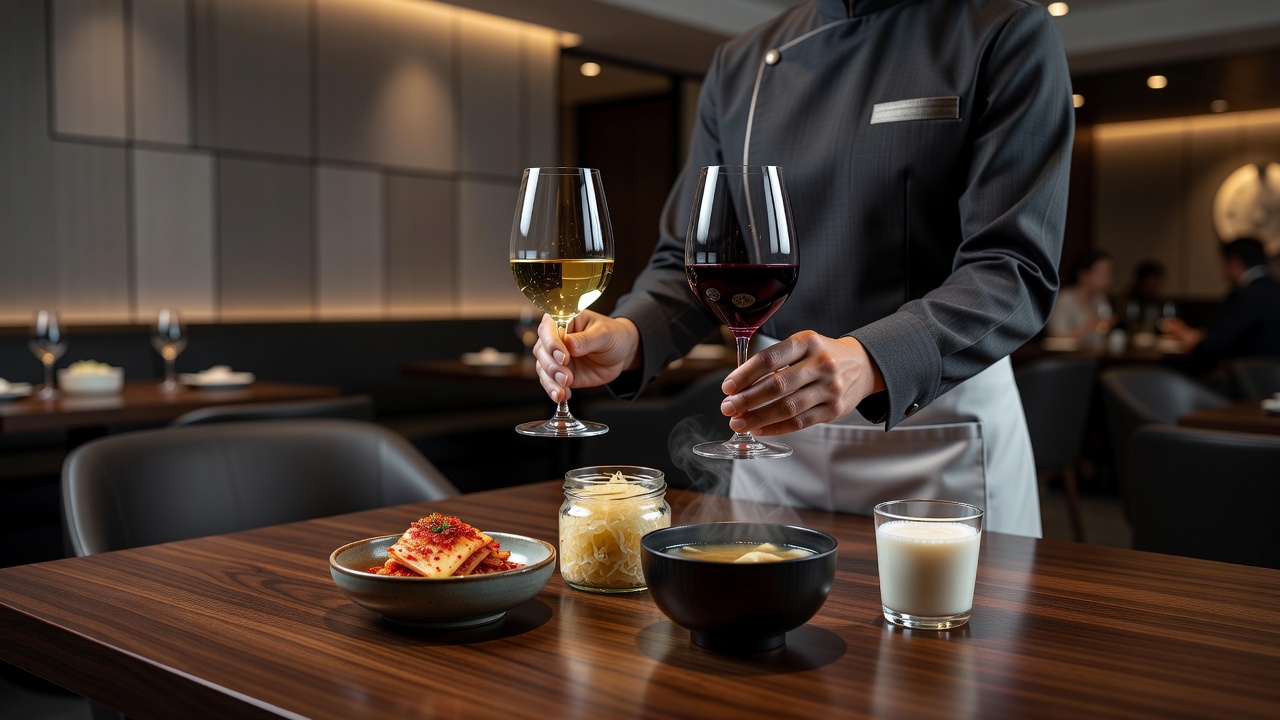
Japanese miso soup benefits from dry sparkling wines that cleanse the palate between spoonfuls. Italian aged cheeses shine with Tuscan reds whose cherry and herb notes contrast salty crystals on the cheese rind. Korean fermented dishes pair with aromatic German Rieslings whose residual sugar tempers spice while acidity cuts richness. French mushroom tarts succeed with earthy Burgundy Pinot Noirs that echo the forest notes in the filling. These cross-cultural matches highlight acidity's universal role in resetting the palate after each bite of high-umami food. Expanding further, Thai tom yum soup with added soy finds excellent partners in Australian Semillon wines whose lime and mineral qualities stand up to lemongrass and fermented elements.
Common Pairing Mistakes to Avoid
Overlooking acidity is the top error; low-acid wines flatten umami and leave the palate coated. Another frequent issue is ignoring salt levels in soy or miso, which can clash with oaky wines and produce metallic aftertastes. Serving overly chilled whites can mute their ability to cut richness. Always taste iteratively and adjust by adding a splash of the same wine to the dish if needed to unify flavors. Avoiding these pitfalls requires deliberate small-scale testing rather than relying on general rules alone.
2026 Trend Insights for Home Entertainers
Current trends emphasize low-intervention wines that highlight natural acidity to complement umami without overpowering it. Home hosts are experimenting with hybrid pairings, such as orange wines with mushroom-based dishes, reflecting a shift toward versatile, food-friendly bottles. Sustainability certifications and regenerative vineyard practices are increasingly valued as diners seek wines that align with mindful eating. Decanter notes growing interest in high-acidity varieties from cooler climates that maintain freshness alongside rich foods. Another emerging pattern involves pairing lesser-known grapes like Gruner Veltliner with miso preparations, offering peppery notes that enhance rather than compete with savory depth.
Practical Tips for Success
- Start with lighter wines and progress to bolder options as umami intensity increases across courses.
- Use small tasting portions to refine matches before purchasing larger quantities.
- Consider temperature: serve whites slightly chilled to maintain freshness while allowing reds to reach cellar temperature for optimal tannin expression.
- Document successful pairings for future reference by noting both the wine producer and specific dish components.
- Incorporate a palate cleanser such as plain bread or unsalted crackers between courses to reset sensitivity to umami.
Frequently Asked Questions
What wine works best with miso?
High-acidity whites like Sauvignon Blanc or off-dry Riesling refresh the palate effectively while standing up to the fermented depth of miso without being overwhelmed.
Can reds pair with soy sauce dishes?
Yes, light reds with moderate tannins such as Gamay succeed when the dish includes earthy elements like mushrooms or grilled vegetables that echo the wine's profile.
How do 2026 trends affect pairings?
Focus is shifting toward sustainable, high-acidity wines that enhance rather than mask umami depth, encouraging experimentation with orange and skin-contact styles.
Should I avoid oaky wines with aged cheese?
Heavy oak can clash with salt crystals; opt for unoaked or lightly oaked whites to let mineral and fruit notes shine alongside the cheese.
Conclusion
Mastering sommelier techniques for umami-rich foods elevates any meal. By applying these frameworks, comparing options, and staying current with trends, home entertainers achieve professional-level results year-round. Consistent practice with the step-by-step method builds confidence and leads to memorable dining experiences that balance savory intensity with refreshing wine qualities.
No comments yet. Be the first!