 Uncorked Conversations
Introduction to Sommelier Pairings with Umami Foods
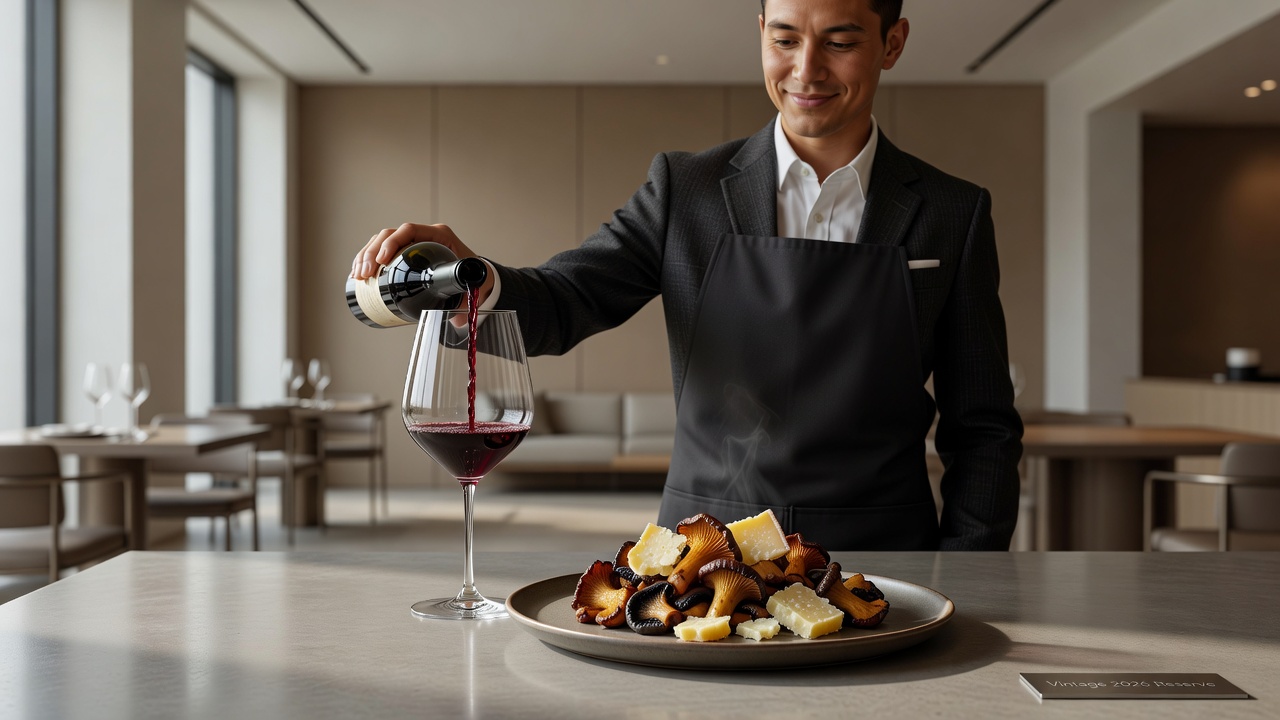
Umami, the savory fifth taste, transforms how we approach wine with food. Ingredients such as mushrooms, aged cheeses, soy sauce, miso, and fermented vegetables amplify savoriness, requiring wines that balance acidity, tannins, and texture. This guide delivers professional sommelier pairings techniques updated for 2026 trends, helping you select bottles that enhance rather than clash with these bold flavors. Home cooks and enthusiasts alike benefit from understanding how umami interacts with wine components to create harmonious meals. Whether preparing a simple mushroom risotto or an elaborate cheese board, the right pairing elevates the dining experience and showcases the depth of both food and wine.
The Science of Umami and Wine Selection
Umami arises from glutamates and nucleotides that stimulate taste receptors. When paired with wine, these compounds interact with tannins and acids, often making reds taste softer or whites appear more vibrant. Research from the National Institutes of Health highlights how umami heightens perceived bitterness in high-tannin wines, guiding sommeliers to favor balanced acidity or subtle oak. In 2026, natural winemakers emphasize low-intervention techniques that preserve freshness to counter umami intensity. The chemical synergy means that high-glutamate foods can suppress astringency while amplifying fruit notes, so selecting wines with sufficient acidity becomes essential to refresh the palate between bites. Understanding these interactions allows for more precise choices beyond simple red-or-white decisions.
Step-by-Step Sommelier Pairing Guidelines
- Identify the dominant umami source and its intensity by tasting the dish first without wine to note saltiness, earthiness, or fermentation notes.
- Match weight: light umami with crisp whites, rich umami with structured reds, ensuring the wine body complements rather than overwhelms the food.
- Balance with acidity to cut through savoriness and cleanse the palate, preventing the meal from feeling heavy.
- Use tannins sparingly to avoid amplifying bitterness, opting for softer varieties like Gamay over aggressive Cabernet Sauvignon.
- Consider temperature and serving order for optimal results, chilling whites to 10-12°C and decanting reds 30 minutes ahead.
- Adjust for secondary elements such as spice or sweetness in the dish to fine-tune the final selection.
Red Wine vs White Wine for Umami
Red wines like Pinot Noir or Sangiovese offer earthy notes that echo mushrooms while their moderate tannins provide structure without dominating. White wines such as Chardonnay or Riesling deliver bright acidity that refreshes the palate after aged cheese. Sommelier pairings in 2026 increasingly feature orange wines for their textural grip that stands up to fermented foods. When comparing options, reds generally suit deeper umami profiles like braised meats or aged hard cheeses, while whites excel with lighter fermented vegetables or seafood-based umami dishes. The choice often depends on sauce acidity and cooking method, with both categories offering versatile bottles that adapt well to home cooking.
Top Umami Wine Pairings List
- Porcini risotto with earthy Nebbiolo from Piedmont, where the wine's tar and rose notes complement the fungi's depth.
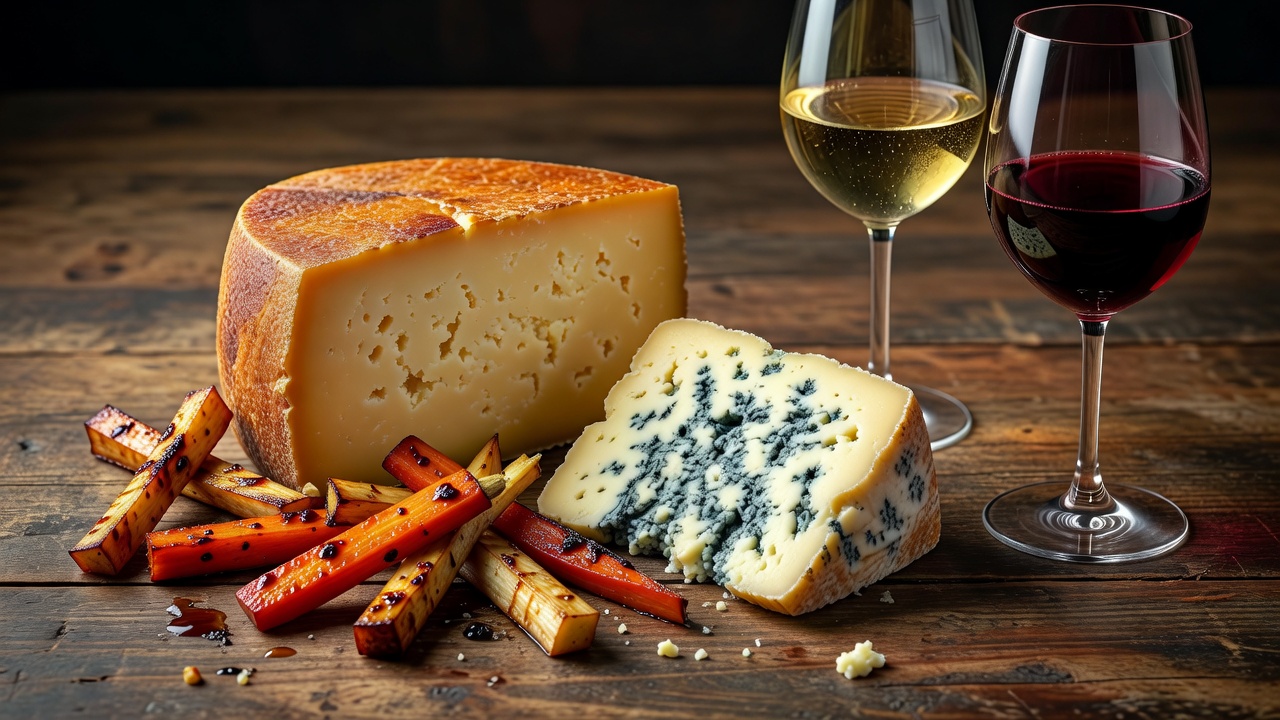
- Aged Gouda with full-bodied Cabernet Franc, highlighting nutty cheese flavors against the wine's herbal edge.
- Miso-glazed eggplant with off-dry Riesling to balance saltiness with subtle sweetness.
- Blue cheese with Sauternes or late-harvest whites for a classic sweet-salty contrast.
- Kimchi hot pot with sparkling dry Riesling, the bubbles cutting through spice and fermentation.
- Truffle pasta paired with mature Barolo to echo earthiness and tannins.
- Soy-marinated tofu alongside Grüner Veltliner for crisp acidity that lifts the dish.
These combinations reflect current trends toward versatile, food-friendly bottles available at most retailers.
Real-World Examples and 2026 Trends
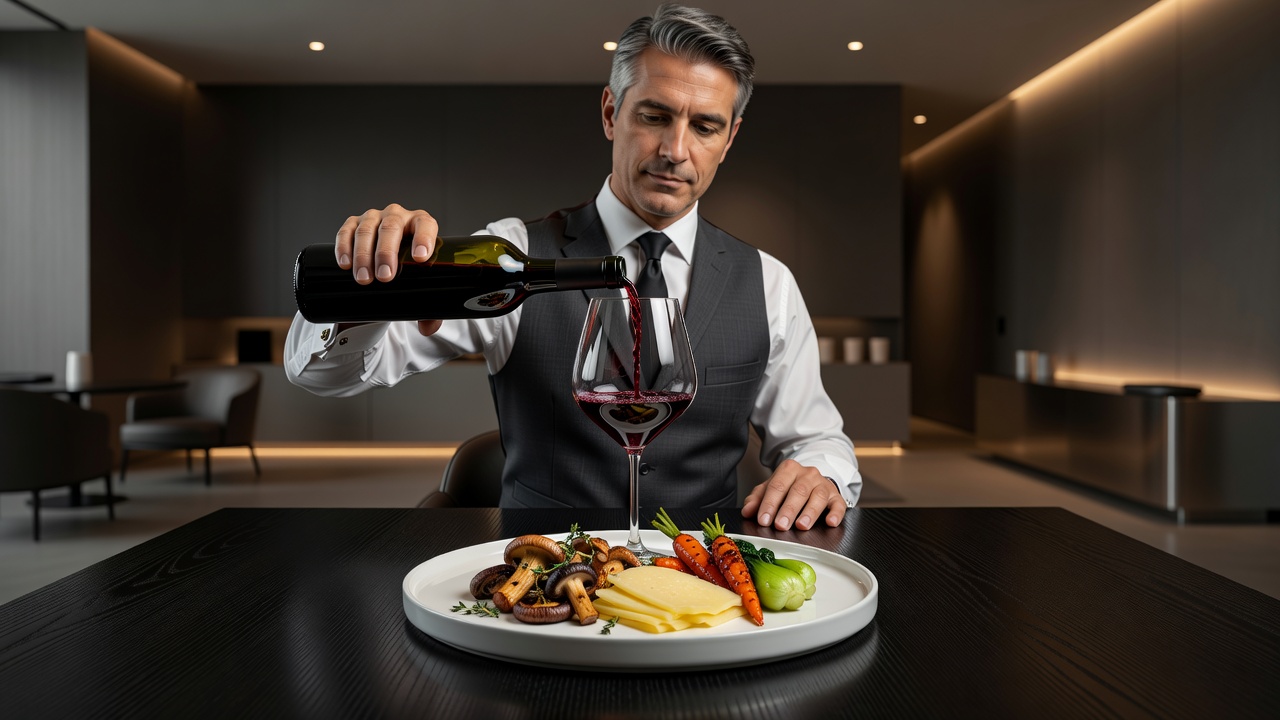
Consider a classic pairing: wild mushroom pasta with a 2024 Burgundy Pinot Noir. The wine’s red fruit and earth notes mirror the fungi while acidity cleanses the palate. For home cooks, try a Spanish Tempranillo with manchego cheese—its spice complements the nuttiness. Additional examples include pairing shiitake stir-fry with Oregon Pinot Noir for regional synergy or using a Loire Valley Chenin Blanc with goat cheese and olives. Wine Institute resources confirm that California producers are releasing more high-acid reds suited to umami in 2026. Trends also show growing interest in sustainable packaging and lower-alcohol options that maintain freshness without overpowering delicate fermented notes.
Practical Tips for Home Application
Start with small pours and taste iteratively, adjusting based on each bite. Keep a journal of successful matches to build personal reference. Chill whites slightly below room temperature and decant tannic reds. Avoid overly oaky wines that can clash with delicate fermented flavors. Experiment with sake as an alternative for Asian umami dishes. When hosting, prepare multiple small pours to compare two wines side by side with the same dish. Store open bottles properly using inert gas if needed for extended tasting sessions. These steps ensure consistent results even in casual home settings.
Mistakes to Avoid When Pairing Wine with Umami
One common error is choosing overly tannic wines that turn bitter against high-glutamate foods. Another is ignoring temperature, as warm reds can taste flat with rich cheeses. Overlooking secondary ingredients like chili or herbs can also derail a pairing. Always test small combinations first rather than committing to a full bottle immediately.
FAQ: Common Mistakes in Wine and Umami Pairings
What wine should I avoid with mushrooms?
Skip very tannic Cabernets that can taste metallic; opt for medium-bodied options instead.
Can I pair sweet wines with aged cheese?
Yes, the sweetness contrasts beautifully with salty umami, creating classic sommelier pairings.
How do I handle multiple umami elements in one dish?
Choose a versatile wine like dry sparkling or light red that bridges flavors without overpowering any single component.
Are there budget-friendly options for these pairings?
Many everyday bottles from Spain, Italy, and Chile deliver excellent results without premium pricing.
Does vintage matter for umami pairings?
Younger vintages with vibrant acidity often perform better than older, softer bottles when facing intense savoriness.
Conclusion
Mastering wine with food for umami ingredients elevates everyday meals. Apply these sommelier pairings principles, explore the listed examples, and adjust based on personal taste. With practice, you will confidently select bottles that highlight the savory depth of mushrooms, cheeses, and fermented foods in any 2026 setting.
No comments yet. Be the first!