 Uncorked Conversations
Introduction to Natural Wine Pairings in 2026
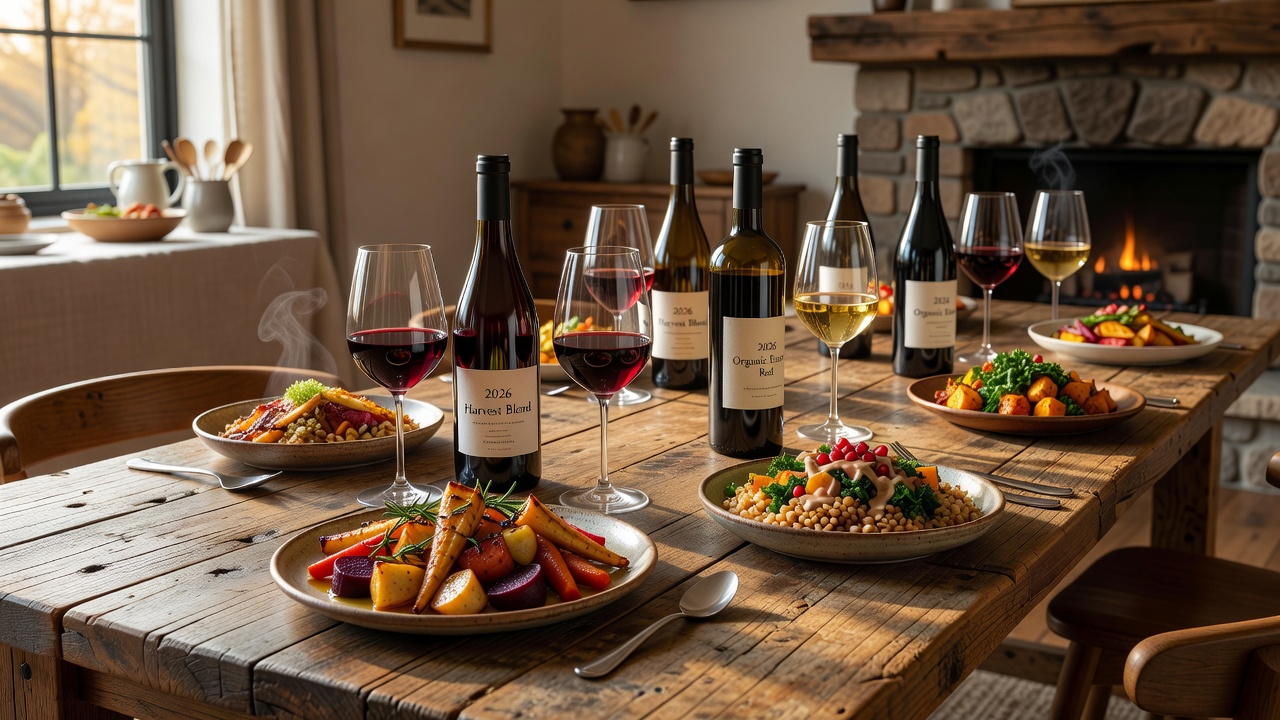
Natural wines have gained significant traction among home cooks and wine enthusiasts seeking alternatives to conventional pairings. These wines, produced with minimal intervention and often without added sulfites, deliver distinctive profiles shaped by wild fermentation, higher natural acidity, and softer tannins. In 2026, more people are turning to natural wines for everyday meals because they offer vibrant, food-friendly characteristics that enhance rather than overpower common dishes. Whether you are preparing roasted root vegetables or assembling a nourishing grain bowl, understanding how natural wines interact with ingredients opens up creative and accessible pairing possibilities.
The appeal lies in their unpredictability and connection to terroir. Unlike mass-produced wines, natural bottles reflect the vintage, soil, and winemaker's light touch. This makes them ideal for plant-forward meals that dominate modern tables. Readers looking for practical sommelier tips will find that natural wines reward experimentation while requiring attention to acidity levels, tannin structure, and fermentation-driven flavors.
Key Differences: Acidity, Tannins, and Fermentation
Acidity forms the backbone of natural wine pairings. These wines frequently exhibit bright, zesty acidity derived from native yeasts and cooler fermentation temperatures. This acidity slices through creamy or rich elements in a grain bowl, refreshing the palate between bites of avocado or tahini dressing. In contrast, traditional wines may feature more muted acidity due to malolactic fermentation or oak aging.
Tannins in natural reds tend to be silkier and less astringent because of shorter maceration times and gentler pressing. This softness prevents the wine from drying out delicate roasted vegetables or clashing with the subtle bitterness of charred greens. Fermentation plays a starring role too: wild yeasts introduce layers of complexity such as yeasty bread notes, subtle funk, or citrus zest that echo the earthy sweetness of root vegetables or the nutty depth of farro and quinoa.
Traditional wines often rely on cultured yeasts and extended aging, yielding more predictable but sometimes less versatile results. Natural wines evolve in the glass, revealing new aromas as they interact with food, which creates an engaging dining experience for home enthusiasts.
Step-by-Step Selection Methods for Home Enthusiasts
Selecting the right natural wine involves a deliberate yet simple process. Begin by analyzing your dish's primary flavors and textures. For roasted root vegetables, note caramelized sweetness and earthy undertones. Next, match acidity: choose a high-acid white or orange wine to cut richness. Consider fermentation style—pét-nat sparkling wines add effervescence that lifts heavy grain bowls, while skin-contact whites contribute tannic grip similar to light reds.
Evaluate tannin levels by opting for lighter reds like gamay or pinot noir made naturally. Test small pours at the table to fine-tune. Finally, adjust serving temperature: chill whites to 50-55°F and serve reds at 60-65°F to preserve aromatic freshness. This step-by-step approach ensures balanced pairings without needing professional training.
Additional considerations include checking for cloudiness or sediment, which is normal in natural wines, and reading labels for details on farming practices. Many producers now include QR codes linking to vineyard information, making research easier in 2026.
Comparisons Between Natural and Traditional Wines
Natural wines prioritize authenticity and minimal processing, resulting in bottles that can vary from year to year. This variability encourages flexibility in pairings. Traditional wines deliver consistency through technological intervention, which suits formal occasions but may overwhelm everyday vegetable dishes. For example, a conventional oaky chardonnay can mask the delicate flavors of roasted carrots, whereas a natural version highlights their natural sugars.
Grain bowls showcase the advantages clearly. Low-tannin natural reds allow herbs and grains to shine, while traditional cabernet sauvignon might introduce overpowering vanilla and toast. Explore further comparisons through authoritative sources like Wine Magazine and Wine Folly.
Practical Examples with Common Dishes
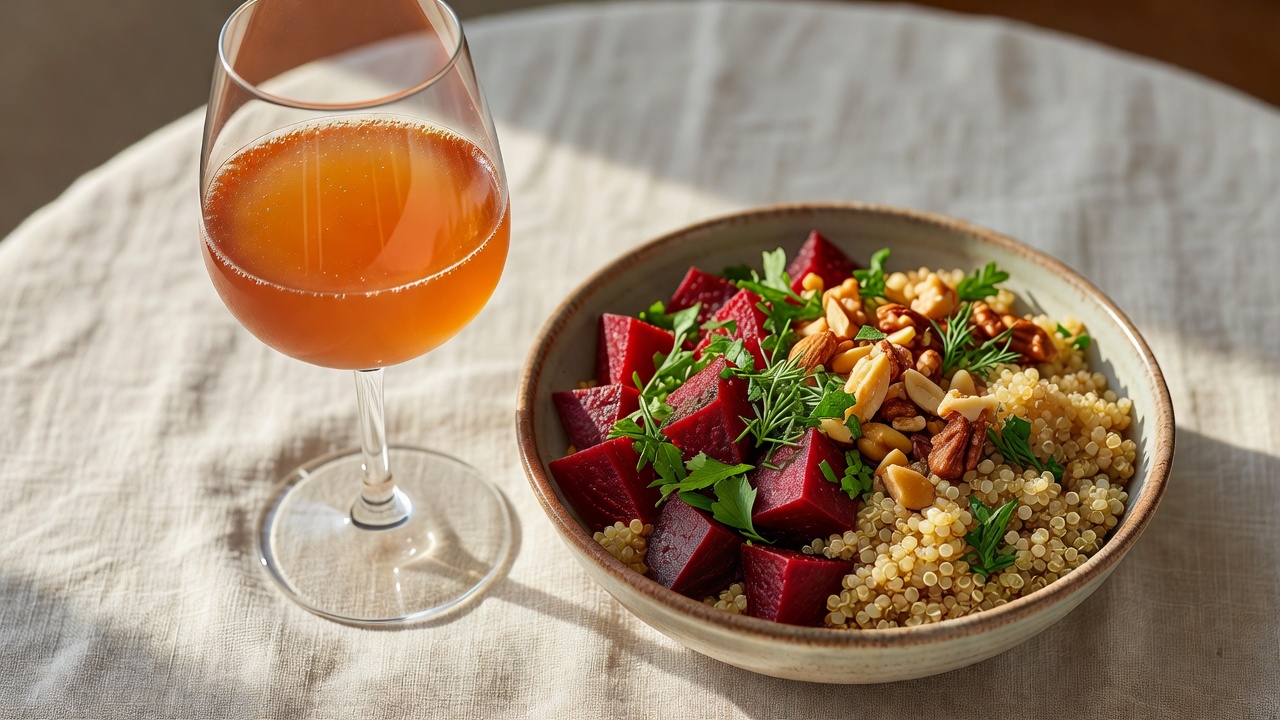
Consider roasted root vegetables such as carrots, parsnips, and beets tossed in olive oil and thyme. A chilled natural riesling or skin-contact white pairs beautifully, its acidity balancing sweetness while fermentation notes complement the caramelized edges. For a grain bowl featuring quinoa, lentils, roasted squash, and pumpkin seeds, select a pét-nat rosé or light natural red like a carbonic maceration gamay. The bubbles and bright fruit cut through the bowl's textures without dominating.
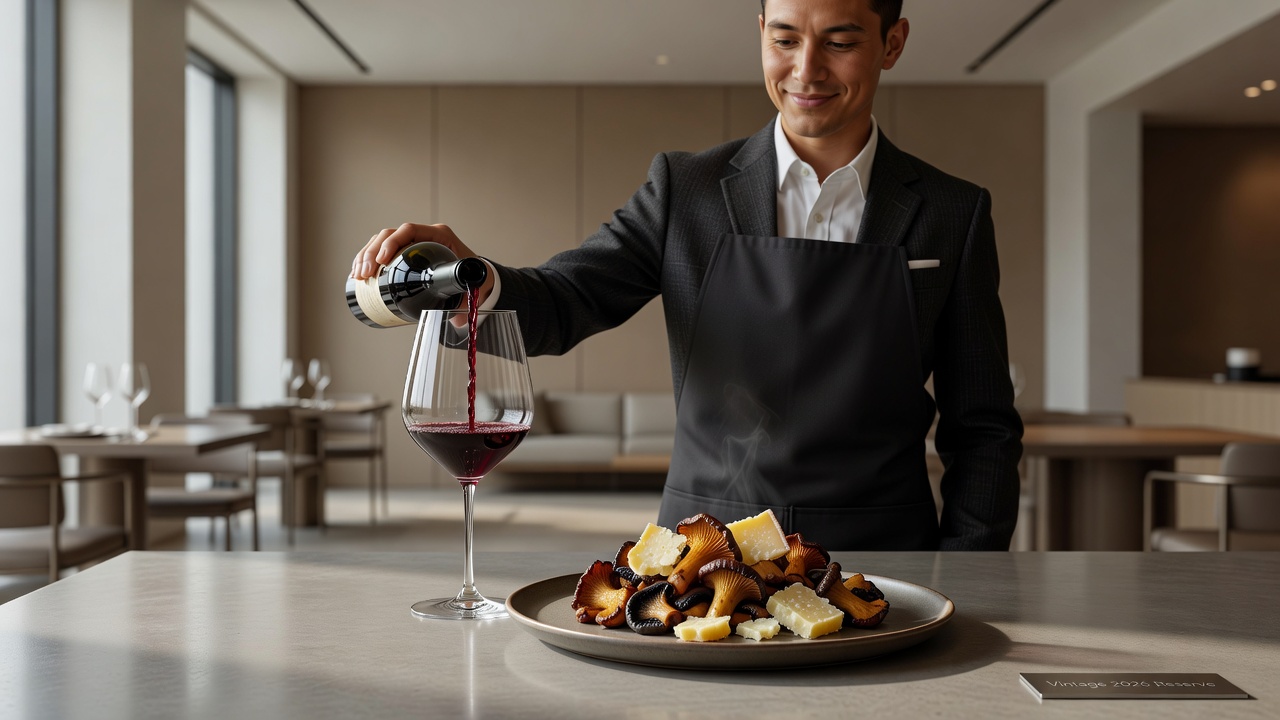
Another example involves mushroom and herb grain bowls. A natural pinot noir with earthy undertones enhances umami flavors. For simpler meals like a kale and sweet potato salad, an orange wine made from pinot gris provides subtle bitterness that mirrors the greens. These pairings demonstrate versatility across seasons and dietary preferences common in 2026.
Experiment with regional natural producers to discover unique expressions. A Loire Valley natural sauvignon blanc can elevate asparagus-heavy dishes through its crisp mineral edge.
Expert Insights: Avoiding Common Pitfalls
Sommeliers caution against over-chilling, which dulls delicate aromas in natural whites. Avoid pairing high-tannin traditional bottles with vegetable dishes, as they create imbalance. Decant older natural wines carefully to preserve live elements. Always taste the wine before serving to confirm it complements rather than competes with the meal. Common mistakes include ignoring temperature or choosing overly funky bottles for mild dishes. Start with approachable producers to build confidence.
Modern Techniques for Home Enthusiasts in 2026
Embrace apps that track natural wine inventories and suggest pairings based on dish ingredients. Use vacuum sealers for opened bottles since natural wines oxidize faster. Host tasting sessions with friends to compare natural versus conventional options side by side. Incorporate fermentation knowledge by noting how wild yeast wines interact with fermented foods like kimchi or sauerkraut in bowls.
FAQ: Storage and Serving Temperatures
How should I store natural wines? Store upright in a cool, dark space near 55°F to maintain stability without added sulfites.
What are ideal serving temperatures? Whites and rosés at 50-55°F; reds at 60-65°F to emphasize fruit and acidity.
Can natural wines age well? Many develop beautifully over 2-5 years with proper storage, gaining complexity.
Where can I learn more? Consult resources from Decanter for advanced guidance.
Conclusion
Natural wine pairings elevate everyday meals through thoughtful attention to acidity, tannins, and fermentation. By following step-by-step methods and learning from practical examples with roasted vegetables and grain bowls, home enthusiasts can create memorable combinations. Apply these sommelier tips to enjoy modern, accessible wine experiences throughout 2026 and beyond.
No comments yet. Be the first!