 Uncorked Conversations
Introduction: Elevating Street Food with Expert Wine Pairings
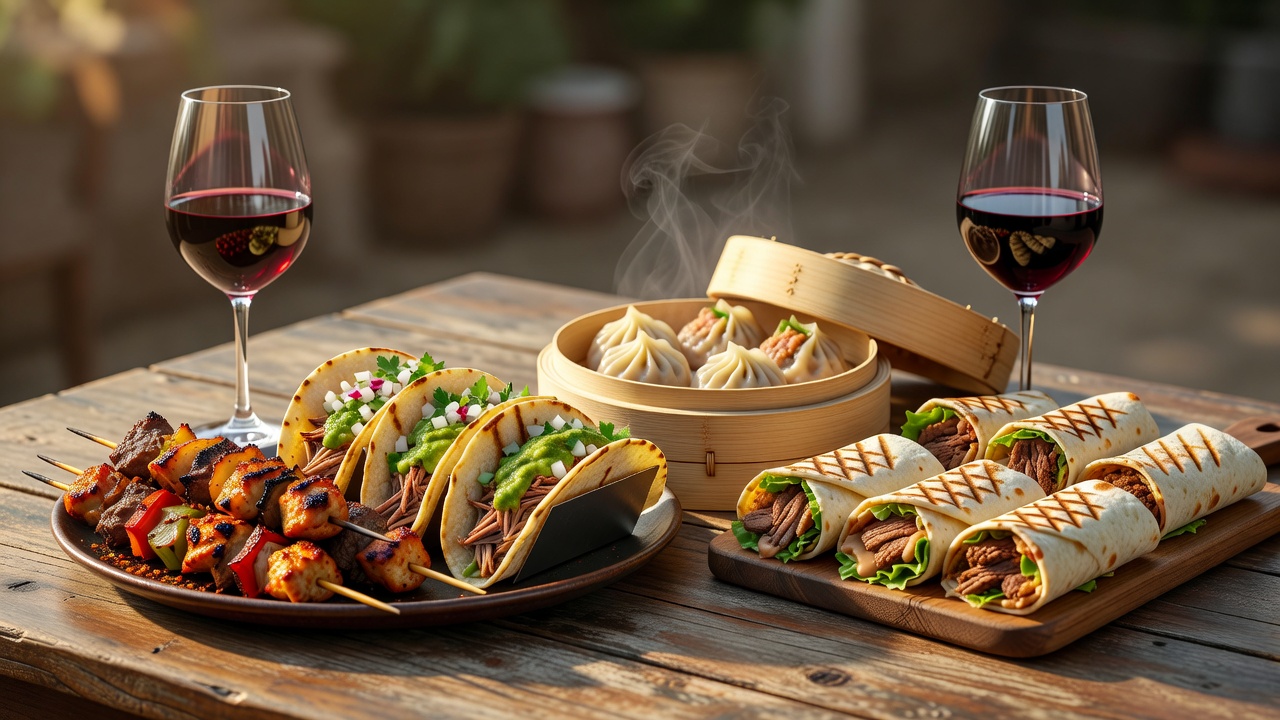
Global street foods deliver intense, layered flavors that challenge traditional wine pairings. In 2026, home entertainers and adventurous diners seek practical sommelier strategies to match spicy skewers, handheld bites, and vibrant market dishes with wines that enhance rather than overpower. This comprehensive guide delivers depth on acidity and tannin balance, red versus white decisions, temperature controls, glassware selection, and real-world case studies drawn from international street scenes across Asia, Latin America, the Middle East, and beyond. Whether you are hosting a backyard gathering or recreating market vibes at home, these techniques ensure every bite and sip creates harmony.
Core Principles of Matching Acidity and Tannins to Street Food Textures
Street foods often feature high spice, fat, or crunch that demand wines with refreshing acidity or structured tannins. Acidity cuts through richness in items like fried empanadas, while tannins tame protein-heavy grilled meats. Consider the Maillard reaction in charred satay: a medium-tannin red preserves the smoky notes without drying the palate. Always taste the dominant element first—heat, sweetness, or umami—then select accordingly. Texture plays an equally vital role; crispy coatings require wines that refresh the mouth, while creamy sauces benefit from wines that cleanse without clashing. Understanding these interactions prevents common mismatches and elevates casual meals into sophisticated experiences.
Red Wine Options for Bold, Savory Bites
Full-bodied reds excel with smoky or fatty street classics. A Syrah from the Rhône pairs beautifully with Korean bulgogi tacos because its peppery notes echo gochujang spice. For lamb kofta wraps, try a GSM blend that offers soft tannins to counter yogurt marinade acidity. Avoid overly oaky styles that can clash with chili heat. Lighter reds such as Gamay work wonders with Vietnamese banh mi sandwiches, where the wine’s bright cherry notes balance pickled vegetables and pâté richness. Explore Decanter for regional red recommendations that travel well to casual settings.
White and Rosé Choices for Bright, Spicy Profiles
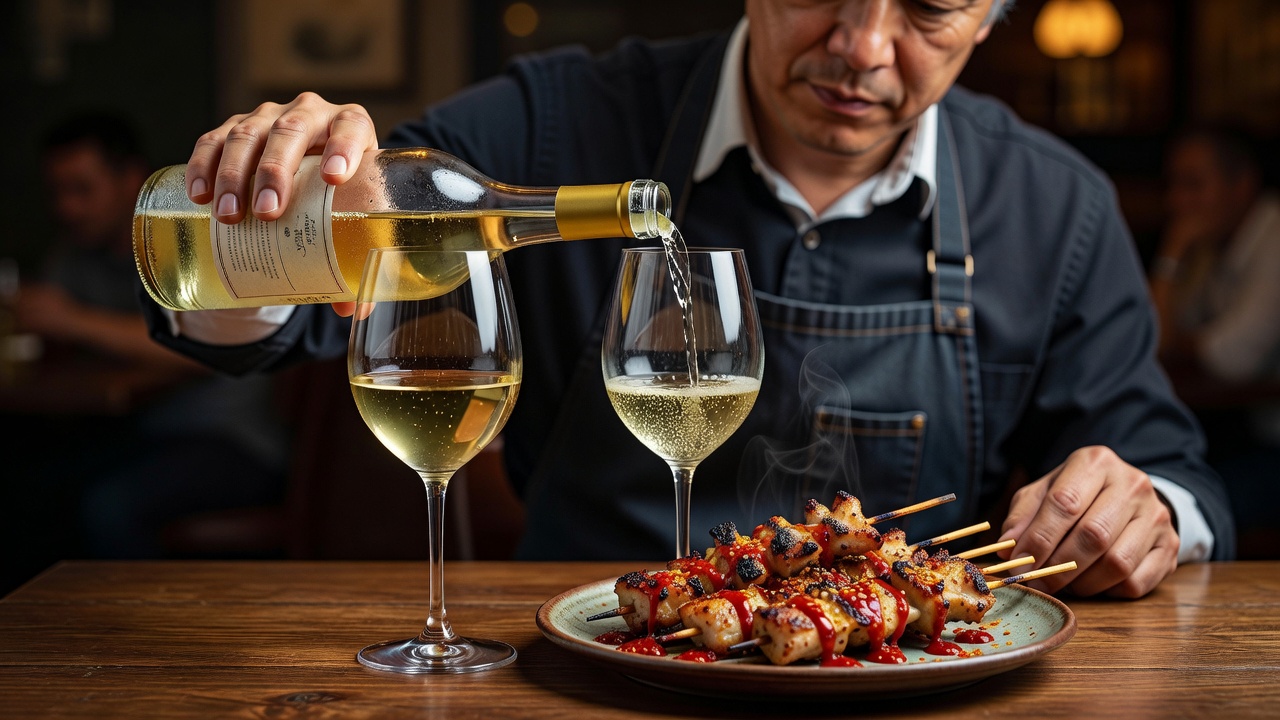
Crisp whites and dry rosés handle heat and citrus elements with grace. Albariño’s saline finish complements Mexican elote street corn, while a Provençal rosé balances Thai basil chicken skewers. High-acidity whites like Riesling (off-dry) tame Szechuan peppercorn dishes without numbing the tongue. For Japanese takoyaki, a sparkling Vinho Verde adds effervescence that cuts through the creamy, savory filling. These choices highlight how whites and rosés provide versatility across heat levels and textures.
Step-by-Step Selection Guide for Popular Global Street Foods
- Identify primary flavor drivers: spice level, fat content, acidity from pickles or sauces. Note secondary notes such as herbs or fermentation.
- Match intensity: light dishes need delicate wines; robust flavors suit bolder bottles. Test by sipping the wine first then taking a bite.
- Consider temperature: serve whites at 8–10°C and reds at 14–16°C for optimal expression. Use a thermometer for precision at home gatherings.
- Test glassware: use tulip-shaped glasses for aromatics in whites and larger bowls for reds to allow breathing. Universal glasses simplify service for mixed menus.
- Adjust for 2026 trends: incorporate low-intervention wines that highlight natural fruit to mirror street food freshness. Experiment with skin-contact whites for added texture.
- Account for portion size: smaller pours allow guests to sample multiple pairings without fatigue.
Real-World Case Studies from Street Markets
In Bangkok’s Yaowarat district, vendors pair grilled pork skewers with chilled Chenin Blanc from South Africa; the wine’s honeyed edge offsets chili-lime glaze. A New York halal cart study showed that a light Pinot Noir elevated chicken shawarma by cutting through garlic sauce while respecting warm spice. In Mexico City’s markets, vendors successfully match mole-covered tamales with medium-bodied Tempranillo, where the wine’s earthiness complements chocolate and chili notes in the sauce. Another example from Istanbul’s street carts demonstrates how a dry Greek Assyrtiko pairs with stuffed mussels, its minerality balancing the briny, herb-filled filling. These examples illustrate how regional wines travel well to casual settings worldwide and can be replicated at home with widely available bottles.
Temperature, Glassware, and Serving Tips for 2026 Entertaining
Precise serving temperatures preserve volatile aromatics. Whites benefit from 30 minutes in an ice bucket; reds improve with 15 minutes in a cool cellar. Choose stemware from reputable makers that emphasizes varietal character. For outdoor gatherings, insulated sleeves maintain ideal temps without condensation on glasses. Consider decanting bolder reds 30 minutes ahead to soften tannins when pairing with dense meats. Always have backup chilled bottles ready, as street food heat can accelerate warming. Learn more about proper service from resources like Masters of Wine.
Common Mistakes to Avoid When Pairing Street Foods
- Choosing high-alcohol wines that amplify spice instead of soothing it.
- Ignoring residual sugar in off-dry styles that can tame heat effectively.
- Overlooking glass shape, which affects aroma delivery and perceived acidity.
- Pairing overly tannic reds with delicate seafood-based bites, leading to metallic aftertastes.
Emerging 2026 Trends in Casual Wine and Street Food Experiences
Consumers increasingly favor natural and orange wines at pop-up markets, creating harmony with fermented street condiments. Low-alcohol options allow longer tastings alongside multiple dishes. Sommeliers now recommend hybrid pairings, such as sparkling wines with both sweet and savory carts, reflecting a shift toward inclusive, exploratory dining. Sustainability also plays a role, with many hosts selecting wines from regenerative vineyards that align with the fresh, local ethos of street food culture.
Frequently Asked Questions
How do I pair wine with extremely spicy dishes?
Choose off-dry whites or low-tannin reds with residual sugar to counter capsaicin; avoid high-alcohol wines that amplify heat.
Can one bottle work across multiple street food stations?
Yes—versatile options like dry rosé or unoaked Chardonnay bridge diverse flavors when acidity is the common thread.
What glassware is essential for home setups?
Invest in universal glasses that suit both red and white; they simplify service while highlighting bouquet.
Should I chill reds for spicy street foods?
Slightly chilling medium-bodied reds to 14°C can refresh the palate when facing heavy spice or fat.
Conclusion
Mastering sommelier pairings for global street foods transforms casual meals into memorable experiences. By focusing on acidity, tannins, and temperature, plus applying the step-by-step guides, case studies, and mistake-avoidance tips above, you can confidently host 2026-inspired gatherings that celebrate both wine and world cuisine. Experiment boldly, refine based on personal taste, and enjoy the creative process of matching vibrant street flavors with thoughtfully chosen wines.
No comments yet. Be the first!