 Uncorked Conversations
Introduction to Sommelier Wine Pairings for Spanish Tapas
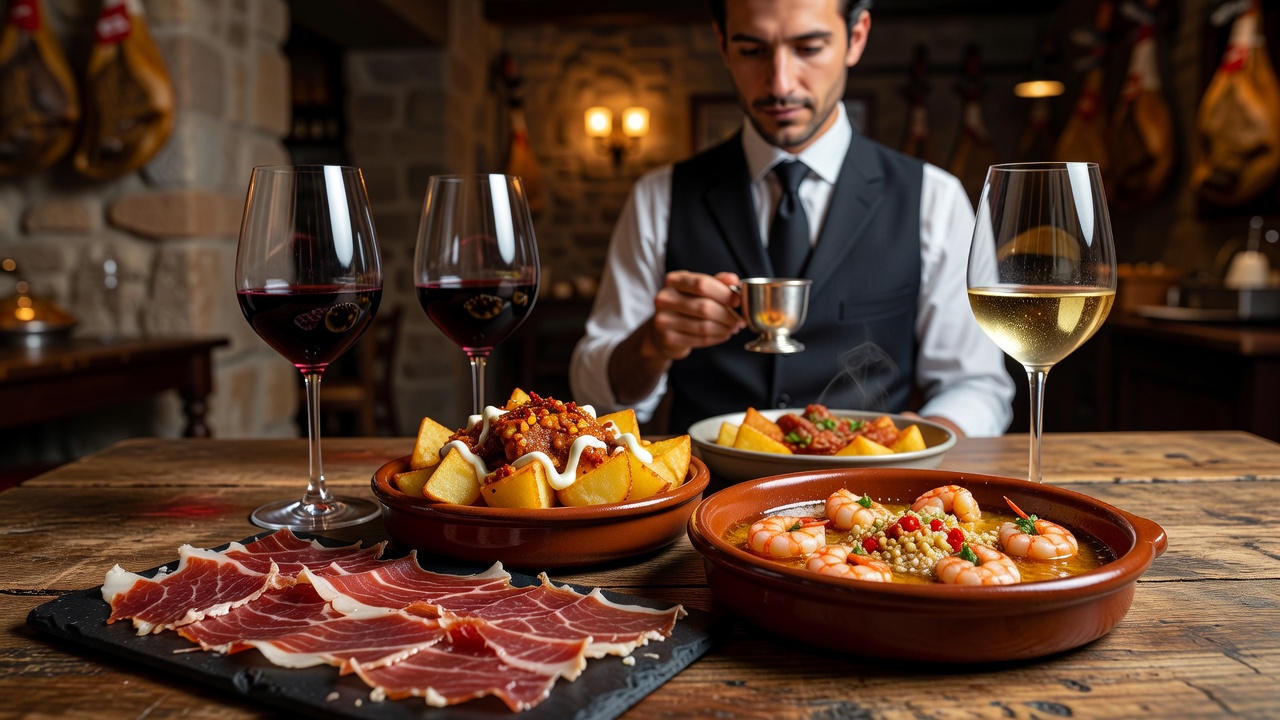
Spanish tapas deliver an explosion of flavors through small plates that highlight the country's rich culinary heritage. From salty cured meats and spicy potatoes to garlicky seafood, these bites demand wines that balance acidity, tannins, and body. In 2026, professional sommeliers emphasize Spain's regional diversity to create harmonious matches that elevate every bite. This comprehensive guide examines acidity and tannin interactions with classics such as jamón ibérico, patatas bravas, and gambas al ajillo while providing red versus white guidance, sparkling Cava recommendations, and ten detailed pairing examples complete with tasting notes and explanations of why each combination succeeds.
Whether you are hosting a dinner party or exploring new flavors at a restaurant, understanding these principles helps avoid common mismatches. The right wine can transform a simple spread into an unforgettable experience by refreshing the palate and enhancing subtle nuances in each dish.
Mastering Acidity and Tannin Balance with Tapas
Acidity serves as a natural palate cleanser, cutting through oils, fats, and spices that define many tapas. High-acid wines prevent heaviness and prepare the mouth for the next bite. Tannins add structure and can mellow when paired with proteins, making them ideal for cured meats. Sommeliers advise steering clear of heavily oaked wines when garlic or delicate seafood is present, as oak can overpower subtle flavors. For fried items like patatas bravas, acidity provides contrast while moderate tannins support savory elements without dominating. Practical application involves tasting the wine first, then the food, and noting how each evolves together on the palate.
Red Versus White Wine Recommendations
Red wines such as Tempranillo offer earthy depth and soft tannins that complement salty, fatty dishes like jamón. Their fruit-forward profiles stand up to bold spices in chorizo or meatballs. White wines, including Albariño and Verdejo, deliver bright citrus and mineral notes that refresh after rich or fried preparations. The decision hinges on the dominant element: choose reds when salt and fat require structure, and whites for heat, oil, or seafood brightness. Experimentation reveals personal preferences, but starting with regional matches ensures authenticity.
Sparkling Cava Matches for Festive Tapas
Cava from Penedès provides effervescence that scrubs the palate clean after fried or creamy bites. Its apple, lemon, and toasted nut character pairs seamlessly with egg-based dishes and mild peppers. Brut styles offer versatility across the tapas spectrum, while drier versions excel with salty cured items. The bubbles add celebratory flair, making Cava an excellent choice for gatherings where multiple small plates are shared.
Regional Spanish Wine Highlights
Spain's wine map offers distinct expressions suited to tapas. Rioja produces elegant, aged Tempranillos with vanilla and cherry notes ideal for robust meats. Rías Baixas yields crisp Albariños perfect for seafood. Priorat delivers powerful, mineral-driven reds that handle aged cheeses. Rioja Wine details the aging classifications that guide pairing decisions. Broader resources like Spain's official tourism site showcase how regional ingredients inspire wine choices, while Wines from Spain provides up-to-date vintage information for enthusiasts planning flights.
10 Specific Sommelier Pairing Examples with Tasting Notes
- Jamón Ibérico with Rioja Crianza: The wine's earthy cherry and subtle oak notes balance the ham's intense nuttiness and salt, with tannins softening the fat for a clean finish.
- Patatas Bravas with Albariño: High acidity and citrus zest cut through paprika heat and creamy aioli, refreshing the palate between bites of crispy potato.
- Gambas al Ajillo with Verdejo: Bright lemon and herbal tones complement garlic intensity while highlighting the shrimp's natural sweetness.
- Chorizo with Mencía: Peppery red fruit and medium tannins echo the sausage's smoky spice, creating a harmonious savory profile.
- Tortilla Española with Cava Brut: Fine bubbles and apple notes refresh against the egg and potato's richness, preventing palate fatigue.
- Manchego Cheese with Priorat: Bold structure and dark fruit tannins slice through the cheese's creamy tang for a balanced bite.
- Calamari with Txakoli: Light spritz and high acidity match the fried seafood's crunch and lemon accents.
- Pimientos de Padrón with Godello: Mineral and stone-fruit notes enhance the peppers' mild earthiness and slight char.
- Jamón Serrano with Ribera del Duero: Structured tannins and black fruit harmonize with the leaner cured meat's saltiness.
- Albondigas with Monastrell: Dark berry flavors and soft tannins soften the tomato-based meatballs without overwhelming the spices.
These pairings demonstrate how thoughtful selection amplifies both wine and food. Adjust portions to two-ounce pours during tastings to focus on interplay rather than volume.
Step-by-Step Guide to Building a Tapas Wine Flight at Home
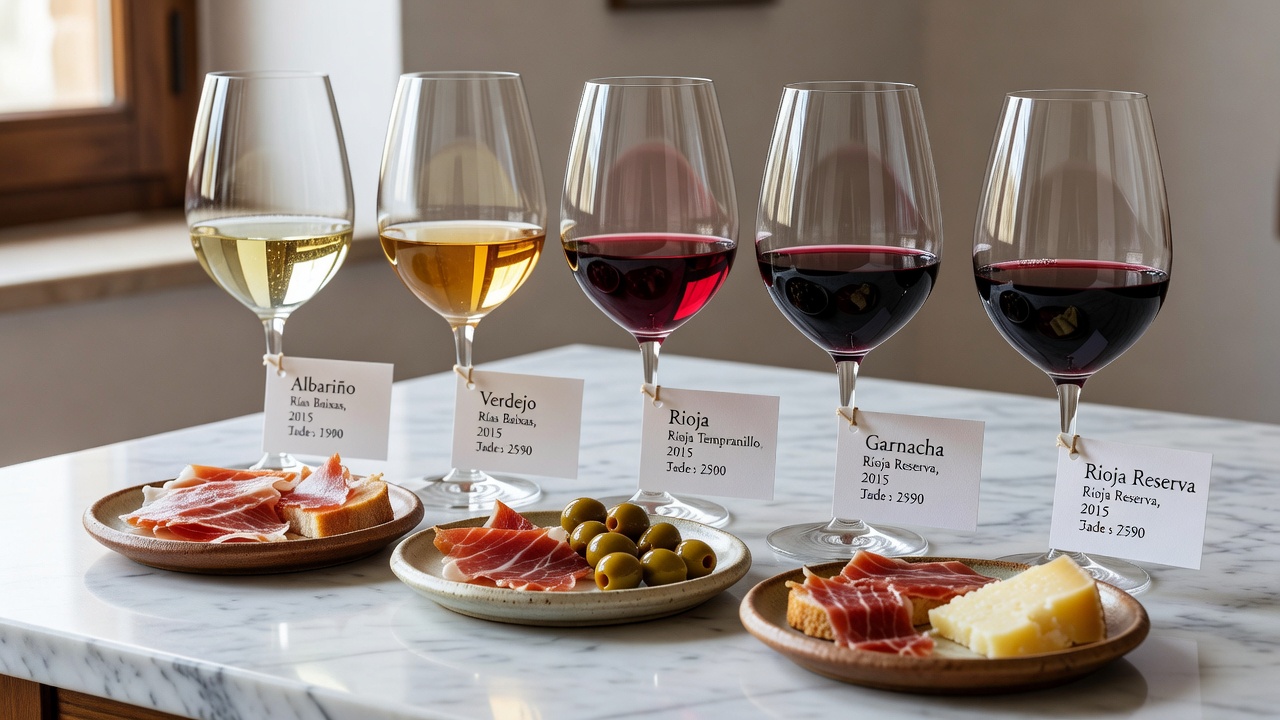
Creating a balanced wine flight turns an ordinary evening into a sommelier-style experience. Begin by choosing four to six wines that span styles: one sparkling, two whites, and two reds. Source bottles from different regions for variety. Chill whites and Cava between 8-10°C while serving reds at cool room temperature around 16°C. Prepare small plates in advance and arrange them from lightest to richest flavors. Use identical glassware for fair comparison and label each pour discreetly. During service, taste the wine alone, then with food, noting changes in acidity, fruit, or tannins. Encourage guests to discuss impressions and refine future selections based on what worked best. Store leftovers properly by recorking and refrigerating to enjoy the next day.
Common Mistakes to Avoid
- Overlooking acidity: Low-acid wines can make oily dishes feel heavier rather than refreshed.
- Ignoring temperature: Serving whites too warm dulls their crispness and reds too cold mutes aromas.
- Choosing overly sweet wines: Residual sugar clashes with savory or spicy tapas profiles.
- Skipping regional matches: Non-Spanish alternatives may lack the authentic synergy that Spanish grapes provide.
Frequently Asked Questions
What if a pairing feels off-balance?
Introduce a squeeze of lemon or a pinch of salt to the dish to adjust perceived acidity or try a lower-tannin alternative on the next round.
Can I use non-Spanish wines successfully?
Yes, but Spanish varieties capture the tapas' terroir and authenticity most effectively; experiment with similar styles like Italian whites if needed.
How many wines should a flight include?
Four to six wines maintain focus while allowing guests to compare styles without palate overload.
Are there budget-friendly options for home flights?
Many entry-level Spanish wines from major regions deliver excellent quality for everyday pairings when selected thoughtfully.
Conclusion
Mastering sommelier pairings for Spanish tapas transforms simple small plates into sophisticated, memorable experiences. By focusing on acidity, tannins, regional specialties, and structured tastings, both home hosts and diners can consistently achieve balanced, flavorful combinations that celebrate Spain's vibrant wine and food culture.
No comments yet. Be the first!