 Uncorked Conversations
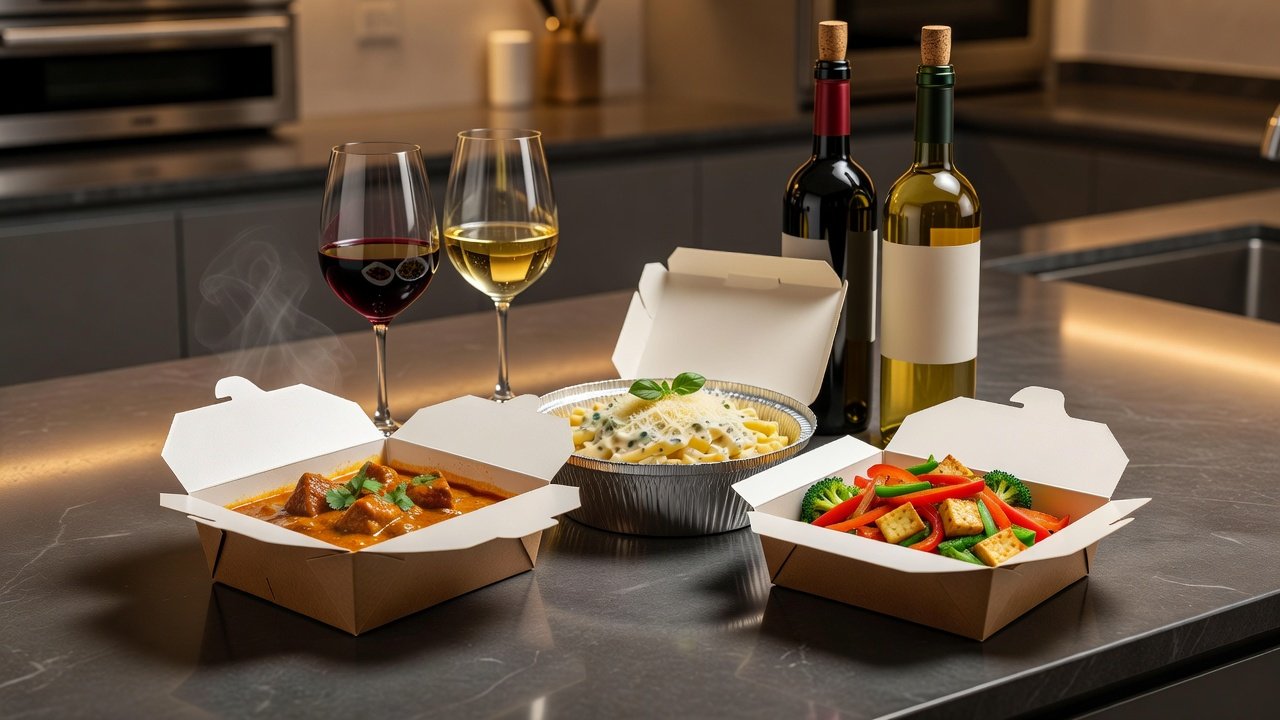
Wine Pairings for Takeout: Quick Matches for Delivery Favorites 2026
Busy professionals and home cooks frequently rely on delivery services for quick meals, yet selecting the right wine can transform these everyday orders into memorable experiences. In 2026, with increasing demand for convenient yet elevated dining, understanding wine pairings tailored to takeout dishes becomes essential. This comprehensive guide explores practical sommelier strategies for matching wines to popular delivery items, from fiery curries to rich pastas, emphasizing balance through acidity, tannins, and residual sweetness without any need for extensive kitchen prep.
Understanding Flavor Balance in Takeout Wines
Takeout dishes often feature intense sauces that combine heat, creaminess, sweetness, and umami. Effective pairings rely on matching or contrasting these elements with wine characteristics. Acidity helps cut through fatty or creamy textures, while tannins soften spicy notes and cleanse the palate. For mixed family orders common in busy households, versatile bottles with moderate alcohol levels and balanced profiles prove most useful. Sommeliers recommend focusing on widely available varietals that adapt to multiple cuisines. As delivery trends evolve in 2026, many enthusiasts seek wines that require only basic chilling or opening to enhance meals instantly.
Pairing Spicy Curries and Asian Takeout
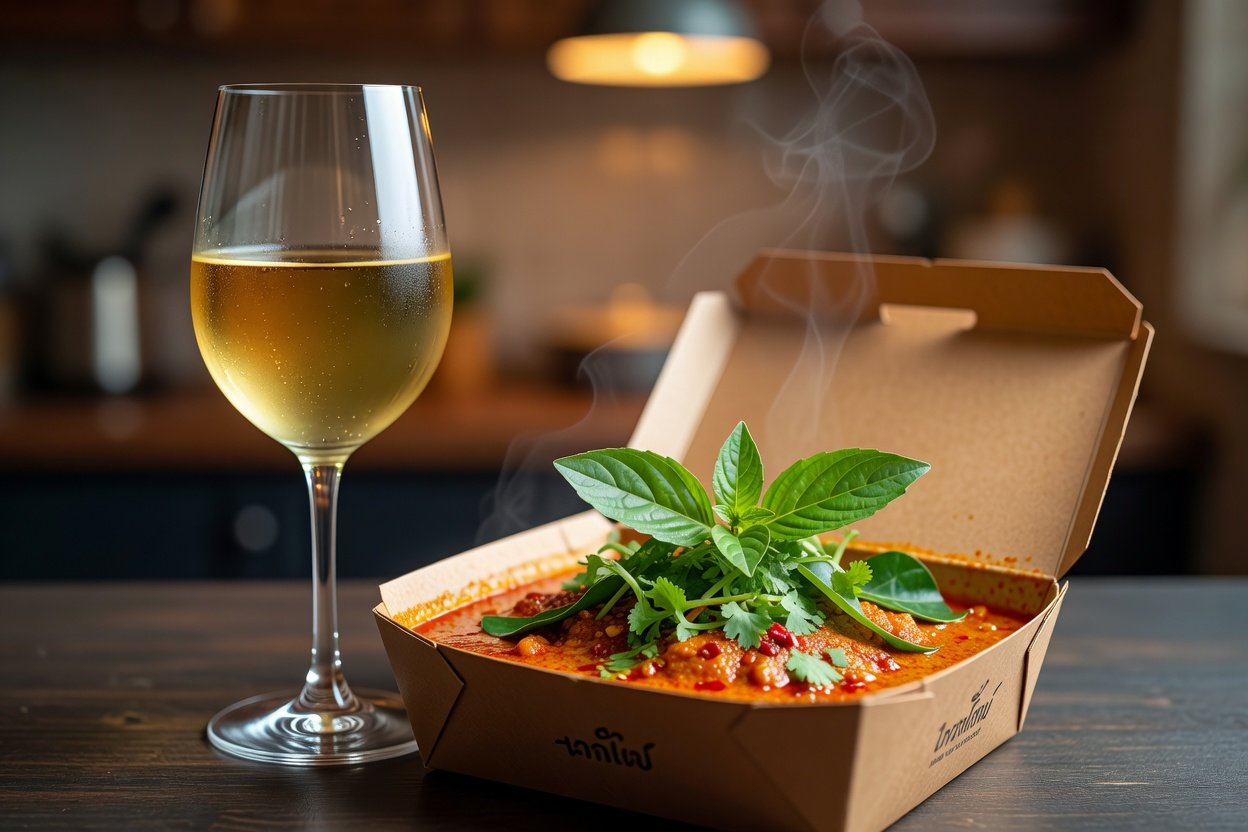
Thai green curries, Indian tikka masalas, and Chinese kung pao dishes present bold heat and aromatic spices that demand wines capable of refreshing the mouth. Off-dry Riesling stands out due to its bright acidity and touch of sweetness that counters capsaicin without overwhelming delicate flavors. Gewürztraminer offers lychee and rose petal aromatics that complement lemongrass and coconut elements in Southeast Asian preparations. For vegetable-heavy stir-fries, Sauvignon Blanc provides herbal zest that echoes fresh garnishes like cilantro and lime. Consider this step-by-step approach for a spicy Thai curry: first select a chilled Riesling from a reputable producer, pour a small amount to assess its sweetness level, then add a squeeze of lime to the dish to harmonize citrus notes before the first sip. This method ensures the wine enhances rather than competes with the meal's intensity. Additional examples include pairing Korean bulgogi with a light Pinot Noir to balance sweet-savory marinades through soft tannins and red fruit notes.
Versatile choices also extend to Japanese sushi deliveries where crisp sparkling wines or dry rosés cut through soy and wasabi effectively. Wine Magazine frequently discusses how these selections maintain balance across varying spice levels.
Matching Creamy Pastas and Italian Deliveries
Cream-based sauces such as Alfredo or carbonara require wines with sufficient acidity to refresh the palate and prevent heaviness. Unoaked Chardonnay delivers clean citrus and apple flavors that slice through butter and cheese without adding oak-derived vanilla that could clash. For tomato-driven options like arrabbiata or puttanesca, Chianti Classico provides vibrant cherry and herbal notes that mirror the sauce's acidity and herbs. Avoid overly tannic Cabernet Sauvignons, which can make dairy feel metallic. A practical example involves ordering chicken parmesan: pair it with a medium-bodied Sangiovese that offers enough structure for the breading while remaining food-friendly. When garlic and olive oil dominate, Vermentino from coastal regions brings saline minerality that elevates simple preparations. These choices require minimal effort beyond proper serving temperature, typically around 50 degrees Fahrenheit for whites.
Red Versus White Options for Mixed Orders
Mixed deliveries combining Asian and Italian items benefit from flexible selections like sparkling Cava or Prosecco, whose bubbles and acidity bridge spicy and creamy profiles. Light reds such as Gamay or Beaujolais offer low tannins suitable for both roasted vegetables and protein-rich stir-fries. Whites generally provide safer defaults for groups with differing spice preferences. When deciding between red and white, assess the dominant flavor: creamy elements favor white, while grilled meats lean toward lighter reds. This comparison helps avoid common mismatches that diminish enjoyment.
Quick Reference Chart for Common Takeout Items
| Takeout Dish | Recommended Wine | Why It Works |
|---|---|---|
| Spicy Thai Curry | Off-dry Riesling | Acidity and residual sugar tame heat while refreshing the palate |
| Creamy Alfredo Pasta | Unoaked Chardonnay | Clean finish cuts through butter and cheese richness |
| Beef Bulgogi | Light Pinot Noir | Soft tannins complement umami and sweet marinades |
| Vegetable Pad Thai | Sauvignon Blanc | Herbal notes echo lime, cilantro, and peanuts |
| Chicken Tikka Masala | Gewürztraminer | Spice-friendly aromatics balance creamy tomato sauce |
| Garlic Shrimp Scampi | Vermentino | Saline minerality enhances citrus and garlic |
| Sweet and Sour Chicken | Off-dry Rosé | Balanced sweetness mirrors sauce without cloying |
Step-by-Step Pairing Examples with Multiple Scenarios
Begin by identifying the dominant flavors and textures in your delivery order. Next, select a wine whose profile either mirrors or contrasts those elements effectively. Adjust serving temperature—whites benefit from slight chilling while reds open best at cool room temperature. Taste the wine alone first to note its acidity and sweetness, then combine with a bite of food to observe interactions. For a mixed order of curry and pasta, start with an off-dry Riesling that handles both through its versatility. Repeat the process with small plate adjustments such as adding fresh herbs to align aromas. These steps require only basic glassware and a corkscrew, making them ideal for quick home setups.
Common Mistakes to Avoid
- Over-chilling whites to refrigerator temperatures, which dulls delicate aromas—target 45–50°F for optimal expression.
- Pairing high-tannin reds with extremely spicy foods, as this amplifies perceived heat and dries the palate.
- Ignoring sweetness levels, leading dry wines to taste overly sour against sweet or tangy sauces.
- Selecting overly complex or aged bottles that lose nuance when paired with bold takeout flavors.
- Forgetting to consider alcohol content, which can intensify spice if too high.
FAQ
What if my order includes both spicy and creamy items?
Opt for sparkling wines or off-dry whites that bridge profiles through lively acidity and subtle sweetness, allowing the wine to adapt across courses.
Can I use the same bottle for multiple nights?
Yes, reseal with a vacuum pump and refrigerate for up to three days. Re-chill whites before serving to restore freshness.
Are there budget-friendly sommelier pairings?
Focus on accessible varieties like Riesling and Pinot Grigio that deliver strong results without premium costs, available at most retailers.
How does temperature affect pairings?
Proper temperature enhances balance; overly warm reds taste flabby while too-cold whites mute fruit, so use a simple wine thermometer for precision.
Experimenting with these detailed pairings elevates routine takeout while keeping preparation minimal. Additional insights on regional wine styles appear at Decanter and Food & Wine, helping expand home selections further.
With these expanded strategies, any delivery meal becomes a thoughtfully paired experience that maximizes enjoyment in 2026.
No comments yet. Be the first!