 Uncorked Conversations
Introduction to Caribbean Wine Pairings
Caribbean cuisine bursts with bold flavors—fiery jerk spices, sweet plantains, creamy seafood curries, and zesty tropical salsas. Pairing these dishes with the right wines requires understanding how acidity, sweetness, tannins, and bubbles interact with heat and richness. In 2026, sommeliers emphasize versatile varietals that cut through spice while complementing island ingredients. This guide delivers step-by-step logic, specific bottle examples, seasonal trends, and practical tips for home enthusiasts looking to elevate everyday meals with professional-level pairings.
Understanding Flavor Profiles in Caribbean Dishes
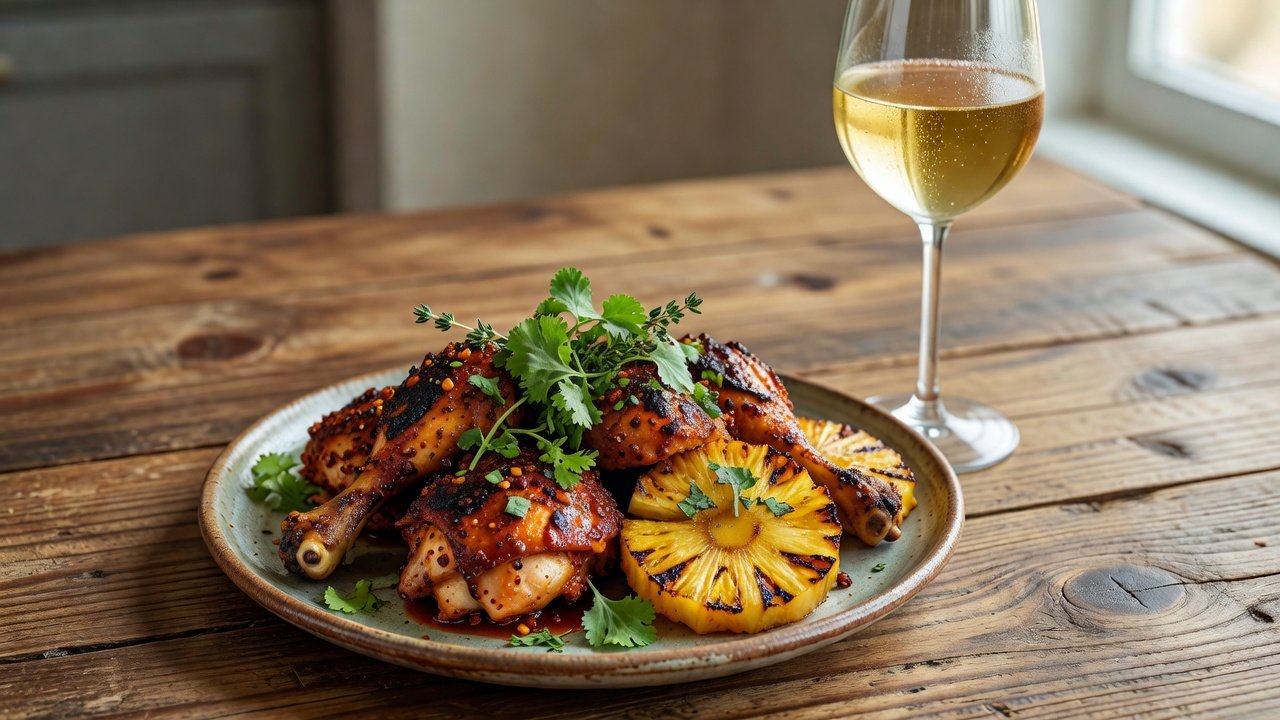
Caribbean meals often combine sweet, spicy, acidic, and savory elements in complex ways. Jerk chicken features Scotch bonnet heat balanced by allspice and thyme, creating layers that demand wines with enough fruit and acidity to stand up without overwhelming the palate. Plantain sides range from sweet maduros to savory tostones, each requiring different wine textures. Seafood curries bring coconut creaminess and curry warmth that can coat the mouth, while salsas add mango or pineapple brightness that calls for crisp, aromatic whites. Wines must refresh the palate without overpowering delicate seafood or clashing with inherent sweetness found in many island recipes.
Key Pairing Principles
- Match heat with residual sugar and acidity to tame capsaicin burn
- Use bubbles to cleanse rich sauces and reset the palate between bites
- Choose low-tannin reds for grilled meats to avoid amplifying bitterness
- Opt for aromatic whites for herbal and fruity notes that echo tropical elements
- Consider serving temperature carefully—chilled whites at 45-50°F and light reds around 55-60°F enhance balance
Riesling for Spicy Jerk Chicken
Off-dry Riesling excels with jerk chicken because its natural sweetness tames capsaicin while high acidity refreshes after each bite. Step-by-step logic begins with selecting a Kabinett or Spätlese style from Germany or Alsace; the petrol, peach, and lime notes echo jerk's smoky-sweet profile beautifully. Try bottles like Dr. Loosen Riesling or Schloss Johannisberg for classic expressions. For variations, consider Australian Riesling with its lime zest intensity when pairing with extra-hot jerk. In 2026 trends, biodynamic Rieslings are gaining popularity for their vibrant minerality that pairs especially well with grilled elements. Experiment by tasting the wine first, then adding a bite of chicken to observe how sweetness softens heat.
Explore Riesling reviews at Wine Magazine
Sparkling Wines for Seafood Curries
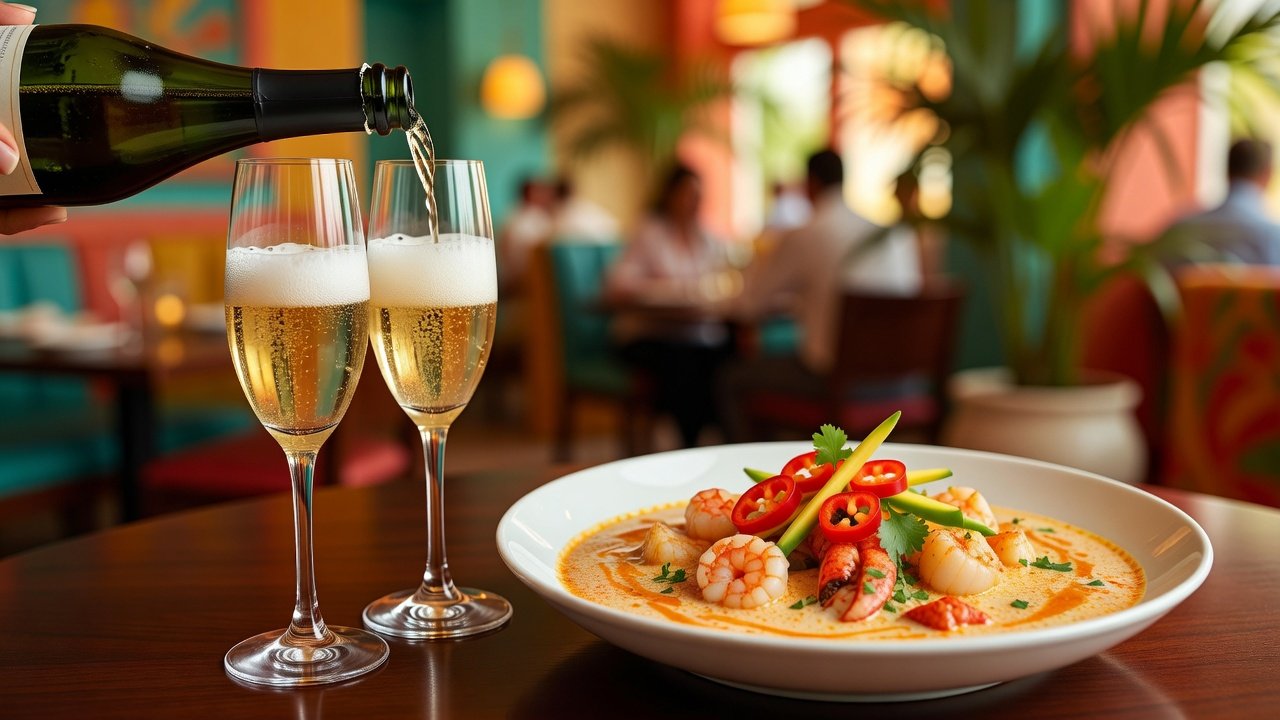
Seafood curries pair beautifully with sparkling options such as Champagne, Cava, or Prosecco. These wines cut through coconut richness with effervescence and bright acidity that lifts heavy sauces. The logic involves bubbles acting as a palate cleanser, preventing the creamy curry from lingering and allowing the wine's citrus notes to complement shellfish or fish. Specific examples include Veuve Clicquot Brut or Spanish Cava from Freixenet. For a more budget-conscious approach in 2026, many sommeliers recommend English sparkling wines that offer similar structure with local appeal. Always serve well-chilled to maximize refreshment against spicy curries.
Red vs White for Grilled Meats
Grilled Caribbean meats like jerk pork or oxtail call for thoughtful red or white choices depending on the spice level and cooking method. Whites such as Albariño offer crisp acidity and citrus to match smoky char, while reds like Pinot Noir provide light tannins that won't amplify spice. Comparison shows whites refresh better with intense heat because they avoid drying the palate, whereas lighter reds add earthiness to grilled flavors when the dish leans savory. Avoid heavy Cabernet Sauvignon or Malbec that can create metallic aftertastes. Practical examples include pairing a chilled Pinot Noir with oxtail stew or an Albariño with grilled snapper.
Pairings for Plantain Sides and Tropical Salsas
Sweet plantains love wines with matching fruit-forward profiles such as Torrontés or Viognier that bring tropical notes without overpowering. For salsas featuring mango, pineapple, or tomato, Sauvignon Blanc's grassy acidity mirrors lime and cilantro perfectly. Expand this approach to dishes like fried plantain chips by choosing a sparkling rosé for contrast. Practical tip: always chill whites to 45-50°F for optimal refreshment and consider decanting aromatic whites briefly to open up fruit aromas before serving with sides.
2026 Seasonal Wine Trends
This year highlights climate-resilient wines from regions like South Africa and New Zealand, plus low-alcohol options that suit lighter Caribbean fare. Natural wines with subtle texture are trending for their food-friendly versatility and ability to handle spice without fatigue. Sommeliers also note growing interest in orange wines for their tannin structure that can bridge red and white pairings for mixed platters. Check latest trends at Decanter
Step-by-Step Home Pairing Guide
- Identify dominant flavors in the dish such as heat, sweetness, creaminess, or smokiness
- Select wine style based on the principles outlined above, starting with aromatic whites for spice
- Taste the wine first on its own, then take a bite of food and note how the pairing evolves
- Adjust temperature and glassware—use larger bowls for whites to enhance aroma
- Experiment with small pours and keep notes for future meals
Common Mistakes to Avoid
Beginners often choose overly tannic reds that clash with spice and create a bitter finish. Another frequent error is ignoring sweetness levels—dry wines can taste sour against tropical fruits and salsas. Overlooking serving temperature leads to muted flavors, while mismatched glass shapes reduce aromatic impact. Always sample pairings together rather than assuming compatibility based on labels alone. Finally, avoid high-alcohol wines that can intensify perceived heat in jerk or curry dishes.
FAQ on Caribbean Wine Pairings
What wine works best with very spicy jerk?
Off-dry Riesling or Gewürztraminer balances heat effectively by countering capsaicin with sugar and acidity.
Can I pair red wine with seafood curry?
Light reds like Gamay or Pinot Noir work well; avoid high-tannin varieties that amplify spice and overwhelm delicate seafood.
Are there budget-friendly options for 2026?
Yes, many Spanish Cavas and South African Chenin Blanc deliver excellent value while maintaining quality for everyday pairings.
How do I handle sweet plantain desserts?
Choose late-harvest Riesling or Moscato d'Asti to match sweetness without clashing.
Conclusion
Elevate your Caribbean meals with these sommelier-approved pairings that address heat, sweetness, and texture. Experiment with the recommended varietals such as Riesling, sparkling wines, and aromatic whites, then adjust based on personal taste for memorable dining experiences at home.

No comments yet. Be the first!