 Uncorked Conversations
Introduction to Eco-Conscious Wine Pairing
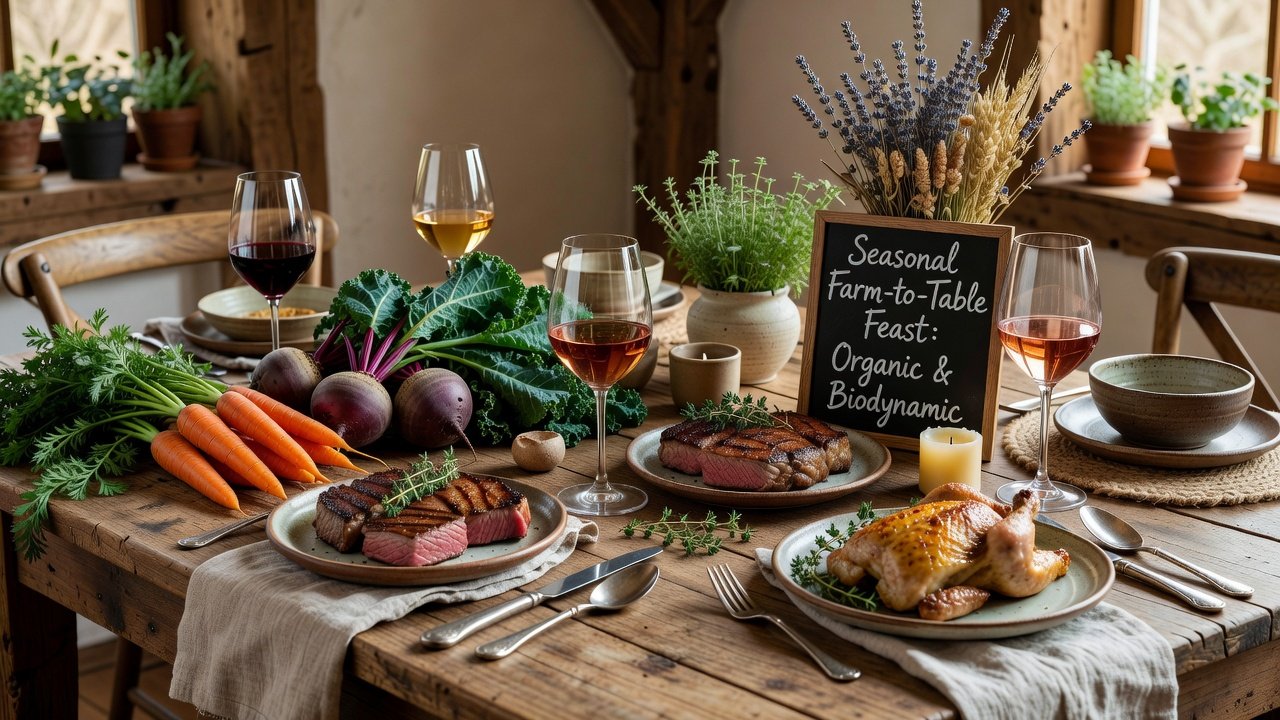
In 2026, sustainable living continues to shape how we approach both food and wine. Sommelier wine pairings for sustainable farm-to-table meals emphasize low-intervention wines that complement organic produce and ethical proteins without overpowering natural flavors. This approach supports zero-waste cooking while enhancing the dining experience through thoughtful acidity balance and tannin interactions. Consumers seeking green living trends increasingly search for wine with food that aligns with environmental values. By focusing on biodynamic and organic options, you can create memorable meals that respect the planet and reduce environmental impact from conventional agriculture and winemaking.
The modern diner values transparency in sourcing, from the farm to the bottle. Sustainable diets prioritize ingredients grown without synthetic pesticides and wines produced with minimal intervention, allowing the true character of the land to shine through in every bite and sip. This article dives deep into practical techniques that any home cook or host can apply to elevate seasonal meals.
Understanding Low-Intervention Wines in Sustainable Diets
Low-intervention wines minimize additives and mechanical processes, preserving the authentic expression of the grape and terroir. These wines pair naturally with seasonal ingredients from local farms because their purity mirrors the clean, vibrant qualities of organic produce. Key principles include matching the wine's structure to the food's intensity and ensuring the pairing supports sustainability goals by choosing producers who practice regenerative farming.
Many sommeliers recommend starting with wines from small estates that use native yeasts and avoid filtration. This preserves delicate aromas that enhance dishes featuring herbs, roots, and pasture-raised proteins. Understanding these wines requires recognizing how soil health, biodiversity, and minimal sulfur additions influence flavor profiles that harmonize with farm-fresh meals.
Step-by-Step Pairing Techniques Based on Flavor Profiles
- Identify the dominant flavors in your dish, such as earthy notes in root vegetables or bright acidity in fresh herbs. Take time to note secondary elements like sweetness from roasted carrots or smokiness from grilled proteins.
- Select a wine with complementary acidity or tannins; for example, high-acid whites cut through rich proteins while refreshing the palate between bites of fatty grass-fed beef.
- Consider weight and texture: light dishes call for lighter wines, while robust grass-fed meats suit fuller-bodied reds that stand up to bold flavors without being overwhelmed.
- Taste and adjust for balance, ensuring neither the wine nor food dominates. Experiment by sipping the wine first, then adding a small bite of food to observe how flavors evolve.
- Factor in cooking methods such as fermentation or pickling, which add layers of complexity that call for wines with similar oxidative or textural notes.
Comparisons Between Biodynamic Reds and Whites
Biodynamic reds often feature deeper tannins and earthy undertones, making them ideal for hearty proteins and slow-cooked vegetable stews. These wines develop complexity through natural fermentation and aging in neutral vessels, resulting in savory profiles that echo the soil where the grapes grew. Whites from biodynamic vineyards deliver vibrant minerality and crisp acidity, perfect for lighter vegetable-forward plates where freshness is paramount.
The choice depends on whether your meal highlights savory depth or fresh vibrancy. A biodynamic Pinot Noir, for instance, offers bright cherry notes and fine tannins that pair with roasted mushrooms, while a biodynamic Riesling provides electric acidity that lifts simple green salads dressed with lemon and herbs. Comparing the two styles reveals how reds bring structure and whites bring lift, allowing diners to tailor pairings to the season and specific ingredients on hand.
Real-World Pairing Examples
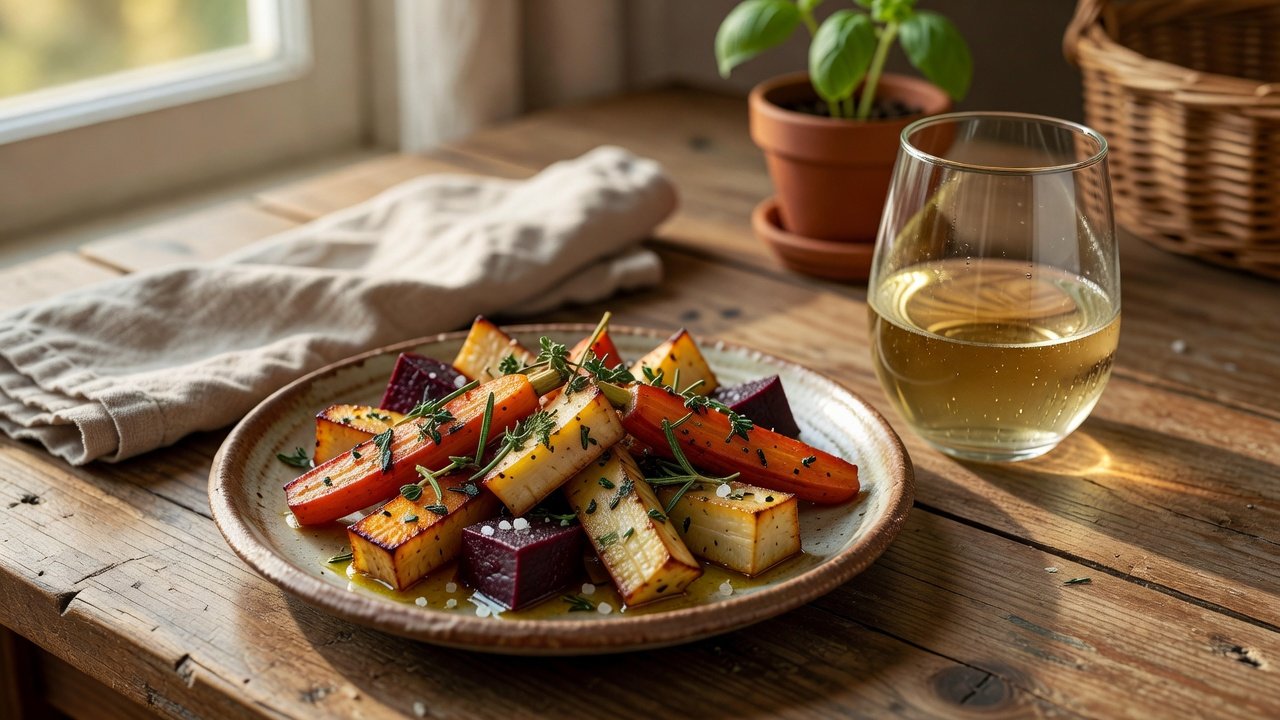
Herb-roasted root vegetables shine alongside a crisp biodynamic white like a Loire Valley Chenin Blanc, where the wine's acidity mirrors the dish's herbal brightness and caramelized edges. Grass-fed proteins, such as steak or lamb, pair beautifully with a structured biodynamic red from Burgundy, allowing tannins to soften the meat's richness while highlighting its clean, mineral qualities.
Other examples include pairing fermented vegetables with skin-contact whites for enhanced texture and subtle tannins that echo the tang of the dish. Sparkling low-intervention wines cleanse the palate between zero-waste courses, such as a multi-course meal using every part of a single vegetable harvest. Consider a grass-fed chicken roasted with garden thyme matched to a light biodynamic Gamay that offers juicy red fruit and gentle acidity to balance the savory herbs.
For a zero-waste pasta dish made from leftover vegetable scraps turned into a pesto, a textured orange wine provides the necessary body and slight bitterness to complement the nutty, herbaceous sauce. These pairings demonstrate how thoughtful selection turns ordinary farm ingredients into extraordinary sustainable dining experiences.
Practical Tips for Sourcing Wines and Zero-Waste Cooking
Source wines from producers certified by reputable organic bodies. Look for labels indicating biodynamic practices and visit local wine shops that specialize in natural selections. In the kitchen, use every part of the ingredient—from carrot tops in pestos to wine reductions for sauces—to minimize waste. This method ensures the entire meal remains cohesive with your chosen pairing.
Store wines properly to maintain quality, and consider buying in bulk from nearby vineyards to reduce transportation emissions. When cooking, repurpose wine leftovers into marinades or vinegars that extend the life of your ingredients. For further reading on sustainable agriculture practices, visit USDA resources. Wine enthusiasts can explore natural wine principles at Wine Magazine. Additional guidance on environmental stewardship in food systems is available at EPA sustainable food pages.
Mistakes to Avoid When Pairing Sustainable Wines
- Overlooking acidity levels, which can make dishes taste flat or overly sharp if mismatched.
- Choosing heavily oaked wines that mask delicate vegetable flavors from organic farms.
- Ignoring regional synergy—pairing wines from the same area as your produce often creates the most harmonious results.
- Using high-tannin reds with light fish or salads, leading to unpleasant metallic sensations.
FAQ: Common Questions on Acidity Balance and Tannin Interactions
How does acidity balance work in pairings?
Acidity in wine refreshes the palate and cuts through fats, preventing dishes from feeling heavy. Match high-acid wines with high-acid foods for harmony, and use lower-acid wines when the meal features creamy or rich elements to avoid clashing sensations.
What about tannin interactions?
Tannins bind with proteins, softening astringency while tenderizing meat. Avoid pairing high-tannin reds with delicate fish to prevent metallic notes, and instead opt for lighter reds or whites when serving lean proteins or vegetable-based mains.
Can I pair sustainably with non-alcoholic options?
Yes, many producers offer low-intervention non-alcoholic wines that maintain flavor complexity for eco-conscious meals, allowing everyone at the table to enjoy balanced pairings without compromising sustainability values.
Conclusion
Mastering sommelier wine pairings for sustainable farm-to-table meals empowers you to enjoy flavorful, responsible dining. By applying these techniques, you contribute to greener living while savoring exceptional combinations that celebrate both food and wine. Experiment with the examples provided and adapt them to your local seasonal harvests for truly personal and planet-friendly experiences.
No comments yet. Be the first!