 Uncorked Conversations
Introduction to Gluten-Free Wine Pairings
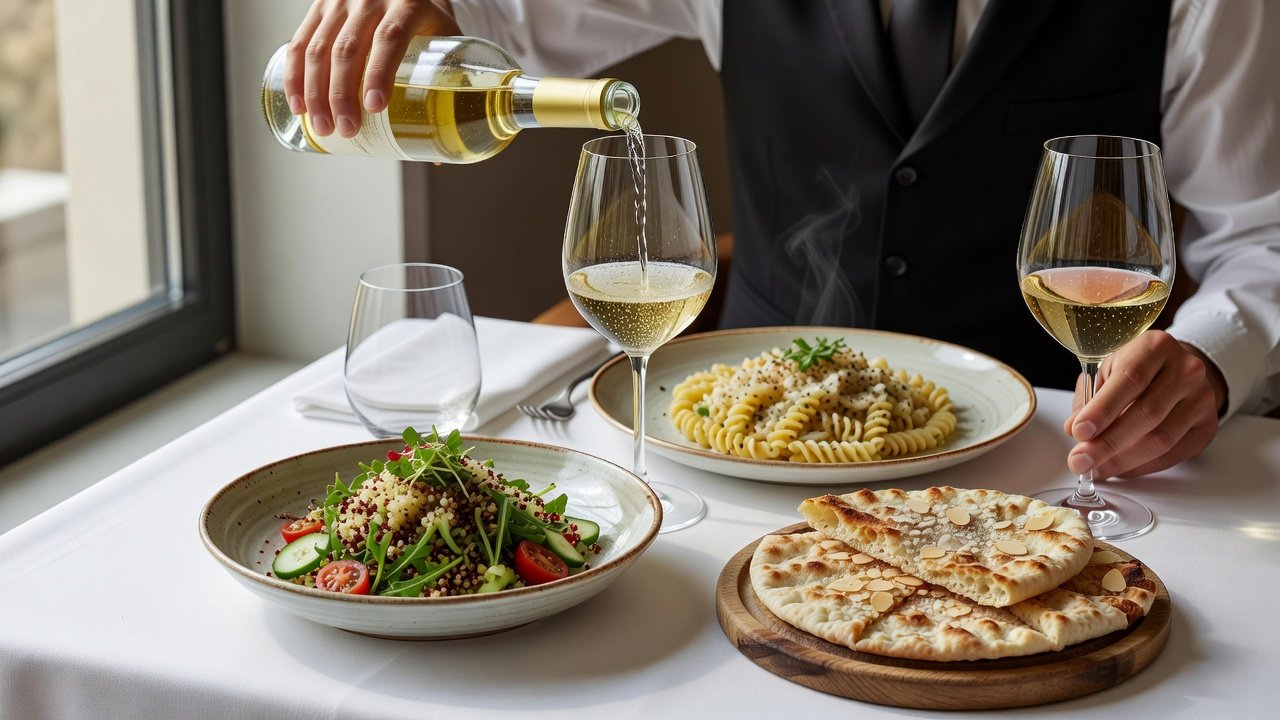
Navigating wine pairings for gluten-free meals requires understanding how alternative ingredients like quinoa, rice, almond flour, and chickpea flour alter texture, acidity, and flavor profiles compared to traditional wheat-based dishes. Sommeliers focus on balancing these elements with wine acidity, tannins, and body to create harmonious matches that enhance both the food and the drink. Gluten-free diets have become increasingly common, driven by celiac disease, gluten sensitivity, and lifestyle choices. This guide provides practical frameworks for home cooks and hosts to select wines that complement popular gluten-free staples without compromising taste or inclusivity. In 2026, with more diners seeking inclusive options, mastering these pairings elevates any dinner party or family meal, turning potential dietary restrictions into opportunities for creative and delicious combinations.
Understanding Gluten-Free Ingredients and Their Impact on Pairing
Alternative flours and grains produce dishes with distinct mouthfeels and flavor intensities that differ markedly from wheat. Quinoa brings a nutty, earthy quality that pairs best with wines offering bright fruit notes to complement its protein-rich profile. Rice-based items absorb sauces deeply, creating denser textures that call for wines with enough acidity to refresh the palate between bites. Almond flour adds subtle sweetness and moisture, while chickpea flour introduces a savory, slightly bitter edge. These variations mean sommeliers must adjust traditional approaches, often favoring higher-acidity whites or lighter-bodied reds over heavy tannins that might clash with the new textures.
Unique Challenges of Pairing Wines with Gluten-Free Ingredients
Gluten-free baked goods like almond flour muffins or chickpea flatbreads lack the subtle sweetness and structure of wheat, leading to pairings that emphasize crisp whites or light reds instead of oaked varieties. Sommeliers recommend testing pairings by considering the dominant grain or flour first, then layering in sauces and proteins. For example, a quinoa salad with lemon vinaigrette needs a wine that mirrors the citrus without overwhelming the grain's nuttiness. Rice noodles in gluten-free pasta can turn heavy when paired with rich sauces, requiring wines that cut through fat effectively. These challenges make the process rewarding once the right matches are found, as the results often surprise guests with their elegance.
Step-by-Step Sommelier Pairing Framework
- Identify the main grain or flour and its flavor notes such as nutty quinoa, neutral rice, or earthy buckwheat.
- Assess the dish's acidity level from ingredients like tomatoes, citrus, or vinegar-based dressings.
- Match wine body to dish weight by choosing light wines for delicate quinoa bowls and fuller wines for hearty casseroles.
- Balance tannins with any fats or proteins to avoid clashes that dull flavors on the palate.
- Consider temperature and serving style, chilling whites properly and decanting reds when appropriate for optimal enjoyment.
- Taste the completed dish before selecting the final bottle to fine-tune based on herbs, spices, or cooking methods used.
This framework ensures consistent results across various gluten-free recipes and allows hosts to adapt quickly when menus change.
Matching Wines to Common Gluten-Free Dishes
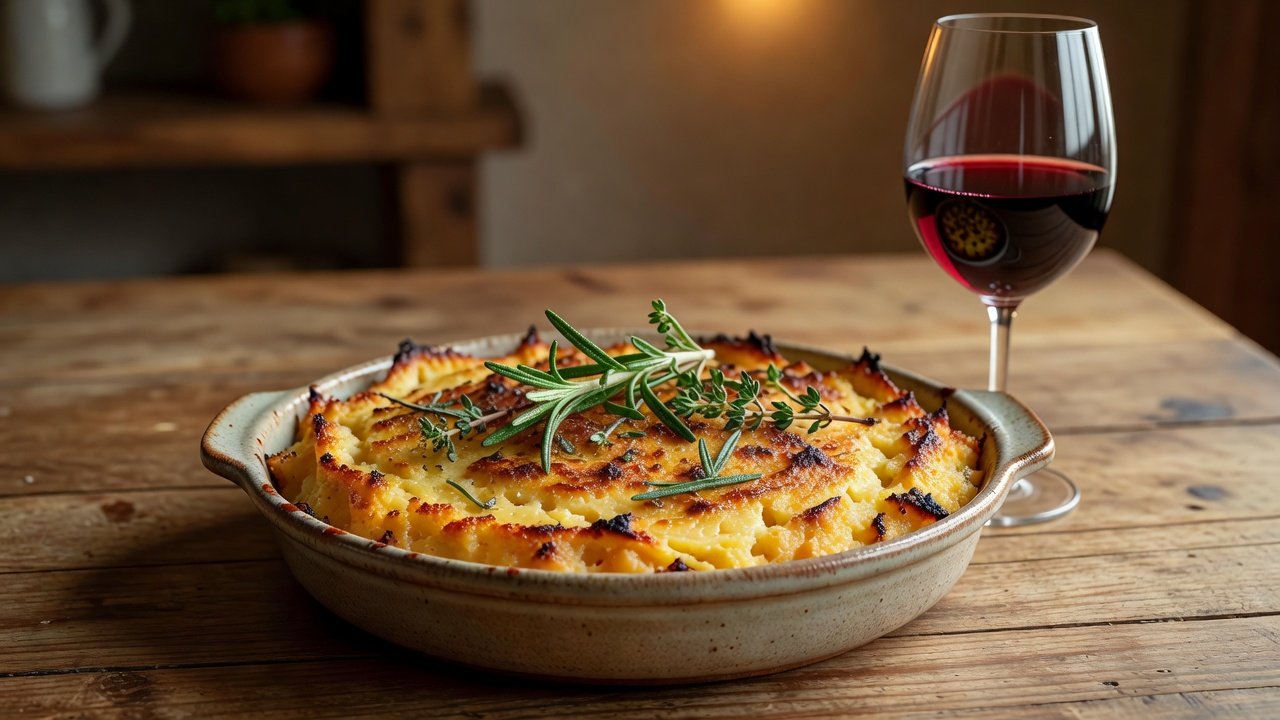
Gluten-free pasta made from rice or corn benefits from wines that refresh the palate between creamy or tomato-based sauces. Flatbreads using chickpea or almond flour pair well with aromatic whites that highlight vegetable toppings. Casseroles featuring quinoa or lentil bases require structured reds that stand up to baked cheese and herbs without overpowering the grains.
8-10 Specific Wine Recommendations with Food Examples
Here are targeted pairings drawn from sommelier expertise, each explained with real food examples and comparisons to traditional pairings. Sauvignon Blanc with quinoa salad and lemon vinaigrette delivers bright acidity that contrasts the grain's earthiness, unlike heavier pairings sometimes used with wheat salads. Pinot Grigio paired with rice-based gluten-free pasta in a light pesto sauce keeps the meal light and refreshing. Chardonnay complements almond flour flatbreads topped with roasted vegetables by adding creamy notes that echo the flour's subtle sweetness. Pinot Noir matches chickpea flour casseroles with mushroom and spinach fillings, offering soft tannins that balance the savory depth. Merlot enhances gluten-free baked goods like savory herb scones alongside grilled chicken, providing plush fruit that traditional wheat versions might overshadow. Riesling cuts through the density of buckwheat crepes with smoked salmon thanks to its vibrant acidity and slight sweetness. Tempranillo balances earthy lentil and rice stuffed peppers with its medium body and spice notes. Grenache works well with polenta-style gluten-free sides and roasted meats by mirroring the dish's warmth. Viognier pairs elegantly with coconut flour pancakes in brunch settings through its floral aromatics. Barbera provides structure for tomato-based gluten-free lasagna alternatives, its high acidity slicing through sauces effectively. These selections often benefit from brighter profiles compared to wheat-based meals.
Comparisons to Traditional Wheat-Based Pairings
Traditional wheat pasta often pairs with bold reds like Cabernet Sauvignon, but gluten-free rice versions absorb sauce differently and may taste better with higher-acidity options such as Barbera or Sauvignon Blanc. Flatbreads made from almond flour lack gluten's chew, so lighter wines prevent the meal from feeling heavy. Casseroles using quinoa instead of pasta require wines that highlight the grain's nuttiness rather than masking it with oak.
Practical Tips for Home Hosts
- Prepare a small tasting plate of the gluten-free dish before guests arrive to test wine matches in advance.
- Offer both a white and red option to accommodate varying preferences and dish components.
- Use stemware that highlights aromas, as gluten-free ingredients can produce subtler scents than wheat counterparts.
- Keep backup bottles ready in case substitutions in the recipe alter the flavor balance unexpectedly.
Common Mistakes to Avoid and Substitutions
Hosts often overlook how gluten-free flours increase perceived dryness, leading to overly tannic wine choices. A frequent error is defaulting to the same red used with wheat pasta. Substitute with higher-acidity whites or lighter reds instead. Always taste the dish before finalizing the bottle to adjust for any added herbs or spices. When swapping flours mid-recipe, note changes in sweetness and shift toward fruitier or drier wines accordingly. For more on dietary considerations, visit Mayo Clinic. Explore global wine insights at Wine Magazine and food science resources from USDA.
FAQ: Addressing Common Questions on Gluten-Free Pairings
What wines work best with gluten-free pizza crusts?
Crisp whites like Sauvignon Blanc or light reds such as Pinot Noir excel by cutting through cheese and tomato without overwhelming the crust's subtle flavors.
Can I use the same pairings as traditional meals?
Not always; gluten-free versions may require more acidity. Compare by testing side-by-side with wheat equivalents for reference.
How do I handle substitutions in recipes?
When swapping flours, note changes in sweetness and adjust to fruitier or drier wines accordingly to maintain balance.
Are there budget-friendly options for these pairings?
Many recommended varieties like Pinot Grigio and Merlot offer excellent value while delivering the needed acidity and body for gluten-free dishes.
What if my guests have additional dietary restrictions?
Choose versatile wines like Riesling or Grenache that complement multiple ingredients and avoid common allergens found in some processed wines.
With these strategies, any host can create memorable gluten-free meals that feel both inclusive and sophisticated.
No comments yet. Be the first!