 Uncorked Conversations
Introduction: Rethinking Wine with Everyday Snacks
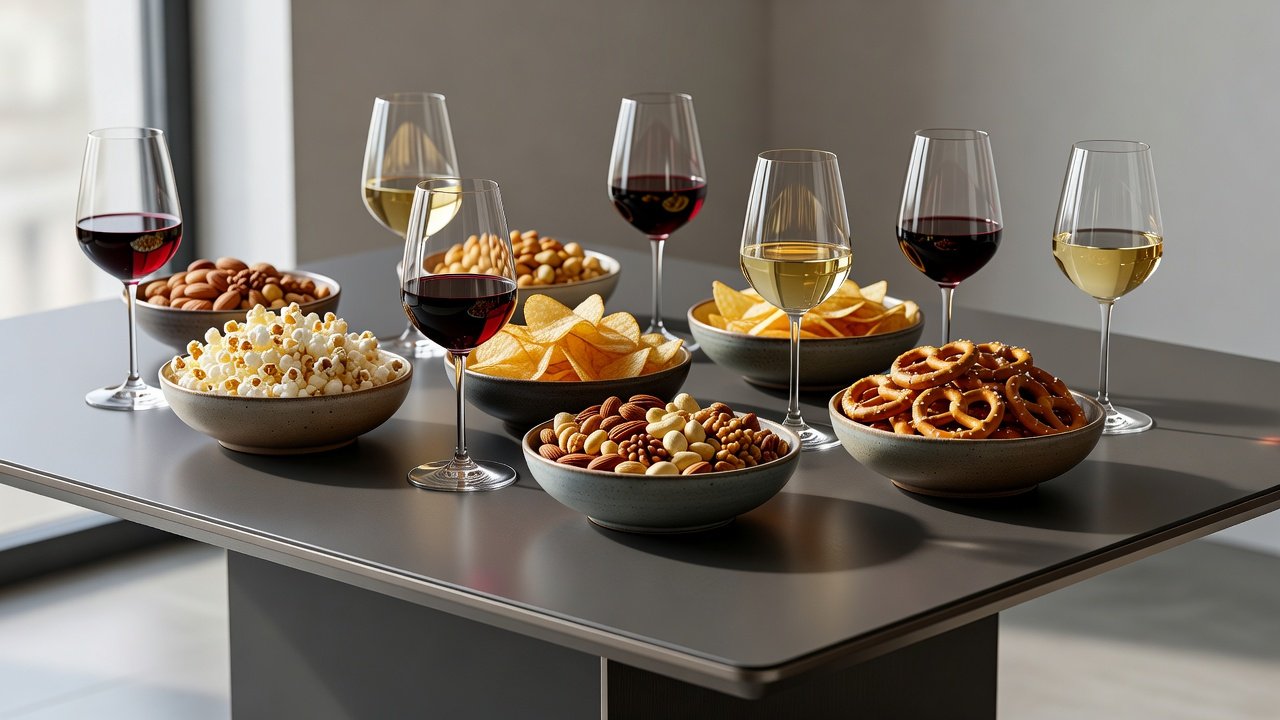
In 2026, wine enthusiasts are moving beyond formal dinners to embrace creative pairings with casual snacks. This shift highlights accessible wines that complement popcorn, chips, pretzels, nuts and trail mix in home settings. Flavor contrasts and complements take center stage, allowing acidity and tannins to balance salty, crunchy and savory profiles. Whether hosting friends or enjoying a solo evening, these unexpected combinations elevate simple bites without requiring expensive bottles or extensive cellars. The trend reflects a broader movement toward relaxed entertaining where everyday snacks become the foundation for memorable tasting experiences. Modern consumers seek approachable options that fit busy lifestyles while still delivering sophisticated flavor interplay.
Traditional advice often pairs white wines with light snacks and reds with heavier fare, yet modern sommelier trends favor bold experiments. Acidic wines cut through richness while tannins provide structure against salt. Below, we explore five unique pairings with detailed tasting notes, step-by-step rationales and real-world examples drawn from current casual dining scenes. These ideas draw from emerging 2026 preferences for versatile bottles that perform well across multiple snack categories during impromptu gatherings.
Five Unexpected Combinations with Tasting Notes
These pairings emphasize 2026 trends toward versatile, easy-to-find wines suitable for everyday enjoyment. Each combination has been tested in casual home environments to ensure reliability.
1. Buttered Popcorn with Cabernet Sauvignon
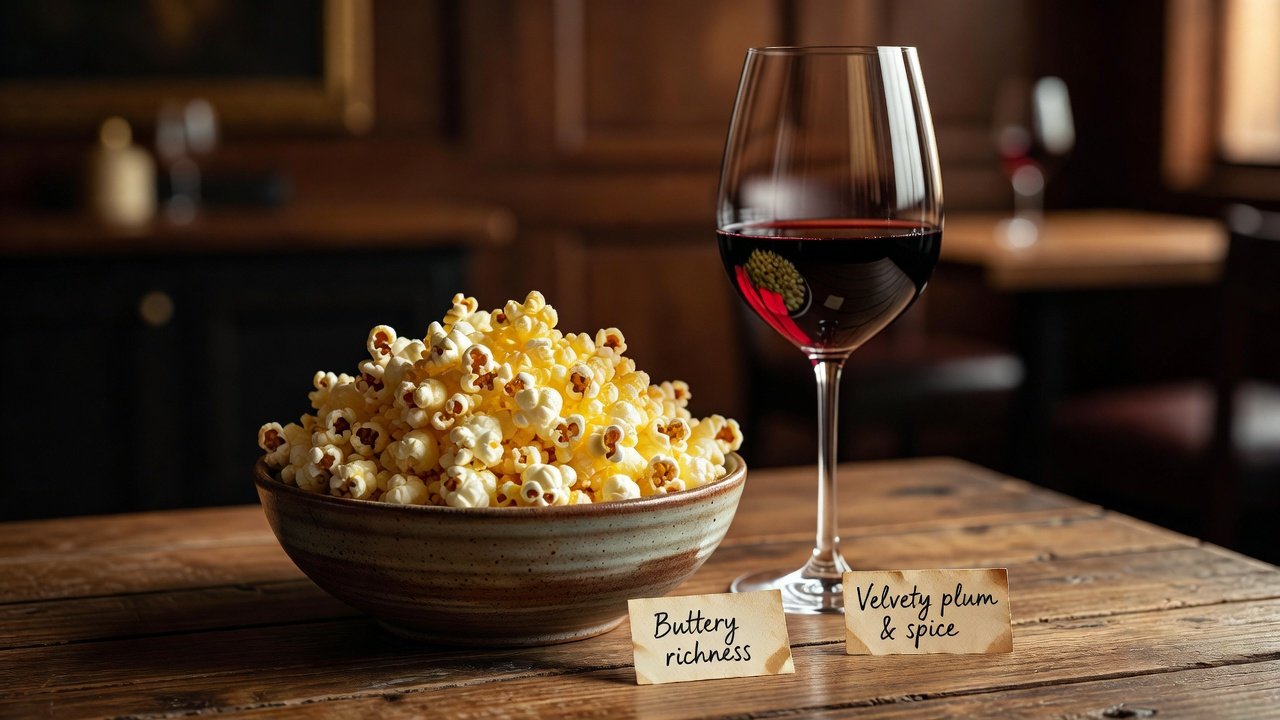
Buttery popcorn meets the dark fruit and herbal notes of Cabernet. Tasting notes include blackcurrant, cedar and subtle vanilla that contrast the snack's salt and fat. Acidity in the wine slices through butter while tannins grip the popcorn's crunch. In practice, a medium-bodied Cabernet from California works especially well because its balanced structure avoids overwhelming the light texture of popped kernels. Hosts report success when serving this during movie nights where the wine's depth adds an unexpected layer of sophistication to a childhood favorite snack.
2. Salted Potato Chips with Off-Dry Riesling
Crisp chips pair with Riesling's stone fruit and floral aromas. The wine's residual sugar tempers saltiness, creating a sweet-salty harmony. High acidity refreshes the palate between bites. This pairing shines with kettle-cooked varieties that carry extra crunch and seasoning. Real-world testing shows it performs reliably at backyard barbecues where the wine's lively character cuts through richer chip flavors without clashing with outdoor elements like sunlight or casual conversation.
3. Roasted Nuts with Pinot Noir
Earthy nuts align with Pinot Noir's cherry and mushroom undertones. Light tannins complement nut oils without overpowering delicate flavors. The wine's red fruit brightness lifts the roasted notes in almonds or cashews while its silky texture mirrors the smoothness of nut butters. For best results, choose a Pinot with moderate alcohol levels to maintain elegance during extended snacking sessions.
4. Pretzels with Gewürztraminer
Spiced pretzels find balance in Gewürztraminer's lychee and rose petal notes. The wine's slight sweetness counters salt while its acidity keeps the pairing lively. This combination excels with soft pretzels or harder varieties seasoned with mustard or everything bagel seasoning. Guests often remark on how the floral aromatics transform a simple stadium snack into something refined and memorable.
5. Trail Mix with Zinfandel
Sweet and savory trail mix elements meet Zinfandel's jammy berry and pepper profile. Bold tannins stand up to mixed textures and dried fruits. The wine's dark fruit notes echo raisins and cranberries while its spice component highlights any nutty or chocolate elements present. This pairing works particularly well for hiking-inspired indoor gatherings or afternoon work breaks where sustained energy and flavor interest are desired.
Why These Pairings Work: Acidity, Tannins and Flavor Science
Acidity acts as a palate cleanser, cutting fat and salt much like lemon juice on seafood. Tannins bind proteins in nuts and oils, reducing astringency. In each example, the wine's structure mirrors or opposes the snack's dominant traits for balance. For instance, Cabernet's firm tannins tame popcorn butter, while Riesling acidity counters chip salt. These principles stem from core enology concepts shared by experts at Decanter and Wine Folly. Additional factors include pH levels and residual sugar that influence how sweetness interacts with sodium. Understanding these interactions helps hosts predict success with new snack variations they encounter.
Red Wine Versus White Wine Options: Practical Comparisons
Red wines like Cabernet and Zinfandel bring structure and depth suited to richer snacks such as nuts or trail mix. Their tannins provide grip that prevents flavors from feeling flat. White wines including Riesling and Gewürztraminer offer bright acidity and subtle sweetness ideal for salty chips and pretzels, refreshing the mouth quickly. Sparkling options serve as versatile bridges between red and white approaches. Home hosts can experiment by starting with lighter whites before progressing to fuller reds based on snack intensity. Red wines also tend to improve with slight temperature variations during a gathering, while whites maintain consistency when kept chilled. Comparing the two styles side by side reveals how body and finish affect snack enjoyment over longer periods.
Step-by-Step Pairing Rationale and Real-World Examples
Follow this process for successful pairings: First, identify the snack's dominant taste (salt, fat, sweetness). Second, select a wine whose acidity or tannins address that element. Third, taste progressively, adjusting portions. Real-world examples include movie nights where popcorn and Cabernet create an elevated yet relaxed atmosphere, or game-day gatherings pairing chips with Riesling for crowd appeal. Additional scenarios involve office break rooms where trail mix and Zinfandel foster conversation, or family movie marathons using pretzels and Gewürztraminer to keep everyone engaged. These methods align with 2026 preferences for approachable, non-intimidating wine experiences that require minimal preparation.
Practical Tips for Home Hosts in 2026
- Chill whites and sparkling wines to 45-50°F for optimal refreshment.
- Allow reds to breathe 15-30 minutes to soften tannins.
- Offer small tasting portions to encourage experimentation.
- Pair with neutral glassware to focus on flavors rather than presentation.
- Keep backup bottles of both red and white styles ready for guest preferences.
- Prepare snack stations in advance so wine service flows smoothly without interruption.
- Use simple cheese boards as transitional elements between different pairings.
- Document successful combinations in a notebook for future reference and refinement.
These steps ensure smooth hosting without specialized equipment or professional training.
Common Mistakes to Avoid
Many hosts make the error of serving overly oaked wines that mask snack subtleties. Another frequent issue involves mismatched temperatures that dull acidity or amplify tannins undesirably. Avoiding these pitfalls requires attention to serving conditions and wine selection rather than defaulting to familiar bottles. Testing small samples beforehand prevents larger disappointments during actual events.
Frequently Asked Questions on Common Mistakes
What is the biggest pairing mistake?
Overlooking acidity levels often leads to flat or clashing experiences. Always match or contrast the snack's salt content with wine brightness.
Can I use the same wine for multiple snacks?
Versatile bottles like off-dry Riesling work across salty items, but dedicated pairings yield better results for complex mixes.
Are there any snacks to avoid with wine?
Extremely spicy or heavily processed snacks can mask wine nuances; opt for minimally seasoned varieties instead.
How much wine should be poured per snack tasting?
Two-ounce pours allow multiple comparisons without overwhelming the palate during a single session.
Does vintage year matter for casual pairings?
Recent vintages generally perform reliably for these everyday combinations since complexity is not the primary goal.
Conclusion
Unexpected wine pairings transform everyday snacks into memorable moments. By focusing on acidity, tannins and thoughtful contrasts, hosts create engaging experiences aligned with 2026 casual trends. Experiment freely and refine based on personal taste for the most rewarding results. Continued exploration will reveal even more innovative combinations as new wine releases enter the market throughout the year.
No comments yet. Be the first!