 Uncorked Conversations

Introduction to Nordic Wine Pairings
Nordic cuisine stands out for its emphasis on fresh, seasonal ingredients combined with preservation techniques such as pickling, smoking, and fermenting. These methods create dishes rich in bold, sometimes contrasting flavors that challenge traditional wine pairing rules. In 2026, expert sommeliers are refining their approaches to match the bright acidity needed for pickled items like herring, the subtle tannins that complement smoked proteins, and the refreshing structure required for creamy sauces in classics such as Swedish meatballs. This focus allows diners to experience Scandinavian cooking in a more elevated way, moving beyond mainstream pairings into thoughtful matches with rye-based breads, foraged berries, and game meats. The goal is always balance: wines that cleanse the palate without overwhelming delicate herbs like dill or caraway.
Understanding Acidity and Tannins in Scandinavian Cooking
Acidity serves as the backbone for many Nordic pairings because pickled and fermented elements introduce sharp vinegar notes that can flatten low-acid wines. A wine with lively acidity cuts through salt and fat, leaving the mouth refreshed and ready for the next bite. Tannins play a supporting role with smoked or roasted dishes, providing grip that mirrors the earthy, slightly bitter edges of smoked salmon or reindeer. Creamy components, such as the gravy in meatballs or sour cream accompaniments, benefit from wines with moderate body and integrated tannins so they do not feel heavy or cloying. Sommeliers in 2026 pay close attention to these interactions, often recommending wines from cooler climates that naturally develop higher acidity. Understanding these fundamentals helps both professionals and home cooks create pairings that highlight rather than mask the unique textures of Nordic fare.
8-10 Specific Food-Wine Pairing Examples with Detailed Reasoning
Here are ten carefully considered pairings that demonstrate how acidity and tannins interact with Nordic flavors. Each includes the reasoning behind the match for practical application.
- Gravlax with dry Riesling from Germany: The wine’s piercing acidity balances the salt-cured salmon while its subtle fruit notes echo the dill and mustard sauce.
- Swedish meatballs in cream gravy with Pinot Noir from Burgundy: Light tannins and red-fruit acidity refresh the palate after rich pork and beef, preventing the dish from feeling too heavy.
- Smoked mackerel on rye with Sancerre Sauvignon Blanc: Citrus and mineral notes cut through smoke and pair beautifully with the dense, nutty bread.
- Pickled herring with Grüner Veltliner from Austria: White pepper and high acidity enhance the vinegar tang without clashing with onions or sour cream.
- Open-faced rye sandwich with aged cheese and oaked Chardonnay from Chablis: The wine’s structure matches the bread’s chew and the cheese’s nuttiness.
- Reindeer stew with Syrah from the Northern Rhône: Bold yet refined tannins stand up to gamey meat and lingonberry acidity.
- Cloudberry tart with late-harvest Riesling from Alsace: Residual sweetness mirrors the tart-sweet berries while acidity prevents cloying.
- Smoked salmon with Champagne or traditional-method sparkling wine: Fine bubbles cleanse cream cheese and capers from the palate.
- Beetroot and goat cheese salad with Provence rosé: Crisp acidity highlights earthy beets and creamy cheese.
- Cured lamb with herbs and Cabernet Franc from the Loire: Herbal notes in the wine align with Nordic seasoning while tannins balance the rich meat.
These examples prioritize harmony between food intensity and wine structure, giving sommeliers and enthusiasts reliable starting points.
Seasonal 2026 Ingredient Swaps and Updated Pairings
Climate variations in 2026 have influenced Nordic produce, prompting creative swaps. Spring brings early asparagus and morels that pair well with crisp Albariño or Vermentino, whose saline qualities complement the vegetables. Summer wild strawberries and blueberries shine alongside dry rosés from Provence, whose red-fruit notes echo the berries without sweetness. Autumn chanterelles and root vegetables suit earthy Pinot Noir or Gamay, while winter preserved items like pickled beets or smoked fish call for fortified wines or oxidative styles such as fino sherry. These seasonal adjustments keep pairings fresh and aligned with what local producers offer each quarter.
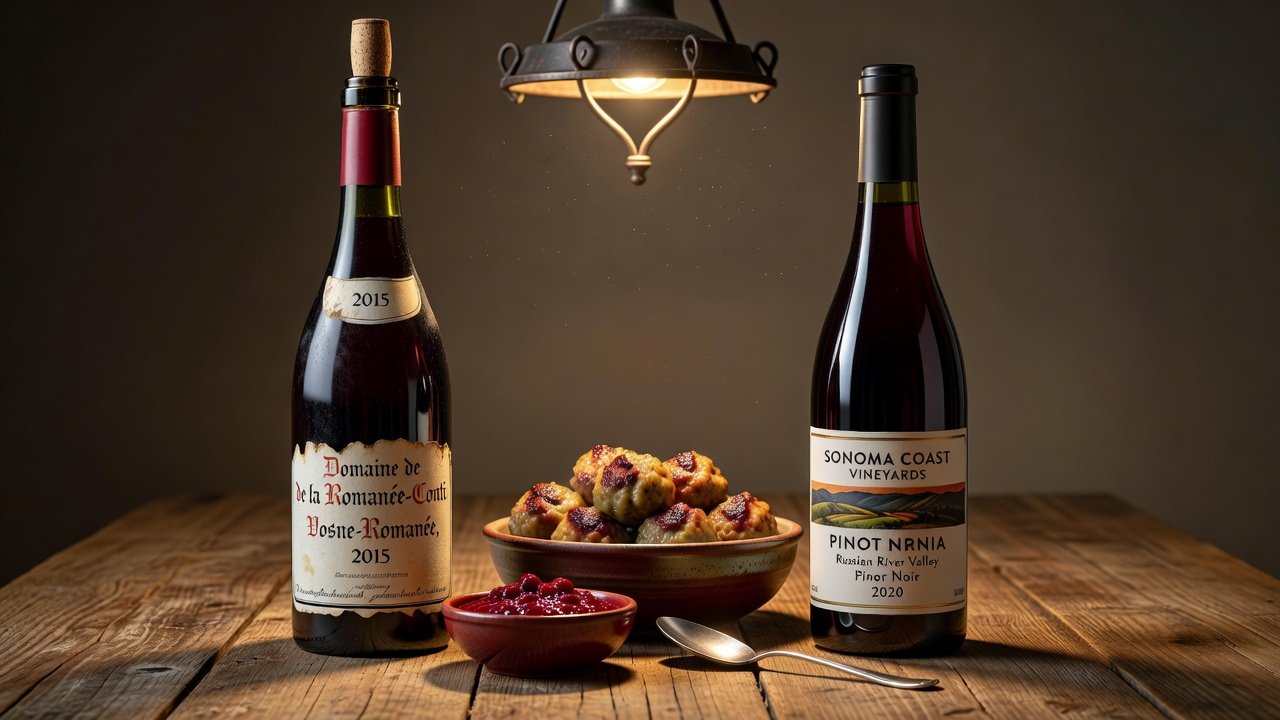
Old World versus New World Wines: A Practical Comparison
Old World wines from regions like Burgundy or the Loire Valley emphasize terroir-driven subtlety and higher acidity, making them ideal for delicate gravlax or pickled herring where elegance is key. New World examples from cooler parts of California or Oregon deliver riper fruit and softer tannins that suit bolder meatballs or reindeer stew. In 2026, many sommeliers blend both traditions on Nordic menus, using Old World bottles for refinement and New World selections for approachability. This flexibility allows restaurants to accommodate varying guest preferences while respecting the cuisine’s bright, clean profile. For deeper reading on regional differences, explore resources at Decanter and Wine Spectator.
Building Wine and Food Intuition: A Beginner’s Guide
Developing pairing intuition begins with simple experiments. Start by tasting a high-acid white like Riesling next to plain rye bread and pickled cucumber. Note how the wine’s brightness lifts the salt. Next, introduce cream elements such as a spoonful of crème fraîche and observe how the same wine refreshes the palate. Progress to full dishes by pouring small amounts and adjusting based on dominant flavors. Keep a tasting journal to track what works, focusing on acidity levels rather than grape names alone. Over several weeks this practice builds confidence. Beginners can also consult foundational materials from The Institute of Masters of Wine to understand core principles before applying them to Nordic ingredients.
FAQ: Common Pairing Mistakes to Avoid
- Overlooking acidity levels: Low-acid wines taste flat against pickled herring or gravlax; always prioritize crisp styles.
- Choosing heavy tannins with creamy sauces: Big tannins clash with meatball gravy; opt for lighter reds or whites with texture.
- Ignoring serving temperature: Whites should be served chilled and reds slightly cool to maintain vibrancy with smoked dishes.
- Using overly sweet wines on savory courses: Sweetness overpowers smoke and herbs unless the dish is a dessert.
- Neglecting rye bread’s density: Pair dense rye with wines of sufficient body so the bread does not dominate.
- Forgetting seasonal adjustments: Using the same wine year-round ignores how ingredient swaps change flavor intensity.
Conclusion
Mastering sommelier pairings for Nordic cuisine in 2026 opens the door to vibrant, memorable meals. By focusing on acidity, tannins, seasonal ingredients, and thoughtful comparisons between Old and New World wines, both professionals and home enthusiasts can create balanced experiences that celebrate Scandinavia’s distinctive culinary traditions.

No comments yet. Be the first!