 Uncorked Conversations
Introduction to Sommelier Wine Pairings for Middle Eastern Cuisine
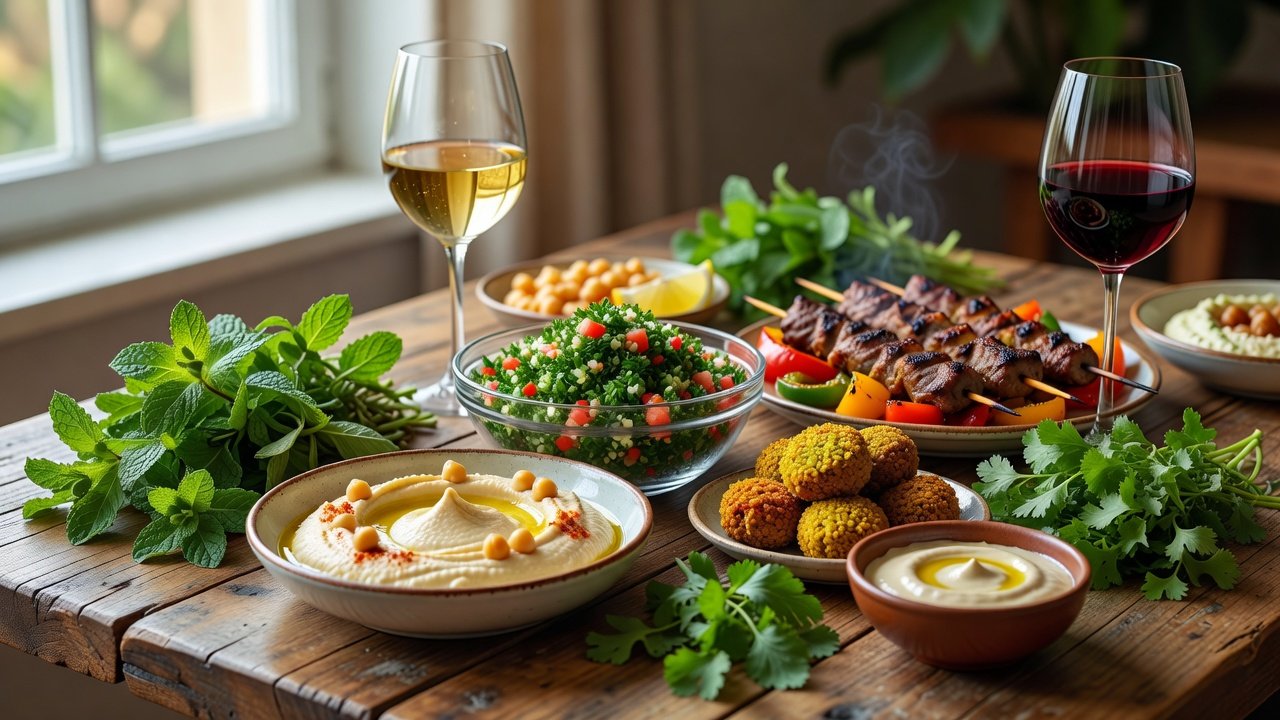
Middle Eastern mezze, kebabs, and falafel present exciting challenges and opportunities for wine pairing in 2026. The vibrant mix of fresh herbs, warming spices, smoky grilled meats, creamy dips, and crispy textures demands wines that deliver bright acidity to refresh the palate and cut through richness, while managing bold flavors without overpowering delicate elements. Sommeliers worldwide have long championed varietals like Grenache and Assyrtiko because their profiles echo the sun-drenched origins of the cuisine itself. These grapes provide the structural backbone needed to balance cumin-heavy lamb, lemony tabbouleh, and tahini-rich falafel. This comprehensive guide expands on proven pairings with in-depth reasoning, practical serving advice, and real-world examples drawn from professional tasting sessions. Whether you are planning an intimate dinner or scaling up for a larger gathering, these recommendations offer actionable steps to create harmonious matches that elevate every bite.
Understanding the interplay between food and wine starts with recognizing how acidity slices through fat and how tannins tame spice intensity. In recent years, home cooks have increasingly sought expert-driven resources to replicate restaurant-quality experiences, making this topic highly relevant for search intent around food wine pairing and sommelier pairings.
Understanding Key Flavor Profiles in Mezze and Kebabs
Mezze platters typically feature an array of small dishes including silky hummus, smoky baba ganoush, vibrant tabbouleh with parsley and mint, and briny stuffed grape leaves. These components introduce earthy undertones, bright citrus notes, and herbaceous freshness that interact differently with wine. Grilled kebabs bring charred smokiness, juicy proteins seasoned with garlic, cumin, coriander, and paprika, while falafel delivers a satisfying crunch paired with creamy tahini sauce. The bold spices require wines with ample acidity to reset the palate between bites. Tannins from red wines help soften any fatty elements from olive oil or lamb, preventing the meal from feeling heavy. Regional recommendations naturally lean toward Mediterranean grapes whose own herbal and mineral qualities mirror the cuisine. Expanding on this foundation allows for more nuanced selections that consider not just flavor but also texture contrast and temperature service.
The Role of Acidity and Tannins in Balancing Bold Spices
Acidity acts as the primary tool for cutting through creamy textures and refreshing the mouth after spicy bites. High-acid whites like Assyrtiko provide a zesty lift that counters olive oil richness without clashing with herbal notes. Tannins, found in reds such as Grenache, bind with proteins and fats to create a smoother mouthfeel. When spices like harissa or za'atar dominate, moderate tannins prevent the wine from tasting overly astringent. Sommeliers test these balances through iterative tastings, adjusting for variables like dish temperature and seasoning intensity. This scientific yet intuitive approach ensures pairings remain dynamic rather than static.
8 Expert Pairing Examples with Step-by-Step Reasoning
Here are eight targeted pairings, each explained with detailed reasoning for balance, texture, and regional synergy:
- Hummus with Tahini and Pita + Assyrtiko: The wine's crisp acidity cuts the creamy dip while its citrus and mineral notes complement lemon and garlic. Step 1: Identify the dish's earthiness and fat content. Step 2: Select a high-acid white from volcanic soils. Step 3: Serve chilled at 8-10°C in a white wine glass to concentrate aromatics.
- Baba Ganoush + Grenache Blanc: Smoky eggplant meets the wine's subtle oak and stone fruit, balancing herbs without masking them. Reasoning centers on matching smoke with gentle oxidative notes.
- Lamb Kofta Kebabs + Grenache: Juicy tannins in Grenache mirror the spiced meat's richness. Step-by-step: match intensity levels, consider regional synergy from southern France or Spain, and serve at 16°C.
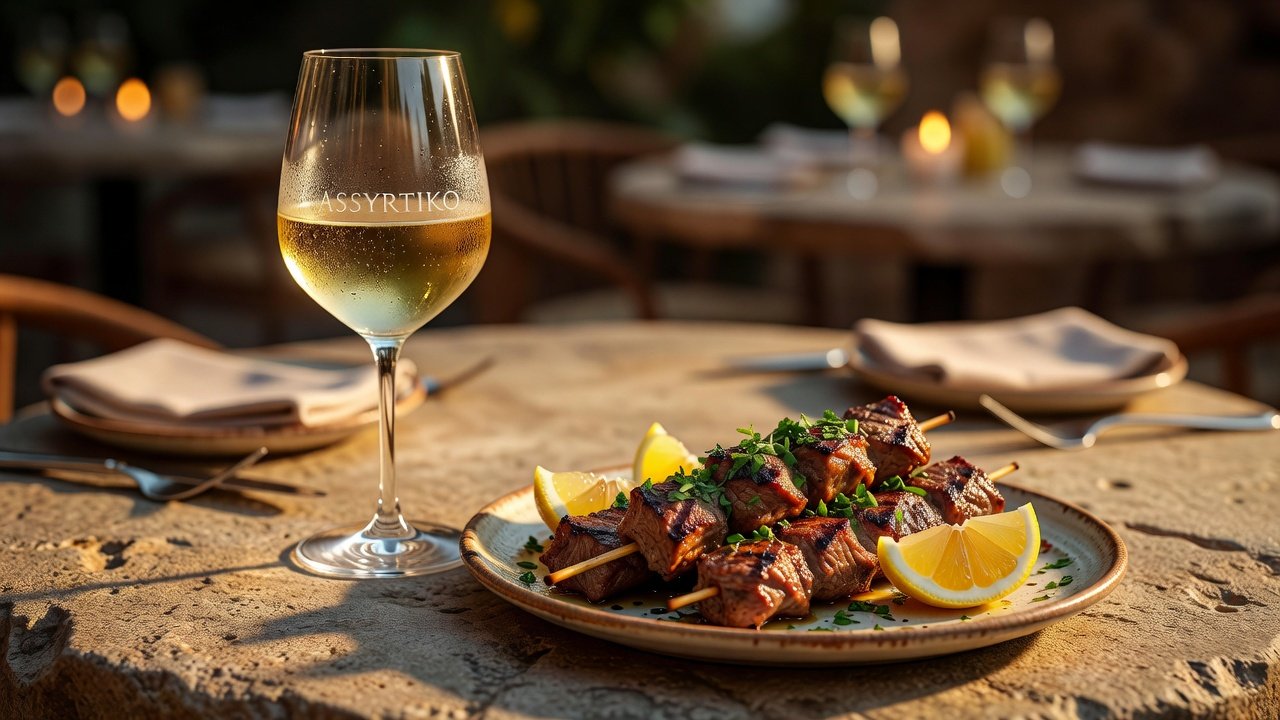
- Chicken Shawarma Kebabs + Assyrtiko: Herbal chicken pairs with the wine's mineral edge and thyme-like aromatics for a refreshing finish.
- Falafel with Tahini Sauce + Vermentino: Crisp texture matches the wine's salinity and herbal lift, creating contrast that keeps the palate engaged.
- Grilled Halloumi + Rosé from Provence: Salty cheese finds harmony in the wine's berry notes and bright acidity, ideal for outdoor dining.
- Stuffed Grape Leaves + Xinomavro: Tannic structure stands up to briny filling while acidity refreshes after each bite.
- Spiced Beef Kebabs + GSM Blend: Grenache-Syrah-Mourvèdre offers layered spice notes that echo cumin and paprika while providing enough body for grilled char.
Regional Wine Recommendations and Sourcing Tips
Look to Greece for Assyrtiko from Santorini, prized for its volcanic minerality that stands up to strong flavors. Southern Rhône and Priorat produce excellent Grenache expressions capable of handling spice. Explore Israeli and Lebanese producers for contextual pairings that honor local traditions and offer authentic synergy. For broader educational guidance on grape varieties and pairing principles, consult resources like Decanter, Wine Magazine, and Masters of Wine. When sourcing, prioritize producers who emphasize sustainable farming to align with modern consumer values.
Quick-Reference Pairing Chart
| Dish | Recommended Wine | Key Balance Element | Serving Temperature |
|---|---|---|---|
| Mezze Platter | Assyrtiko | Acidity vs Creaminess | 8-10°C |
| Lamb Kebabs | Grenache | Tannin vs Spice | 15-17°C |
| Falafel | Vermentino | Crispness vs Texture | 9-11°C |
| Chicken Shawarma | Assyrtiko | Herbal Lift vs Protein | 8-10°C |
Common Pitfalls to Avoid
- Choosing overly oaky wines that mask delicate herbs and fresh citrus.
- Pairing high-tannin reds with light vegetarian mezze, resulting in unpleasant astringency.
- Ignoring service temperature—whites must stay chilled and reds served slightly cool to maintain vibrancy.
- Using sweet wines with savory spices, which creates clashing sweet-savory conflicts.
- Overlooking glassware shape, which affects aroma delivery and perceived acidity.
Scaling Pairings for Home Dinners: FAQ
How do I adjust quantities for a group of six?
Plan one 750ml bottle per two to three guests, offering both a white and red option to cover varied dishes. Prepare a backup bottle in case preferences shift during the meal.
What if guests have dietary restrictions?
Offer non-alcoholic alternatives like sparkling grape juice or verjus-based mocktails that mimic the acidity profiles of the recommended wines.
Can I prepare pairings in advance?
Yes, chill whites the day before and decant reds thirty minutes prior for optimal aroma release. Label each bottle clearly to streamline service.
How should I handle varying spice levels across dishes?
Start with milder options paired to higher-acid wines and progress to bolder pairings, allowing the palate to adapt gradually.
Conclusion
These sommelier strategies elevate Middle Eastern meals through thoughtful wine selections that respect both tradition and modern tastes. Experiment with the listed varietals to discover personal favorites while avoiding common mismatches. The result is memorable dining experiences centered on balance, texture contrast, and pure enjoyment for every guest at the table.
No comments yet. Be the first!