 Uncorked Conversations
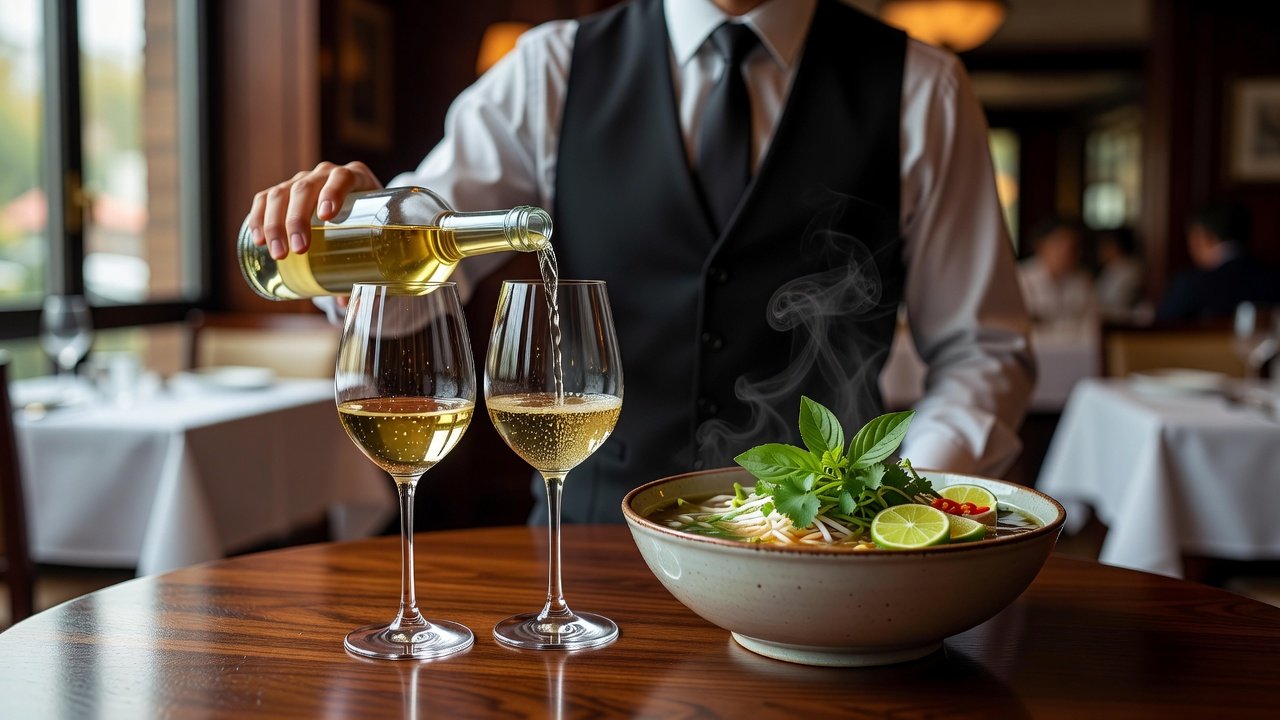
Introduction to Wine Pairings with Vietnamese Cuisine
Vietnamese cuisine stands out for its vibrant balance of fresh herbs, bright acidity from lime and vinegar, subtle heat from chilies, and deep umami from broths and fermented elements. Pairing wine successfully with iconic dishes such as pho, banh mi, fresh spring rolls, and grilled lemongrass chicken demands wines that enhance rather than compete. In 2026, sommeliers emphasize crisp whites, light reds, and sparkling options to navigate these flavors. Traditional approaches often relied on local rice wines or lagers suited to the tropical climate, yet contemporary methods incorporate international varietals that create elegant flavor bridges. This comprehensive guide delves into specific recommendations, detailed examples, practical techniques for home cooks, and strategies for avoiding common pitfalls, ensuring readers can replicate professional-level pairings with confidence.
The goal remains harmony: acidity to cut through richness, herbal or mineral notes to echo lemongrass and mint, and controlled sweetness or effervescence to temper spice. By understanding these dynamics, enthusiasts can elevate everyday meals into memorable dining experiences.
Understanding Core Flavor Profiles in Vietnamese Dishes
Each Vietnamese classic presents a unique flavor architecture. Pho delivers a fragrant broth infused with star anise, cinnamon, and cloves, balanced by rare beef slices and a mountain of fresh herbs like basil and cilantro. Banh mi combines crusty baguette with savory pâté, pickled daikon and carrots, jalapeños, and sometimes mayonnaise for creaminess. Fresh spring rolls wrap shrimp, vermicelli, lettuce, and mint in translucent rice paper, served with peanut or nuoc cham dipping sauce. Grilled lemongrass chicken features marinated thighs or skewers with smoky char, garlic, and fish sauce undertones. These profiles require wines with vibrant acidity to refresh the palate and prevent any single element from dominating.
Subtle regional variations also matter. Northern Vietnamese dishes tend toward lighter, more delicate seasoning, while southern preparations amplify sweetness and heat. Recognizing these nuances allows for more precise wine selections across different restaurant styles or home recipes.
Key Principles for Successful Pairings
- Select high-acidity whites such as Sauvignon Blanc or Riesling to mirror citrus and vinegar components without overwhelming delicate proteins.
- Choose wines displaying herbal, grassy, or mineral characteristics that resonate with lemongrass, mint, and basil.
- Opt for low-tannin reds or sparkling wines to manage chili heat, as high tannins can intensify perceived spiciness.
- Balance any residual sugar in the wine against the natural sweetness found in marinades and dipping sauces.
- Consider serving temperature carefully, as chilled wines maintain freshness while slightly warmer light reds reveal nuanced fruit.
Recommended Varietals and Specific Pairings
Crisp whites form the backbone of most Vietnamese pairings. Sauvignon Blanc from cooler climates delivers zesty grapefruit and green herb notes that complement fresh spring rolls beautifully. Riesling, especially those with a touch of residual sugar, provides the perfect counterpoint to the heat and pickled vegetables in banh mi. For pho, an Alsatian-style Riesling or Grüner Veltliner offers aromatic lift that highlights the broth's spice without clashing.
Light reds such as Pinot Noir and Gamay bring red berry fruit and earthy undertones ideal for grilled proteins. These varietals avoid heavy oak or aggressive tannins, allowing the lemongrass and garlic in chicken dishes to shine. Sparkling wines add playful effervescence; Prosecco offers approachable peach and floral tones, while traditional method sparkling wines deliver finer bubbles that cleanse the palate after rich pho broth.
Flavor Bridge Examples
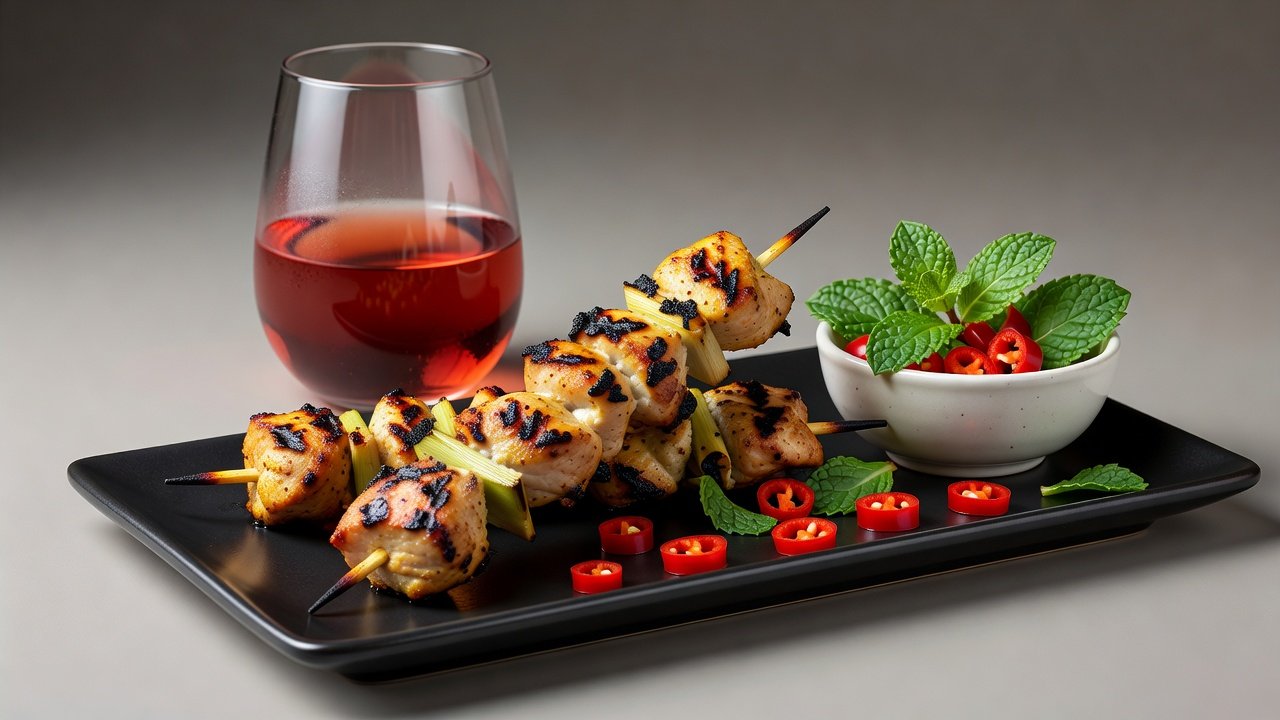
Consider pho paired with a dry Riesling: the wine's petrol and citrus notes bridge the star anise aromatics while its acidity slices through the beef fat. Banh mi finds an excellent match in sparkling rosé, where the bubbles and berry acidity tame pickled tang and chili burn. Fresh spring rolls pair effortlessly with Sauvignon Blanc, whose lime zest echoes the dipping sauce. Grilled lemongrass chicken harmonizes with a light Pinot Noir whose subtle earthiness enhances the smoky char and herbal marinade.
Additional bridges include pairing a mineral-driven Grüner Veltliner with vegetarian pho variations or selecting a sparkling Chenin Blanc for summer rolls featuring mango or other sweet elements. These connections create layered tasting experiences that highlight both food and wine.
Traditional vs Modern Pairing Approaches
Historically, Vietnamese meals paired with local rice wine or crisp lagers to match the cuisine's lightness and refreshment needs in a hot climate. Modern sommeliers expand possibilities by exploring global producers, incorporating skin-contact whites for texture or low-intervention wines for added complexity. This evolution allows greater adaptability, especially when experimenting with fusion dishes or international ingredients. Resources such as Decanter provide ongoing insights into evolving pairing trends that blend tradition with innovation.
Practical Home Pairing Tips
Begin by assessing dish intensity and matching it with wine body. Chill whites and sparkling wines to 8–10°C for maximum refreshment. Light reds benefit from a brief chill around 14°C to emphasize fruit. Prepare a simple tasting flight of two or three wines alongside one dish to compare interactions directly. Keep notes on successful matches, noting how acidity levels or specific aromas performed. When cooking at home, taste the wine against individual components such as the broth, herbs, or sauce before combining the full plate.
For larger gatherings, offer guests a choice between a white and a sparkling option to accommodate varying spice tolerances. Experimenting with different glass shapes can also subtly influence perception of acidity and aroma.
Common Mistakes to Avoid
- Choosing heavily oaked or high-tannin wines that mask delicate herbal notes and create a bitter aftertaste.
- Ignoring chili heat levels, which can make high-alcohol wines taste hotter and less enjoyable.
- Serving wines at incorrect temperatures, thereby muting acidity and freshness essential for cutting richness.
- Pairing overly sweet wines with already sweet components without sufficient acid backbone to maintain balance.
- Overlooking dietary modifications, such as vegetarian broths that may require more mineral-driven selections.
Adapting for Dietary Tweaks and Seasonal Ingredients
Vegetarian adaptations benefit from the same acidic whites but often pair even better with mineral-focused options like Chablis or dry Vinho Verde. In summer months, prioritize lighter sparkling styles to combat heat; cooler seasons welcome slightly fuller-bodied Rieslings that stand up to heartier broths. Seasonal produce such as ripe tomatoes or mangoes can shift pairings toward wines with brighter fruit profiles. Always taste iteratively to adjust for personal preference and specific recipe variations.
Further guidance on global wine styles appears on sites like Wine.com, which highlights varietals suitable for diverse cuisines.
Conclusion
Mastering sommelier strategies for Vietnamese wine pairings transforms meals into sophisticated experiences. By prioritizing acidity, herbal synergy, and thoughtful heat management while applying practical home techniques, both novices and experienced hosts can create balanced, memorable combinations that celebrate the cuisine's vibrant heritage.
No comments yet. Be the first!