 Uncorked Conversations
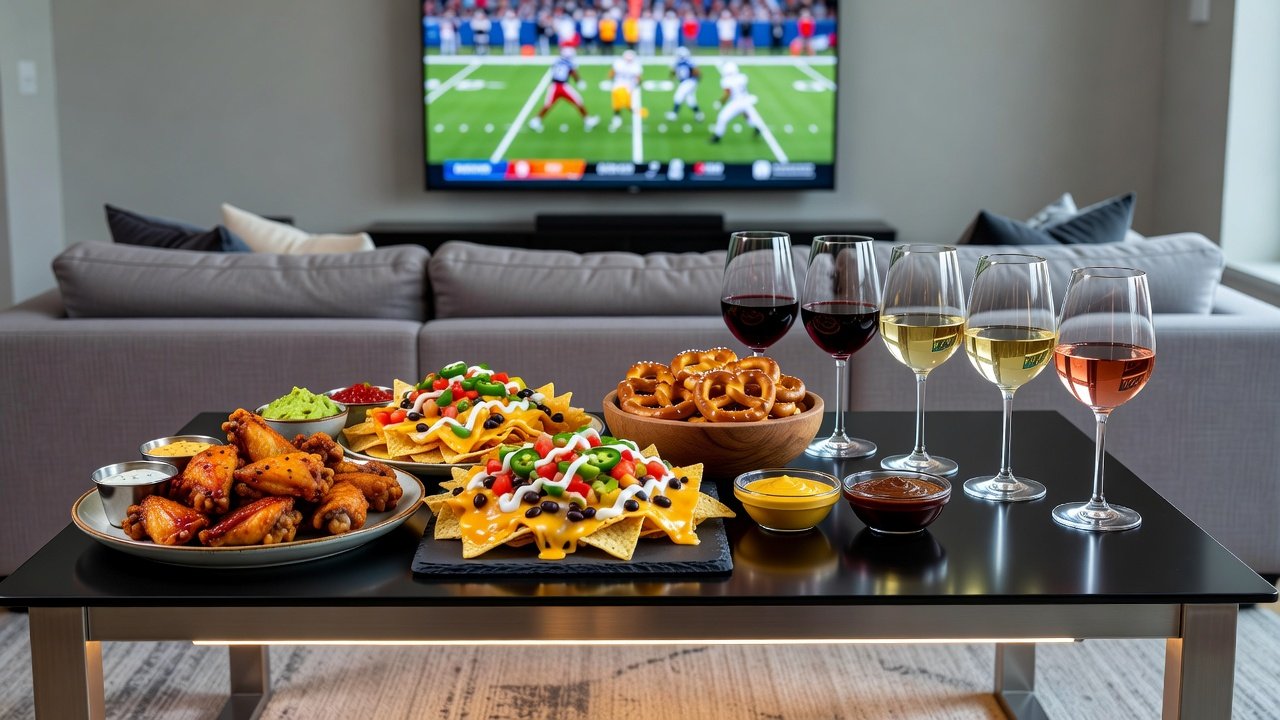
Why Unexpected Wine Pairings Elevate Game Day
Game day spreads often focus on bold, salty, and spicy snacks, but pairing them with wine opens up surprising flavor contrasts that refresh the palate. Instead of defaulting to beer, consider how acidity cuts through richness and tannins tame spice for a more dynamic viewing experience. This approach aligns with rising interest in sommelier pairings that blend casual fun with sophisticated balance. Fans are discovering that the right wine can transform a simple plate of nachos or wings into something far more memorable, especially during long matches where palate fatigue sets in quickly.
Flavor contrasts shine when wines counter the intensity of common snacks. High-acidity whites slice through fatty foods, while structured reds handle heat and salt. These pairings transform standard wings or nachos into memorable bites. In 2026, viewers are moving beyond traditional beverage choices and seeking wines that actively complement rather than compete with the flavors on their plates.
Understanding Acidity and Tannin Balance
Acidity acts as a cleanser, cutting fat and refreshing the mouth after each bite. Tannins from red wines bind with proteins in dips or cheese, reducing perceived bitterness. For game day, aim for wines with bright acidity around 5-7 grams per liter to match heavy snacks without overwhelming them. This balance prevents the wine from tasting flat against salty pretzels or creamy dips.
Balance is key: a low-tannin red pairs better with spicy items to avoid amplifying heat, while crisp whites complement creamy elements. Sommelier techniques emphasize matching intensity levels—bold snacks need equally expressive wines. When acidity is too low, the wine can feel heavy and cloying next to rich foods; conversely, excessive tannins can make spicy snacks taste harsher. Understanding these interactions helps hosts select bottles that enhance every bite.
Step-by-Step Pairing Techniques
- Identify the dominant flavor in your snack, such as spice in wings or creaminess in dips.
- Select a wine varietal with opposing traits, like high acidity against fat.
- Taste the snack first, then the wine, noting how each changes the other.
- Adjust portions: serve smaller wine pours to encourage experimentation.
- Consider temperature—serve whites chilled at 45-50°F and reds at 55-60°F for optimal balance.
- Repeat the process with small bites to refine the match before serving larger portions to guests.
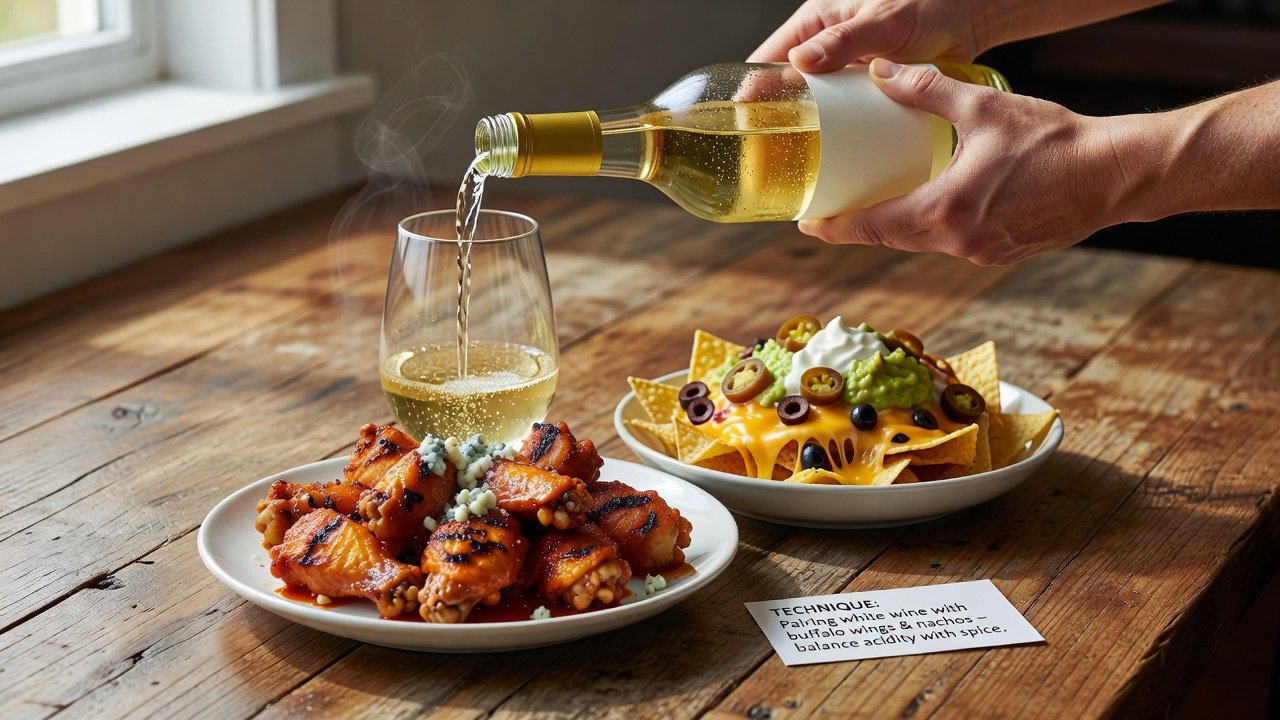
These steps create repeatable success for any spread. For instance, when testing buffalo wings, start with a sip of off-dry Riesling to see how the residual sugar softens the heat while acidity clears the palate for the next bite.
Specific Wine Recommendations by Varietal
For chicken wings with buffalo sauce, try a Riesling with residual sugar to tame heat while acidity refreshes. A dry Sauvignon Blanc offers herbal notes that echo celery sticks often served alongside. Consider a 2025 vintage from cooler climates for brighter acidity that stands up to multiple rounds of snacking.
Nachos loaded with cheese and jalapeños pair beautifully with a sparkling Cava; the bubbles cut through melted cheese and the acidity balances spice. An unexpected choice is a light Pinot Noir for its red fruit notes that contrast the savory toppings. For loaded nachos with multiple layers, the wine should have enough body to handle the combination of proteins and sauces without fading.
Pretzels and beer cheese dip shine with an off-dry Gewürztraminer, whose lychee and spice notes complement the salty crunch. For hummus or ranch dips, a crisp Grüner Veltliner brings white pepper and citrus to lift the earthy flavors. Additional options include Chenin Blanc for its versatility with both sweet and savory elements in snack mixes.
Red Versus White Options Compared
Red wines provide structure and earthiness ideal for meaty snacks like wings, with varieties such as Gamay offering low tannins that avoid clashing with spice. Whites excel with creamy or fried items, delivering zesty acidity that prevents palate fatigue during long games. Reds can add depth to umami-rich dips, while whites maintain brightness that encourages continued sipping.
Key differences: reds add weight and can enhance umami in dips, while whites keep things bright and sessionable. Experiment with both for variety—start with whites for lighter snacks and move to reds as the game intensifies. A side-by-side tasting reveals how a structured red might soften the burn of spicy wings compared to a white that simply refreshes.
2026 Casual Hosting Trends
Hosting in 2026 emphasizes interactive stations where guests mix their own pairings, reflecting a shift toward personalized experiences. Sustainable packaging and low-alcohol options gain traction, allowing longer viewing without heaviness. Wine flights in small glasses encourage trying multiple unexpected matches, boosting engagement beyond traditional setups. Many hosts now incorporate digital labels or simple QR codes linking to pairing notes, making it easy for guests to explore further on their own devices.
How to Host a Successful Pairing Station
Set up a dedicated table with pre-portioned snacks, chilled wines in ice buckets, and tasting cards that list suggested matches. Provide water and plain crackers for palate resets between flights. Encourage guests to note their favorite combinations on a shared board, turning the event into a collaborative tasting. This setup works especially well for groups of eight or more, keeping the focus on enjoyment rather than complicated service.
Common Mistakes to Avoid
- Choosing overly tannic reds that amplify spice instead of balancing it.
- Serving wines at the wrong temperature, which dulls flavors and reduces contrast.
- Overlooking portion control, leading to heavy pours that overwhelm lighter snacks.
- Ignoring guest preferences by offering only one style of wine.
Quick Reference Chart
| Snack | Recommended Varietal | Why It Works |
|---|---|---|
| Buffalo Wings | Riesling or Sauvignon Blanc | Acidity cuts spice and fat |
| Nachos | Cava or Pinot Noir | Bubbles or light tannins balance cheese |
| Pretzels & Dip | Gewürztraminer | Spice notes complement salt |
| Cheese Dips | Grüner Veltliner | Citrus lifts creamy textures |
Frequently Asked Questions
How do I scale pairings for a large group?
Prepare two to three core wines and pre-portion snacks into individual servings. Use carafes for easy self-service and label stations with pairing suggestions to guide guests. Calculate roughly one bottle per four people for a three-hour game, adjusting based on consumption pace.
Can I mix red and white recommendations?
Absolutely—offering both creates options for different tastes and snack types throughout the event. Start with lighter whites and progress to fuller reds as flavors intensify.
What if guests prefer sweeter wines?
Lean into off-dry styles like Riesling; the slight sweetness counters spice effectively without clashing. These styles also appeal to a broader range of palates at casual gatherings.
Should I chill all wines the same way?
No—whites benefit from colder serving temperatures while reds perform best slightly warmer to express aroma and texture fully.
How can I incorporate non-alcoholic options?
Offer sparkling grape juices or dealcoholized wines that mimic the acidity and bubbles of traditional pairings, ensuring everyone can participate.
These pairings turn ordinary game day fare into an elevated experience worth repeating. Explore selections from trusted sources such as Decanter and Wine Institute to discover new varietals and keep your selections fresh and exciting for every season.
No comments yet. Be the first!