 Uncorked Conversations
Mastering Sommelier Wine Pairings for Italian Classics in 2026
Italian cuisine shines through its regional diversity, and pairing it with the right wines elevates every meal. In 2026, sommeliers continue to emphasize acidity and tannin balance when matching varietals such as Chianti, Pinot Grigio, and Barolo to iconic dishes including pasta, risotto, and osso buco. This guide delivers step-by-step methods, real-world regional examples, red versus white comparisons, and actionable advice for home enthusiasts seeking refined food wine pairing results. Whether hosting a multi-course dinner or refining weeknight meals, understanding these principles transforms ordinary plates into memorable experiences drawn from centuries of Italian tradition.
Core Principles of Acidity and Tannin Balance
Successful wine pairings hinge on matching or contrasting a dish's weight, acidity, and richness. High-acidity whites cut through creamy or tomato-based sauces, while structured reds with firm tannins stand up to braised meats. For Italian classics, focus on how each element interacts: acidity refreshes the palate after rich pasta sauces, and tannins soften when paired with fatty proteins. The interplay becomes especially important in 2026 as climate-influenced vintages produce wines with heightened vibrancy. Consider the five basic taste components—sweet, sour, salty, bitter, and umami—and how wine modulates them. For example, the bright acidity in many Italian whites counters saltiness in cured meats or seafood pastas, preventing the dish from tasting overly briny.
Step-by-Step Matching Method
- Identify the dominant flavor profile and sauce type in the dish, noting any herbs, spices, or cooking techniques like braising or frying.
- Assess the wine's acidity level and tannin structure by tasting or reviewing producer notes, focusing on how these elements will interact with food textures.
- Match weight: light dishes with lighter wines, hearty preparations with bolder selections to avoid one overpowering the other.
- Test for contrast or complement, such as using bright acidity against creamy risotto or earthy tannins beside slow-cooked meats.
- Consider regional synergy, drawing from the same Italian area as the cuisine, while remaining open to creative cross-regional matches that still respect structural harmony.
- Adjust serving temperature and glassware to optimize aromatic delivery and mouthfeel during the meal.
Following this method ensures consistent success across different courses and guest preferences.
Pairings for Classic Pasta Dishes
Pasta dishes range from simple aglio e olio to robust Bolognese. Northern Italian tagliatelle al ragù pairs beautifully with Chianti Classico from Tuscany, whose bright cherry notes and moderate tannins cut through the meat sauce. Southern spaghetti alla puttanesca benefits from crisp Pinot Grigio from Friuli, whose citrus acidity balances the briny olives and capers. Carbonara, with its egg and pecorino richness, shines alongside a young Chianti whose lively acidity slices through the fat. For seafood-based linguine alle vongole, Pinot Grigio from the Alto Adige region offers minerality that echoes the briny clams without overwhelming delicate flavors. Practical tip: always cook the pasta al dente so its texture holds up against the wine's structure. Regional Italian cuisines further guide choices—Tuscany favors Sangiovese-based reds for tomato sauces, while Veneto leans on crisp whites for lighter preparations. Experiment by preparing a small batch of sauce and tasting it with candidate wines before the full meal.
Wine Pairings for Creamy Risotto
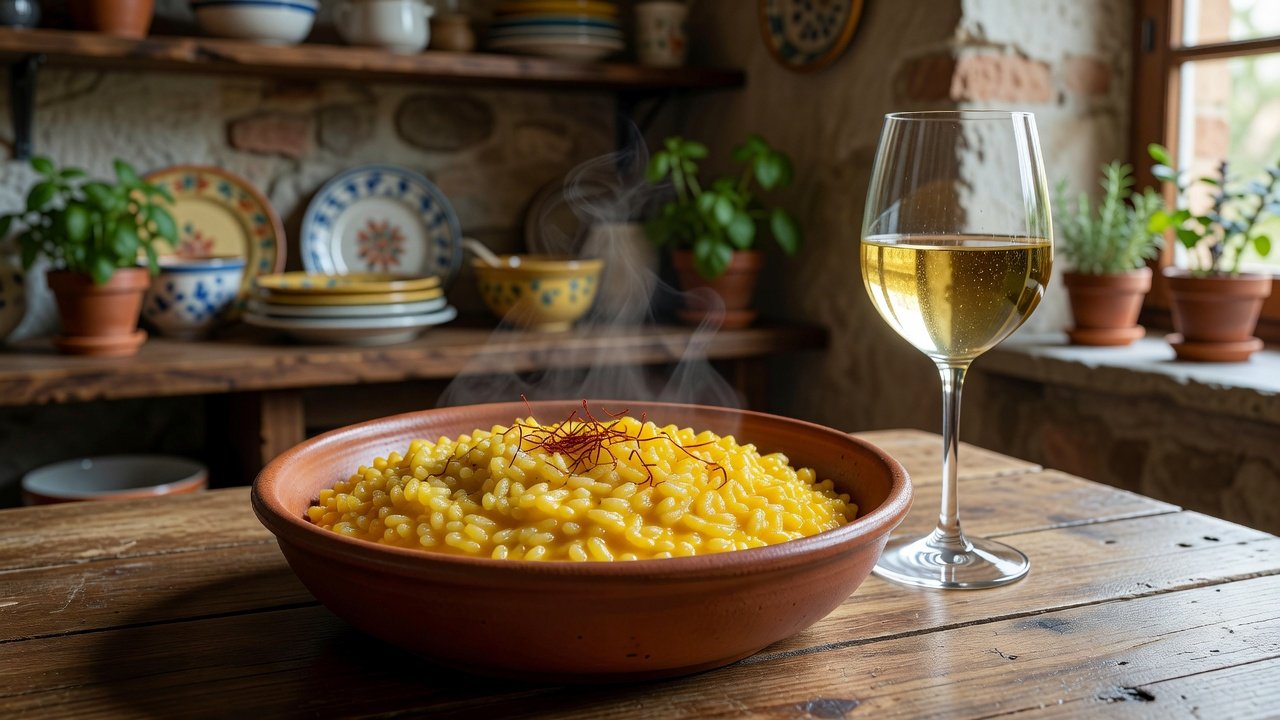
Risotto alla Milanese or mushroom risotto demands wines that refresh without overwhelming delicate grains. Pinot Grigio from Veneto offers zesty lemon and mineral notes that cleanse the palate between creamy bites. For richer saffron versions, a young Barolo from Piedmont provides elegant structure while its acidity counters the buttery texture. Additional examples include pumpkin risotto paired with a lightly oaked Pinot Grigio to highlight autumnal sweetness, or seafood risotto matched with the same varietal's saline edge. In Lombardy, locals often pair risotto with local Pinot Grigio or lighter Nebbiolo expressions to honor the dish's northern roots. The key is selecting wines that echo the risotto's creaminess through texture while providing enough acidity to prevent palate fatigue. Home cooks can enhance pairings by finishing the risotto with a splash of the chosen wine, creating a seamless bridge between dish and glass.
Pairing Barolo and Chianti with Osso Buco
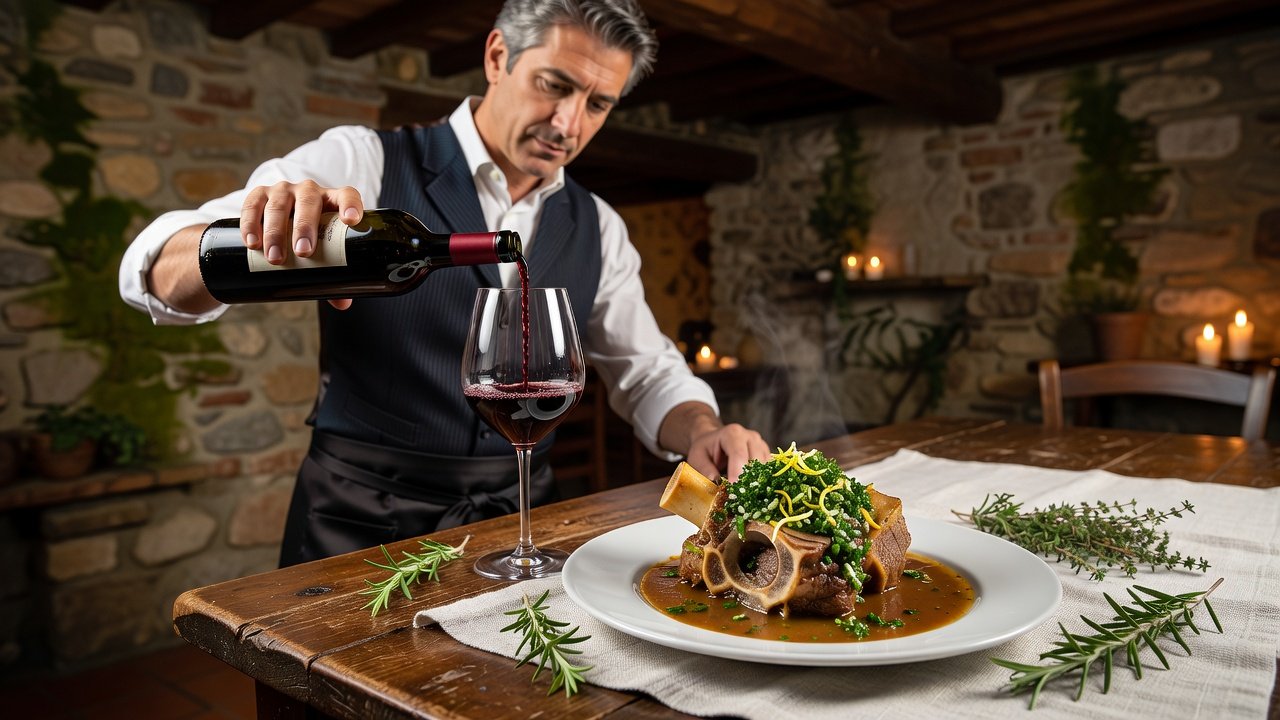
Osso buco, the braised veal shank from Milan, features marrow-rich flavors that require wines with sufficient body and acidity. Barolo excels here with its powerful tannins and tar, rose, and cherry notes that stand up to the long-cooked meat. Chianti Riserva offers a more approachable alternative with earthier tones that complement the gremolata topping. Expand the match by considering side dishes such as saffron risotto, which integrates seamlessly with the same red wines. Red versus white comparison: While whites like Pinot Grigio can work with lighter preparations, reds dominate for traditional osso buco due to their ability to match the dish's depth and fat content. Sommeliers recommend decanting Barolo for at least an hour to soften tannins and reveal secondary aromas that interact beautifully with the veal's gelatinous texture.
Red Versus White Options Across Courses
For antipasti and lighter pastas, whites such as Pinot Grigio provide versatility and refreshment. Main courses like osso buco or meaty risottos favor reds including Chianti and Barolo. Dessert courses may return to off-dry whites or fortified options, though traditional Italian meals often conclude with simple reds. Comparing options reveals that whites excel in spring and summer settings with grilled seafood pastas, while reds bring warmth and structure to winter braises. A useful exercise is to prepare two versions of the same dish—one with a red pairing and one with white—and note how each alters perceived richness and flavor intensity.
Practical Tips for Home Sommeliers
- Keep a few versatile bottles on hand: one high-acidity white and one medium-tannin red from trusted producers.
- Serve wines at proper temperatures—whites around 8–10°C and reds at 16–18°C—to highlight their pairing strengths.
- Experiment with small pours during cooking to preview matches and adjust seasoning accordingly.
- Consider vintage variations, as recent releases from Tuscany and Piedmont emphasize balanced acidity suitable for food.
- Store open bottles correctly using inert gas or vacuum stoppers to maintain quality for multi-course meals.
- Invest in proper glassware shapes that direct aromas toward the nose, enhancing both wine and food perception.
- Consult resources from Wine Spectator and Decanter for current vintage guidance and pairing charts.
FAQ: Common Wine Pairing Mistakes to Avoid
Q: Should I always match region with region? A: Regional synergy works well but is not mandatory; focus first on flavor and structure balance. Many successful pairings cross regions when acidity and tannin align properly.
Q: Can white wines pair with red meat dishes? A: Yes, when the white has enough body and acidity, though structured reds usually perform better with osso buco. A fuller-bodied Pinot Grigio can succeed with leaner cuts.
Q: How do I handle spicy or heavily seasoned Italian dishes? A: Choose wines with residual sweetness or high acidity to tame heat and refresh the palate after each bite.
Q: What if my guests have different preferences? A: Offer a flight of two wines per course so everyone can select their ideal match, or default to versatile high-acidity options that please most palates.
By applying these sommelier techniques and drawing inspiration from sources such as Italy Magazine, home cooks can create memorable food wine pairing experiences that honor Italy's culinary heritage throughout 2026 and beyond. Consistent practice with these methods builds confidence and leads to increasingly sophisticated tableside decisions.
No comments yet. Be the first!