 Uncorked Conversations
Introduction to Sommelier Wine Pairings for Brazilian Cuisine
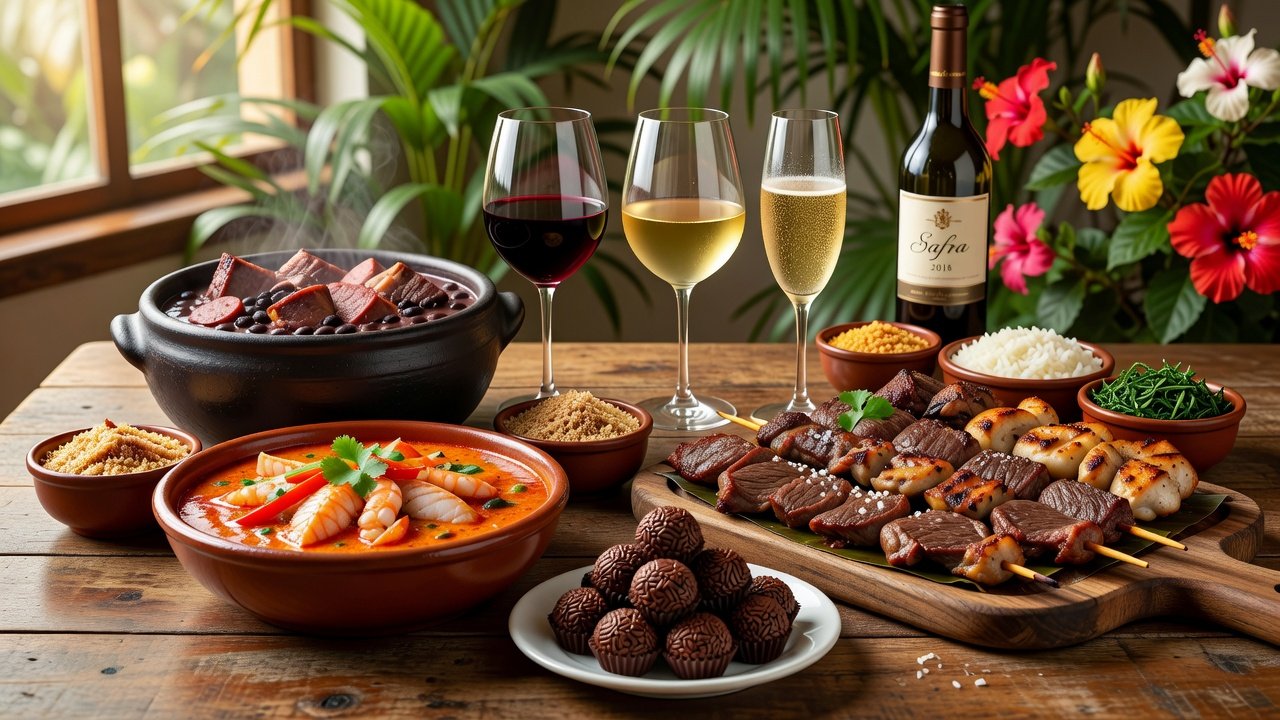
Brazilian cuisine bursts with vibrant flavors, from the hearty black bean stew known as feijoada to the seafood-rich moqueca and grilled churrasco meats. In 2026, sommeliers are emphasizing pairings that highlight acidity to cut through richness and tannins to tame bold spices. This guide explores expert strategies for matching wines with iconic dishes while incorporating tropical fruit notes and regional Brazilian influences. The year 2026 brings renewed focus on sustainable sourcing and vibrant, shareable meals that celebrate Brazil's diverse culinary heritage, making thoughtful wine selections more important than ever for both professional chefs and home enthusiasts.
Whether hosting a family gathering or refining home cooking skills, understanding these pairings elevates every meal. Acidity refreshes the palate after spicy bites, while structured reds complement grilled proteins. Sparkling options add celebratory lightness to sweet desserts like brigadeiro. By examining each dish's core components, sommeliers create harmonious experiences that enhance rather than mask the food's natural character.
Understanding Brazilian Flavor Profiles in Depth
Brazilian dishes often combine smoky, spicy, and sweet elements drawn from indigenous, Portuguese, and African traditions. Feijoada features slow-cooked pork and beans with orange slices for brightness, creating layers of earthiness and acidity. Moqueca layers coconut milk, palm oil, and peppers over fish or shrimp, resulting in a creamy yet fiery profile. Churrasco delivers charred beef with chimichurri or farofa, emphasizing umami and smoke. Brigadeiro offers condensed milk chocolate truffles rolled in sprinkles, delivering intense sweetness balanced by subtle cocoa bitterness.
Sommeliers focus on balancing these with wine components such as bright acidity, moderate tannins, and fruit-forward varietals. High-acidity whites like Sauvignon Blanc cut coconut creaminess in moqueca. Full-bodied reds with soft tannins handle fatty meats without overwhelming spices. The 2026 trend favors versatile bottles from South American regions that echo Brazil's diversity, including emerging producers emphasizing organic practices.
Pairing Feijoada with Bold Reds: Step-by-Step Examples
Step-by-step, start with a Malbec from Argentina to match feijoada's depth. Its dark fruit and moderate tannins stand up to pork fat while acidity refreshes after beans. Alternatively, choose a Brazilian Cabernet Sauvignon for local terroir alignment. Begin by simmering the stew until the beans reach a creamy consistency, then taste the wine alongside orange segments to test brightness. Avoid overly oaky wines that clash with the stew's earthiness. This pairing works for large gatherings because reds age gracefully in the bottle and improve with decanting for 45 minutes before service.
Another effective option involves a Syrah from Chile, whose peppery notes echo the dish's subtle spices. Serve the wine slightly cooler than room temperature to maintain freshness against the rich pork. Home cooks can experiment by preparing a smaller batch of feijoada and testing multiple reds side by side, noting how each interacts with the beans and meat.
Matching Moqueca with Crisp Whites and Sparkling Wines
Moqueca's coconut and chili heat calls for aromatic whites. Try Albariño from Spain or a Chilean Chardonnay with citrus notes. The wine's minerality counters palm oil richness while fruit esters complement seafood. For sparkling, select a Brazilian Brut Rosé to add effervescence that lifts peppers. Pour chilled, sip between bites, and note how bubbles cleanse the palate. Regional recommendations include wines from the Serra Gaúcha area for proximity to Brazilian ingredients and fresh acidity that mirrors the coastal origins of the dish.
Advanced sommeliers suggest pairing a Loire Valley Chenin Blanc for its honeyed undertones that soften the heat without clashing with coconut. Consider the spice level of your moqueca version; milder preparations allow for slightly fruitier whites, while extra peppers benefit from drier, higher-acid selections. This approach ensures the wine remains refreshing throughout the meal.
Churrasco and Tannic Reds: A Classic Match with Comparisons
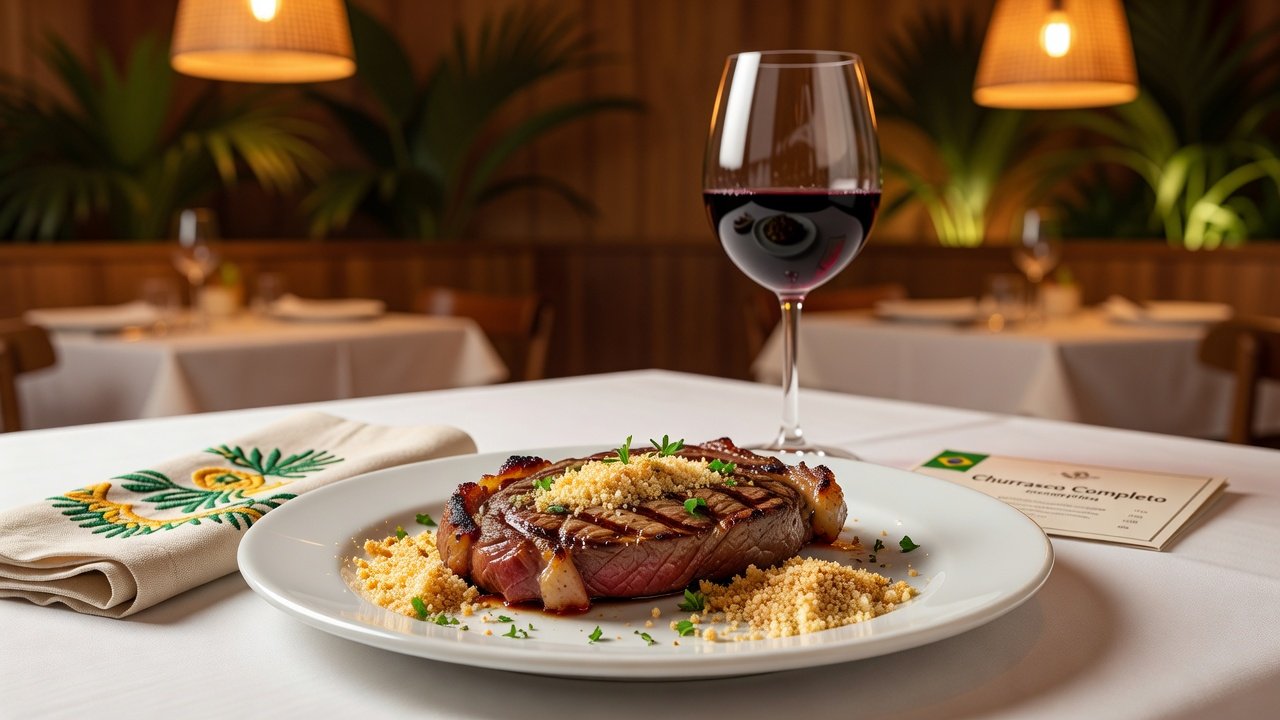
Grilled meats shine with structured reds such as Tannat or Syrah. Tannins bind to proteins, creating a smoother mouthfeel. Begin by searing the meat, then decant the wine 30 minutes prior to serving. Compare options: A lighter Pinot Noir suits chicken churrasco, while a bolder Merlot elevates beef cuts. Home cooks benefit from keeping a few versatile bottles on hand for spontaneous barbecues, allowing flexibility based on the protein chosen.
Practical examples include pairing a Uruguayan Tannat with picanha cuts, where the wine's structure stands up to the fat marbling. For vegetable skewers often served alongside, a lighter red like a Brazilian Merlot maintains balance. Always taste the chimichurri sauce first to ensure the wine's fruit notes complement rather than compete with the herbs.
Sweet Endings: Brigadeiro and Dessert Wines
Brigadeiro's condensed milk sweetness pairs beautifully with late-harvest whites or Moscato. The wine's residual sugar mirrors the dessert without overpowering chocolate. Sparkling options like Demi-Sec provide contrast through bubbles. Experiment by serving small portions alongside coffee-infused brigadeiro variations. This creates a memorable finale that feels both indulgent and balanced, especially when the wine carries subtle tropical fruit notes that echo Brazilian produce.
2026 Trends in Brazilian Food and Wine Pairing
Current trends emphasize low-intervention wines and pairings that highlight sustainability. Sommeliers increasingly recommend bottles from small Brazilian producers alongside traditional imports. Explore Decanter for expert tasting insights and Wine Magazine for updated vintage notes. Another valuable resource is Wine Spectator, which regularly covers emerging South American regions suitable for Brazilian cuisine pairings.
Red vs White vs Sparkling: Direct Comparisons
- Red wines: Best for rich meats; provide structure and longevity while softening tannins through protein interaction.
- White wines: Ideal for seafood stews; deliver freshness and acidity that cut through creamy sauces like coconut milk.
- Sparkling wines: Versatile across courses; cleanse the palate and add celebration, especially effective with both spicy and sweet elements.
Choose based on spice level: higher heat favors whites and sparkling, while moderate spices welcome reds. Consider alcohol content as well, since higher ABV can amplify perceived heat in spicy dishes.
Practical Tips for Home Cooks
- Start with versatile bottles like Sauvignon Blanc and Malbec that adapt across multiple dishes without requiring an extensive cellar.
- Taste dishes and wines side by side before final selection to identify the best match for your specific recipe variations.
- Adjust for sweetness by choosing off-dry styles when needed, particularly with desserts or mildly spiced mains.
- Store wines properly to maintain 2026 freshness standards, keeping bottles at consistent temperatures away from light.
- Experiment with serving temperatures, chilling whites and sparkling wines to 8-10°C for optimal refreshment.
Common Mistakes to Avoid in Pairings
One frequent error is selecting overly sweet wines for spicy foods, which can intensify heat rather than tame it. Another involves ignoring regional synergy; Brazilian wines often pair more intuitively with local ingredients than distant imports. Always consider the full meal progression, ensuring early courses do not overwhelm later ones with heavy tannins or high acidity.
FAQs on Handling Heat and Sweetness
How do I pair wine with very spicy moqueca? Opt for low-alcohol whites with residual sugar to tame capsaicin while maintaining fruit balance.
What about sweet brigadeiro overpowering dry wines? Select dessert wines with matching sugar levels for harmony, avoiding high-acid options that clash with condensed milk.
Can one bottle work across multiple dishes? Yes, a versatile sparkling wine often bridges savory and sweet courses effectively, especially Brut Rosé styles from Brazil.
Should I chill reds for grilled meats? Slightly cool reds around 16°C can refresh the palate during churrasco without diminishing structure.
Conclusion
Sommelier pairings for Brazilian cuisine in 2026 celebrate balance, regional pride, and shareable moments. By focusing on acidity, tannins, and thoughtful varietals, every table can enjoy vibrant harmony. Experiment confidently and raise a glass to Brazil's rich culinary heritage, creating memorable experiences that blend tradition with modern sommelier expertise.
No comments yet. Be the first!