 Uncorked Conversations
Introduction to Natural Wine Pairings for Everyday Meals
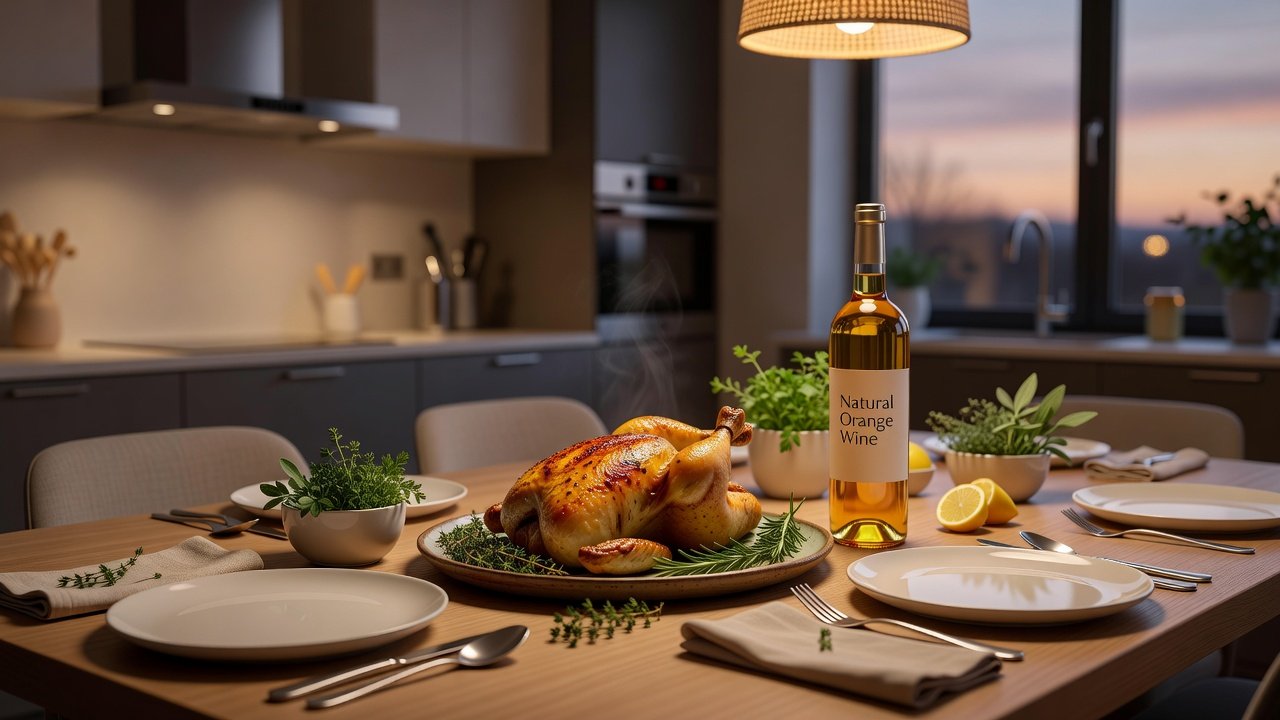
Natural wines, produced with minimal intervention and often featuring wild fermentation, deliver vibrant acidity and distinctive flavors that transform simple weeknight dinners into elevated experiences. This comprehensive guide delivers actionable steps for pairing natural wines with everyday household meals including roasted chicken, vegetable stir-fries, and simple pastas. The focus remains on matching acidity, tannins, and fermentation notes to common ingredients while prioritizing affordability and accessibility for home cooks. Sommelier techniques are adapted here for real kitchens without requiring specialized tools or rare ingredients. Readers will find concrete bottle suggestions, detailed comparisons between orange wines and skin-contact whites, and practical troubleshooting for mismatches that commonly occur. Additional sections cover quick dietary adjustments and a thorough FAQ addressing storage, serving temperature, and glassware choices. By following these numbered steps with real-home examples, you can achieve consistent, enjoyable results that encourage repeated use rather than one-time experiments.
Weeknight cooking often involves limited time and pantry staples, yet natural wines thrive in this context because their lively profiles cut through richness and highlight fresh elements. Understanding the core principles prevents random selections and builds confidence for future pairings.
Step 1: Evaluate Your Meal's Core Ingredients and Flavors
Start by breaking down the dominant components of your chosen dish. Roasted chicken typically features savory proteins, aromatic herbs like rosemary or thyme, and possible additions such as lemon, garlic, or root vegetables that caramelize during cooking. Vegetable stir-fries emphasize bright, sharp notes from ginger, garlic, soy sauce or tamari, and crisp textures from broccoli, bell peppers, or snap peas. Simple pastas highlight either bright tomato-based sauces with herbs or creamy elements like cheese and butter that coat the noodles.
- Identify primary flavor categories: proteins, vegetables, sauces, acids, and seasonings.
- Evaluate mouthfeel and texture contrasts, such as crispy chicken skin against tender meat or the crunch of stir-fried vegetables.
- Note the cooking technique and how it develops flavor, for instance how roasting intensifies sweetness and creates Maillard browning that pairs with earthy wine notes.
- Consider any side dishes or garnishes that might influence the overall profile, like a simple green salad adding extra freshness.
This systematic evaluation ensures the selected wine enhances rather than masks the meal's best qualities. Applying this step to each recipe type creates a repeatable framework that works across different cuisines and dietary needs.
Step 2: Match Acidity Levels for Balanced Palate Refreshment
Acidity serves as the primary driver in natural wine pairings because it refreshes the palate and balances richness or fat. High-acidity natural whites excel with roasted chicken when the bird includes citrus elements, as the wine's lemon or green apple notes echo and lift those flavors. Vegetable stir-fries benefit from similarly zesty acidity that mirrors ginger brightness and prevents the wine from feeling heavy against soy-based sauces. Tomato-heavy pastas require wines with medium to high acidity that can stand up to the sauce's natural tang without dominating delicate pasta textures.
Experiment by tasting a small sip of wine alongside a bite of food to confirm the balance feels harmonious. If the wine's acidity feels too sharp, incorporate a small amount of fat such as olive oil drizzle or butter into the dish to soften the perception.
Step 3: Consider Tannins and Fermentation Notes
Tannins contribute structure and grip, particularly in reds and some skin-contact whites, while fermentation notes introduce savory, yeasty, or slightly funky dimensions that complement umami-rich foods. Light tannins suit weeknight proteins to avoid drying out the palate, whereas fermentation character enhances roasted or caramelized elements in chicken and stir-fries. For example, a lightly tannic natural red with subtle earthiness complements herb-roasted chicken by tying together the savory herbs and roasted vegetables.
Comparing Orange Wines and Skin-Contact Whites
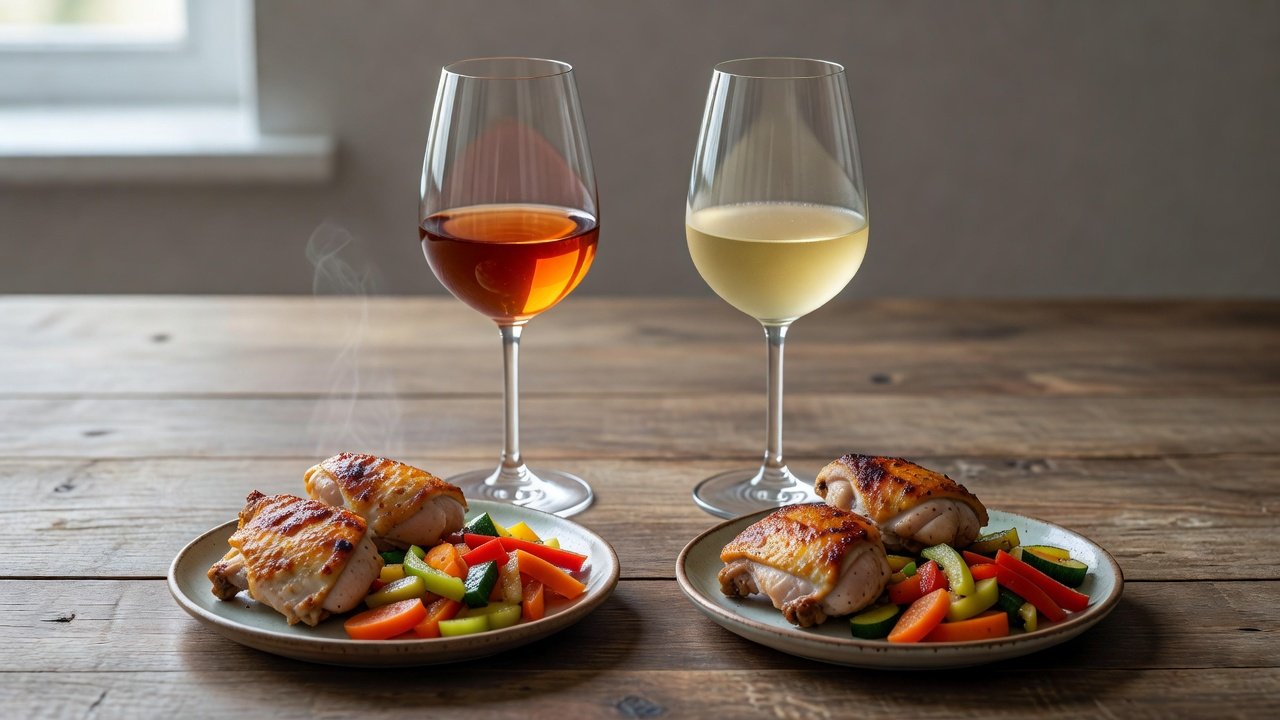
Orange wines and skin-contact whites both result from extended grape skin maceration, yet they differ in depth and application. Orange wines generally display deeper hues, more pronounced tannins, and nutty or dried-fruit characteristics that suit heartier meals like roasted chicken or tomato pastas. Skin-contact whites tend toward subtler textures with floral and crisp qualities ideal for lighter vegetable stir-fries. Conducting a side-by-side tasting highlights these distinctions clearly and helps refine future choices based on meal weight and intensity.
Step 4: Select Specific Accessible Bottles
Choose widely distributed natural wines from established regions. A Loire Valley natural Chenin Blanc offers bright acidity and subtle mineral notes perfect for roasted chicken. Georgian amber wines provide gentle tannins and complex fermentation notes that pair well with stir-fries. Light natural reds from Piedmont deliver balanced structure for tomato pastas. These selections emphasize everyday availability through specialty retailers and online shops rather than limited-production bottles.
Troubleshooting Common Pairing Mismatches
- When wine acidity tastes overly sharp against the food, incorporate a touch of sweetness or fat such as honey-glazed vegetables or a pat of butter to round out the experience.
- If tannins feel astringent with delicate ingredients, chill the wine slightly or switch to a lower-tannin alternative on the next attempt.
- Excessive fermentation funk overpowering subtle flavors calls for selecting a cleaner natural wine style in future pairings while still retaining the category's appeal.
- Overly heavy wines with light meals can be adjusted by serving smaller pours or pairing with brighter side salads to restore balance.
Quick Adjustments for Dietary Preferences
Vegetarian adaptations of these meals shift emphasis toward vegetable-forward natural whites that highlight produce without needing animal proteins. Vegan diners can use the same recommended bottles because most natural wines avoid traditional animal-derived fining agents. Gluten-free pasta substitutions require no changes to wine selections since pairings focus primarily on sauce acidity and texture rather than the noodle type itself. Low-carb versions benefit from higher-acidity whites that complement increased vegetable portions without adding perceived sweetness.
FAQ: Storage, Temperature, and Glassware
How should natural wines be stored at home? Store bottles upright in a consistently cool, dark location away from direct sunlight and temperature fluctuations to preserve freshness and prevent premature oxidation.
What serving temperatures optimize natural wine expression? Serve whites and orange wines between 50 and 55 degrees Fahrenheit to maintain lively acidity. Light reds perform best around 60 to 65 degrees Fahrenheit, allowing subtle tannins and fermentation notes to emerge without muting fruit character.
Which glassware styles work best across these pairings? Universal white wine glasses provide versatility by highlighting acidity while avoiding excessive concentration of tannins. Avoid overly large red wine glasses that can dissipate delicate aromas too quickly.
Can natural wines be aged before use? Most natural wines are crafted for early drinking and deliver peak enjoyment within one year of purchase, though certain structured orange wines may improve slightly with short-term cellaring of six to twelve months.
Conclusion
Following these structured steps allows home cooks to confidently pair natural wines with common weeknight meals, creating balanced and memorable dinners. Experimentation with the suggested techniques, bottle styles, and adjustments builds lasting skills. For additional natural wine education, consult resources from Wine Folly and comprehensive wine references. Consistent practice turns these pairings into an effortless part of weekly routines.
No comments yet. Be the first!