 Uncorked Conversations
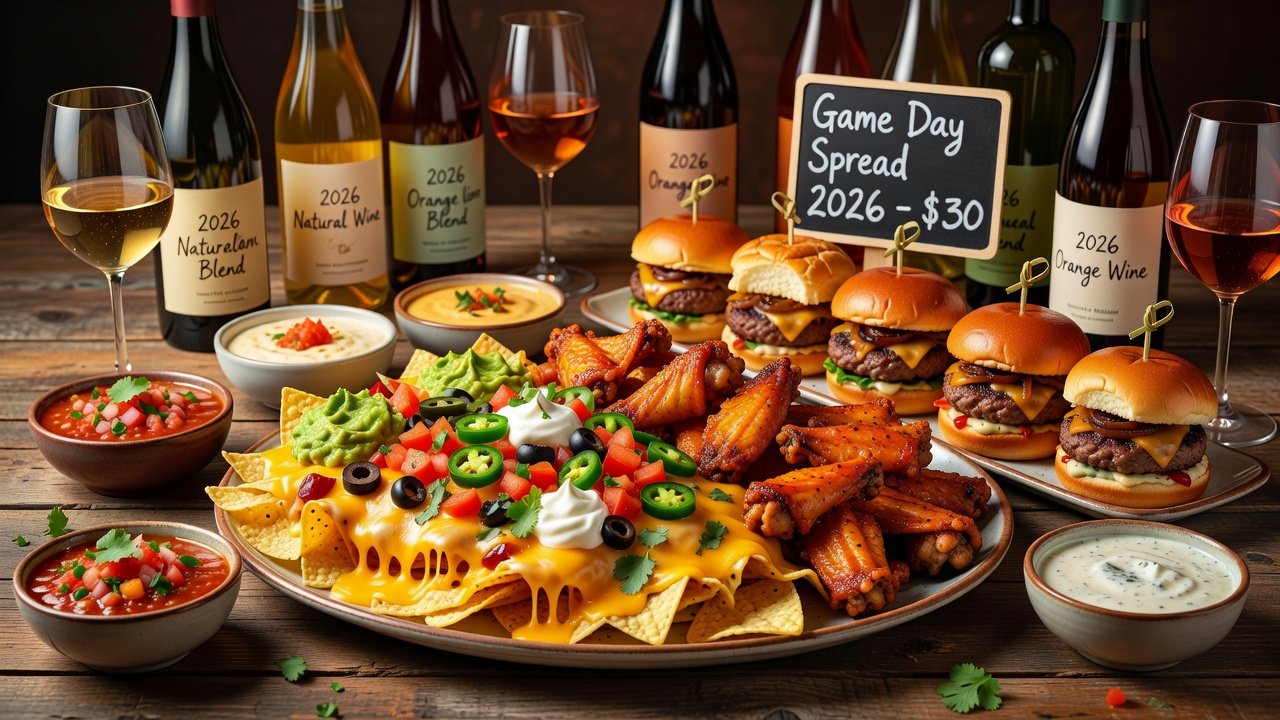
Introduction: Why Natural Wines Shine on Game Day
Game day spreads demand wines that cut through richness, tame spice, and refresh between bites. Natural wines—made with minimal intervention—bring vibrant acidity, earthy complexity, and lively bubbles that elevate casual snacks without overpowering them. This guide explores proven strategies for pairing natural reds, whites, and sparkling options with loaded nachos, sliders, wings, and dips. Unlike conventional wines, natural expressions highlight terroir and fruit purity, making them ideal for the bold flavors of game day fare. Acidity acts as a palate cleanser while tannins balance fat. Sommelier Elena Vargas notes, “Natural wines let the food lead; their purity makes every snack pop.” Whether hosting a small gathering or a large watch party, these pairings create memorable moments that keep guests engaged through every quarter. The casual nature of game day calls for approachable bottles that can handle multiple snack stations without requiring perfect precision, allowing hosts to focus on the action rather than constant adjustments.
Mastering Acidity and Tannin Strategies
High-acidity whites and sparkling wines slice through creamy dips and cheesy nachos. Low-tannin reds handle spicy wings without amplifying heat. For 2026 vintages, seek bottles from cool-climate regions that emphasize freshness over oak. Acidity levels above 5.5 grams per liter provide the necessary zing to counter heavy cheeses and fried elements. Tannins, when present in moderation, soften the perception of fat in meats while avoiding a drying effect that clashes with heat. Consider how skin-contact whites introduce subtle tannins that bridge the gap between reds and whites, offering versatility across multiple snack types. Experiment by tasting a small bite of food followed by a sip to observe how the wine’s structure interacts with the snack’s texture and seasoning levels.
Step-by-Step Pairing Example: Loaded Nachos
- Start with a high-acid natural white like skin-contact Pinot Gris to cut melted cheese and sour cream.
- Layer in a light red with soft tannins such as Gamay for the spiced beef and jalapeños.
- Finish with sparkling to reset the palate between bites of beans and guacamole.
- Adjust portions by serving smaller glasses to encourage sipping rather than gulping during intense game moments.
- Rotate through the options as the nacho toppings are consumed, ensuring the final bites pair with the most refreshing wine style.
Pairings for Sliders and Burgers
Juicy sliders pair beautifully with juicy, low-tannin natural reds such as Gamay or Pinot Noir. The wine’s bright fruit mirrors grilled flavors while acidity balances any special sauce. Try a 2025 Loire Gamay with classic cheeseburgers—the red fruit notes complement caramelized onions without overwhelming the bun. For turkey or veggie sliders, pivot to a crisp natural white like Chenin Blanc from South Africa. Its honeyed undertones enhance avocado or herb spreads. Always chill these reds to 55–58°F for optimal refreshment on game day. Consider offering a flight of two reds side by side so guests can compare how each interacts with different slider variations, such as one with bacon versus one with mushroom toppings.
Wings and Heat Management
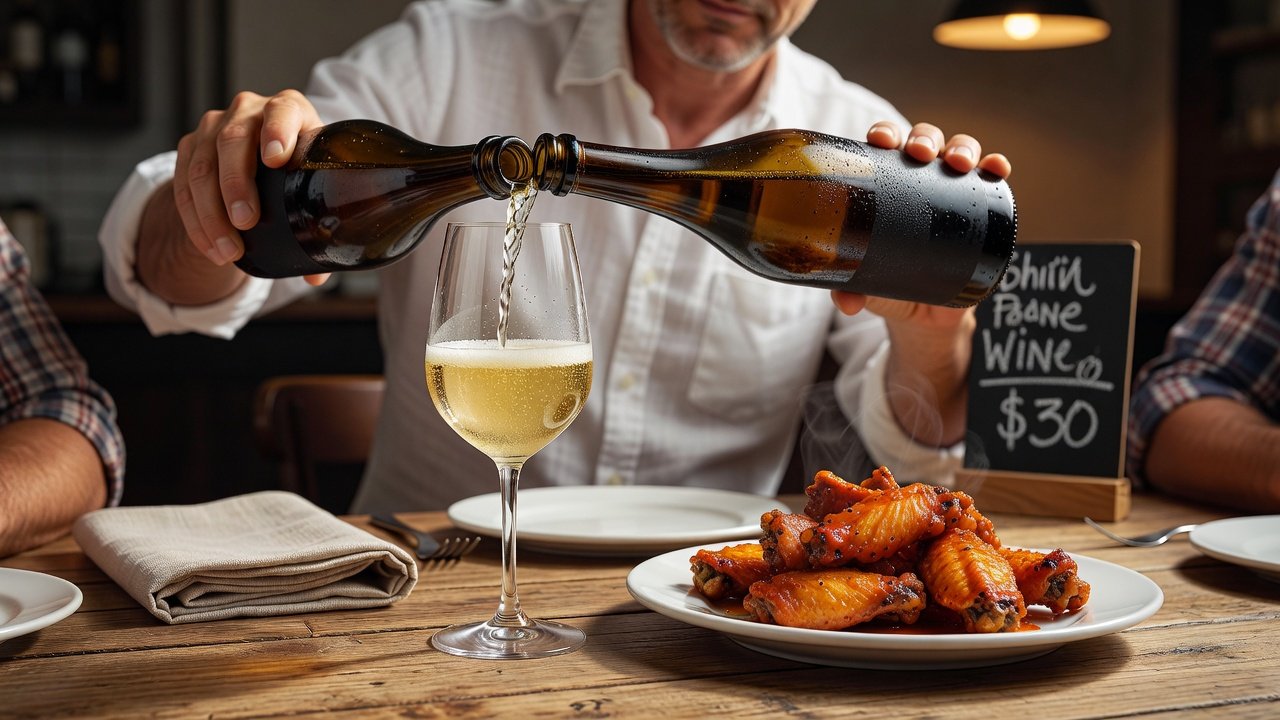
Spicy wings call for off-dry sparkling wines or chilled reds with gentle tannins. Avoid high-tannin bottles that can intensify capsaicin burn. A natural pét-nat from the Loire Valley offers just enough residual sugar to tame buffalo sauce while its bubbles lift the palate. For milder barbecue wings, a light red from Beaujolais provides berry notes that echo smoky elements. Monitor heat progression throughout the game by offering both a sparkling option and a still white as backups. Pairing strategy shifts as spice builds; start with lower-alcohol whites and move to sparkling for maximum refreshment during the final rounds of wings.
Dips, Chips, and Shared Platters
Creamy spinach or queso dips shine with crisp, mineral-driven natural whites. Add a touch of pét-nat for celebratory bubbles that cleanse rich textures. Hummus platters benefit from orange-hued skin-contact wines that bring subtle earthiness matching chickpeas and tahini. For salsa and guacamole, choose high-acid Riesling or Grüner Veltliner to cut through avocado creaminess. These pairings encourage communal dipping while maintaining balance across diverse textures. Include vegetable crudités to provide a neutral base that lets the wine’s primary fruit characteristics shine through between heavier dip scoops.
Comparison Chart: Wine Styles vs. Snack Heat Levels
The chart below offers a quick visual reference, but remember that individual preferences and specific wine expressions can shift ideal matches. Always taste and adjust based on the exact heat level of your prepared snacks.
| Wine Style | Low Heat | Medium Heat | High Heat |
|---|---|---|---|
| Natural White | Nachos with mild cheese | Sliders with special sauce | Mild wings with ranch |
| Light Red | Dips like hummus | Cheeseburgers | Buffalo wings |
| Sparkling | All snacks as refresher | Spicy dips | Hot wings for contrast |
Shopping Tips for 2026 Natural Vintages
Focus on producers emphasizing native yeasts and minimal sulfur. Visit local bottle shops for small-batch finds or explore Decanter for vintage reports. Look for 2025–2026 releases from Loire, Oregon, and Austria that highlight vibrant fruit and texture. Check Wine Magazine for importer recommendations and tasting notes. Prioritize bottles under $30 for everyday accessibility, and verify labels for certifications like Demeter or organic status to ensure true natural production methods. Ask staff about recent arrivals from the 2025 harvest that have not yet seen heavy oak influence, and consider mixed cases that allow experimentation across white, red, and sparkling styles without committing to large quantities of any single bottle.
Common Mistakes to Avoid
- Choosing overly oaked wines that clash with spice and mask fruit.
- Ignoring serving temperature—chill reds slightly for game day refreshment.
- Overlooking bubbles, which refresh between plays and prevent palate fatigue.
- Pairing high-tannin reds with very spicy items, amplifying heat instead of balancing it.
- Forgetting to offer water alongside wines, which helps guests pace themselves during long games.
- Selecting sweet wines for savory snacks without considering acidity balance.
- Overfilling glasses, which leads to rushed consumption and diminished appreciation of pairings.
Quick FAQs for Last-Minute Hosting
Q: What if guests prefer sweet snacks? Pair with off-dry sparkling to balance sweetness without clashing.
Q: Can I prepare pairings ahead? Yes—chill whites and sparkling the night before and decant light reds two hours prior.
Q: How many bottles should I buy for ten people? Plan for one bottle per two guests, with a mix of three styles.
Q: Are there non-alcoholic alternatives? Sparkling grape juice or kombucha can mimic the acidity and bubbles in natural wines.
Q: What glassware works best? Use universal wine glasses or sturdy tumblers that withstand casual handling.
Q: How do I handle dietary restrictions? Offer a range of wines that complement both meat and plant-based options on the table.
Conclusion
With these sommelier-backed strategies, your 2026 game day will feature seamless natural wine pairings that keep everyone refueled and refreshed. Experiment, taste, and enjoy the game while discovering new favorite combinations that turn ordinary snacks into elevated experiences.
No comments yet. Be the first!