 Uncorked Conversations
Introduction to Sommelier-Level Moroccan Wine Pairings
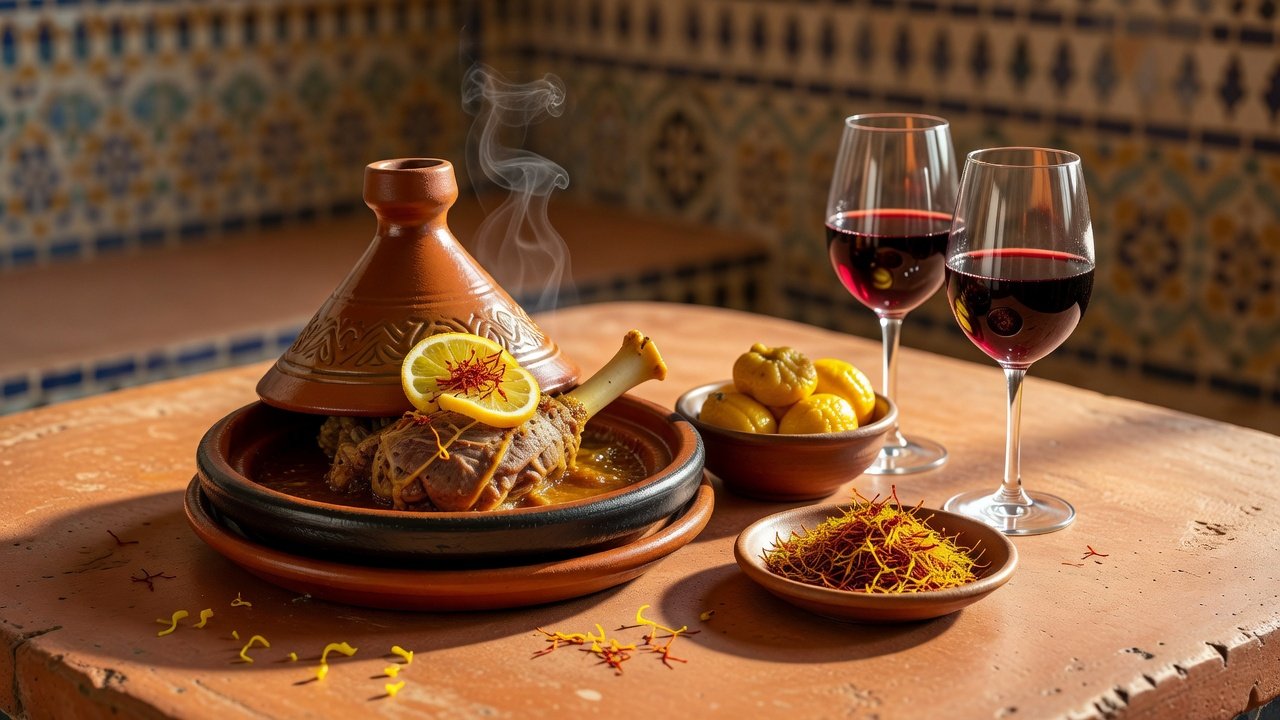
Moroccan cuisine dazzles with layered spices, preserved lemons, saffron threads and sweet-savory contrasts that challenge traditional wine pairing rules. In 2026, sommeliers are refining techniques that emphasize vibrant acidity to cut through richness while using moderate tannins to tame heat. This guide delivers practical, step-by-step logic for matching wines to iconic dishes like tagine, couscous and harira across lamb, vegetable and seafood variations. Whether you are hosting a dinner party or simply exploring new flavor combinations at home, understanding these pairings elevates every bite and sip into a harmonious experience that respects both the heritage of North African cooking and the nuances of global viticulture.
Core Principles of Pairing with Moroccan Flavors
Successful pairings hinge on three elements: acidity to refresh the palate after fatty meats or olive oil, fruit-forward profiles to echo sweetness from dried fruits or honey, and restrained oak to avoid clashing with delicate saffron. Heat from harissa or ginger is best countered by off-dry styles or high-acid whites rather than heavy reds. Decanter experts note that balancing these components creates harmony rather than competition. Consider the intensity of each dish first. A slow-simmered tagine with multiple spices requires wines that can stand up without overwhelming the subtle notes of cinnamon or cumin. Acidity acts as a palate cleanser, preventing the meal from feeling heavy, while a touch of residual sugar can soften the impact of chili heat.
Step-by-step pairing logic begins with identifying the dominant flavor: preserved lemon calls for citrusy acidity; saffron suggests floral or mineral notes; sweetness from apricots or raisins favors wines with ripe fruit. Always taste the dish first without wine to isolate its primary characteristics before selecting a bottle.
Understanding Key Moroccan Ingredients and Their Wine Needs
Preserved lemons introduce briny, tangy notes that demand high-acidity whites such as Sauvignon Blanc or Albariño to mirror the citrus edge. Saffron brings an earthy, floral quality best complemented by wines with similar aromatic lift, like Viognier or aged Chardonnay. The sweetness from dried fruits and honey in many tagines pairs well with fruit-forward reds or off-dry whites that echo those flavors without adding cloying elements. Bold spices like cumin, coriander and paprika require wines with enough structure to match intensity yet enough freshness to reset the palate between bites.
Pairing Recommendations for Classic Tagine
Lamb Tagine with Apricots and Almonds
Rich, slow-cooked lamb benefits from medium-bodied reds with juicy red fruit and soft tannins. Old World options such as Cru Beaujolais deliver bright cherry and earth that complement the meat without overpowering spices. New World alternatives like Chilean Pinot Noir offer riper strawberry notes that mirror the sweetness of apricots. For deeper flavor, consider a Grenache-based GSM blend from the Rhône Valley, which provides peppery undertones that echo the tagine’s spice profile while its medium tannins handle the lamb’s richness effectively.
Vegetable Tagine with Chickpeas and Preserved Lemon
Plant-forward versions shine with crisp whites or light reds. A Loire Valley Chenin Blanc provides apple and honey notes that echo the tagine’s gentle sweetness while its natural acidity refreshes the palate after chickpeas. Alternatives include a Spanish Verdejo for its herbal qualities or a light Italian Barbera that adds subtle red fruit without heaviness. These choices allow the vegetable textures and lemon brightness to remain the stars of the plate.
Seafood Tagine with Saffron and Olives
Delicate fish and shellfish pair beautifully with mineral-driven whites. Albariño from Spain or Vermentino from Italy bring saline qualities that highlight saffron and cut through olive oil. For a bolder option, try a lightly oaked Chardonnay from Burgundy that offers subtle nuttiness to complement olives while maintaining enough acidity to balance saffron’s floral intensity.
Pairings for Couscous and Harira
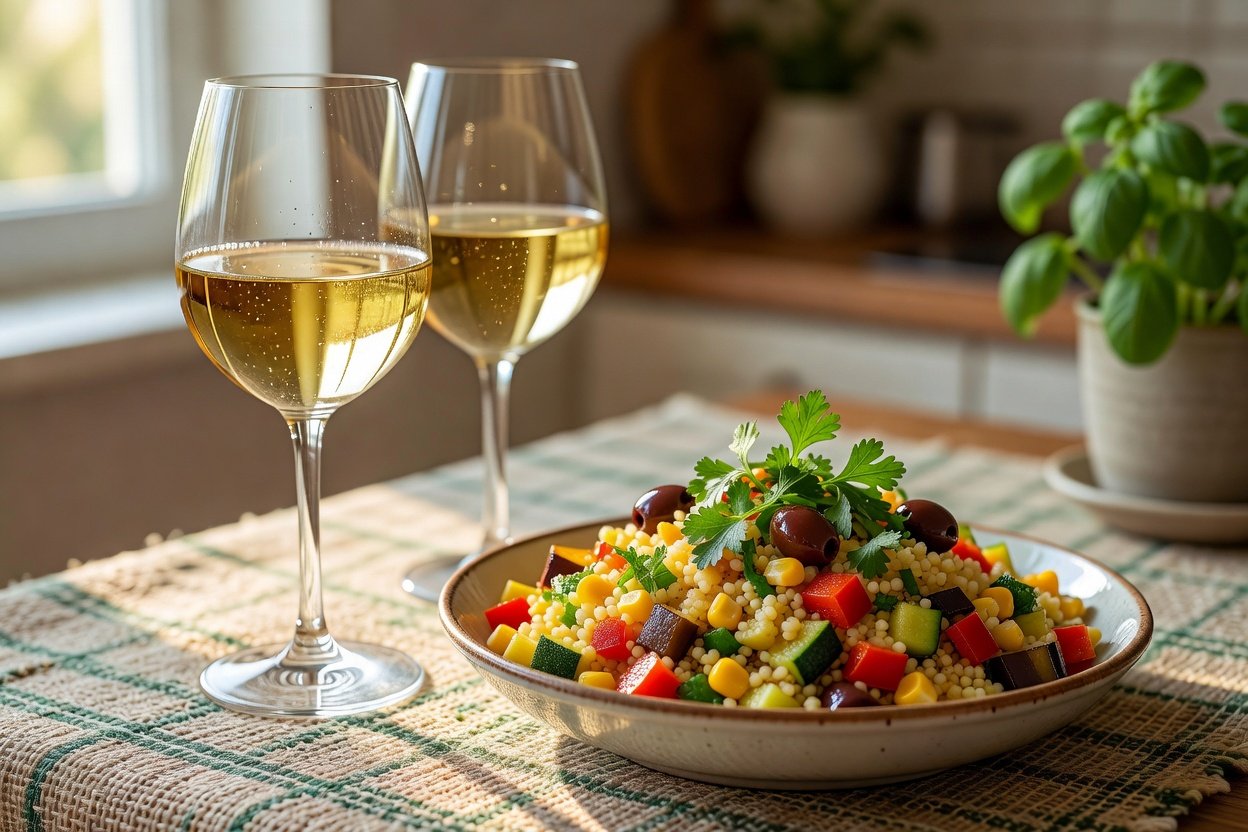
Seven-vegetable couscous with its array of textures welcomes versatile wines. A Provençal rosé offers strawberry and herb notes that bridge vegetable sweetness and spice. For harira, the traditional lentil and tomato soup, consider an off-dry Riesling whose slight residual sugar tempers acidity while acidity slices through lentils. A sparkling Cava can also work well with harira, its bubbles cleansing the palate between spoonfuls of the hearty broth. When serving couscous alongside grilled meats or vegetables, a versatile Pinot Gris from Alsace provides stone fruit and spice that adapts to multiple components on the plate.
Old World versus New World Comparisons
Old World wines from France, Italy and Spain tend toward earthiness and higher acidity, ideal for spice-forward Moroccan dishes. New World wines from California, Australia and South America bring bolder fruit and softer tannins, suiting sweeter tagines. Sommeliers in 2026 often recommend starting with Old World for authenticity and pivoting to New World when guests prefer riper profiles. For example, an Old World Chianti Classico offers bright cherry and herbal notes that cut through lamb fat, whereas a New World Zinfandel from California delivers jammy fruit that pairs with apricot sweetness. Experimenting with both styles reveals how terroir influences the dining experience.
2026 Trends in Moroccan Wine Pairings
Current trends highlight the rise of orange wines and low-intervention styles that bring texture and subtle oxidation to match complex spice layers. Sommeliers are also exploring hybrid pairings that incorporate North African grape varieties or unexpected regions such as Greece and Lebanon for their shared culinary histories. These approaches keep pairings fresh while honoring traditional flavors.
Practical Tips for Home Entertainers
- Chill whites and rosés to 8–10°C to maximize refreshment against heat.
- Decant medium-bodied reds 30 minutes ahead to soften tannins.
- Offer a non-alcoholic pairing such as sparkling pomegranate juice for balance.
- Prepare a flight of three wines so guests can taste how each interacts with the same dish.
- Match wine temperature to the season—slightly warmer reds for cooler evenings enhance spice perception.
- Use large-format glasses for aromatic whites to let saffron and floral notes bloom.
Common Mistakes and How to Avoid Them
One frequent error is choosing overly oaky wines that mask delicate saffron. Another is ignoring sweetness levels, which can make spicy dishes taste hotter. Always sample the wine with a small bite of the dish before committing to a full pour. Avoid high-alcohol wines above 14 percent when heat is prominent, as they amplify perceived spice.
FAQ: Common Moroccan Wine Pairing Mistakes
Q: Should I avoid red wine with spicy dishes?
A: Not entirely—choose low-tannin reds like Gamay or Pinot Noir instead of bold Cabernet.
Q: What if the dish is very sweet?
A: Reach for wines with matching residual sugar or bright acidity to prevent cloying.
Q: Can I serve the same wine throughout the meal?
A: A versatile rosé or orange wine works across courses when the menu stays spice-focused.
Q: How do I handle multiple tagine variations at one table?
A: Select a flexible white like Chenin Blanc that complements both meat and vegetable versions equally well.
Q: Are there budget-friendly options for these pairings?
A: Yes, many Spanish and Portuguese whites deliver excellent value while matching the required acidity and fruit profiles.
Conclusion
Mastering sommelier pairings for Moroccan cuisine in 2026 means respecting bold spices while leveraging acidity, fruit and structure. With the techniques above, home entertainers can create memorable tables that honor both tradition and innovation. Experiment confidently, and each meal becomes an opportunity to discover new synergies between plate and glass.
No comments yet. Be the first!