 Uncorked Conversations
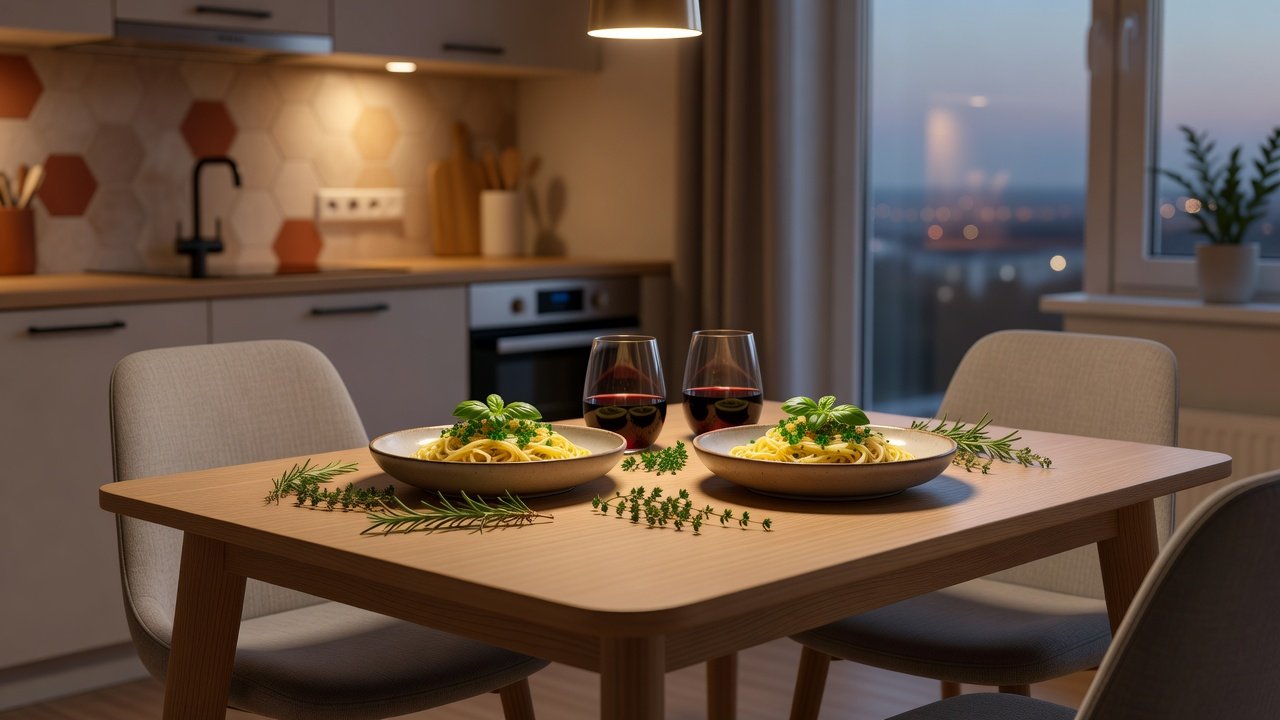
Why Natural Wines Elevate Simple Weeknight Meals
Busy home cooks often seek quick dinners without sacrificing flavor. Natural wines, made with minimal intervention, bring vibrant acidity and pure fruit notes that complement everyday dishes. These low-intervention bottles highlight ingredients rather than overpower them, creating balanced meals in under 30 minutes of prep. In 2026, the focus on sustainable and authentic winemaking continues to grow, making these wines ideal for those looking to add depth to routine suppers like pasta or stir-fries. Unlike conventional wines that may include additives, natural options preserve the true expression of the grape and terroir, allowing simple ingredients to shine. This approach transforms weeknight eating into something special without extra effort or complex techniques.
Benefits of Choosing Natural Wines for Everyday Cooking
Natural wines offer several advantages for home cooks juggling work and family. Their lower sulfite levels often result in fewer headaches the next day, while the emphasis on organic or biodynamic farming supports environmental goals. For weeknight meals, these wines provide versatility across cuisines, from Italian pasta to Asian-inspired stir-fries. They also encourage mindful pairing, where the wine enhances the meal's textures and flavors. Many enthusiasts appreciate how natural reds and whites can refresh familiar dishes, turning basic salads into elevated experiences through thoughtful contrasts like bright acidity against creamy dressings. As interest in transparent winemaking rises, 2026 vintages promise even more accessible options for daily use.
Step-by-Step Acidity and Tannin Matching Techniques
Start by assessing your dish's acidity level. High-acid foods like tomato-based pasta pair best with high-acid natural whites or light reds to avoid flattening flavors. Next, evaluate tannins: fatty meals benefit from moderate tannins to cut richness, while lean proteins suit low-tannin options. Test by sipping the wine first, then the food, and adjust for harmony. Consider body weight as well—match light wines to delicate salads and fuller wines to hearty stir-fries. For example, a dish with lemon and herbs calls for a crisp white to echo those bright notes, while a creamy mushroom sauce benefits from a red with gentle earthiness. Practice this method a few times to build intuition. Resources like Wine Magazine provide further insights into these principles for beginners and enthusiasts alike.
Recommended Pairings for 10 Common Weeknight Dinners
1. Spaghetti aglio e olio: A crisp natural Pinot Grigio with bright citrus matches the garlic and olive oil, cutting through richness while highlighting herbal notes. The high acidity prevents the wine from tasting flat against the bold flavors.
2. Vegetable stir-fry: A light natural Gamay delivers red fruit and subtle spice that balances soy sauce and ginger without overwhelming the fresh vegetables.
3. Caesar salad: Opt for a zesty natural Sauvignon Blanc to echo the lemon, anchovy, and parmesan, creating a refreshing contrast to the creamy dressing.
4. Grilled chicken with herbs: A medium-bodied natural Chardonnay adds texture and stone fruit that complements the smoky chicken and fresh herbs.
5. Lentil soup: Earthy natural Cabernet Franc mirrors the legumes with its herbal and savory tones, enhancing the dish's rustic quality.
6. Tuna poke bowl: Fresh natural Riesling cuts through the richness of tuna and avocado with its minerality and slight sweetness.
7. Mushroom risotto: Umami-driven natural Nebbiolo echoes the earthy mushrooms and creamy rice for a cohesive pairing.
8. Veggie tacos: Juicy natural Tempranillo handles the spice, corn, and salsa with its bright fruit and soft tannins.
9. Baked salmon: A clean natural Chenin Blanc provides vibrant acidity to balance the fatty fish and any citrus marinade.
10. Chickpea curry: Fruity natural Syrah contrasts the warm spices and creamy chickpeas, adding depth without heaviness.
These selections emphasize flavor contrasts like bright acidity against creamy textures or subtle tannins lifting savory elements, making each meal more dynamic.
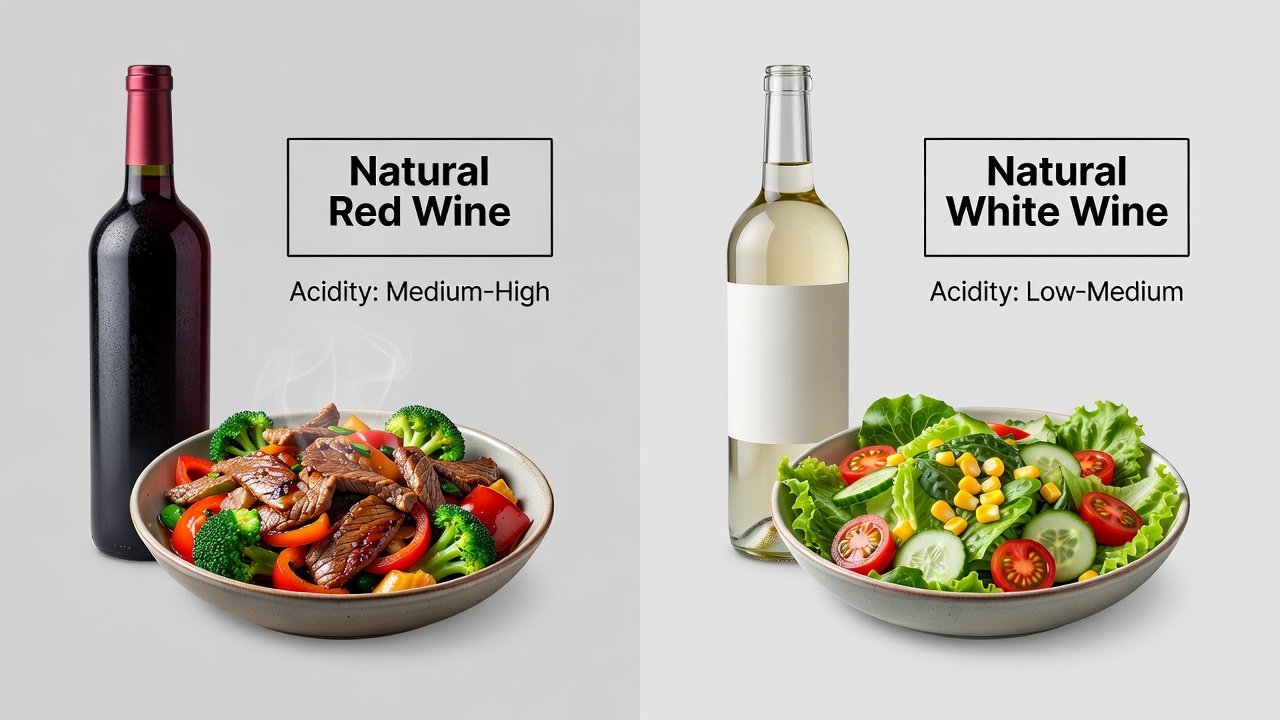
Red vs White Natural Wine Options Comparison
| Wine Type | Best For | Acidity | Tannins | Example Pairing |
|---|---|---|---|---|
| Natural Red | Rich or fatty dishes | Medium to high | Low to medium | Stir-fry with Gamay |
| Natural White | Light or acidic meals | High | None | Pasta with Pinot Grigio |
| Natural Rosé | Versatile lighter fare | High | Low | Salads or tacos |
Shopping Tips for 2026 Vintages
When selecting bottles for 2026, prioritize producers using organic grapes from cooler climates to ensure balanced acidity and freshness. Look for labels indicating minimal intervention, such as no added sulfites or biodynamic certifications. Visit local natural wine shops or trusted online retailers to explore small-batch options early in the season. Pay attention to vintage reports for regions like Loire or Piedmont, where natural styles thrive. For deeper guidance on emerging producers, consult sites like Decanter. Always taste a few options at home to match your preferred dinner styles, and store unopened bottles away from heat sources.
Common Mistakes to Avoid in Pairings
One frequent error is ignoring acidity balance, which can make wines taste dull against tomato-heavy dishes. Another is choosing overly tannic reds for spicy foods, leading to a bitter finish. Beginners sometimes overlook serving temperature, serving chilled whites too cold and muting their aromas. To avoid these, always consider the meal's dominant flavors first and experiment with small pours before committing to a full glass.
FAQ on Storage and Serving Temperatures
- How should I store natural wines? Keep bottles in a cool, dark place at consistent 55°F to preserve delicate flavors and prevent premature aging.
- What serving temperature for reds? Chill natural reds slightly to 60-65°F for optimal fruit expression and to soften any tannins.
- Ideal white temperature? Serve natural whites at 45-50°F to maintain vibrancy and highlight citrus or mineral notes.
- Can opened bottles last? Use within 3 days with proper sealing or vacuum pumps to prevent oxidation and maintain quality.
- Should I decant natural wines? Most young natural bottles do not require decanting, but older reds may benefit from 30 minutes of air exposure.
- Are there food safety considerations? Natural wines pair safely with all standard meals, but always check for personal sensitivities to sulfites even in low-intervention styles.
Conclusion
Incorporating natural wines into weeknight routines transforms routine dinners into memorable experiences through thoughtful pairings and simple techniques. By mastering acidity matching, exploring specific bottle recommendations, and following practical shopping advice, home cooks can elevate dishes like pasta and salads with minimal added effort. Experiment with these recommendations to discover personal favorites that suit your palate and schedule, creating enjoyable meals throughout 2026 and beyond.


No comments yet. Be the first!