 Uncorked Conversations
Introduction to Natural Wine Pairings for Winter
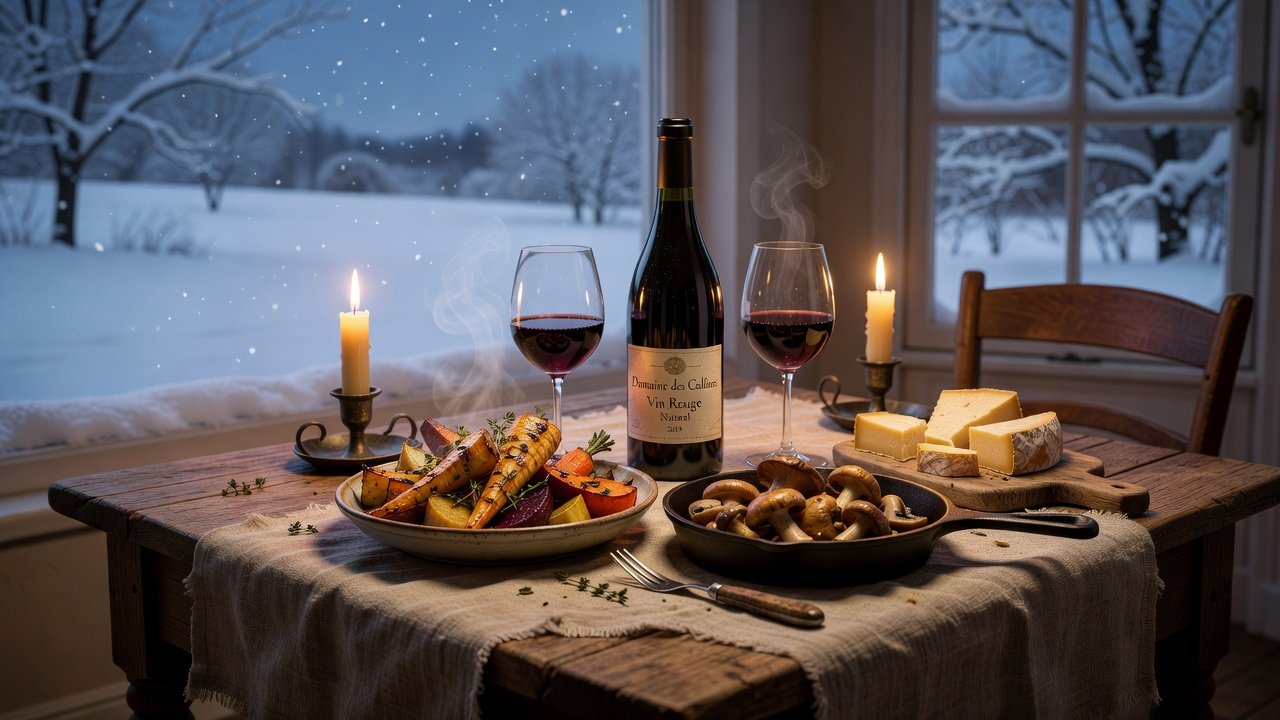
Winter evenings call for comfort foods that warm the soul, and natural wines offer an ideal companion with their vibrant acidity, earthy profiles, and minimal intervention. These low-intervention wines, made with native yeasts and little to no additives, shine when matched thoughtfully with seasonal ingredients. This guide focuses on accessible pairings for home cooks, emphasizing techniques to balance tannins and acidity with dishes such as root vegetable stews, roasted mushrooms, and aged cheeses. As the days shorten and temperatures fall, many enthusiasts seek ways to elevate simple home-cooked meals without complicated preparations or expensive equipment.
Unlike conventional wines, natural options often feature brighter fruit and subtle funk that cut through richness without overwhelming delicate flavors. Home enthusiasts can apply professional principles in their own kitchens by starting with quality ingredients and understanding how wine components interact with food textures and temperatures. Over the following sections we will break down proven methods, provide concrete bottle suggestions, and address common questions about storage and service so your winter gatherings feel both relaxed and refined.
Sommelier Techniques for Matching Low-Intervention Wines
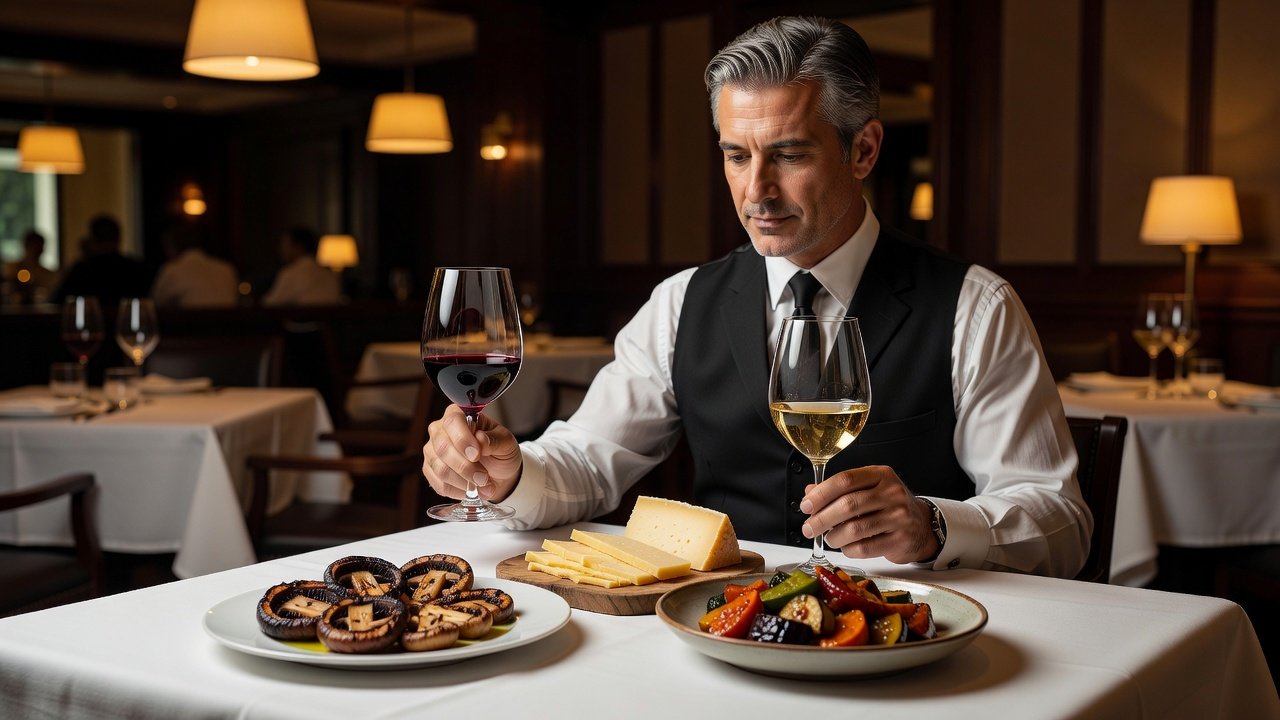
Professional sommeliers adjust pairings by assessing wine structure against food components. Start by evaluating the wine's acidity, which should match or exceed the dish's richness to cleanse the palate. For tannic reds, opt for foods with slight bitterness or fat to soften edges. Consider the weight of both the wine and the plate: a light-bodied natural white pairs best with delicate mushroom broths while fuller orange wines stand up to cheese boards.
Acidity and Tannin Adjustments for Comfort Foods
Comfort foods like stews often feature high umami and fat. Increase perceived acidity by choosing chilled natural whites or light reds. Reduce tannin perception with creamy elements such as cheese rinds. Step-by-step method: first taste the wine alone to note its core flavors; next sample a small bite of the prepared dish; then observe how the two interact in the mouth; finally adjust by adding a squeeze of lemon or selecting a higher-acid bottle if the wine feels flat. These adjustments ensure harmony and prevent wines from tasting muted against heavy winter meals.
Practical Step-by-Step Pairing Methods for Home Use
Begin by preparing your main dish and allowing it to rest so flavors settle. Open the wine thirty minutes ahead to let it breathe if it is a red. Serve small portions of both to test compatibility before committing to full servings. Keep notes on what works so future evenings become easier. Experiment with temperature: slightly chilling a red can make it more refreshing alongside roasted vegetables. These repeatable steps help beginners build confidence quickly.
Five Specific Bottle Recommendations with Food Examples
Selecting bottles from small producers ensures authenticity and supports sustainable practices. Each recommendation below includes tasting notes and precise food matches that highlight winter produce.
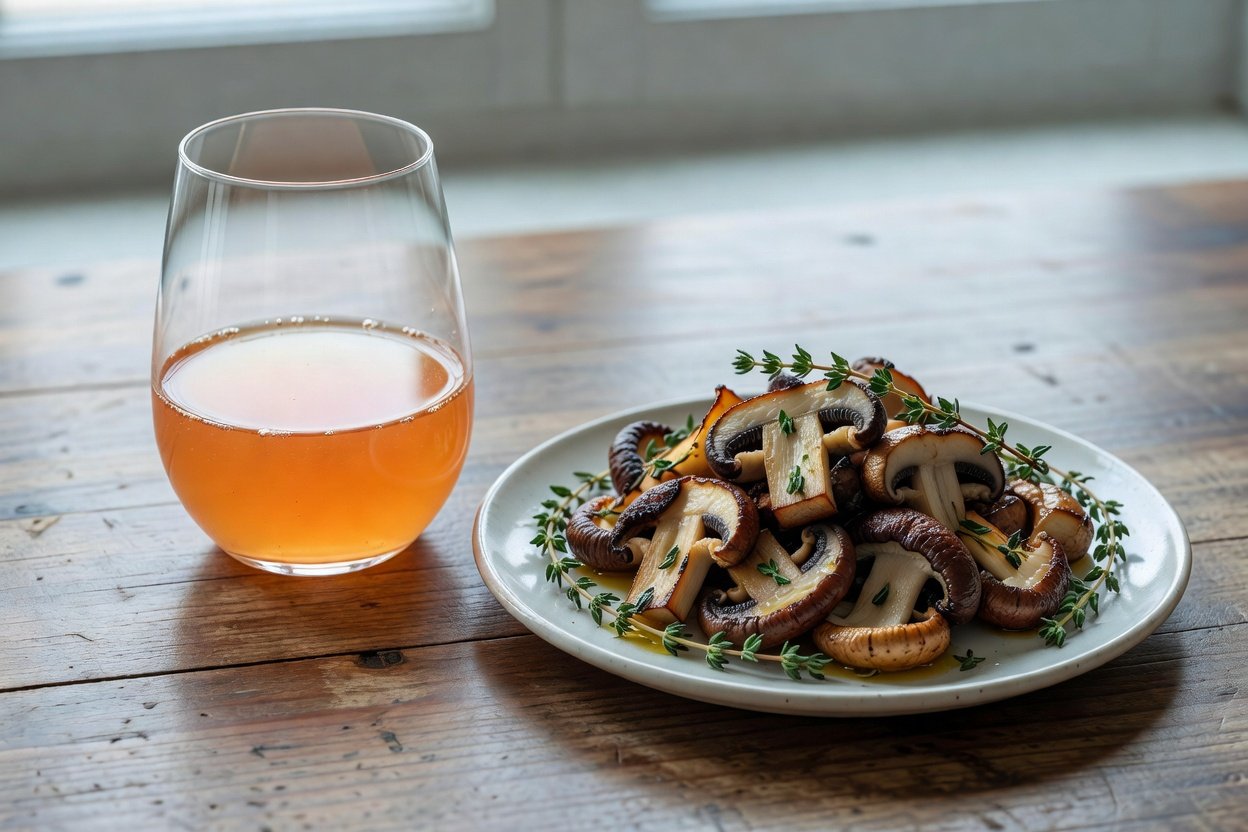
- Chateau de Béru Chablis 1er Cru - This mineral-driven white offers notes of green apple and wet stone. Pair it with roasted mushrooms finished with thyme and a touch of garlic; the wine's bright acidity lifts the earthiness while its texture complements the dish's slight chew.
- Occhipinti SP68 Bianco - A skin-contact wine showing citrus peel and herbal character. It matches root vegetable stew through lively acidity that cuts through sweetness from carrots and parsnips, creating a balanced bite every time.
- Frank Cornelissen Munjebel Rosso - Volcanic minerality and soft tannins make this red ideal with aged cheddar or gouda; the wine's subtle funk echoes the cheese's complexity without dominating.
- Brooks Riesling - The off-dry style provides gentle sweetness that tempers spice in mushroom-based dishes or pairs beautifully with blue cheese drizzled with honey.
- La Garagista Vermont Cider - Natural apple notes and gentle effervescence elevate blue cheese platters or roasted root vegetables finished with sea salt.
Rotate these bottles throughout the season to keep pairings fresh and discover personal preferences.
Comparison of Natural vs Conventional Wines
Natural wines differ markedly from conventional ones in production and taste. Conventional wines may include added sulfites and commercial yeasts for consistency, while natural versions embrace variability and reflect the vintage more directly. In pairings, natural wines often provide more food-friendly acidity but require careful storage to maintain vibrancy. For winter comfort foods, natural options enhance authenticity and bring unexpected layers of flavor, though conventional bottles offer predictability for beginners still learning their palate. The choice ultimately depends on whether you value transparency in winemaking or prefer uniform results across bottles. Learn more at Decanter or explore resources from Wine Magazine.
Common Mistakes to Avoid When Pairing Natural Wines
Many home enthusiasts over-chill whites, muting their aromas, or serve reds too warm, exaggerating alcohol. Another frequent error is ignoring tannin levels when choosing cheese; high-tannin wines can make aged cheeses taste bitter. Always taste components together before serving guests and adjust portions accordingly.
FAQ on Storage and Serving Temperatures
How should natural wines be stored?
Keep bottles in a cool, dark place around 55°F (13°C) with consistent humidity. Avoid fluctuations that can spoil delicate profiles. Lay bottles on their side if they have natural corks to keep them moist.
What are ideal serving temperatures?
Whites at 45-50°F (7-10°C), light reds at 55-60°F (13-16°C). Chill slightly for winter pairings to enhance refreshment and prevent the wine from tasting heavy next to rich foods.
How long can opened bottles last?
Most natural wines remain enjoyable for two to three days when recorked and refrigerated. Whites may last slightly longer than reds due to higher acidity.
Can natural wines be aged?
Some structured examples improve with two to five years of cellaring, but most are best enjoyed within the first few years to preserve their fresh fruit character.
Conclusion
Mastering natural wine pairings transforms winter home cooking into an elevated experience. Experiment with these techniques, bottle suggestions, and serving practices for satisfying results that bring warmth and discovery to every cozy evening.
No comments yet. Be the first!