 Uncorked Conversations
Introduction to Umami Wine Pairings
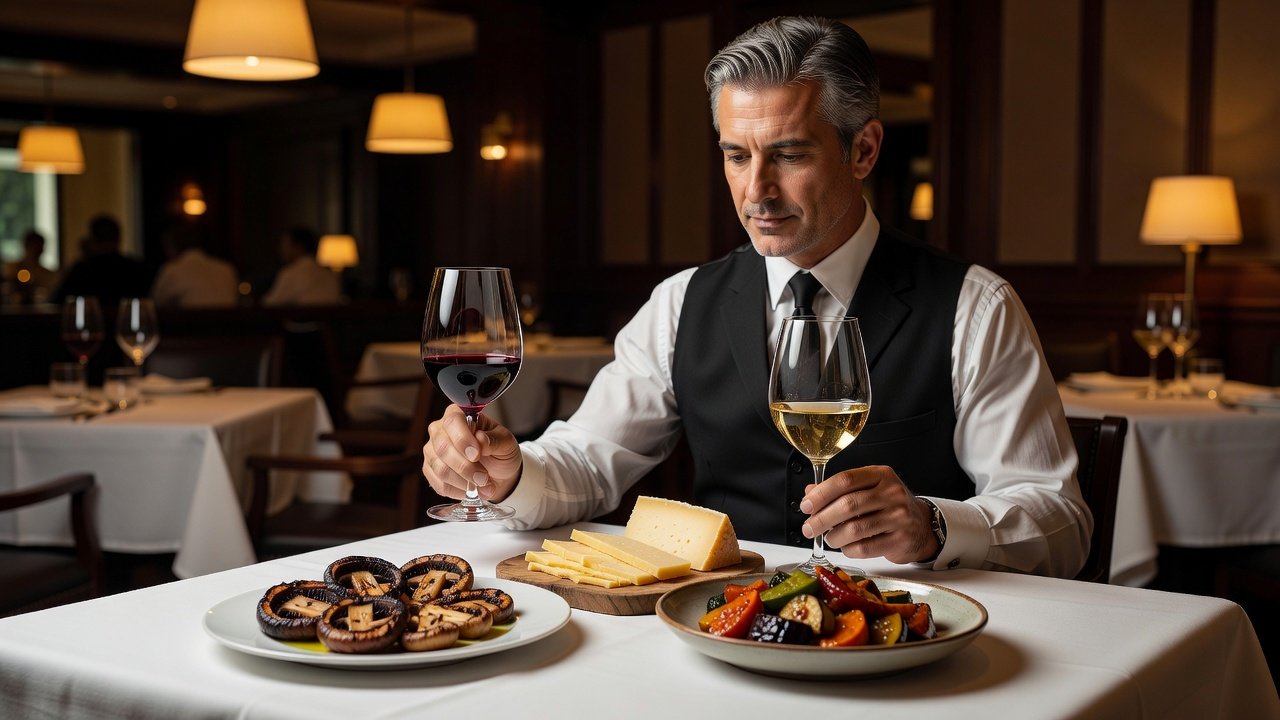
Umami, the savory fifth taste, elevates dishes through ingredients like mushrooms, aged cheeses, miso, and fermented foods. In 2026, sommeliers are moving beyond theory to deliver actionable pairings that balance these flavors in both restaurant and home settings. This guide provides step-by-step matching strategies focused on acidity and tannin balance, complete with side-by-side comparisons, ready-to-use menus, and shopping lists. Readers will find concrete examples drawn from professional kitchens and everyday home cooking, helping them create harmonious experiences that highlight umami without overwhelming the palate.
Core Principles: Acidity and Tannin Balance
Acidity cuts through richness while tannins provide structure against umami intensity. High-acidity whites like Riesling refresh the palate after salty miso, whereas moderate tannins in reds tame aged cheese without overwhelming it. Always taste the food first, then select wine that either mirrors or contrasts the dominant notes. For instance, when acidity is too low, umami can feel heavy and one-dimensional; adding a splash of lemon to a dish or choosing a high-acid wine restores vibrancy. Tannins, on the other hand, bind with proteins in aged cheeses, softening both the wine and the food. Sommeliers recommend starting with lighter expressions and building intensity as the meal progresses.
Pairing Mushrooms Step-by-Step
Start with sautéed or grilled mushrooms. Their earthy depth pairs best with Pinot Noir from Burgundy, whose bright acidity and subtle earthiness echo the fungi. In a restaurant scenario, a chef might serve wild mushroom risotto with a light red; at home, try the same with a domestic Pinot. Avoid heavy Cabernets that can clash with delicate mushroom flavors. Step one: identify the mushroom type—porcini calls for earthier reds while button mushrooms suit crisper whites. Step two: consider preparation method; grilling adds smokiness that benefits from a touch of oak in the wine. Step three: test temperature—serve reds slightly cooler than room temperature to emphasize fruit over tannin. Real-world example: a New York bistro pairs maitake mushrooms with Oregon Pinot Noir, creating a seamless transition from forest floor notes in both food and glass.
Aged Cheeses and Wine Matches
Aged Parmigiano-Reggiano or cheddar benefits from wines with lively acidity or gentle tannins. Try a crisp Vermentino or a medium-bodied Chianti. Side-by-side: Vermentino offers citrus lift to cut fat, while Chianti’s cherry notes complement nuttiness. Restaurant example: A cheese board at an Italian spot often features both options for guests to compare. Expand your options with aged Gouda, which loves a touch of sweetness from demi-sec sparkling wine, or blue cheese that shines alongside Sauternes-style dessert wines. Home cooks can create tasting flights using small pours, noting how each wine evolves over five minutes in the glass.
Miso and Fermented Ingredients
Miso soup or fermented vegetables demand wines that refresh rather than compete. Off-dry Riesling or sparkling wines excel here. Their residual sugar balances salt while bubbles cleanse the palate. Home scenario: Pair miso-glazed eggplant with sparkling rosé for an easy weeknight dinner. Fermented items like kimchi or sauerkraut introduce lactic notes that pair beautifully with skin-contact whites or light reds from cooler climates. Professional kitchens often use these pairings in tasting menus to reset the palate between richer courses.
Side-by-Side Wine Comparisons
- Mushrooms + Pinot Noir vs. Syrah: Pinot wins for subtlety; Syrah adds spice but risks overpowering delicate varieties like enoki.
- Aged cheese + Vermentino vs. Sauvignon Blanc: Vermentino provides better body match and herbal nuance that echoes cheese rind.
- Miso + Riesling vs. Grüner Veltliner: Riesling’s slight sweetness is ideal for fermented depth, while Grüner offers peppery refreshment for vegetable-forward dishes.
- Fermented pickles + sparkling wine vs. dry rosé: Sparkling provides superior cleansing bubbles; rosé adds berry brightness that can complement beet ferments.
Shopping Lists for Home Pairings
Basic list: One bottle each of Pinot Noir, Riesling, Vermentino, and a sparkling option; fresh mushrooms, aged cheddar, white miso, and fermented pickles. Upgrade with a skin-contact orange wine for experimental pairings. Source ingredients from local markets for peak freshness. Additional items include neutral crackers for cheese boards, fresh herbs to brighten miso dishes, and a variety of mushroom types to explore texture differences. Keep a notebook to record successful combinations for future reference.
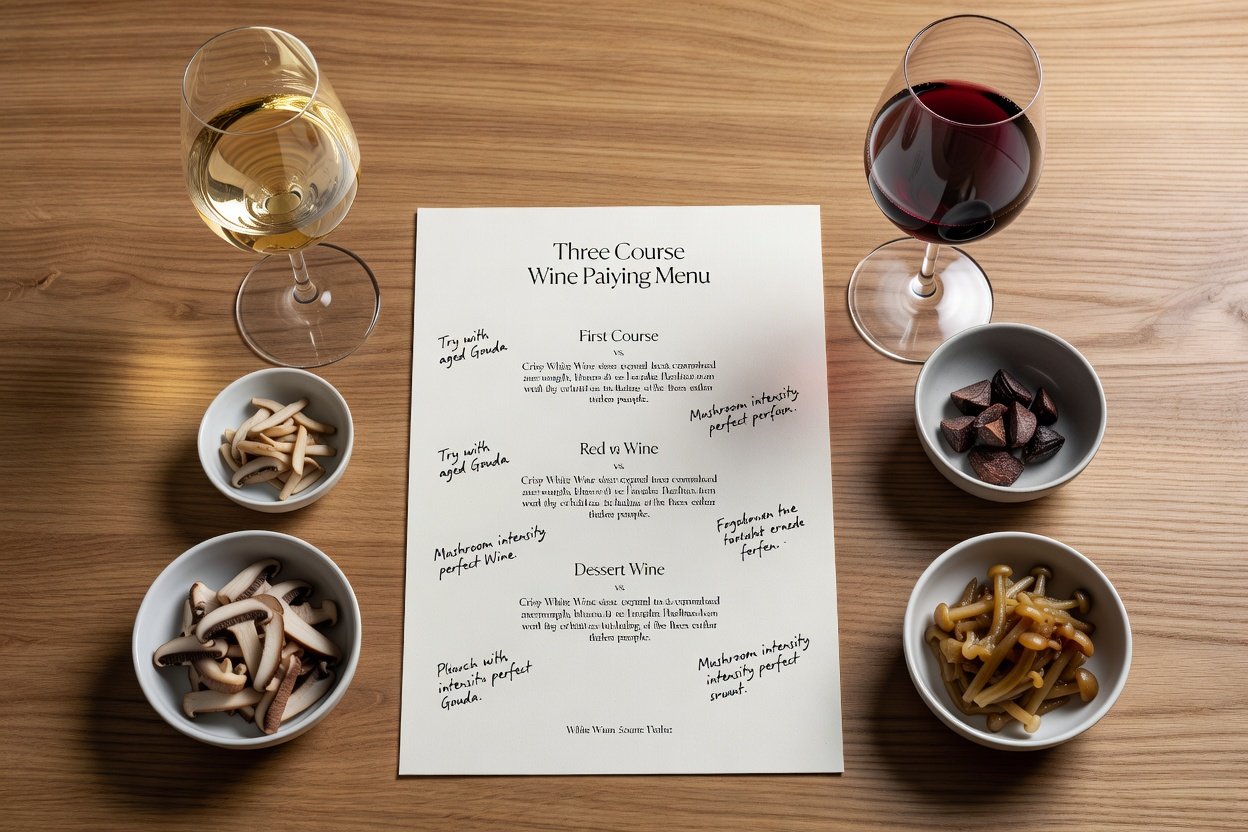
Three Ready-to-Try Menus
Menu 1: Restaurant-Inspired Mushroom Feast
Starter: Grilled portobellos with Pinot Noir. Main: Mushroom risotto with the same wine. Dessert: Mushroom chocolate truffles paired with a light red dessert wine. Each course builds on earthy themes while acidity prevents palate fatigue.
Menu 2: Home Cheese and Ferment Board
Selection of aged cheeses, miso dip, and pickles served with Vermentino and Riesling flights. Guests taste and discuss balance. Include a printed card explaining why each pairing works to turn the evening into an interactive learning experience.
Menu 3: Full Umami Dinner
Miso soup, fermented vegetable salad, aged cheese plate, and mushroom main—all unified by a sparkling wine opener and red closer. This progression demonstrates how acidity resets the palate and tannins provide satisfying structure across multiple courses.
Practical Techniques for Tannin and Acidity Management
Decant tannic wines 30 minutes before serving to soften edges when pairing with rich aged cheeses. For high-acidity needs, chill whites to 45–50°F to preserve freshness. In restaurant settings, sommeliers often suggest half pours so diners can compare two wines side by side without overconsumption. At home, use smaller glasses to control portions while still experiencing full aroma development.
Expanded FAQ: Common Pairing Mistakes and Fixes
- Mistake: Choosing overly tannic reds for miso. Fix: Switch to high-acidity whites or off-dry styles that balance salt without drying the mouth.
- Mistake: Ignoring temperature. Fix: Serve reds at 60°F for optimal tannin expression and whites between 45–55°F to maintain aromatic lift.
- Mistake: Overlooking salt levels. Fix: Taste food first and adjust wine sweetness accordingly, opting for residual sugar when dishes are heavily seasoned.
- Mistake: Pairing sweet wines with savory umami throughout the meal. Fix: Reserve sweeter styles for dessert courses only.
- Mistake: Using the same wine for all courses. Fix: Change wines between courses to match evolving flavor intensity.
Conclusion
These real-world strategies turn umami challenges into seamless pairings. Experiment with the menus and lists provided to refine your own approach, whether at a restaurant or in your kitchen. For deeper wine education, explore resources from Decanter, Wine Folly, and Wine Institute. Consistent practice will build confidence in creating memorable, balanced experiences every time.
No comments yet. Be the first!