 Uncorked Conversations
Introduction to Sommelier Pairings for Busy Nights
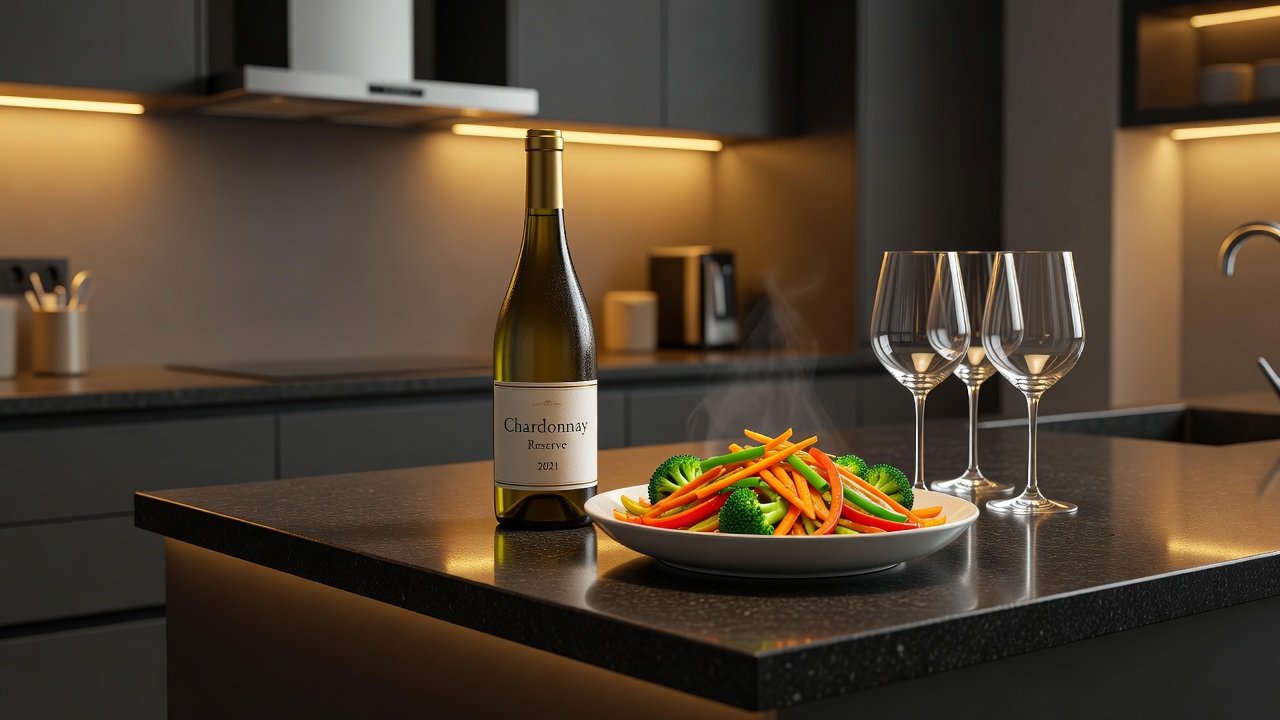
Weeknight dinners often mean quick preparations like stir-fries, sheet-pan meals, and one-pot dishes, yet they deserve thoughtful food wine pairing. Sommelier pairings focus on balancing acidity, body, and flavor bridges to elevate everyday plates without extra effort. This guide delivers practical techniques to match wines that complement these fast recipes, helping home cooks create restaurant-quality experiences at the table. Whether you are dealing with leftover vegetables or simple proteins, understanding these principles transforms rushed meals into balanced, enjoyable dinners that satisfy both palate and schedule.
Core Principles of Sommelier Pairings
Successful sommelier pairings start with three pillars: acidity to cut through richness, body to match the dish's weight, and flavor bridges that echo shared notes like herbs or spice. For weeknight meals, prioritize versatile bottles that handle bold flavors from quick cooking methods. Acidity acts as a palate cleanser, preventing heavy sauces from overwhelming the senses. Body refers to the wine's mouthfeel, ranging from light and crisp to full and velvety, and must align with the texture of proteins and vegetables. Flavor bridges connect ingredients directly, such as pairing herbal wines with fresh basil or citrus notes with lemon zest. These elements work together to create harmony rather than competition on the plate. For deeper insight into wine fundamentals, explore resources from the Wine Institute.
Acidity in Food Wine Pairing
High-acidity wines refresh the palate after salty or fatty bites common in stir-fries. Whites like Sauvignon Blanc or light reds with bright profiles work well here, cutting through oils while enhancing vegetable brightness.
Body and Texture Matching
Match wine body to protein density. Light-bodied options suit delicate vegetables, while medium-bodied wines stand up to hearty sheet-pan proteins without dominating milder components.
Building Flavor Bridges
Identify overlapping aromas such as stone fruit in both dish and wine or earthy undertones in mushrooms and certain reds to create seamless connections that feel intentional.
Pairing Stir-Fries with Confidence
Stir-fries feature intense umami from soy, ginger, and quick-seared vegetables or proteins. Choose aromatic whites or light reds to bridge flavors. A crisp Riesling cuts through sauce while highlighting vegetable sweetness. For chicken or tofu versions, a Pinot Noir adds subtle earthiness without overpowering. Consider the heat level too: spicy versions benefit from slightly sweet wines that temper chili while preserving ginger vibrancy. Experiment by tasting a sip alongside a forkful to adjust ratios for perfect balance every time.
Sheet-Pan Dinners and Balanced Options
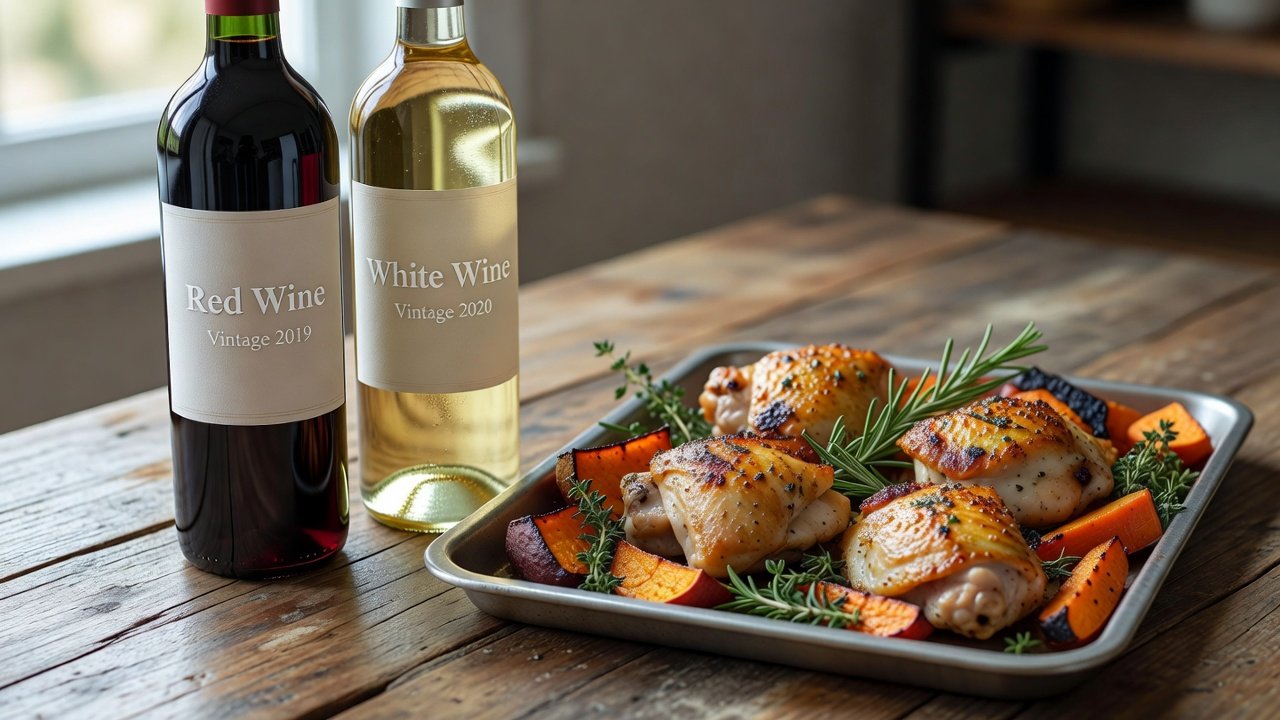
Sheet-pan meals roast everything together, creating caramelized edges that pair beautifully with wines showing similar roasted notes. Try a Chardonnay with subtle oak for salmon or root vegetables. Chicken thighs benefit from a Gamay that echoes savory herbs. These one-pan wonders often include mixed textures, so select wines versatile enough to handle both crisp edges and tender centers. Rosemary or thyme in the recipe suggests wines with herbal layers for natural synergy.
One-Pot Dishes Made Elegant
One-pot recipes often simmer flavors into rich broths or sauces. Medium-bodied whites like Chenin Blanc handle creamy elements, while reds like Merlot complement beef or mushroom bases through shared earthy tones. The unified cooking process concentrates flavors, calling for wines that can stand up to layered complexity without needing multiple pours. Simmered tomatoes or peppers suggest bright acidity in the wine to mirror those developed tastes.
Vegetarian Protein Swaps and Adjustments
Replace meat with tofu, tempeh, or lentils and adjust pairings accordingly. Lighter whites maintain balance when swapping heavier proteins. Flavor bridges like citrus notes in wine can mimic lemon zest used in vegetarian stir-fries. Lentils add earthiness that pairs nicely with subtle reds, while tofu absorbs surrounding sauces, making aromatic whites ideal for highlighting those infusions. Always taste the finished dish first to confirm the dominant profile before selecting the bottle.
Red Versus White: Comparison Chart
| Aspect | Red Wine Options | White Wine Options |
|---|---|---|
| Acidity Level | Medium to low; suits roasted meats | High; refreshes vegetable-heavy dishes |
| Body Match | Medium for hearty proteins | Light to medium for quick-cooked meals |
| Flavor Bridges | Earthy notes with mushrooms or beef | Citrus and herb echoes in stir-fries |
| Best For | Sheet-pan chicken or one-pot stews | Vegetarian stir-fries and seafood |
| Common Varietals | Pinot Noir, Gamay, Merlot | Sauvignon Blanc, Riesling, Chardonnay |
This chart highlights how reds and whites serve distinct roles, allowing flexibility based on the meal's main components and cooking style.
Step-by-Step Matching Examples
- Identify dominant flavors in your dish, such as ginger in a stir-fry or caramelized onions on a sheet pan.
- Select acidity level to cleanse the palate, aiming for high acidity with rich or oily elements.
- Choose body that mirrors texture, opting for light wines with delicate ingredients and fuller ones with roasted items.
- Test flavor bridge with a small sip and bite, confirming shared notes like herb or fruit.
- Adjust for dietary swaps by lightening the wine choice when using plant-based proteins.
- Consider temperature: serve whites chilled and reds slightly cool to enhance refreshment on busy evenings.
Applying these steps to a ginger beef stir-fry might lead to a Riesling, while a vegetarian sheet-pan with eggplant could call for a medium-bodied white.
Recommended Varietals for Everyday Use
Focus on approachable styles such as Sauvignon Blanc, Pinot Grigio, and light reds like Beaujolais. These handle multiple weeknight formats while remaining versatile across dietary needs. For additional guidance on varietal characteristics, consult publications like Decanter. Rotating between two or three favorites prevents repetition and builds confidence in pairing decisions over time.
Common Mistakes Addressed in FAQ
What if the wine feels too heavy?
Switch to a higher-acidity alternative to restore balance and prevent the meal from feeling weighed down.
How do I pair spicy stir-fries?
Opt for off-dry whites that tame heat without clashing, allowing spice to shine rather than overwhelm.
Can reds work with vegetarian meals?
Yes, choose fruit-forward lighter reds to avoid tannin overload while still providing depth.
Should temperature be considered?
Always serve whites well chilled and reds at cool room temperature to maximize their refreshing qualities.
What about leftovers?
Reheat gently and pair with the same wine style used originally to maintain consistency in flavor bridges.
Conclusion
Applying sommelier pairings transforms quick weeknight dinners into memorable experiences. By focusing on acidity, body, and flavor bridges, you create seamless food wine pairing every time. Experiment with the examples above to refine your own sommelier pairings, and revisit trusted sources such as Wine Magazine for ongoing inspiration. With practice, these techniques become second nature, turning routine meals into opportunities for enjoyment and discovery.

No comments yet. Be the first!