 Uncorked Conversations
Introduction to Sommelier-Level Tapas Pairings
Spanish tapas deliver a vibrant mix of textures and flavors that challenge even experienced wine enthusiasts. In 2026, sommeliers continue to refine pairings by focusing on acidity to cut through fats and tannins to balance salts and spices. This expanded guide dives deep into practical techniques for two standout small plates: the creamy tortilla española and the robust chorizo al vino. Readers will learn precise matching strategies using Albariño for bright refreshment, Tempranillo for structural depth, and Cava for effervescent cleansing. These methods go beyond basic suggestions to include chemical rationale, tasting sequences, and real-world adjustments for home or professional settings.
Core Principles: Acidity and Tannin Matching Explained
Acidity acts as a palate cleanser by neutralizing rich elements like egg yolks or rendered fat, preventing dishes from feeling heavy. Tannins, found in red wines, bind to proteins and salts, softening their intensity while amplifying savory notes. For fried or smoky tapas, aim for wines with at least 5.5 grams per liter of acidity. Albariño typically delivers crisp apple and citrus profiles that contrast potato-based dishes. Tempranillo offers moderate tannins with red fruit that harmonize with cured meats. Cava introduces bubbles that physically lift oils from the tongue. Understanding these interactions allows sommeliers to create dynamic back-and-forth experiences rather than static matches.
Regional Context for 2026 Pairings
Spain’s diverse terroirs influence these wines significantly. Rías Baixas produces Albariño with pronounced minerality due to granite soils. Rioja and Ribera del Duero yield Tempranillo with varying oak influence. Cava from Penedès benefits from traditional method sparkling production that ensures fine bubbles. In 2026, climate shifts have led to slightly riper fruit profiles, making earlier harvesting a key consideration for balance.
Pairing Tortilla Española in Detail
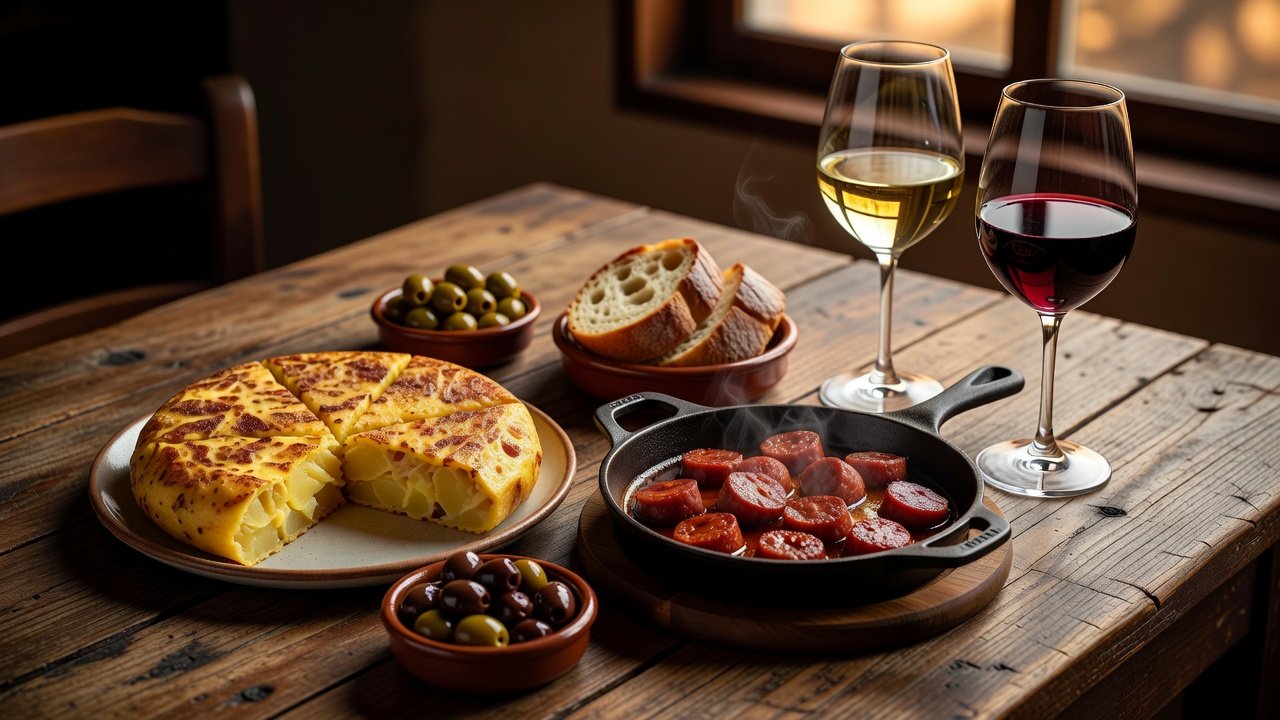
The tortilla española combines tender potatoes, onions, and eggs into a dense, comforting wedge. Its creamy interior and golden crust require wines that refresh without overwhelming the subtle flavors. Albariño shines here because its high acidity slices through the egg fats while its stone fruit notes echo the caramelized onions. Practical example: Prepare a classic version with extra virgin olive oil and pair it with a young Albariño from the 2024 harvest. Step one involves chilling the bottle to 7-9°C. Step two requires cutting a small portion and noting the dish’s moisture level. Step three is taking a sip immediately after the bite to experience the acidity lift. Variations include adding chorizo bits or spinach, which may call for a touch more Cava to handle increased salt.
Pairing Chorizo al Vino with Precision
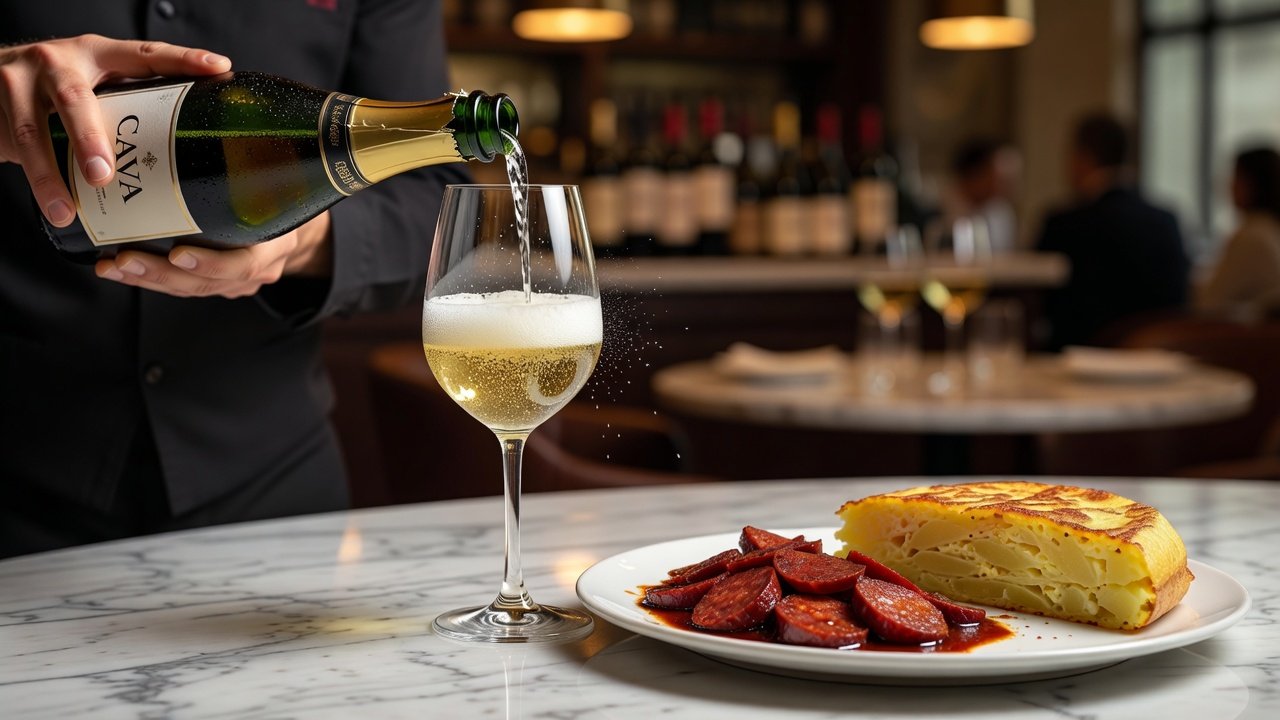
Chorizo al vino simmers spicy sausage in red wine, creating layers of smoke, paprika heat, and rich pork. Tempranillo counters the fat with firm tannins that bind to the proteins. A concrete workflow starts by selecting a medium-bodied bottle. Serve at 15-17°C to preserve fruit while allowing tannins to integrate. Begin with a plain slice of chorizo, followed by a sip that lets the wine’s cherry and leather tones mingle with the spice. Finish with crusty bread to reset the palate. For lighter preparations using white wine reduction, switch to Cava, whose bubbles disperse the oils effectively. Example pairing sequence: Taste the sausage alone, introduce the wine, then add a side of roasted peppers to test how the combination evolves.
Comprehensive Step-by-Step Pairing Workflow
- Evaluate the tapas components: identify dominant salt, fat, smoke, or acid levels on a scale of 1-10.
- Select wine style based on primary need—high acidity for fat, moderate tannins for salt, bubbles for richness.
- Prepare controlled portions of both food and wine at correct temperatures.
- Execute sequential tasting: bite, chew lightly, sip, note the transition, and repeat with adjustments.
- Document results including vintage, producer, and any modifications like adding herbs or changing cooking oils.
- Iterate for group settings by preparing backup bottles and pre-testing combinations 30 minutes prior.
Red Versus White Options Comparison Table and Analysis
| Tapas Dish | White Option Details | Red Option Details | Best Occasion |
|---|---|---|---|
| Tortilla Española | Albariño – crisp acidity counters creaminess; mineral finish cleanses | Light Tempranillo – gentle tannins support without overpowering eggs | Brunch gatherings or casual lunches |
| Chorizo al Vino | Cava – effervescence refreshes palate between spicy bites | Tempranillo – structured body matches paprika depth | Dinner parties or tapas crawls |
| Hybrid Variations | Albariño-Cava blend – versatile for mixed plates | Tempranillo with Cava finish – layered experience | Large group events |
This table highlights how switching between white and red changes the dynamic. Whites prioritize refreshment while reds build complexity.
Common Mistakes to Avoid with Expanded Examples
- Over-chilling whites below 6°C, which dulls aromatics and masks fruit—always use a thermometer for precision.
- Selecting heavily oaked Tempranillo that clashes with delicate smoke; opt for unoaked or lightly oaked styles instead.
- Ignoring portion scaling, leading to flavor fatigue in groups of six or more.
- Skipping temperature verification, resulting in muted tannins or flat bubbles.
- Pairing overly sweet wines with savory tapas, creating cloying aftertastes.
FAQ: Scaling Pairings for Groups and Advanced Tips
How do I adapt for 8–10 guests without losing quality? Multiply recipes proportionally but prepare separate wine flights. Test two bottles of each varietal in advance and use decanters for reds to speed aeration.
Can one wine work across multiple dishes? Versatile Cava often bridges varied flavors successfully due to its neutral fruit and cleansing bubbles, making it ideal for mixed platters.
What if guests prefer sweeter styles? Choose off-dry Albariño expressions that retain enough acidity to handle spice without clashing.
How to source reliable bottles in 2026? Focus on established regions and check recent vintage reports from trusted importers. Look for wines with consistent importer notes on acidity and tannin levels.
Additional Considerations for 2026 Readers
Seasonal shifts may influence wine ripeness, so always taste before finalizing menus. Incorporate local market finds like fresh herbs or alternative oils to evolve classic recipes. For those hosting frequent events, maintain a simple log of successful combinations to refine future pairings efficiently.
Conclusion
These detailed techniques transform tapas service into a professional-level experience. Apply the workflows, tables, and expanded advice to create balanced, memorable combinations every time. For further exploration of Spanish wines, visit Wines from Spain, official Cava resources, and Rioja Wine.
No comments yet. Be the first!