 Uncorked Conversations
Mastering Spanish Wine and Tapas Pairings in 2026
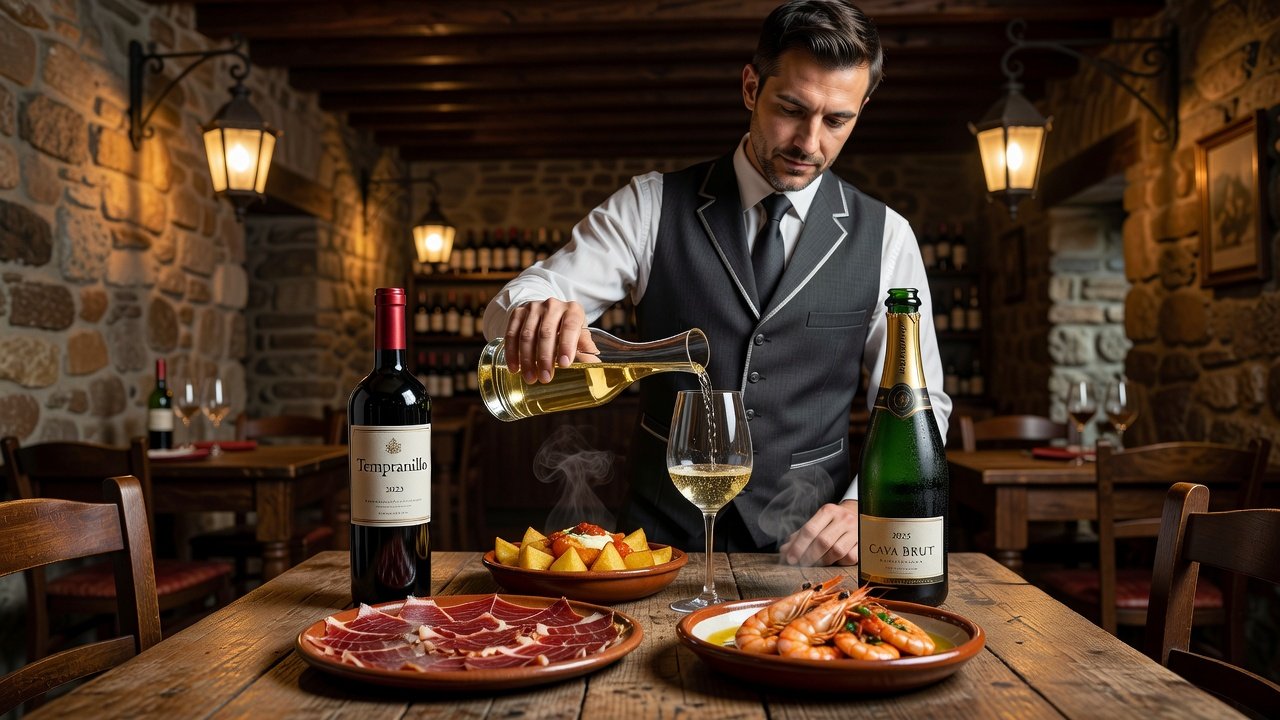
Spanish tapas represent one of the most vibrant culinary traditions in the world, blending bold flavors from cured meats to spicy potatoes and garlicky seafood. In 2026, sommeliers are shifting focus toward precise regional wine comparisons rather than broad suggestions. This approach highlights how acidity and tannin levels in wines like Albariño, Tempranillo, and Cava create perfect harmony with specific tapas such as jamón ibérico, patatas bravas, and gambas al ajillo. Understanding these elements allows hosts to elevate casual gatherings into sophisticated tasting experiences that reflect Spain's diverse terroirs.
The key lies in balancing the wine's structure with the food's intensity. High-acidity wines refresh the palate after rich bites, while moderate tannins tame fatty proteins without overwhelming delicate seafood. This guide draws from real sommelier practices to provide actionable insights, including flavor breakdowns, a structured matching process, and tips tailored to 2026 vintages.
Acidity and Tannin Fundamentals for Tapas Pairings
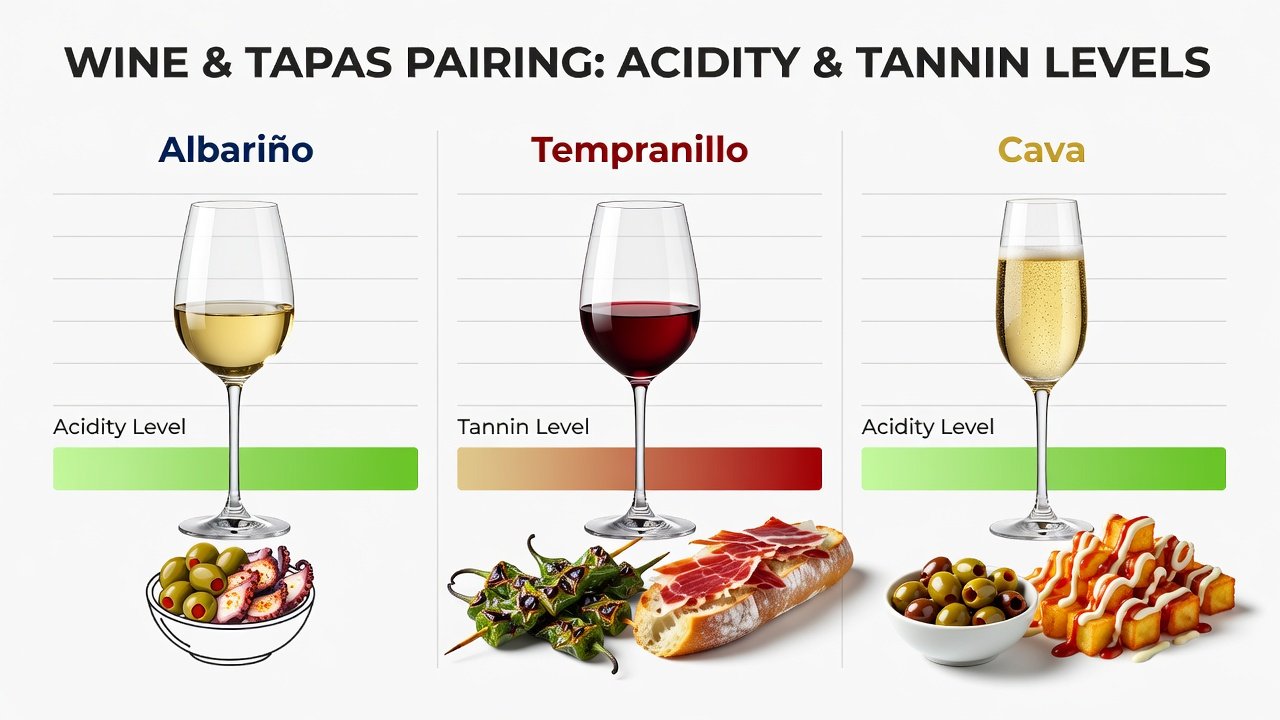
Acidity acts as a natural cleanser, cutting through oils and spices that dominate many tapas dishes. In contrast, tannins provide grip and structure, particularly useful for balancing the silky fat in cured hams. Albariño, grown in the cooler Atlantic-influenced vineyards of Rías Baixas, typically exhibits vibrant acidity that pairs seamlessly with briny seafood. Tempranillo from inland areas like Rioja develops firmer tannins due to longer skin contact during fermentation, making it ideal for robust meats. Cava, produced via traditional method in regions such as Penedès, combines lively acidity with subtle effervescence that lifts spicy or fried elements.
Regional climate plays a major role. Coastal zones preserve higher acidity through slower ripening, while continental climates soften tannins over extended hang time. Sommeliers often note that mismatched acidity can make a dish taste flat, whereas proper tannin integration enhances mouthfeel. For 2026, vintages are expected to show consistent balance thanks to stable growing conditions across Spain.
Detailed Profiles of Key Spanish Wines
Albariño delivers notes of lemon zest, green apple, and a distinctive saline minerality that echoes its proximity to the sea. This grape thrives in Galicia, where granitic soils contribute to its crisp character. Tempranillo, Spain's flagship red, offers layers of red cherry, dried herbs, leather, and subtle oak spice when aged in barrel. Its versatility spans young and reserva styles from Rioja and Ribera del Duero. Cava stands out for its apple, pear, brioche, and chalky mineral profile, with the best examples coming from the limestone-rich soils of Catalonia. These profiles shift slightly by producer and vintage, but the core structures remain reliable anchors for pairing decisions.
Flavor Profile Comparisons and Real-World Matches
Jamón ibérico's intense nutty fat and subtle sweetness demand a wine with enough tannic backbone to cleanse without clashing. Tempranillo excels here, its cherry notes complementing the ham's depth. Patatas bravas feature crispy potatoes in a smoky, spicy tomato sauce that calls for Cava's bubbles to refresh the palate and tame heat. Gambas al ajillo, with its pungent garlic and chili kick, benefits from Albariño's high acidity that cuts through the oil and amplifies the shellfish flavor.
One sommelier anecdote involves a Madrid tasting where an overly oaky Tempranillo overwhelmed delicate gambas until swapped for Albariño, transforming the pairing into a standout success. Another example from Barcelona highlights how young Cava revived a heavy patatas bravas plate during a late-night session. These stories underscore the importance of testing acidity first.
Step-by-Step Matching Process
- Start by identifying the primary flavor driver in the tapas: fat content, spice level, or aromatic intensity like garlic.
- Evaluate the wine's acidity against the food's richness—higher acidity for oily or fried items.
- Assess tannin structure for protein-heavy dishes, ensuring the wine refreshes rather than coats the mouth.
- Consider regional synergy, such as pairing Galician wines with Atlantic seafood tapas.
- Factor in 2026 vintage specifics like ripeness and balance by reviewing producer notes.
- Test the pairing in small sips and bites, adjusting if the wine feels flat or the food dominates.
- Finalize with temperature considerations, serving whites and sparkling chilled and reds at cellar temperature.
Practical Regional Examples Across Spain
Galicia's Rías Baixas region produces Albariño that mirrors the briny character of gambas al ajillo, creating a seamless ocean-to-table experience. In Rioja, Tempranillo's earthy tannins elevate jamón ibérico from simple cured meat to a refined pairing. Catalonia's Cava, with its effervescent lift, counters the paprika heat in patatas bravas perfectly. Further south in Andalusia, lighter styles of these wines adapt to local variations like adding herbs or different spice levels. These examples demonstrate how Spain's geography influences both wine and food traditions, leading to intuitive matches that feel native rather than forced.
Shopping Tips for 2026 Vintages
When selecting bottles, prioritize producers who highlight vintage-specific acidity and tannin notes on their labels. Explore DO-certified options from trusted sources to ensure authenticity. Look for sustainable or organic certifications that often correlate with expressive fruit in recent harvests. For home collections, mix entry-level and aged expressions to cover different tapas intensities. Resources like Rioja Wine and Wines from Spain provide updated vintage reports that help narrow choices. Checking DO Cava ensures sparkling selections meet quality standards for 2026 releases.
Common Pairing Mistakes: Expanded FAQ
Why does my Albariño taste flat with jamón ibérico?
The high fat content requires more tannic structure; switch to a young Tempranillo to restore balance.
Can Cava work with every tapas variety?
Its versatility is strong, but overly sweet styles clash with garlic-heavy gambas—always opt for brut or extra brut versions.
How do 2026 vintages compare to previous years?
Expect balanced ripeness from favorable weather, enhancing natural acidity without excessive alcohol across major regions.
What if tannins feel too aggressive with patatas bravas?
Choose lighter Cava instead, as its bubbles soften spice perception more effectively than red wine tannins.
Is regional matching always necessary?
Not strictly, but it often yields the most harmonious results by aligning shared terroir elements like salinity or earthiness.
How should temperature affect these pairings?
Serve Albariño and Cava between 8-10°C to preserve acidity, while Tempranillo benefits from 16-18°C to express tannins fully.
Conclusion
Applying detailed acidity and tannin analysis to Spanish wine and tapas pairings creates memorable, balanced experiences. By exploring regional differences and following a structured process, enthusiasts can confidently select 2026 vintages that enhance every dish. Experiment with these recommendations to discover personal favorites that bring authentic Spanish flavors to life.
No comments yet. Be the first!