 Uncorked Conversations
Unexpected Sommelier Wine Pairings for Trail Mix and Energy Bites
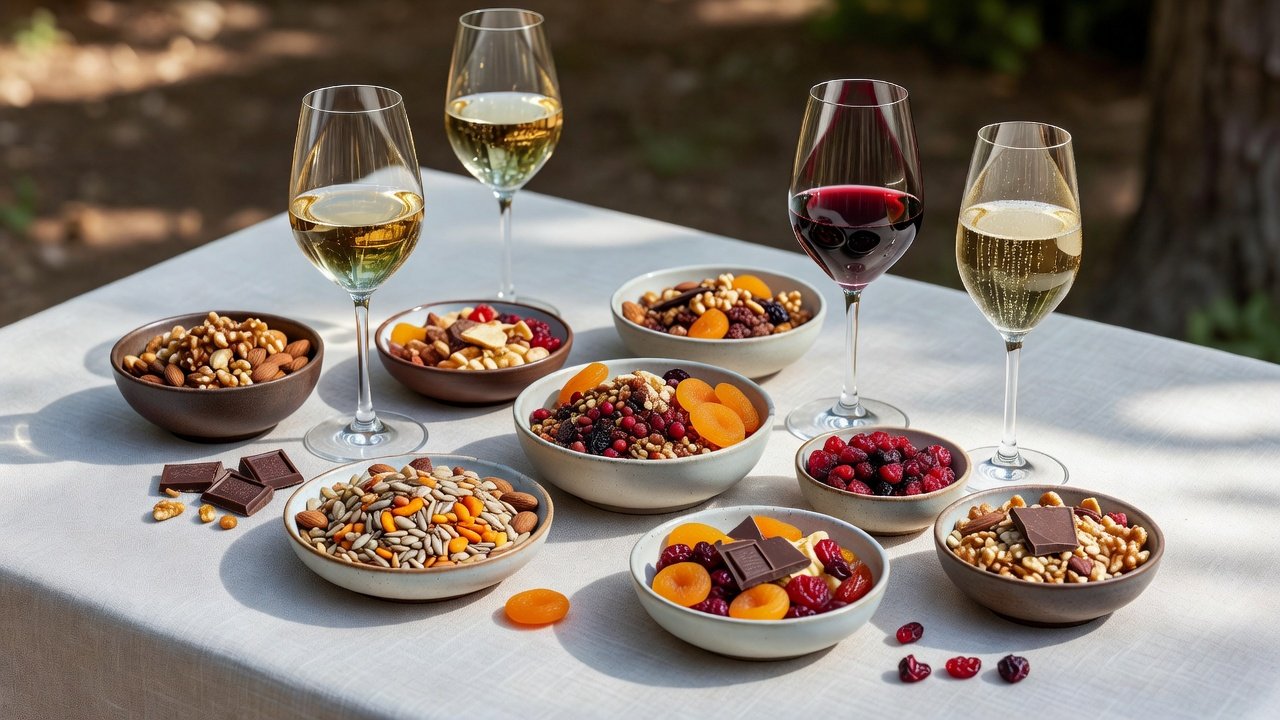
Trail mix and energy bites deliver a satisfying mix of salty nuts, crunchy seeds, sweet dried fruits, and rich dark chocolate. These everyday snacks deserve thoughtful wine pairings that balance their textures and flavors beyond typical cheese boards. In 2026, sommeliers are highlighting Riesling, Pinot Noir, and sparkling wines for their acidity and tannins that cut through saltiness while enhancing sweetness and crunch. These combinations turn simple, healthy snacks into refined tasting experiences suitable for daily enjoyment or special occasions. By matching the right wine to specific snack ingredients, you create layers of flavor that highlight both the food and the drink in equal measure.
Modern trail mixes often include unexpected additions like coconut flakes or chili-spiced nuts, while energy bites incorporate superfoods such as chia or matcha. Understanding these nuances allows for more precise pairings that avoid common clashes between sweetness and acidity. This approach brings professional-level insight to accessible snacks that many people already keep on hand.
Flavor Profiles in Popular Trail Mixes and Energy Bites
Classic trail mixes combine almonds, cashews, pumpkin seeds, cranberries, raisins, and dark chocolate chips. Energy bites often feature oats, peanut butter, flaxseeds, dates, and cocoa. The saltiness from nuts demands wines with bright acidity, while sweetness from fruits calls for off-dry styles. Crunch requires wines with structure, and chocolate pairs best with wines that offer complementary tannins or bubbles. Additional elements like coconut introduce tropical notes that pair well with aromatic whites, and seeds such as hemp add an earthy dimension best matched with light reds. These profiles vary widely depending on the brand or homemade recipe, so identifying dominant ingredients helps narrow wine choices effectively.
Why Riesling, Pinot Noir, and Sparkling Wines Excel
Riesling brings vibrant acidity and floral notes that refresh salty nuts and dried fruits. Its range from bone-dry to lusciously sweet makes it versatile for different snack blends. Pinot Noir offers silky tannins and red fruit flavors that complement chocolate and seeds without overpowering them. Sparkling wines add effervescence to cleanse the palate between crunchy bites and provide a festive touch. These varieties adapt well to the varied sweetness levels in modern snack blends and stand up to repeated tasting without fatigue. In 2026, their popularity continues because they align with health-conscious consumers seeking lighter alcohol options that still deliver complexity.
8-10 Specific Pairing Examples with Flavor Reasoning
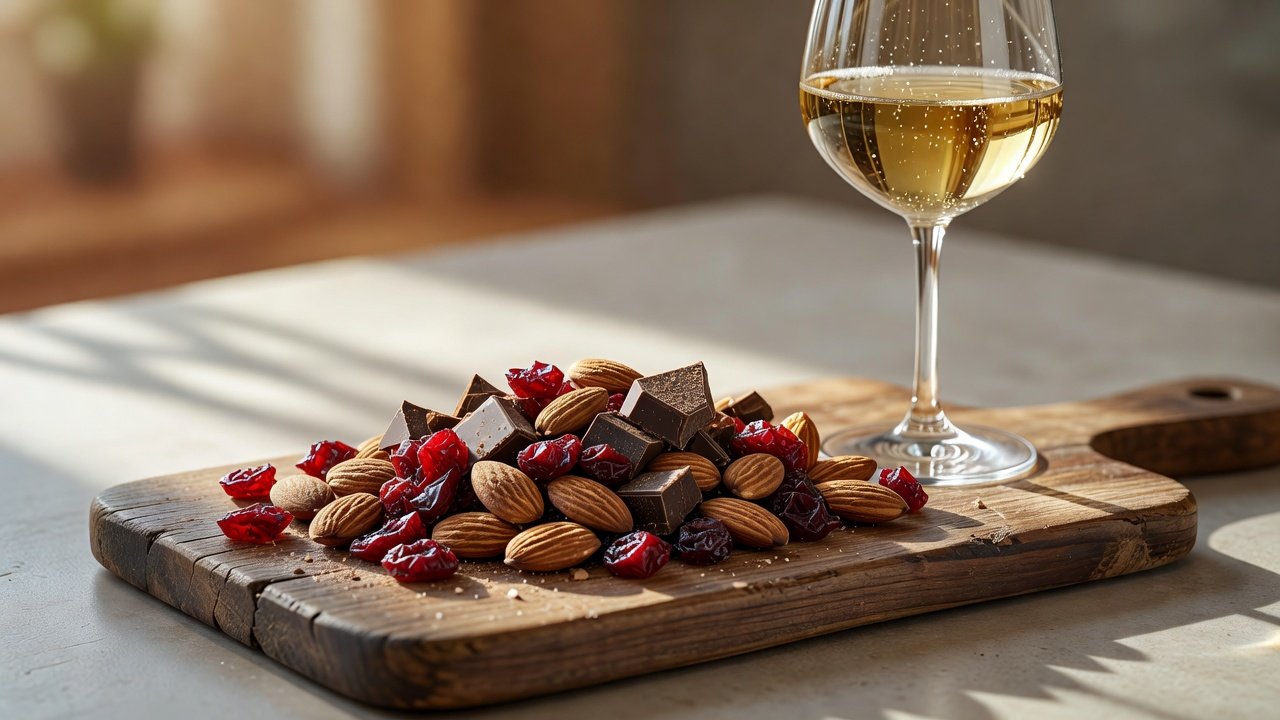
- Almond-cranberry trail mix with off-dry Riesling: The wine's acidity balances the salt on almonds while its residual sugar echoes the tart cranberries, creating a refreshing cycle that makes each bite more enjoyable than the last.
- Dark chocolate and cashew energy bites with Pinot Noir: Earthy notes in the wine mirror the cocoa, and tannins soften the richness of cashews, resulting in a smooth finish that lingers pleasantly.
- Pumpkin seed and raisin mix with sparkling Brut: Bubbles cut through salt and cleanse the palate from chewy raisins, preventing any single flavor from dominating and keeping the tasting session lively.
- Date and flaxseed bites with Kabinett Riesling: Floral aromas lift the natural sweetness of dates without overwhelming the seeds, while the wine's lightness prevents the flax from feeling heavy.
- Walnut and cherry trail mix with light Pinot Noir: Red cherry flavors in the wine echo the dried fruit while acidity handles walnut bitterness, producing a balanced interplay of savory and sweet.
- Peanut butter oat energy bites with extra-dry sparkling wine: High acidity refreshes the palate from creamy peanut butter, and the bubbles add texture contrast that makes the oats feel lighter.
- Sunflower seed and apricot mix with dry Riesling: Mineral notes complement the earthy seeds and tart apricots, enhancing the overall freshness and making the snack feel more sophisticated.
- Coconut and dark chocolate bites with sparkling rosé: Berry notes in the wine enhance chocolate while bubbles contrast coconut texture, delivering a tropical yet elegant combination.
- Mixed nut and mango trail mix with spätlese Riesling: Higher sweetness level matches tropical fruit intensity, while the wine's acidity keeps the nuts from becoming too rich.
- Hemp seed and blueberry energy bites with elegant Pinot Noir: Delicate tannins integrate with nutty hemp and berry flavors, creating depth that encourages slower, more mindful snacking.
Each pairing works because the wine's core elements—acidity, tannins, or bubbles—directly counter or complement the snack's dominant tastes and textures. Experiment by tasting small portions first to adjust ratios if needed.
Step-by-Step Guide to Building Your Own Pairings
Start by identifying the primary ingredients in your trail mix or energy bite. Next, select a wine category based on salt, sweet, or crunch dominance. Chill or decant as appropriate, then taste the snack alone before introducing the wine. Adjust by adding a contrasting element if the first try feels off-balance. Repeat with small adjustments until harmony is achieved. This methodical process builds confidence and helps develop personal preferences over time.
Shopping Tips for the Right Bottles
Look for Riesling labeled Kabinett or Spätlese from reputable producers for balanced sweetness. Choose Pinot Noir from cooler climates like Oregon or Burgundy for brighter fruit. Select sparkling wines labeled Brut or Extra Brut to avoid excess sugar. Check labels for recent vintages and visit Wine Folly for beginner-friendly buying guides. Additional resources such as Wine Magazine and Decanter provide in-depth variety comparisons. Store bottles in a cool, dark place until ready to serve, and consider screw-cap options for convenience in casual settings.
Hosting Casual 2026 Gatherings with These Pairings
Set up a self-serve station with bowls of pre-portioned trail mix and energy bites alongside chilled wine flights. Use small tasting glasses so guests can experiment with multiple pairings. Label each snack and wine combination with simple flavor notes. These setups work well for book clubs, outdoor movie nights, or post-hike gatherings. Keep sparkling wines in an ice bucket and Riesling lightly chilled. Plan the event around daylight hours when appetites favor lighter fare, and offer non-alcoholic sparkling alternatives for inclusivity. Prepare backup snacks in case certain pairings prove especially popular, and encourage guests to note their favorites for future reference.
Common Mistakes to Avoid
- Pairing overly sweet wines with already sweet snacks, which creates imbalance and masks delicate flavors.
- Serving wines too warm, muting their acidity and refreshing qualities that are essential for cutting through salt and fat.
- Using heavily oaked wines that clash with nutty or fruity profiles, overpowering the natural ingredients.
- Ignoring portion sizes, leading to overwhelming flavors that prevent guests from enjoying the full range of options.
- Forgetting to account for temperature changes during outdoor events, which can alter both wine and snack perception.
FAQ on Storage and Serving Temperatures
How should I store opened bottles? Recork and refrigerate Riesling and sparkling wines for up to three days. Pinot Noir can stay at cool room temperature for a day before quality declines noticeably.
What are ideal serving temperatures? Serve Riesling at 45–50°F, Pinot Noir at 55–60°F, and sparkling wines at 40–45°F for optimal flavor expression and balance with snacks.
Can I pair these wines with store-bought mixes? Yes, focus on the dominant ingredients like nuts or chocolate when selecting the wine style, and adjust sweetness levels accordingly.
How long do energy bites stay fresh for pairing events? Homemade versions typically last three to five days refrigerated; prepare them the day before to ensure peak texture and flavor.
Are there any wines to avoid entirely with these snacks? Heavy tannic reds or very sweet dessert wines often overpower the delicate balance of nuts, seeds, and fruits.
Conclusion
These unexpected pairings bring sommelier-level creativity to everyday snacks. Experiment with Riesling, Pinot Noir, and sparkling options to discover your favorites. The right match elevates trail mix and energy bites into memorable, balanced experiences perfect for 2026 gatherings and beyond. With practice, anyone can master these combinations and enjoy them regularly as part of a thoughtful, health-focused lifestyle.
No comments yet. Be the first!