 Uncorked Conversations
Why Flavor Contrasts Elevate Casual Movie Nights in 2026
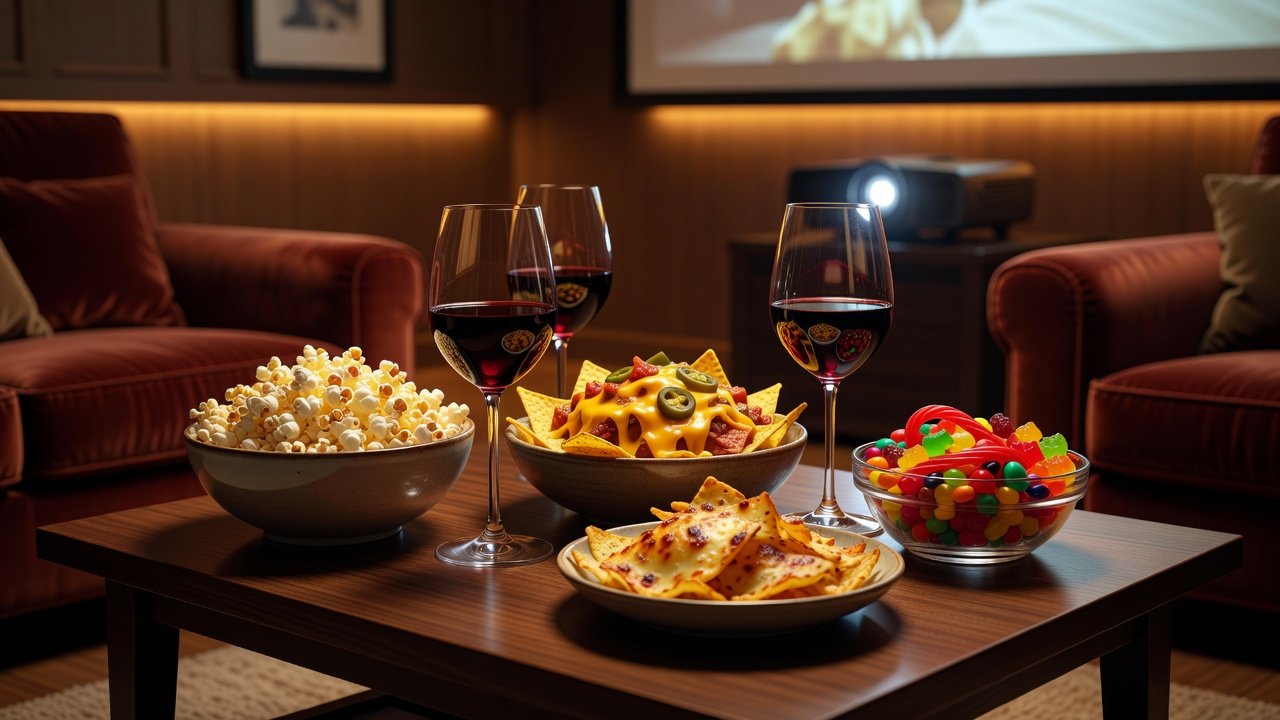
Movie night hosting trends in 2026 focus on relaxed yet thoughtful pairings that surprise guests with bold flavor contrasts. Acidity cuts through salty snacks like popcorn, tannins balance rich bites such as nachos, and fruit-forward wines complement sweet candy mixes while cheese crisps benefit from versatile options. This approach transforms standard viewing sessions into memorable experiences using everyday snacks paired with accessible wines. The key lies in understanding how specific wine components interact with snack textures and flavors to create harmony rather than competition on the palate.
Modern viewers seek easy yet impressive ideas that align with casual entertaining. By focusing on contrast, hosts can elevate simple items without complex preparation. For instance, the bright acidity in certain whites refreshes the mouth after buttery or cheesy bites, preventing palate fatigue during long films.
The Science Behind Sommelier Pairing Techniques
Sommeliers rely on principles of acidity, tannins, sweetness, and body to match wines with foods. Acidity acts as a palate cleanser, cutting fat and salt. Tannins from reds provide structure that stands up to bold spices. Fruit-forward profiles echo sweet elements in snacks. To apply these at home, start by tasting the snack alone, then sip the wine, and note how flavors evolve together. Adjust by choosing wines with complementary or opposing elements, such as high-acid Riesling against salty popcorn.
Step-by-step technique for any pairing: 1. Identify dominant snack flavors like salt, spice, or sweetness. 2. Select wine characteristics that either mirror or contrast them. 3. Consider temperature and glassware for optimal expression. 4. Serve in small portions to encourage experimentation. 5. Observe guest reactions and refine future selections. This method ensures consistent results even for beginners.
Popcorn Pairings That Pop with Acidity
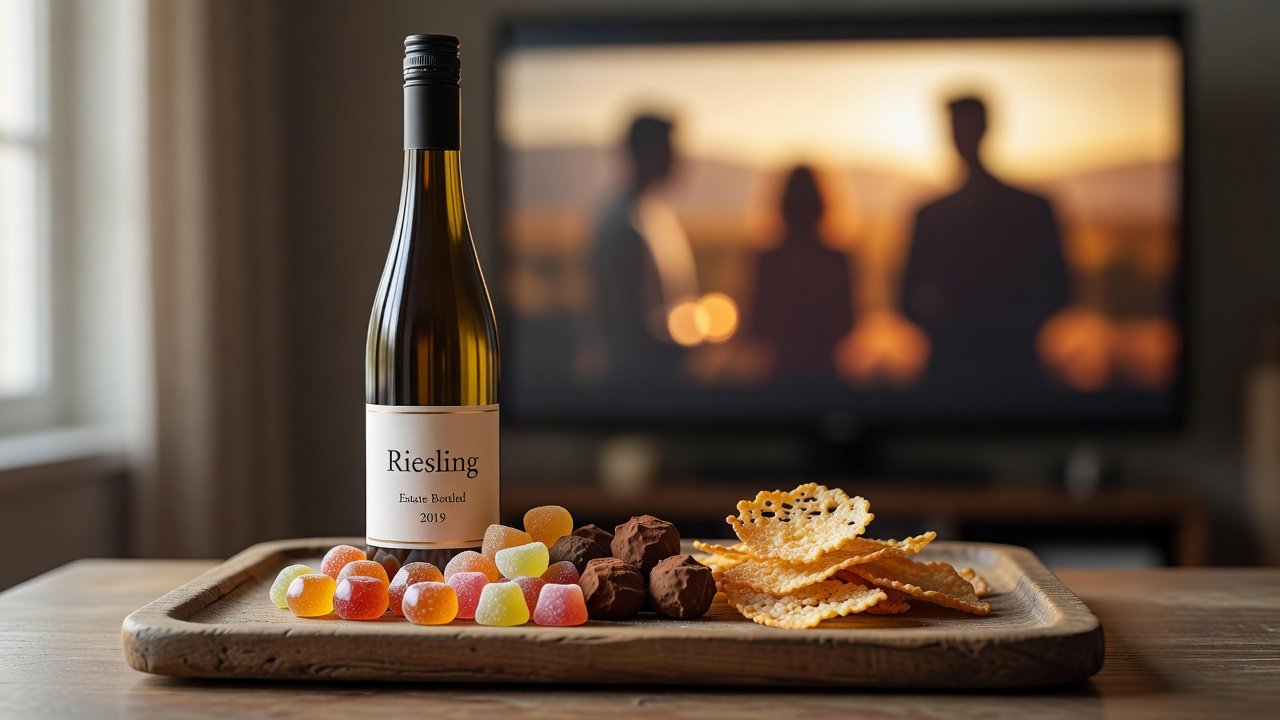
Classic buttered popcorn shines alongside high-acidity whites. Riesling from cool-climate regions delivers bright citrus notes that refresh the palate between bites. Opt for off-dry styles to handle salted varieties without overwhelming the corn's subtle sweetness. For a twist, try a sparkling option whose bubbles cleanse the mouth of buttery residue, making each handful taste fresh. Examples include pairing a Mosel Riesling with kettle corn for caramel contrast or an Australian Riesling with chili-dusted popcorn to tame heat through vibrant lemon-lime acidity.
Expanded hosting tip: Prepare multiple popcorn flavors in separate bowls, such as truffle, cheddar, or plain, and offer corresponding wine flights. This encourages guests to discover personal preferences during the movie. Real-world scenario: At a recent group viewing of a sci-fi film, hosts served chilled Riesling with herb-popped corn, noting how the wine's minerality highlighted the snack's earthiness without clashing.
Nachos and Tannic Reds for Bold Contrast
Nachos loaded with cheese, salsa, and jalapeños demand wines with structure. Pinot Noir offers red fruit and subtle earthiness that tames spice without overwhelming. Its medium tannins provide balance against creamy toppings while allowing tomato acidity to shine. For vegetarian versions with beans and guacamole, a lighter style enhances freshness.
- Choose California Pinot Noir for brighter cherry notes that echo salsa.
- Pair with veggie nachos using a French Burgundy style for elegant restraint.
- Avoid heavy oak-aged options that clash with tomato acidity and create heaviness.
- Experiment with Syrah for smokier chip flavors in loaded meat nachos.
Practical example: A viewing party paired spicy beef nachos with Oregon Pinot Noir, creating a harmonious sweet-heat interplay. Guests appreciated how the wine's acidity lifted the cheese while tannins grounded the jalapeño burn. Another instance involved game-day nachos with a New Zealand Pinot Noir, where berry notes complemented avocado crema beautifully.
Candy Mixes Meet Fruit-Forward Wines
Assorted candies like chocolate-covered pretzels and gummies call for fruit-forward reds or aromatic whites. A juicy Zinfandel echoes berry flavors in gummies while its sweetness offsets chocolate bitterness. Moscato provides floral lift for sour candies, balancing tartness with gentle bubbles or residual sugar. Consider how texture plays a role too—crunchy pretzels benefit from wines with enough body to match.
Step-by-step for candy pairings: Taste the mix first to note dominant profiles. Select a wine with similar fruit intensity. Serve at slightly warmer temperatures for reds to emphasize sweetness. Provide palate cleansers like plain crackers between rounds. Real-world example: During a rom-com marathon, a host offered fruit-forward Zinfandel with sour gummy mixes, resulting in lively discussions about how the wine transformed the candy experience from cloying to refreshing.
Practical Shopping List for Candy Pairings
- Assorted gummies, chocolates, and pretzel mixes with varied textures and flavors.
- One or two bottles of fruit-forward Zinfandel or aromatic Moscato for variety.
- Small decorative bowls for portion control and easy sharing during the film.
- Optional palate cleansers such as unsalted nuts or fresh fruit slices.
- Glass markers to track which wine pairs with specific candy types.
Cheese Crisps and Versatile Varietals
Crunchy cheese crisps pair beautifully with both whites and light reds. Sauvignon Blanc cuts through the richness with herbal and citrus notes, while a light Pinot Noir adds berry contrast that prevents monotony. Focus on young, unoaked wines for best results as oak can overpower the crisp's delicate saltiness. Expand by trying Grüner Veltliner for peppery alignment with aged cheese varieties or a crisp Albariño for seafood-inspired crisps if available.
Hosting detail: Arrange crisps on a charcuterie-style board with multiple wine options nearby. This setup allows self-service during intense movie scenes. Example from a documentary night: Sauvignon Blanc with parmesan crisps created a bright, zesty match that kept the group engaged without heavy pours.
Common Mistakes to Avoid When Pairing
Over-chilling whites dulls delicate flavors and aromas, making them taste flat against snacks. Ignoring spice levels leads to mismatched heat that dominates the wine. Serving large pours overwhelms subtle snack nuances and encourages rapid consumption. Failing to consider temperature changes during the evening can alter pairings mid-film. Always taste wine and snack together before guests arrive to catch imbalances early. Another pitfall is choosing overly complex wines that compete rather than complement; stick to straightforward varietals for casual settings.
Scaling for Groups: Expanded FAQ
How much wine per person for a long movie marathon? Plan one standard bottle for every two to three guests, adjusting based on session length and offering water stations to maintain balance.
Can I pre-batch pairings for efficiency? Yes, but keep snacks fresh in airtight containers and store wines at proper temperatures until just before serving to preserve quality.
What if guests have dietary restrictions or preferences? Offer separate non-alcoholic sparkling options alongside the wines, and label everything clearly for inclusive hosting.
How do movie genres influence pairing choices? Action films pair well with bolder reds like Pinot Noir for nachos, while comedies suit lighter, fun wines with candy mixes to match the mood.
Conclusion
These unexpected pairings bring sommelier flair to casual 2026 movie nights through thoughtful use of acidity, tannins, and fruit profiles. Experiment with Riesling for popcorn, Pinot Noir for nachos, Zinfandel for candies, and Sauvignon Blanc for crisps to create memorable contrasts. Expand your knowledge with resources from Wine Magazine and Decanter for ongoing inspiration on varietals and techniques.
No comments yet. Be the first!