 Uncorked Conversations
Introduction to Pairing Wines with Turkish Cuisine
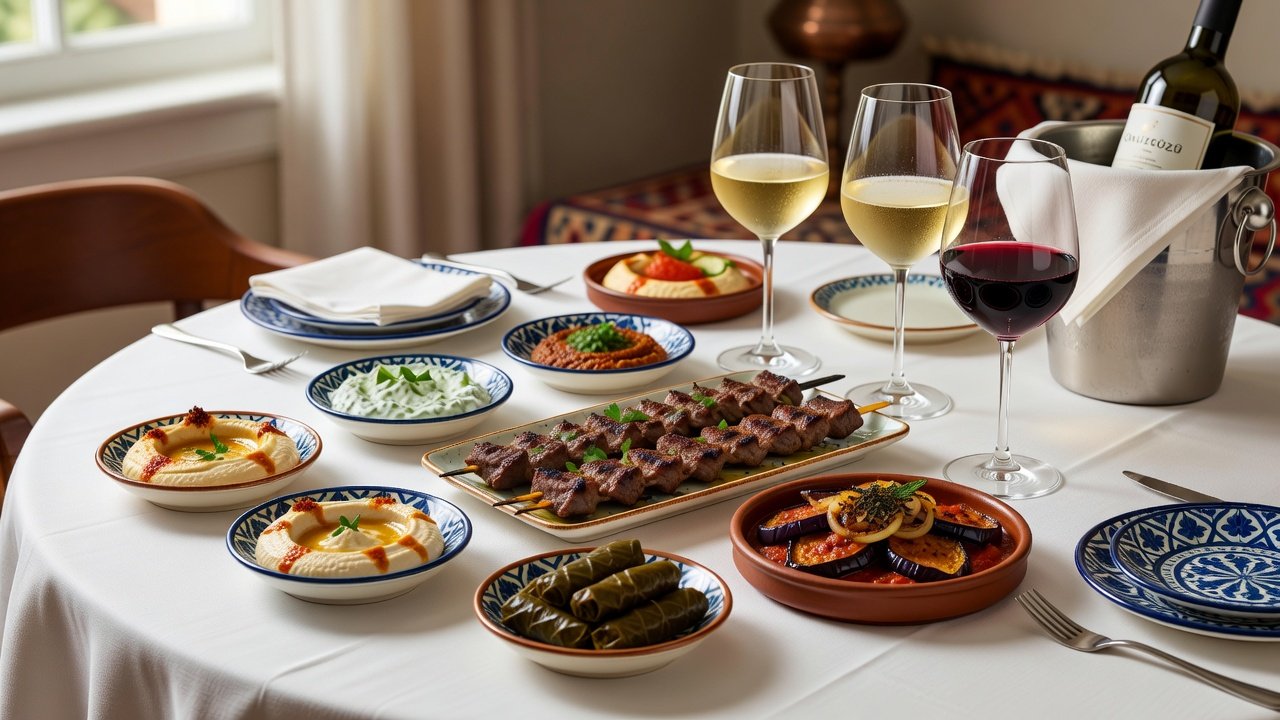
Turkish cuisine blends smoky grilled meats, tangy yogurt sauces, vibrant herbs, and vegetable-forward plates that challenge traditional wine pairings. In 2026, sommeliers emphasize high-acidity whites and medium-bodied reds to cut through richness and balance spices. This approach highlights iconic dishes like kebabs, mezes, and eggplant recipes while showcasing varieties such as Assyrtiko, Xinomavro, and indigenous Turkish grapes. The cuisine draws from Ottoman influences and regional diversity, creating layers of flavor that reward thoughtful wine selection.
Understanding flavor profiles is essential. Smokiness from charcoal grilling pairs well with wines that offer bright acidity or subtle earthiness. Yogurt-based sauces add creaminess that calls for crisp, refreshing whites, while spice levels require wines with enough structure to stand up without overpowering delicate notes. Successful pairings enhance the dining experience by creating harmony between the dish and the glass.
Core Wine Styles for Turkish Dishes
High-acidity whites refresh the palate between bites of rich foods. Medium-bodied reds provide tannins that tame spice without overwhelming herbal elements. These styles excel because they complement the cuisine's balance of savory, tangy, and smoky components. Sommeliers often prioritize wines from Mediterranean climates that mirror Turkey's own terroir.
- Whites with vibrant acidity cleanse the mouth after fatty meats or creamy dips.
- Reds with moderate tannins harmonize with grilled vegetables and layered spices.
- Both categories avoid overly oaky or heavy profiles that clash with fresh herbs and citrus accents.
- Consider residual sugar levels in whites when heat from chilies appears in a dish.
Pairing Strategies for Kebabs and Grilled Meats
Adana or lamb kebabs feature bold spices and char. Step-by-step logic starts with assessing the protein's fat content, then matching to a wine's acidity or tannin level. A medium-bodied red like Xinomavro cuts through lamb fat while echoing the dish's earthy undertones. Begin by identifying the dominant spice blend, such as cumin or sumac, and select a wine with complementary herbal notes.
For chicken or fish kebabs, select high-acidity whites such as Assyrtiko. Its citrus and mineral notes refresh after each bite of smoky poultry. Practical tip: Serve the wine slightly chilled to enhance its palate-cleansing effect. Experiment with serving temperatures to find the sweet spot that maximizes refreshment without muting aromas.
When hosting, prepare multiple kebab varieties and offer two wine options side by side. This allows guests to compare how the same wine interacts with different proteins, revealing the importance of fat content and char level in pairing decisions.
Mezes and Appetizer Pairings
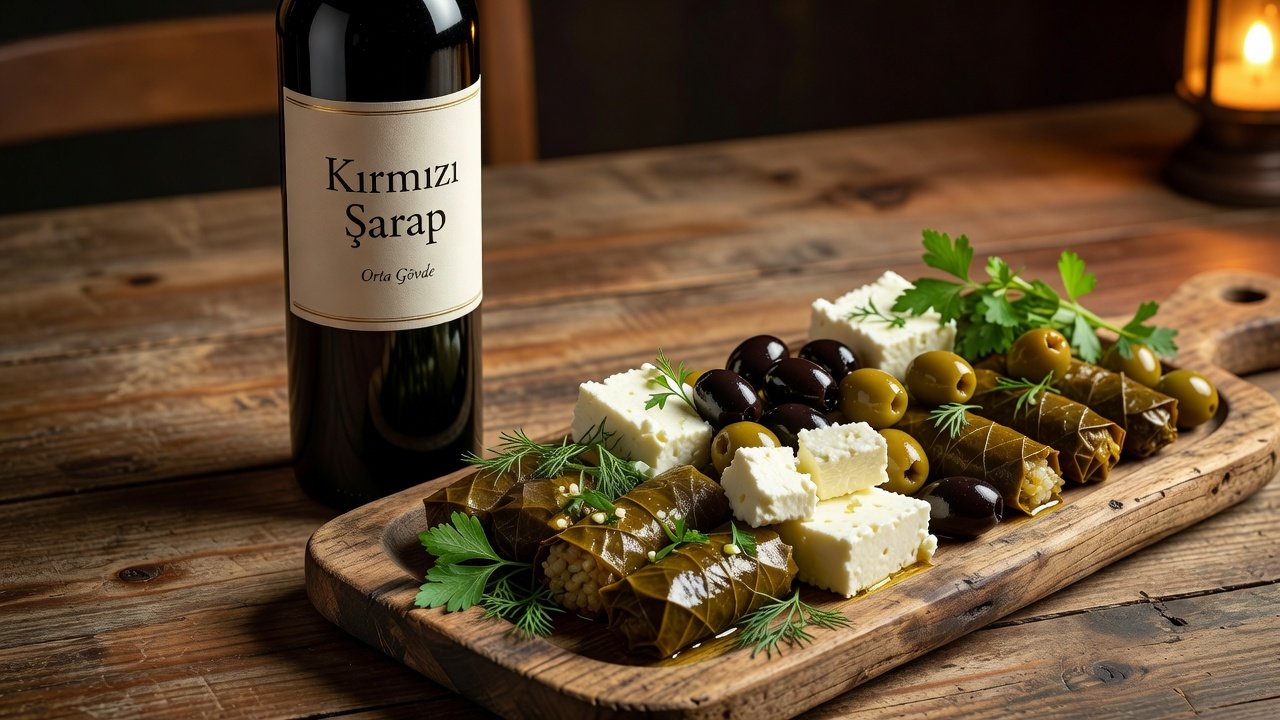
Mezes range from stuffed grape leaves to feta salads and hummus-style dips. These small plates benefit from versatile wines that adapt to multiple flavors. Assyrtiko shines here due to its versatility across salty and herbal profiles. The key is to treat mezes as a progression, starting with lighter items and moving to richer ones.
Consider a step-by-step approach: Start with the dominant flavor in each meze, then choose a wine that either mirrors or contrasts it. For example, pair briny olives with mineral-driven whites to amplify freshness. Yogurt-based mezes like haydari call for wines with enough acidity to cut through the creaminess while highlighting the dill and garlic.
Additional examples include matching spicy ezme salad with a touch of off-dry white to balance heat. Hosts can create a meze flight by selecting three to four small plates and rotating wines accordingly, ensuring each combination feels intentional and balanced.
Eggplant-Based Recipes and Vegetable Plates
Eggplant dishes like imam bayildi or smoky baba ganoush present creamy textures and subtle bitterness. Medium-bodied reds with red fruit notes balance these elements effectively. Turkish grapes such as Kalecik Karası offer gentle tannins that complement roasted vegetables without dominating. The natural sweetness in roasted eggplant pairs beautifully with wines showing cherry or berry undertones.
Vegetable-forward plates often include olive oil and garlic. High-acidity whites prevent the meal from feeling heavy. Sommeliers recommend tasting the dish first, then selecting a wine whose acidity level matches the oil's richness. For instance, a garlicky eggplant puree benefits from a crisp white that echoes the garlic's sharpness.
Practical comparisons show that lighter reds work better than full-bodied options for mixed vegetable platters, preventing any single component from overwhelming the others.
Overcoming Common Challenges: Heat and Richness
Spice heat demands wines with residual sugar or high acidity to cool the palate. Richness from yogurt or nuts requires crisp textures to avoid clashing. Avoid low-acid wines that amplify heat or heavy reds that weigh down creamy sauces. A common mistake is choosing overly tannic wines that exaggerate spice perception.
Practical examples include pairing spicy lamb köfte with off-dry whites or using Xinomavro for richer eggplant casseroles. These choices maintain balance across the table. When richness builds from multiple courses, alternate between white and red to reset the palate and sustain enjoyment throughout the meal.
Recommended Grape Varieties and Flavor Matching
Assyrtiko delivers lemon zest and saline notes ideal for seafood mezes and lighter grilled items. Xinomavro provides cherry and olive flavors that suit grilled meats and spiced vegetables. Local Turkish options like Narince or Boğazkere add unique regional character to vegetable plates and yogurt accompaniments.
Flavor-matching tips: Match citrus in whites to lemon in dishes and earth in reds to charred elements. This creates harmony rather than competition on the palate. Expand your repertoire by trying blends that incorporate both international and native grapes for added complexity.
Affordable 2026 Bottle Options and Hosting Scenarios
Focus on value-driven selections from established producers. These options deliver quality without excess cost, allowing hosts to explore multiple bottles for a dinner party. For seasonal adaptations, lighter whites suit summer meze spreads while fuller reds complement winter stews and slow-cooked meats.
Hosting Turkish-inspired dinners works best with a progression: Begin with whites for mezes, transition to reds for mains, and finish with a versatile option for desserts like baklava. Consider guest preferences and dietary needs when curating the list. Provide tasting notes cards at the table to guide conversation and deepen appreciation.
FAQ on Seasonal Adaptations and Hosting
How do pairings change with seasons? Summer favors chilled high-acidity whites for lighter plates and outdoor grilling; winter calls for medium reds with grilled or slow-cooked dishes to provide warmth and structure.
What wines suit mixed dietary preferences? Versatile Assyrtiko covers vegetarian mezes and meat options equally well, while Xinomavro handles both plant-based and animal proteins with equal grace.
Can these pairings work for large groups? Yes, select two to three bottles that cover the menu's range, ensuring everyone finds a match. Rotate servings and encourage guests to note their favorites for future events.
Explore further guidance from authoritative sources like Decanter, Wine Enthusiast, and Wine Spectator for expanded Turkish wine insights and regional recommendations.
No comments yet. Be the first!