 Uncorked Conversations
Introduction to Sommelier Wine Pairings for Wild Game
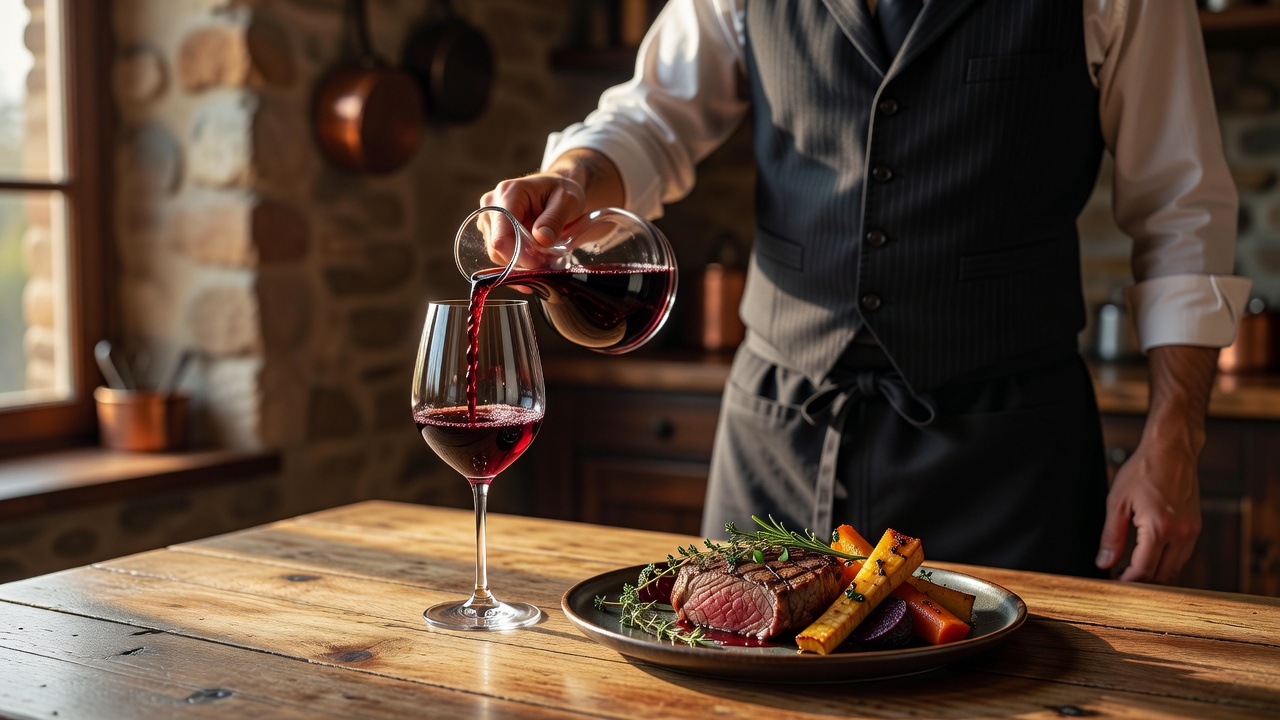
Wild game meats such as venison, duck, and pheasant offer rich, lean proteins with distinctive gamey flavors that demand thoughtful wine pairings. In 2026, sommeliers emphasize matching bold tannins and earthy notes to these proteins for balanced dining experiences. This comprehensive guide explores proven techniques, seasonal harvest influences, acidity balance strategies, and practical steps to elevate your pairings at home. Whether you are preparing a special occasion meal or experimenting with new recipes, understanding these pairings transforms ordinary dinners into memorable culinary events. The focus remains on creating harmony between the wine and the meat's unique texture and taste profile.
Understanding the Flavors of Wild Game Meats
Venison delivers a lean, earthy taste with subtle sweetness derived from the animal's natural diet of grasses and herbs. Duck features fatty richness that coats the palate, requiring wines with sufficient acidity to cut through the fat. Pheasant brings delicate game notes with a slightly nutty undertone, making it versatile yet sensitive to overly powerful wines. These characteristics interact uniquely with wine components like tannins, acidity, and oak aging. Sommelier pairings focus on countering gamey intensity with wines that cleanse the palate without overwhelming the meat's inherent qualities. Home cooks benefit from recognizing these flavor profiles early, as they guide every subsequent pairing decision from varietal selection to serving temperature.
Core Principles of Wine Pairings for Game
Successful pairings rely on three pillars: tannin structure to cut through proteins, acidity to refresh against richness, and earthy or herbal notes to echo the meat's terroir. Avoid overly fruity wines that clash with game flavors. Instead, prioritize reds with moderate to high tannins and subtle spice. The principle of matching intensity ensures that neither the wine nor the dish dominates. For example, a heavy Cabernet works well with strongly flavored venison but may overpower milder pheasant. Sommeliers also consider cooking methods, such as grilling which intensifies smoky notes or slow braising which softens textures and calls for softer tannins in the wine.
Specific Sommelier Recommendations by Meat
Venison Pairings
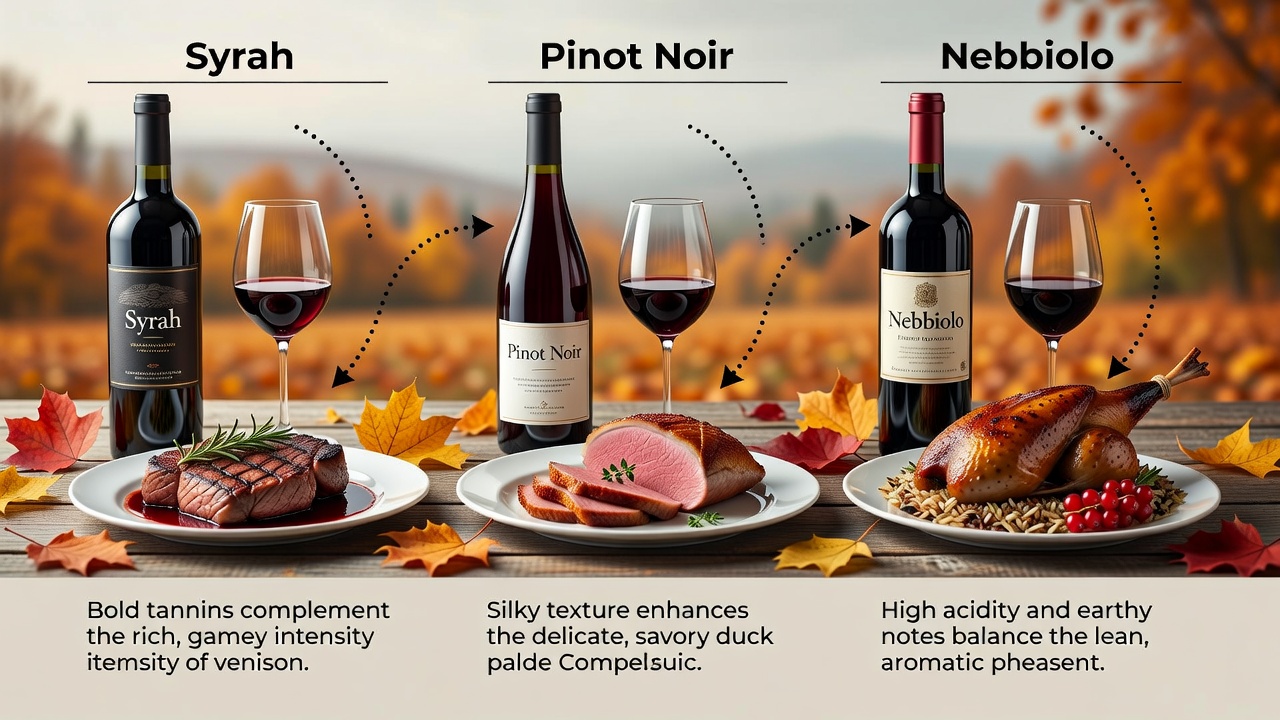
Pair venison with Syrah or Cabernet Sauvignon for robust tannins that complement its leanness. A 2025 vintage from the Rhône Valley enhances the meat's mineral edge. Serve slightly chilled at 60°F for optimal balance. Consider a grilled venison loin with rosemary and garlic alongside a full-bodied Syrah that highlights pepper and dark fruit elements. For braised venison shoulder, opt for an older Cabernet that has developed leather and tobacco notes to mirror the dish's depth. These pairings succeed because the wine's structure stands up to the meat's density while refreshing the palate between bites.
Duck Pairings
Duck's fat content calls for Pinot Noir or Gamay. These lighter reds provide bright acidity to slice through richness while offering cherry notes that harmonize with duck's savoriness. A classic example pairs roasted duck breast with Pinot Noir from Burgundy, where the wine's earthiness complements any mushroom sauce. For duck confit, Gamay from Beaujolais brings juicy red fruit that balances the rendered fat. Always serve these wines at 55 to 58 degrees Fahrenheit to preserve their vibrant acidity.
Pheasant Pairings
Pheasant shines with earthy Nebbiolo or Sangiovese. The wines' leather and mushroom undertones mirror the bird's wild character, creating a seamless match. Try pheasant roasted with sage and chestnuts paired with a Barolo that offers tar and rose petal aromas. For a lighter preparation like pheasant salad, a Chianti Classico provides refreshing acidity and cherry flavors that elevate the greens without overpowering the meat.
Seasonal Harvest Influences on Pairings
Autumn harvests bring mushrooms and root vegetables that pair beautifully with game, suggesting wines aged in new oak for complementary vanilla tones. Spring pairings lean toward fresher vintages with higher acidity to match lighter preparations such as grilled game birds. Summer calls for chilled reds or even crisp whites when serving cold game terrines. 2026 trends highlight biodynamic wines that reflect seasonal terroir for more authentic experiences, encouraging diners to select bottles from producers who follow lunar cycles and natural farming methods. These seasonal adjustments ensure the wine feels integrated with the meal rather than merely accompanying it.
Balancing Acidity for Gamey Flavors
Game meats can taste metallic or overly intense without proper acidity. Choose wines with crisp profiles like Barbera to refresh the palate between rich bites. Test by sipping wine alongside a small bite of meat and noting how acidity lifts the flavors, preventing any lingering heaviness. In practice, a high-acid Barbera d'Alba works wonders with venison stew by cutting through the gravy while highlighting herbal elements. Pairing exercises show that insufficient acidity leads to fatigue after just a few bites, whereas balanced selections keep the meal enjoyable from start to finish.
Comparison of Red Varietals for Wild Game
- Syrah: High tannins, pepper notes, and dark fruit – ideal for venison roasts or stews; excels in cool-climate expressions that add elegance
- Pinot Noir: Elegant acidity, red fruit, and subtle earth – perfect for duck preparations; choose village-level Burgundy for everyday meals or grand cru for special occasions
- Nebbiolo: Earthy depth, firm structure, and floral hints – excels with pheasant or mixed game platters; requires decanting to soften tannins
- Cabernet Sauvignon: Bold and structured with blackcurrant notes – versatile for mixed game platters; pair with aged vintages for added complexity
- Sangiovese: Bright acidity and cherry flavors – great for pheasant or lighter duck dishes; Italian expressions bring rustic charm
Step-by-Step Pairing Examples
1. Select the protein and note its fat content and preparation method. 2. Choose a varietal matching the intensity level of the dish. 3. Consider side dishes such as wild mushrooms or root vegetables to reinforce earthiness. 4. Taste progressively, adjusting serving temperature and decanting time as needed. 5. Evaluate the finish by ensuring the wine leaves a clean, refreshed palate. For a concrete example, prepare seared venison medallions with a red wine reduction, then taste alongside a decanted Syrah; the reduction's sweetness should echo the wine's fruit while tannins handle the protein. Another scenario involves duck à l'orange where the citrus sauce benefits from a high-acid Pinot Noir that prevents the sweetness from clashing.
Practical Home Tips for Food and Wine Pairing Success
Store wines at consistent cellar temperatures around 55 degrees Fahrenheit and decant tannic bottles 30 to 60 minutes before serving. Experiment with small pours to test pairings before committing to full glasses. Keep a tasting journal noting what works and what does not. Visit Decanter for vintage updates and Wine Institute for regional insights. Additional guidance appears on Wine Magazine where experts discuss emerging trends. Invest in proper glassware that concentrates aromas, and always serve game slightly cooler than room temperature to preserve delicate flavors.
Common Mistakes to Avoid in Game Wine Pairings
One frequent error involves selecting overly sweet wines that mask the meat's natural savoriness. Another mistake is ignoring serving temperature, which dulls both wine and food. Avoid pairing very young, tannic wines with lean game without sufficient decanting time. Finally, neglecting side dish compatibility can ruin an otherwise solid match; always consider how sauces or vegetables interact with the chosen varietal.
FAQs on Common Mistakes and 2026 Trends
What is the biggest pairing mistake?
Overlooking acidity often leads to heavy, unbalanced meals. Always prioritize wines that refresh rather than coat the palate, especially when serving rich preparations.
Are there new 2026 trends?
Yes, natural and low-intervention wines are rising for game dishes, offering unfiltered purity that highlights wild flavors. See Wine Magazine for emerging styles and producer recommendations.
How do I avoid tannin clashes?
Match tannin levels to protein richness; lean meats tolerate bolder tannins while fatty cuts need softer structures. Decanting helps soften aggressive tannins before serving.
Should I consider white wines for game?
While reds dominate, full-bodied whites like aged Chardonnay can pair with lighter pheasant dishes when acidity and oak integration are present.
Conclusion
Mastering sommelier wine pairings for wild game transforms meals into memorable experiences. By focusing on tannins, acidity, seasonal elements, and practical testing, home cooks can achieve professional results. Apply these principles to discover your ideal matches in 2026 and beyond, refining your approach with each new dish and vintage.
No comments yet. Be the first!