 Uncorked Conversations
Introduction to Sommelier Wine Pairings for Light Meals
Pairing wine with salads and light lunches requires careful attention to acidity, freshness, and texture. Sommeliers emphasize wines that complement rather than overpower delicate ingredients. This guide provides practical advice for home cooks seeking the best food and wine pairing experiences in 2026. Light lunches often feature crisp greens, seasonal produce, and simple proteins. The right wine enhances these elements by cutting through dressings or highlighting fresh flavors. Beginners can start with versatile whites like Sauvignon Blanc, which brings vibrant citrus and herbal notes that refresh the palate between bites of mixed greens or quinoa bowls.
Understanding the core principles of balance helps avoid common pitfalls. Acidity in wine acts like a squeeze of lemon, brightening flavors and cleansing the mouth. Freshness ensures the pairing feels lively rather than heavy, while texture matching prevents wines from feeling flat against crunchy vegetables or creamy elements. With these foundations, anyone can create restaurant-quality pairings at home using affordable bottles available year-round.
Balancing Acidity and Freshness in Wine Pairings
Acidity is key in wine pairings for salads. High-acid wines refresh the palate and match vinaigrettes. Sauvignon Blanc offers bright citrus notes that pair well with lemon-based dressings. Rosé provides a touch of berry while remaining light and crisp. Pinot Grigio delivers subtle minerality ideal for neutral salads. These options maintain freshness without heavy tannins. Avoid oaky Chardonnays that can clash with delicate greens. When selecting wines, look for those labeled as crisp or unoaked to preserve the bright character that mirrors the salad's vibrancy.
Texture also plays a role. A wine with lively bubbles, such as a dry sparkling wine, can add an extra layer of refreshment to simple green salads. The goal is harmony: the wine should taste even better when sipped alongside the food, and vice versa. Home cooks benefit from tasting both together rather than guessing in advance.
Impact of Dressings on Food and Wine Pairing
Dressings dramatically influence pairings. Creamy ranch calls for richer textures, while balsamic vinaigrettes suit fruity wines. Sommeliers recommend testing small sips with your dressing first. Oil-based dressings work with crisp whites. Acidic dressings pair best with equally acidic wines. Sweet dressings benefit from off-dry Rosé. Experiment at home by mixing dressing samples with wine to find harmony. For example, a honey-mustard dressing pairs nicely with a slightly off-dry Rosé that counters the sweetness without becoming cloying. Meanwhile, a classic Caesar dressing with anchovy and garlic shines alongside a zesty Sauvignon Blanc that cuts through the richness.
Consider the dressing's intensity. Heavy, creamy versions may require a wine with more body, such as a lightly oaked Pinot Grigio, while light herb vinaigrettes thrive with high-acid Sauvignon Blanc. Always start with small portions to fine-tune the match before committing to a full glass.
Adding Proteins: Grilled Chicken, Tofu, and More
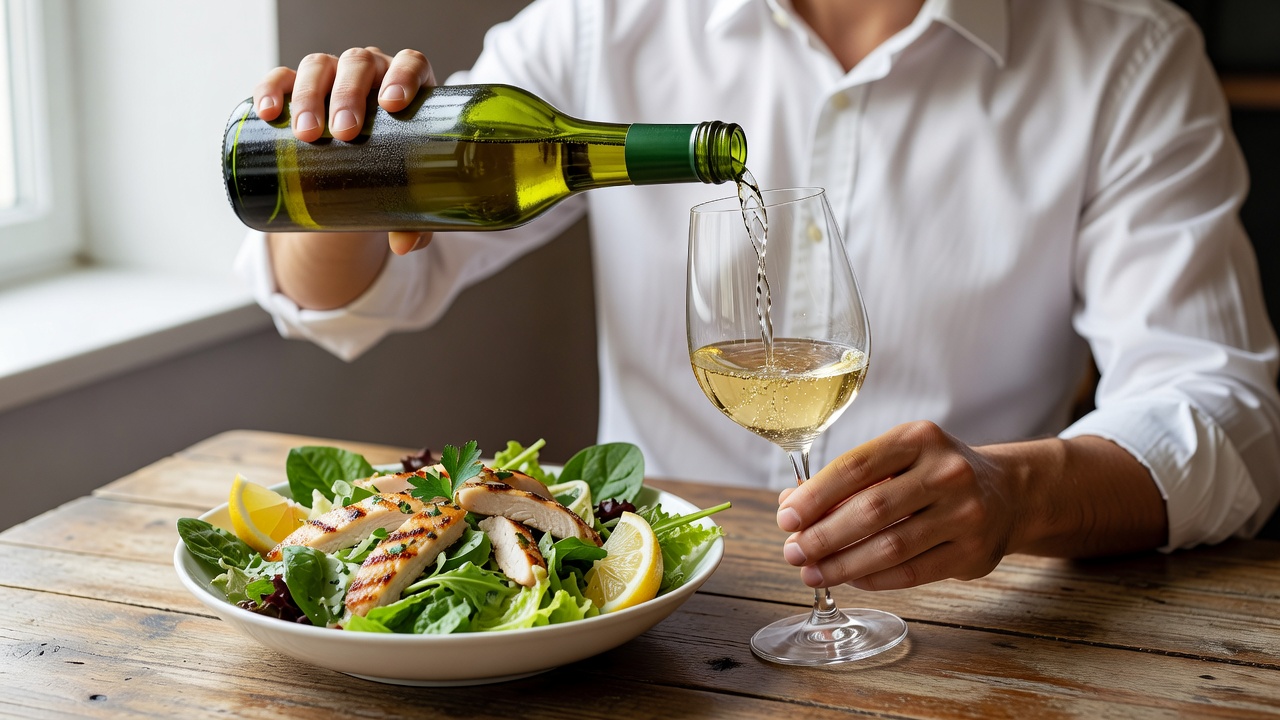
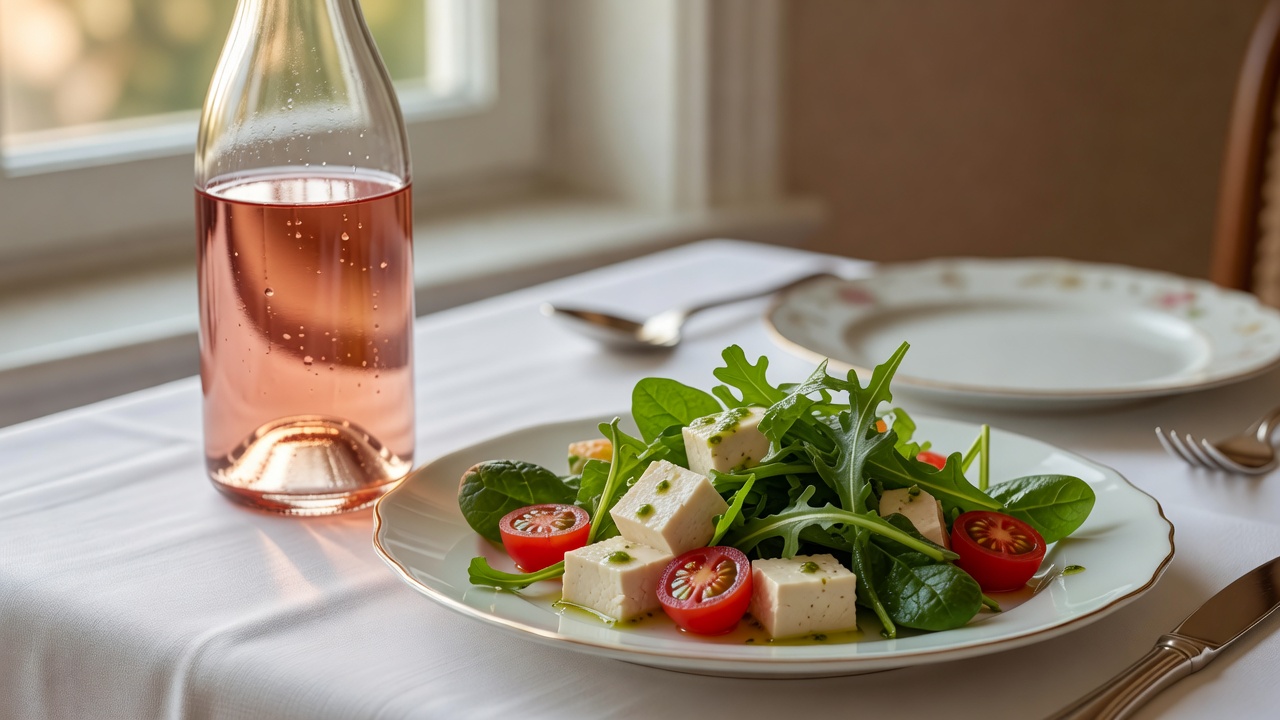
Proteins add substance to light lunches. Grilled chicken pairs beautifully with Sauvignon Blanc, whose acidity cuts through the char. Tofu, being neutral, welcomes versatile Rosé that adds subtle fruit without overwhelming plant-based textures. For seafood salads, light Pinot Grigio shines. These pairings keep meals balanced and satisfying. Consider marinating proteins to echo wine flavors like herbs in Sauvignon Blanc.
Other proteins expand options further. Smoked salmon benefits from the crisp acidity of Pinot Grigio, which refreshes after each bite. Grilled shrimp or tofu skewers work well with dry Rosé that handles light spice rubs. Always match protein weight to wine body: lighter proteins suit lighter wines, while slightly richer options like chicken allow for a touch more texture in the wine.
Seasonal Ingredient Examples for 2026
Spring salads with asparagus and peas match crisp Sauvignon Blanc. Summer berry salads suit dry Rosé. Fall options like apple and walnut salads work with Pinot Grigio. Winter root vegetable salads can handle a light red if the dressing is earthy. These seasonal choices keep pairings fresh and relevant. Local markets provide inspiration. Always taste ingredients first to guide wine selection. For instance, ripe summer tomatoes with fresh basil call for a Sauvignon Blanc that echoes the herbal notes, while roasted beets in fall pair elegantly with a chilled Pinot Grigio that highlights their sweetness.
Step-by-Step Matching Tips from Sommeliers
Follow these steps for successful pairings: Identify dominant salad flavors and dressing. Choose wine acidity level to match. Consider protein weight. Serve wines chilled at 45-55°F. Taste iteratively and adjust. This method ensures consistent results for any light lunch. Begin by listing the main components on your plate, then select a wine whose primary flavors either mirror or contrast those elements in a pleasing way. Chill bottles properly to maintain freshness, and always taste the wine first on its own before adding food.
Red Versus White Wine Options Compared
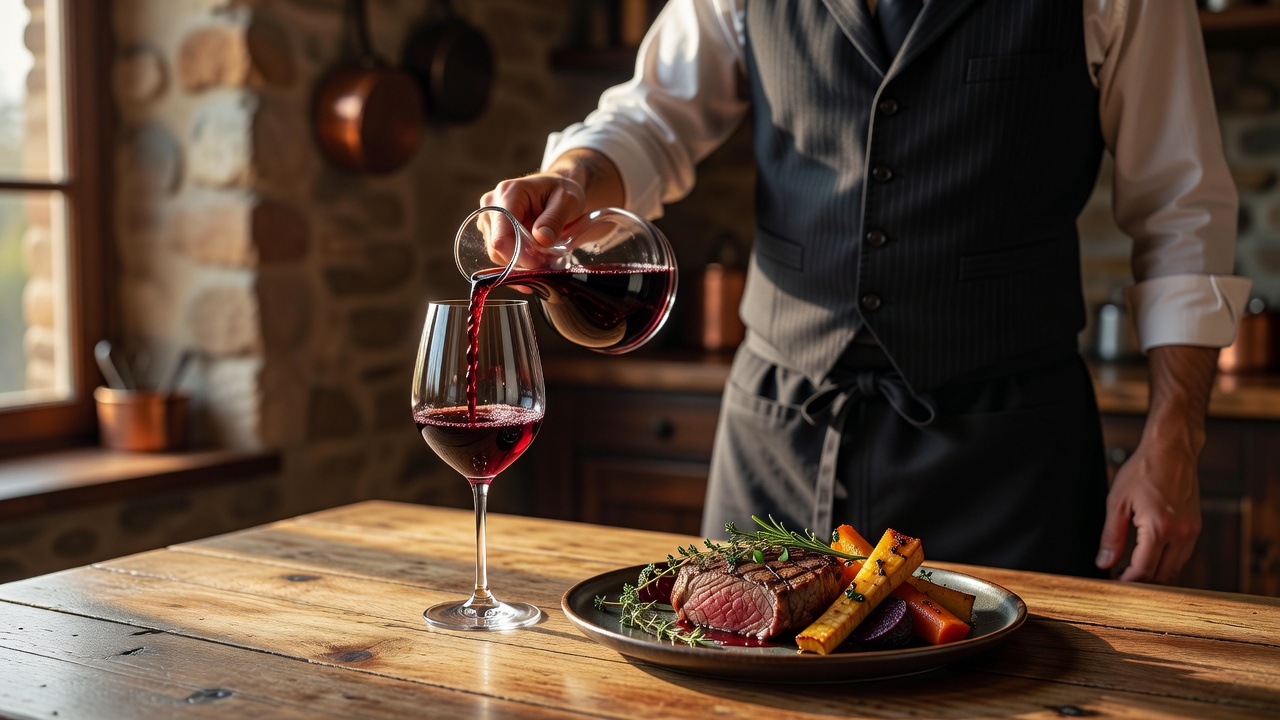
Light reds like Pinot Noir can work with heartier salads featuring mushrooms or beets. However, whites generally outperform reds for salads due to lower tannins. Wine Folly highlights how whites preserve freshness in vegetable-forward dishes. Reds risk drying the palate with greens. Stick to whites and Rosé unless the salad includes bold elements like grilled steak. When experimenting with reds, choose very light styles served slightly chilled to reduce tannin perception.
Common Mistakes to Avoid
Many beginners choose overly oaked or high-alcohol wines that overwhelm delicate salads. Another frequent error is ignoring temperature; warm wine loses its refreshing quality. Pairing sweet dressings with bone-dry wines can also create imbalance. Always consider portion size—light lunches pair best with lighter wines rather than full-bodied bottles meant for dinner.
Real-World Meal Scenarios for Home Cooks
Imagine a weekday lunch of mixed greens, cherry tomatoes, and grilled chicken. A chilled Sauvignon Blanc elevates it instantly. For a vegetarian tofu salad with sesame dressing, choose a dry Rosé to complement the flavors. A weekend brunch featuring a quinoa salad with feta and olives pairs beautifully with Pinot Grigio, whose minerality highlights the cheese. For a picnic-style lunch of Cobb salad elements without the bacon, a crisp Rosé handles the variety of textures and light proteins with ease. These scenarios demonstrate easy integration into daily routines.
Practical FAQs for Beginners
What if my salad has cheese? Opt for Pinot Grigio to balance creamy notes. Can I use the same wine for multiple salads? Yes, versatile bottles like Sauvignon Blanc adapt well. How do I store opened wine? Use vacuum stoppers and refrigerate for up to three days. Are there non-alcoholic alternatives? Sparkling water with citrus mimics some effects. Should I decant light wines? No, most crisp whites and Rosés are best poured straight from the bottle. What glassware works best? Use standard white wine glasses to concentrate aromas without trapping too much heat.
Conclusion
Sommelier wine pairings for salads and light lunches focus on acidity and freshness. With wines like Sauvignon Blanc, Rosé, and Pinot Grigio, home cooks can create memorable meals. Apply these tips to elevate everyday lunches throughout 2026. Explore further at Decanter and Wine Folly for additional expert insights.
No comments yet. Be the first!